


Pink Etched Glass Lamp
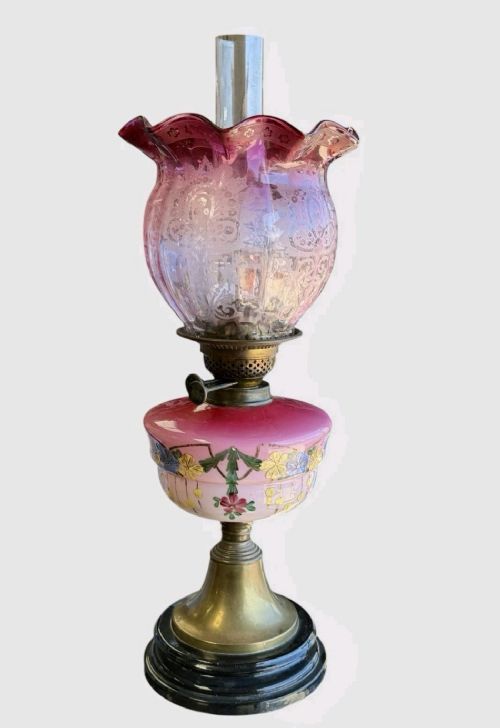
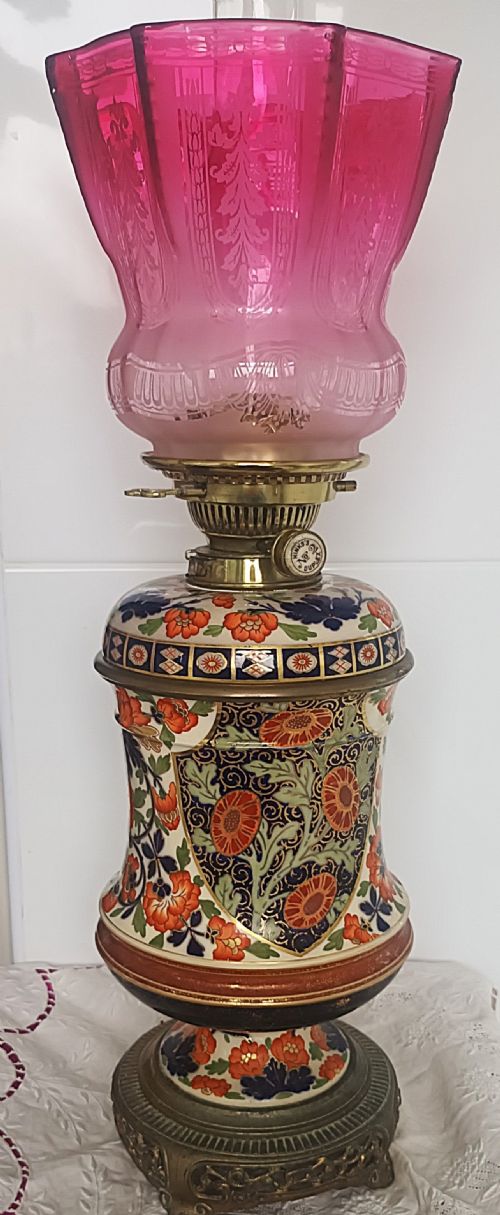
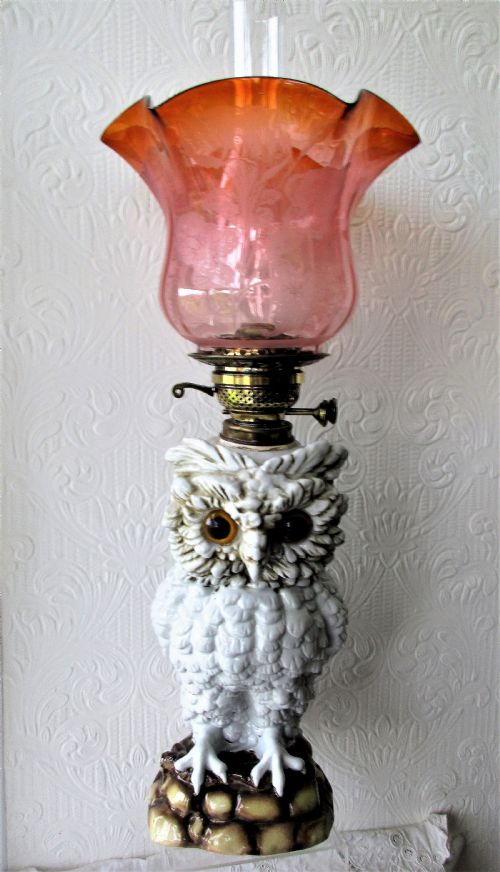
A pink etched glass lamp brings warm colour and patterned light to a room, drawing the eye with tinted vessels and frosted motifs.
Pink Etched Glass Lamp
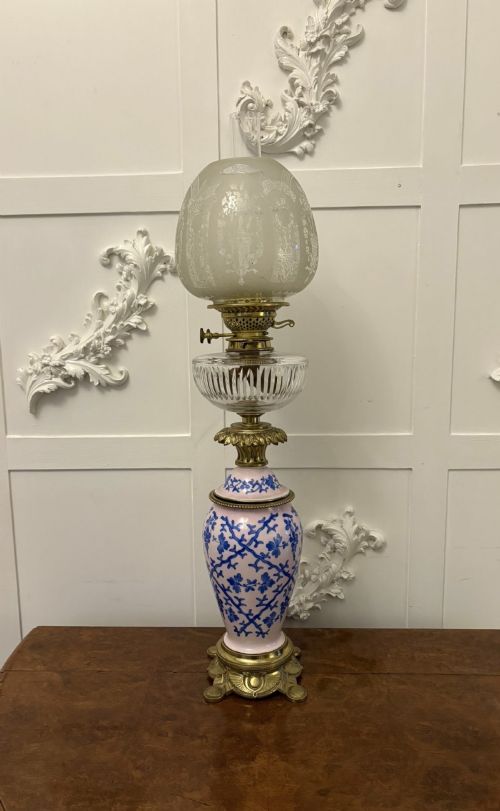
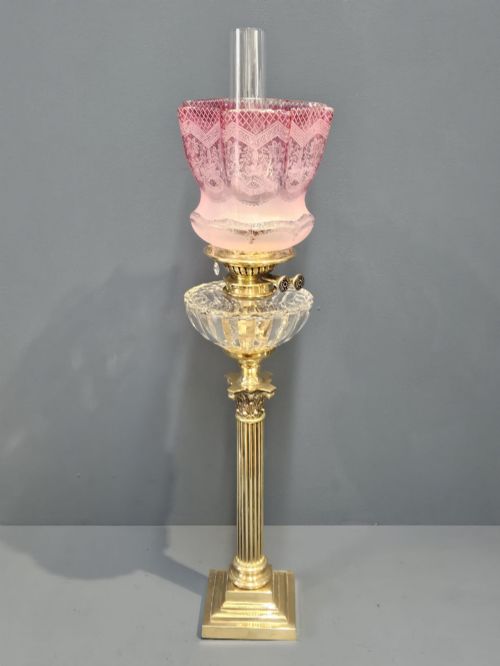
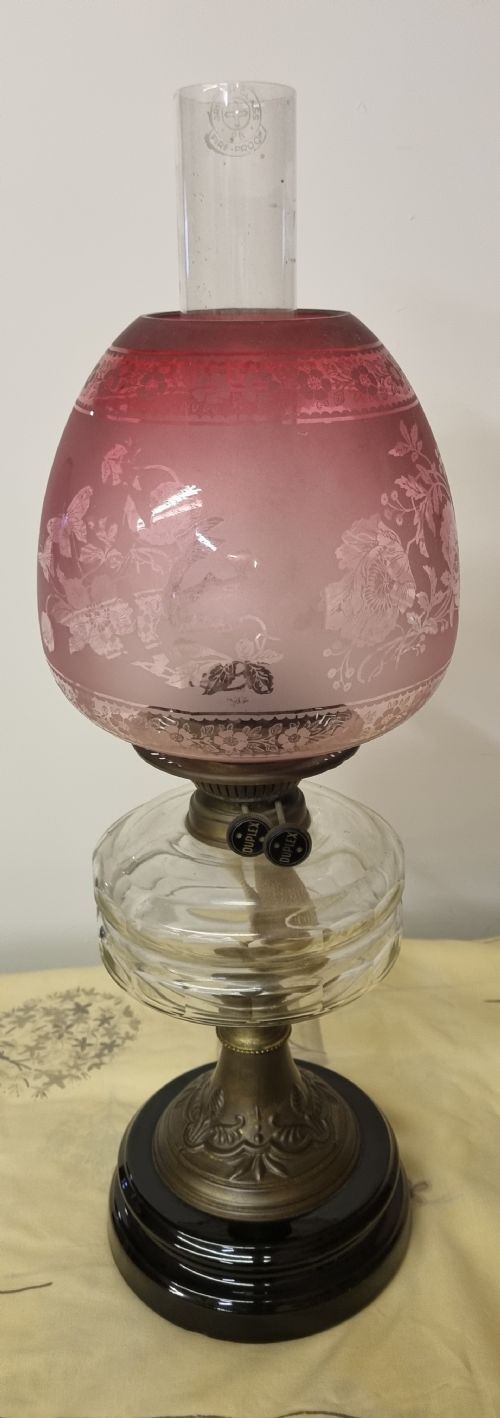
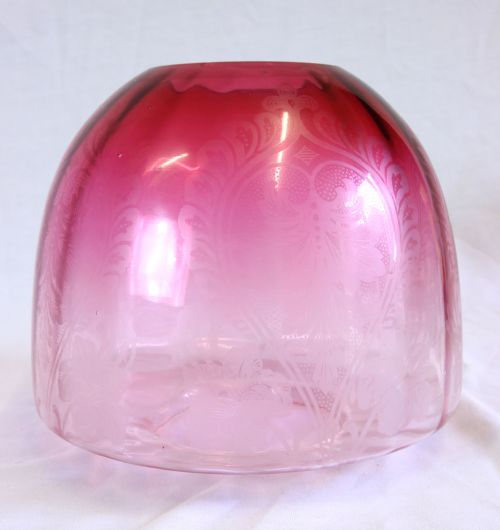
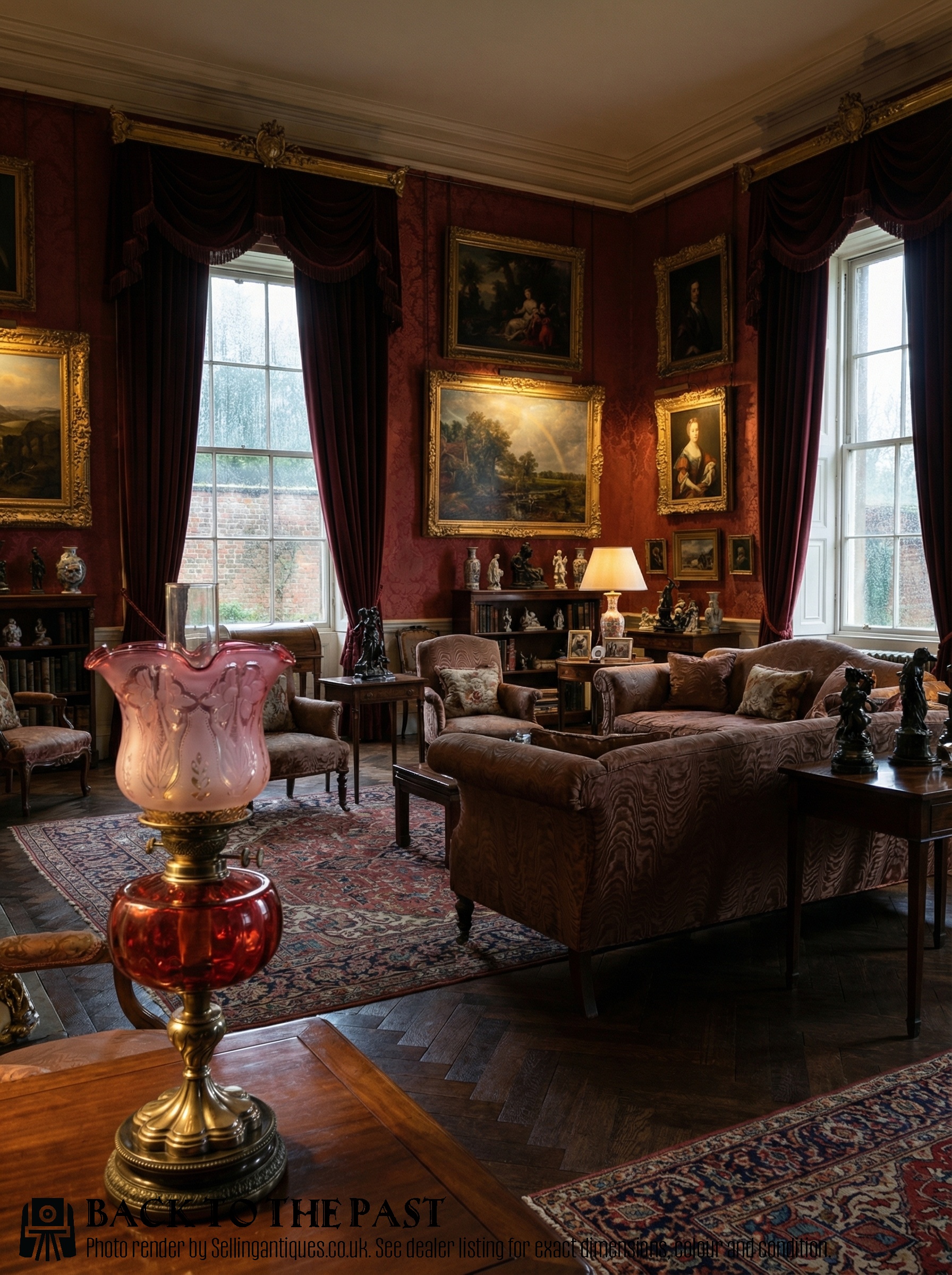
A pink etched glass lamp is primarily represented on this page by Victorian and Edwardian oil lamps, table lamps, and individual lamp shades. These pieces span the nineteenth and early twentieth centuries, capturing a period when domestic lighting relied on oil and paraffin before widespread electrification.
The most frequent examples combine brass or ceramic bases with coloured glass components, often featuring distinct cranberry or pink vessels and matching decorative shades. Forms range from column and telescopic designs to specialised desk lamps and ceiling lights.
Buyers seeking this phrase encounter both complete antique oil lamps and interchangeable glass shades, reflecting how these Victorian and Edwardian household objects survive today.
How they were made
The construction of these lamps relies on the combination of worked metal, fired ceramic, and blown or moulded glass. Brass forms structural columns, reservoirs, and bases, sometimes paired with porcelain or ceramic bodies.
Glass elements, particularly cranberry and clear glass, are shaped by blowing and cutting, then decorated using acid etching or hand painting. Manufacturers applied these techniques to both font vessels and frilled shades to achieve textured light diffusion.
Listings feature items from the Victorian and Edwardian periods, utilising brass, porcelain, and cranberry glass.
What varies in quality
Quality in these lamps rests on the crispness of the glass etching and the weight of the metal and porcelain mounts. Finer examples display deep, sharp surface carving on the glass shade alongside substantial brass or ceramic structural components.
Artistic execution also separates standard production from superior pieces, particularly where hand-painted details on the font or porcelain figure work are involved. The integration of elements like telescopic mechanisms or Corinthian column detailing indicates higher manufacturing ambition.
Hinks·Taylor Tunnicliff·Sitzendorf
The Pink Etched Glass Lamp Glossary
- Cranberry Glass
- A rich pink or red transparent glass coloured with gold chloride during production. It is characteristic of nineteenth-century decorative lighting.
- Etched Glass
- Glass decorated by applying acid to eat away exposed surfaces, creating frosted patterns against clear or coloured backgrounds.
- Font
- The oil reservoir of a lamp, usually positioned above the base and beneath the burner. In these pieces, fonts often feature pink or cranberry glass.
- Oil Lamp
- A domestic lighting device that burns liquid fuel via a wick. Many surviving examples have been adapted for modern table use.
- Telescopic Lamp
- A lamp with an adjustable height mechanism operating via a sliding central column. This allowed users to alter the elevation of the light source.
Pink Etched Glass Lamp: Frequently Asked Questions
Are these lamps safe to use today?
Most antique oil lamps require professional rewiring or conversion by a specialist before use with modern electricity. Buyers should consult an electrician to ensure compliance with current safety standards.
Original oil burners and reservoirs can alternatively be retained for display purposes without electrification.
How do I date a Victorian oil lamp?
Dating relies on examining the materials, burner mechanisms, and manufacturing marks stamped on the metal components. Victorian pieces often feature heavy brass casting, Corinthian column styles, or specific burner patents characteristic of the nineteenth century.
Changes in glass colours, such as the prevalence of cranberry glass during the Victorian era, also provide chronological clues.
Can I replace a broken glass shade?
Replacement shades can be sourced separately, as many antique shades survive independently from their original lamp bases. Matching the fitter size and glass hue, such as cranberry or pink tones, is essential for a balanced appearance.
Period shades often exhibit hand-etched or frilled edges that distinguish them from modern reproductions.