





Pink Enamel Jar
A pink enamel jar brings together the precision of sterling silver and the soft translucency of coloured vitreous glass.
Pink Enamel Jar
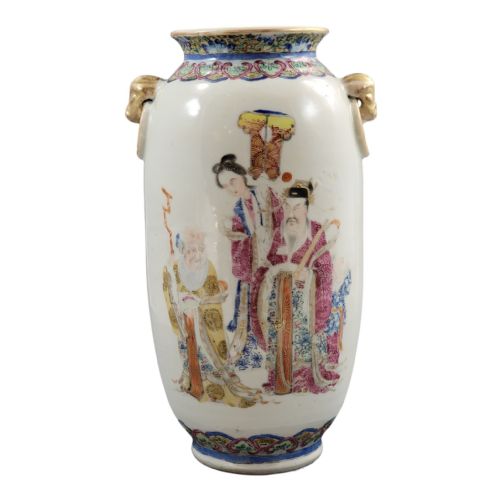
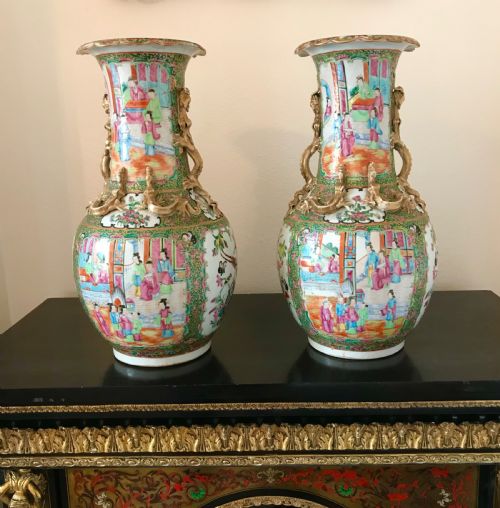
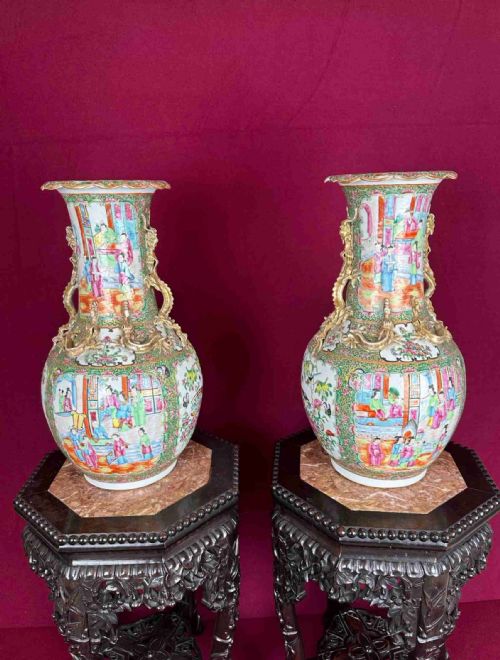
The materials span sterling silver mounts paired with glass, porcelain, and overglaze enamel. Pieces from the 1920s and 1930s frequently display engine-turned guilloche patterns beneath translucent pink enamel. Alongside these vanity jars, the category occasionally encompasses Chinese export porcelain such as Canton famille rose and rose medallion vases employing pink overglaze enamel pigments.
The most common examples on this page are British sterling silver dressing table jars bearing Birmingham hallmarks from the 1920s and 1930s. These items typically feature fitted silver lids with enamel insets designed to sit neatly among mirror and brush sets. Their survival in good condition depends upon careful handling of the delicate surface layers.
Methods of manufacture
Silversmiths formed the mounts and lids from sterling silver, often adding Birmingham assay office hallmarks to date the metal precisely. Glass bases were moulded or cut, providing a heavy, stable foundation for the lighter silver and enamel tops. Overglaze enamel or guilloche enamel was then applied to the metal surfaces through careful firing techniques.
Guilloche decoration involved machining geometric patterns into the silver base using a rose engine lathe before applying translucent pink enamel. This technique allowed light to pass through the coloured glass layer and reflect off the patterned metal underneath, creating depth. Porcelain variants, such as Chinese export pieces, relied on hand-painted overglaze pigments including rose pink applied directly to fired ceramic bodies.
Pink Enamel Jar Retail Price Guide 2026
Typical asking prices for pink enamel jar among the pieces listed under this phrase on Sellingantiques today, from the lower quarter to the upper quarter. They describe what is for sale here now, not the wider market.
Many vanity jars include a hidden mirror tucked right under the lid for discreet powder checks.
Distinctions in quality
Quality rests upon the crispness of the engine-turned guilloche engraving and the evenness of the pink enamel layer. Superior examples display a smooth, flawless enamel surface free from heavy scratching, chips, or discolouration. The weight and gauge of the sterling silver mount also indicate the standard of production.
In porcelain pieces, the finesse of the hand-painted famille rose motifs and the clarity of the overglaze pink enamel determine the standing of the work. Maker marks stamped into the sterling silver provide further context regarding the workshop standards of the period.
Henry Clifford Davis
The Pink Enamel Jar Glossary
- Guilloche
- An ornamental engraving technique where a mechanical lathe cuts precise geometric patterns into metal. This method creates a decorative background that shows through translucent enamel layers.
- Sterling silver
- An alloy consisting of silver and other metals, typically copper, standardly marked to indicate purity. It forms the structural caps and collars for many dressing table jars.
- Famille rose
- A major palette of Chinese ceramic overglaze enamels introduced in the Qing dynasty, distinguished by its opaque pink colour. The name derives from the dominant pink enamel derived from colloidal gold.
- Hallmark
- An official stamp applied to precious metals indicating the standard of purity, the assay office, and the year of production. Birmingham hallmarks frequently appear on British vanity pieces.
- Overglaze enamel
- A decorative technique where coloured glass fluxes are painted onto a previously fired ceramic or metal surface and heated again. This method allows for bright pink and multi-coloured pictorial designs.
Pink Enamel Jar: Frequently Asked Questions
What is a pink enamel jar used for?
These jars served primarily on dressing tables and vanity sets to hold cosmetics, pins, trinkets, or powder. Their lidded designs kept contents secure and protected from dust.
Over time, their role shifted from functional dressing table accessories to collectible display pieces appreciated for their craftsmanship and colour.
How do I date an enamel jar?
British silver jars rely on Birmingham assay office hallmarks stamped into the metal mounts, which supply exact years for pieces from the 1920s and 1930s. Style indicators like Art Deco geometric lines also help narrow down the period.
Pieces without silver mounts, such as nineteenth-century Chinese porcelain vases, require stylistic analysis of the famille rose pigments and reign marks to estimate their age.
Are guilloche enamel and standard enamel different?
Guilloche enamel involves applying translucent coloured glass over a mechanically engraved metal background that catches the light. Standard enamel is typically an opaque or transparent flat colour applied directly to a smooth surface without underlying engine-turning.
Both techniques require careful kiln firing, but guilloche produces a distinctive shimmering depth unique to decorated metalware.
How should I care for an antique enamel jar?
Enamel is a form of glass and remains vulnerable to sharp impacts, deep scratching, and harsh chemical cleaning agents. Gentle wiping with a soft, dry cloth preserves the polished surface and protects the delicate pink layers.
Silver mounts require occasional polishing with a dedicated cloth while taking care to avoid abrasive contact with the surrounding enamel.