


Pink Ceramic Display Dish
These pink ceramic display dish selections bring centuries of skilled kiln work and vibrant pigment into your home.
Pink Ceramic Display Dish
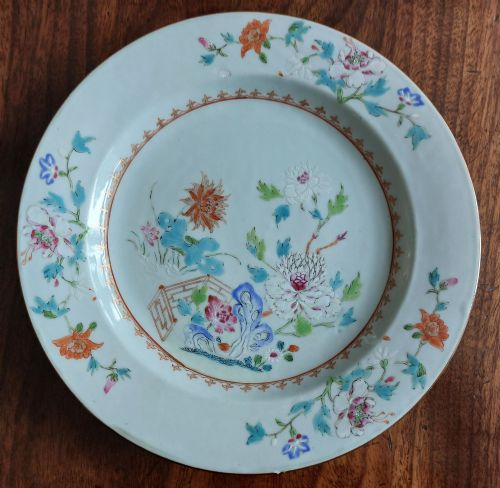
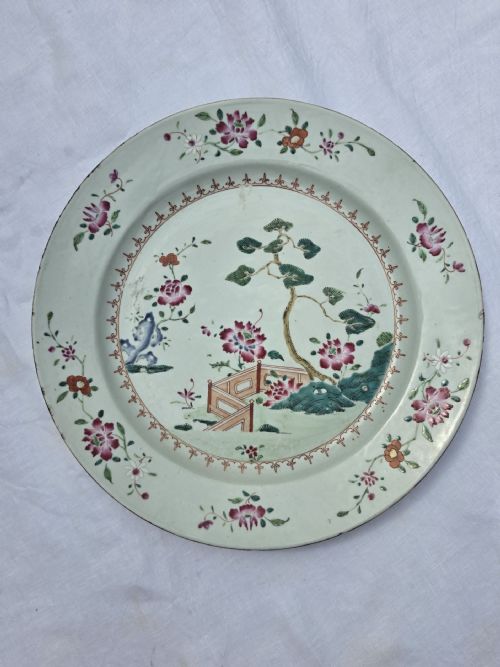
A pink ceramic display dish spans decorative plates, chargers, cabinet plates, and decorative bowls intended primarily for display rather than dining. The examples meeting this search phrase appear across periods such as the eighteenth century, Victorian era, Edwardian period, and nineteen-thirties.
The forms originate from diverse workshops, ranging from Chinese export wares and Japanese Kutani or Canton pieces to European makers including Minton, Wedgwood, Furstenberg, Crown Ducal, and the Kornilov Brothers. These items showcase distinct cultural aesthetics, from hand-painted floral medallions to tubelined geometric patterns.
Buyers encounter everything from large charger plates exceeding forty centimetres down to cabinet plates designed for wall hanging or plate stands. The variety covers Chinese export porcelain, hard-paste porcelain, and earthenware bodies carrying rich enamel glazes.
Materials and methods
Potters shaped these pieces from hard-paste porcelain and refined ceramic bodies, applying coloured enamel glazes to create the characteristic pink grounds and palette highlights. Artisans frequently integrated gold leaf and gilt detailing over the fired glaze to accent borders and central motifs.
Decoration relied on meticulous hand-painting, visible in intricate Chinese famille rose scenes, Japanese Kutani compositions, and Russian Imperial designs. Certain twentieth-century pieces introduced tubelined enamel outlines to contain the vibrant pigment pools before kiln firing.
Listings span the eighteenth century through the nineteen-thirties, featuring porcelain, enamel glazes, and gold leaf.
Assessing quality and execution
The standard of a pink ceramic display dish rests upon the precision of the hand-painted brushwork and the complexity of the enamel palette. Superior examples display crisp definition in multi-coloured floral panels and figures without blurring or pooling in the glaze.
The integration of precious materials such as gold leaf and heavy gilding elevates certain pieces above standard production wares. Furthermore, the crispness of moulded edges and the historical significance of documented makers separate exceptional cabinet pieces from routine decorative items.
Furstenberg·Wedgwood·Crown Ducal·Kornilov Brothers·Minton
The Pink Ceramic Display Dish Glossary
- Charger
- A large ornamental plate traditionally used for ceremonial display rather than serving food. These pieces often feature the most elaborate hand-painted surface decoration.
- Famille rose
- A prominent palette of Chinese porcelain enamels dominated by opaque pink or rose colours derived from colloidal gold. Introduced in the eighteenth century, this style allowed for nuanced shading of floral and figural subjects.
- Tubelined
- A ceramic decoration technique where liquid clay is piped through a nozzle onto the surface to form raised outlines around design compartments. These raised lines are subsequently filled with coloured glazes before firing.
- Hard-paste porcelain
- A true ceramic paste composed of kaolin and petuntse fired at very high temperatures. It yields a dense, vitrified body that resists scratching and supports bright enamel decoration.
Pink Ceramic Display Dish: Frequently Asked Questions
What is a pink ceramic display dish?
A pink ceramic display dish is an ornamental plate, charger, or bowl featuring pink enamel glazes, created for visual appreciation rather than daily utility.
These decorative pieces span multiple centuries and global traditions, offering intricate hand-painted imagery and skilled kiln craftsmanship.
How were these dishes used historically?
Historically, these large plates and chargers served as prominent decorative accents on sideboards, walls, or tables in wealthy interiors.
They demonstrated the owner's taste and afforded households an opportunity to display fine imported porcelain and contemporary ceramic art.
How do I display a ceramic charger safely?
Displaying a large plate requires a sturdy wall-mounting bracket designed for heavy ceramics or a stable, deep-grooved display stand.
Ensure the mounting hardware supports the specific weight and diameter of the individual charger to prevent accidental slips.
How can I tell different periods apart?
Distinguishing periods involves examining the ceramic body, the formulation of the enamel colours, and the application style of any gilding. Eighteenth-century export pieces show distinct paste characteristics compared to Victorian or Art Deco tubelined ceramics.