
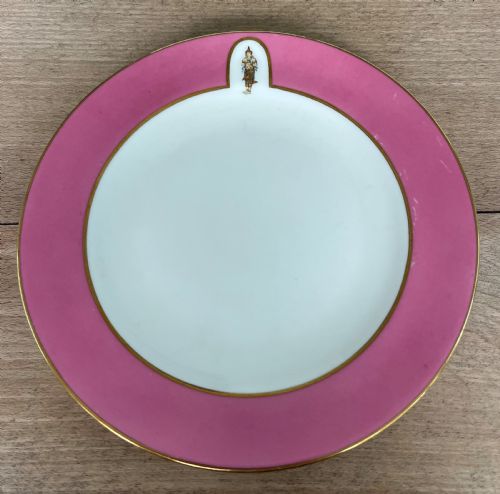


Pink Ceramic Cabinet Plate
A pink ceramic cabinet plate brings rich colour and fine porcelain to a room, offering both historic craftsmanship and striking display presence.
Pink Ceramic Cabinet Plate
A pink ceramic cabinet plate is primarily a decorative object or dessert dish designed for display rather than everyday dining. These pieces span several eras, including the 18th century, Regency, Victorian, and Edwardian periods.
The selections on this page include porcelain and enamel works representing styles such as Rococo, Neoclassical, and Qing Dynasty. Forms range from standard decorative plates and chargers to dessert plates and serving dishes.
Buyers will encounter items originating from European factories and Chinese kilns alike. The pink ground colour often forms the canvas for hand-painted landscapes, armorial crests, and classical scenes.
How they were made
The physical foundation of these items is hard-paste or soft-paste porcelain, finished with a smooth glaze. Artisans applied coloured enamel grounds, such as pink, directly onto the ceramic body before firing.
Decoration frequently incorporated gold leaf and meticulous gilding to highlight borders and central motifs. Hand-painting techniques brought landscapes, portraits, and intricate patterns to life upon the ceramic surface.
Specialised methods like pate-sur-pate allowed makers to build up raised white porcelain reliefs against the pink ground. Jewel-like enamel details and pearl-effect embellishments further enriched the finished surface.
Materials recorded across the inventory include enamel, gold leaf, and traditional glaze.
What varies in quality
The distinction between ordinary and exceptional pieces lies in the execution of the painting and the precision of the gilding. Master artists created hand-painted landscapes and historical scenes with remarkable depth and fine brushwork.
The quality of the porcelain body and the richness of the enamel ground also determine desirability. Pink grounds achieved through skilled firing display an even, stable tone without mottling or cloudiness.
Association with distinguished factories or specific royal commissions elevates a piece's standing. Provenance relating to notable makers or historical courts indicates a higher tier of ceramic production.
Cauldon Ltd·Furstenberg·Kornilov Brothers·Minton·Chamberlain Worcester·Barr Flight And Barr
The Pink Ceramic Cabinet Plate Glossary
- Cabinet plate
- A decorative ceramic plate intended for display in a cabinet or on a wall rather than for practical table use. These pieces often feature elaborate painted scenes and gilding.
- Gilding
- The application of gold leaf or gold powder to ceramic surfaces for ornamentation. It defines borders, highlights motifs, and adds reflective brilliance.
- Pate-sur-pate
- A ceramic decoration technique where liquid porcelain slip is built up in successive layers to create a low relief design. This technique produces a cameo-like effect against a coloured ground.
- Armorial
- A design featuring a coat of arms or heraldic crest painted onto the ceramic body. Such plates were often commissioned by noble families.
- Charger
- A large decorative plate or dish used primarily for ceremonial purposes or grand display. They dwarf standard dinner plates in diameter.
Pink Ceramic Cabinet Plate: Frequently Asked Questions
How were cabinet plates displayed historically?
Cabinet plates were typically shown off in formal dining rooms or drawing rooms. Wealthy households placed them on specialised stands or hung them on walls to showcase their artistic taste and social standing.
Unlike everyday crockery, these items remained out of reach of regular dining use. They served as conversation pieces that highlighted fine porcelain manufacture from leading European and Asian kilns.
Can I use these plates for serving food?
Using antique cabinet plates for serving food is generally discouraged due to their age and delicate decoration. Historic enamels, gilding, and delicate porcelain bodies can suffer permanent damage from cutlery and modern dishwashing.
Instead, these pieces are best preserved for visual appreciation. Displaying them safely ensures the hand-painted surfaces and gold leaf remain intact for future generations.
How do I identify the period of a pink plate?
Dating a ceramic plate involves examining factory marks stamped or painted on the reverse. Stylistic clues, such as Neoclassical motifs or Victorian jewel-work, also provide strong indications of the era of manufacture.
Manufacturing techniques and the composition of the porcelain body offer further evidence. Comparing a piece's characteristics with known factory output helps narrow down its decade of creation.
What is a pink ground ceramic?
A pink ground ceramic is a piece where the base colour of the porcelain has been coated in a pink enamel or glaze. This vibrant backdrop often covers the rim while leaving the centre free for a painted landscape or portrait.
Potters mastered various chemical formulas to achieve stable pink hues across different centuries. This distinctive background colour became particularly popular for dessert services and cabinet displays.