

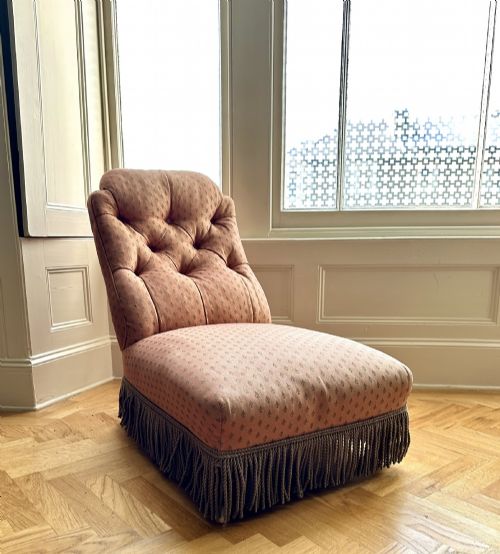


Pink Button Back Chair
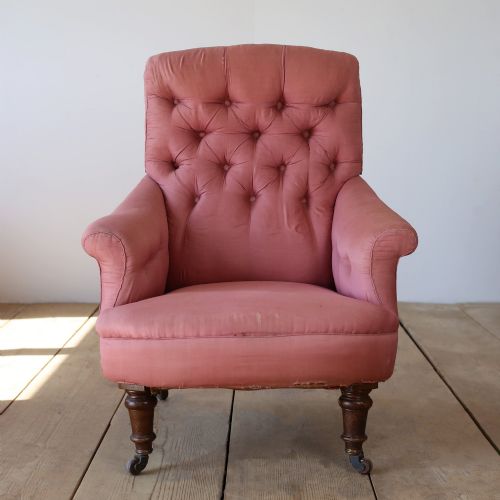
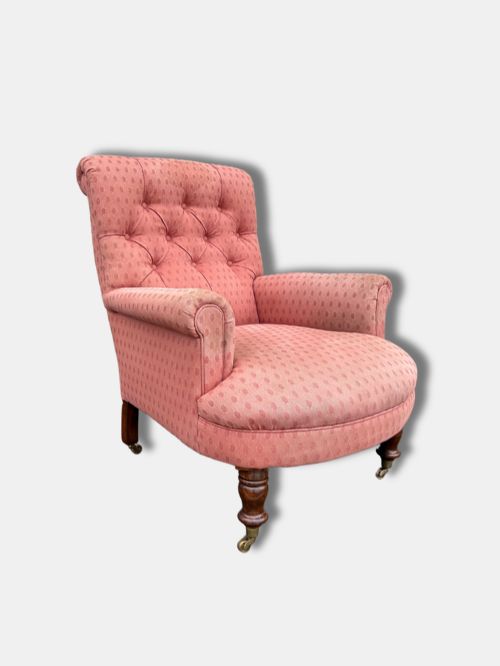
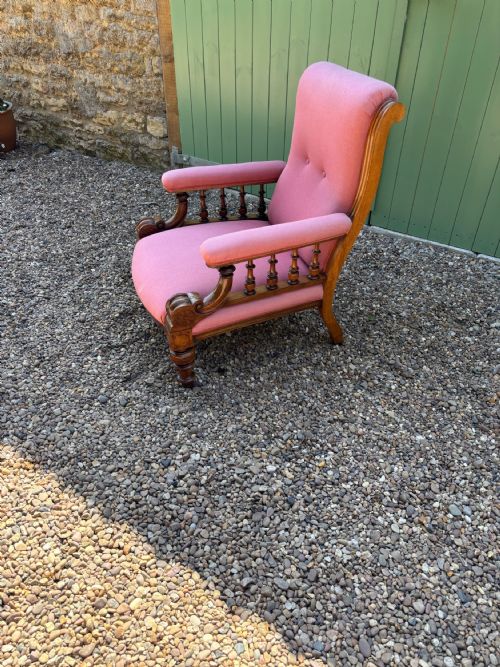
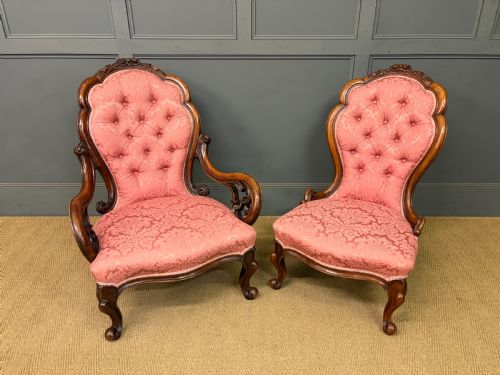
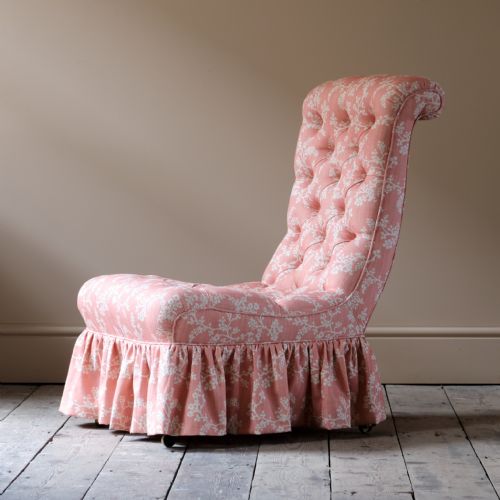
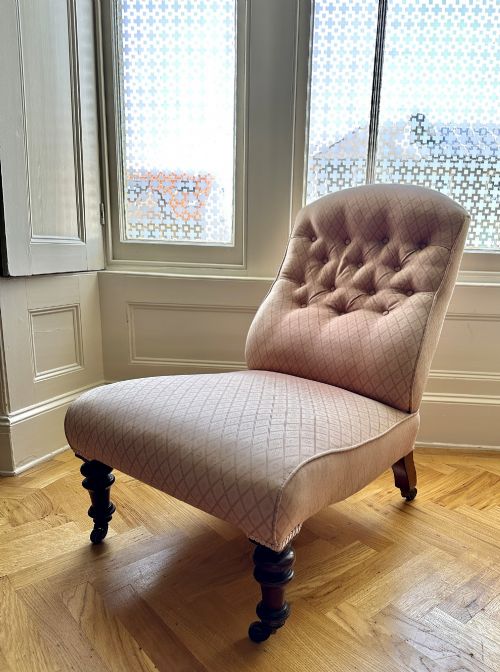
A pink button back chair brings tactile warmth and period form to a room, offering deep tufted comfort rooted in nineteenth-century design.
Pink Button Back Chair
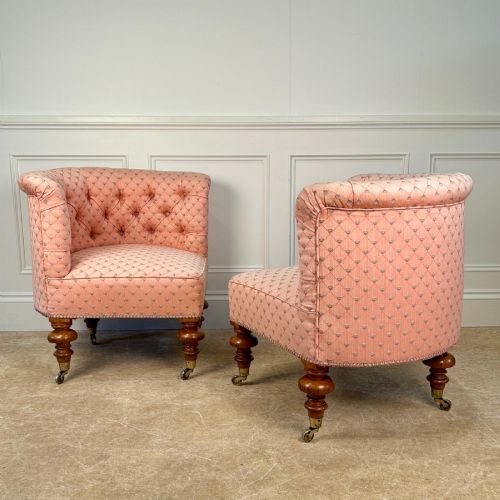
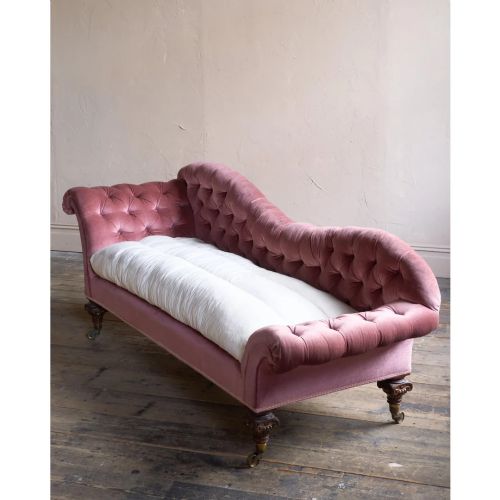
A pink button back chair encompasses low-slung nursing chairs, carved walnut armchairs, and compact slipper chairs originating predominantly from the Victorian and Edwardian eras. Buyers searching for a pink button back chair encounter nineteenth-century seating upholstered in velvet, fabric, and textile ranging from dusky rose to coral tones.
The selection on this page leans heavily toward Victorian walnut and mahogany frames, featuring traditional button tufting across the backrest. These pieces often serve as accent seating in bedrooms and drawing rooms, combining practical low proportions with decorative carved wooden frameworks.
Materials and construction methods
Cabinetmakers utilised dense hardwoods such as walnut and mahogany to build the structural frames, frequently embellishing them with hand-carving and supported by brass castors or ceramic wheels. The internal upholstery relied on traditional stuffing methods secured with deep buttoning to create the characteristic geometric tufted pattern.
Textiles like velvet and woven fabric form the outer covering, fixed tightly to the wooden frames with careful hand-tacking along the borders. Iron and brass internal framing occasionally appears in specialised library and armchair constructions from the mid-nineteenth century onwards.
Listings feature nineteenth-century and Edwardian pieces constructed from walnut, mahogany, and oak, upholstered in velvet and textile.
Factors determining quality
The sophistication of the timber carving and the integrity of the structural joinery set the foundational standard for each piece. Superior examples display crisp, hand-carved walnut details and robust frames that remain rigid without movement at the joints.
The execution of the upholstery work, including the symmetry of the button tufting and the quality of the velvet or textile covering, dictates the visual refinement. Original frames retaining their foundational webbing and springs command greater appreciation among collectors.
Gillows·Holland and Sons·Howard and Sons
The Pink Button Back Chair Glossary
- Button back
- An upholstery technique where twine pulls the fabric deep into the stuffing and secures it with fabric-covered buttons, forming a diamond pattern. This method provides structural tension and distinct visual depth to the backrest.
- Nursing chair
- A low-seated Victorian chair designed originally for feeding infants or personal grooming. Their compact proportions make them versatile accent seating in modern interiors.
- Slipper chair
- An upholstered chair with low legs, traditionally placed in bedrooms for changing shoes. They feature padded backs and lack armrests for ease of movement.
- Fauteuil
- An open-framed armchair with upholstered back and armrests, originating from French decorative traditions. They showcase exposed wooden arms and refined stylistic flourishes.
Pink Button Back Chair: Frequently Asked Questions
What rooms suit a pink button back chair best?
These chairs fit well in bedrooms, dressing rooms, and quiet corners of living spaces where their compact scale and soft upholstery add texture. Their low profiles make them practical companion seating next to dressing tables or low fireplaces.
Because many examples originate from the Victorian period, they pair naturally with traditional interiors while adding a distinct splash of colour to contemporary spaces.
How do I date a Victorian button back chair?
Dating relies on examining the timber species, turning styles on the legs, and the construction methods used in the frame. Walnut frames with hand-carved balloon backs typically point toward the mid to late nineteenth century.
Later Edwardian versions often feature lighter wood framing and slightly more upright proportions, reflecting changing domestic fashions at the turn of the twentieth century.
Are these chairs comfortable for daily use?
Most antique iterations offer supportive upright seating due to the tight tension of the buttoned upholstery and firm interior stuffing. Slipper and nursing chairs sit lower to the floor, which creates a relaxed posture rather than a deep lounging experience.
Modern buyers often place them as accent pieces where comfort meets decorative impact in reception rooms or studies.
What is the difference between a nursing chair and a slipper chair?
Nursing chairs traditionally feature a slightly taller upholstered back combined with a very low seat to assist women with Victorian garments. Slipper chairs generally dispense with armrests entirely to allow unrestricted freedom of movement.
Both forms share compact footprints and nineteenth-century origins, making them interchangeable as occasional bedroom seating today.