

Pine Wooden Wardrobe
Pine wooden wardrobe pieces bring robust country character and generous storage to a bedroom through sensible timber construction.
Pine Wooden Wardrobe
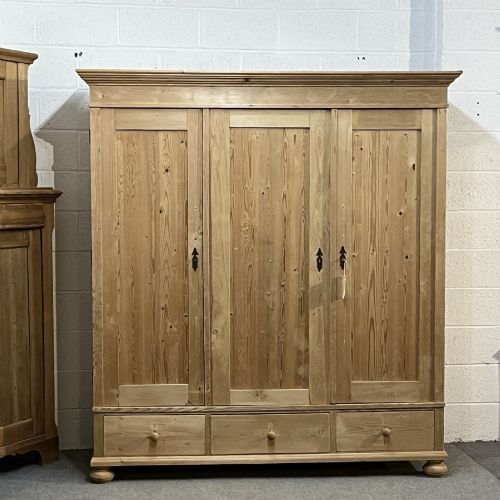
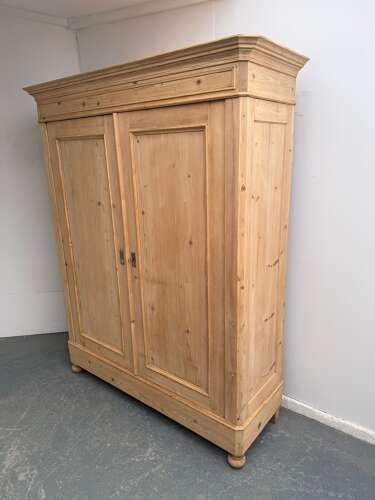
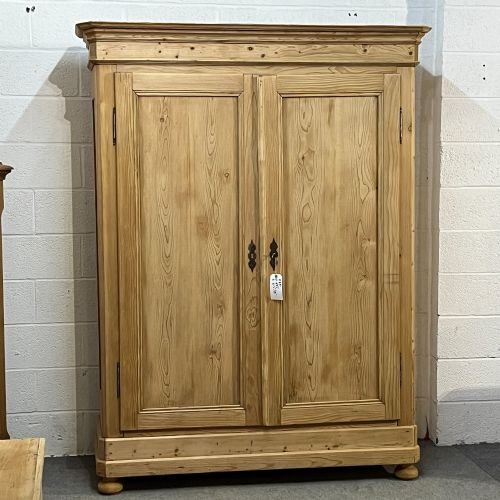
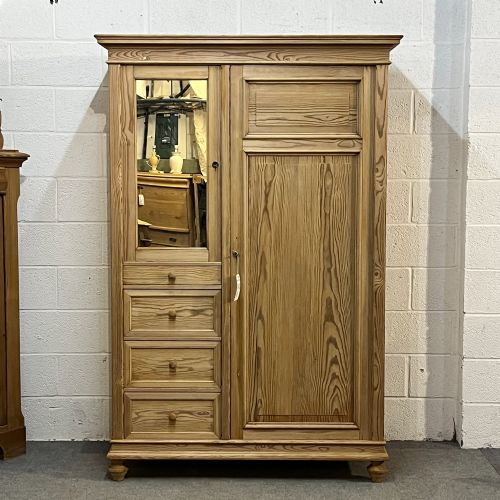
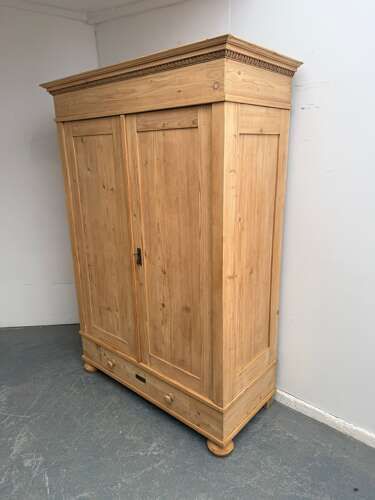
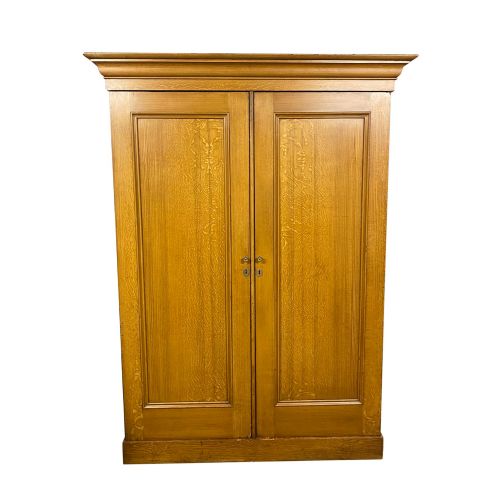
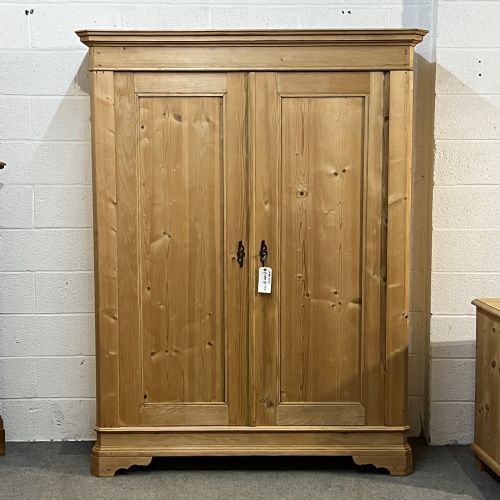
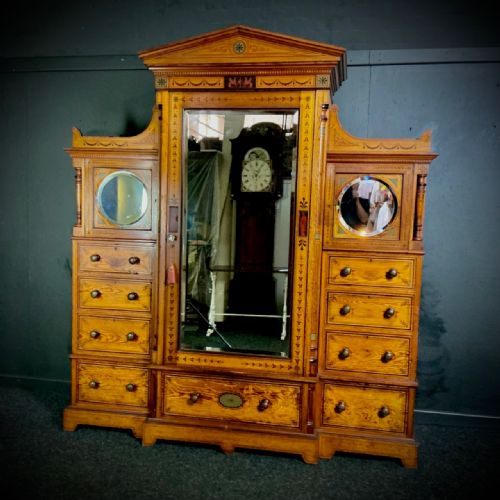
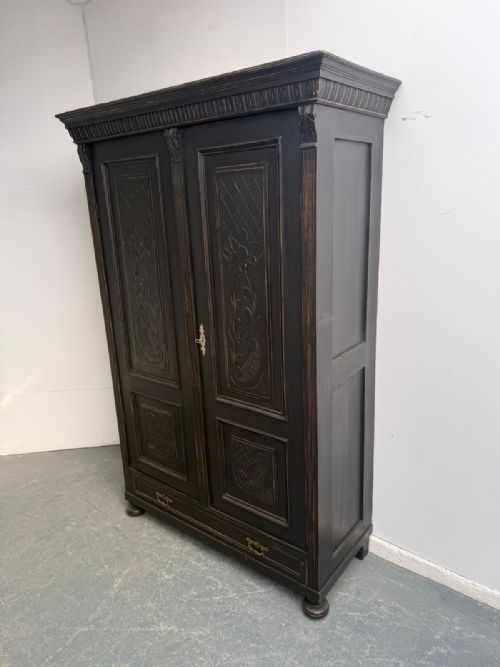
A pine wooden wardrobe is a substantial storage piece built primarily from softwood timber, often taking the form of a large double or single cabinet designed for hanging garments. Buyers searching for a pine wooden wardrobe will frequently encounter nineteenth-century examples, including Victorian pieces and vernacular items from various European regions.
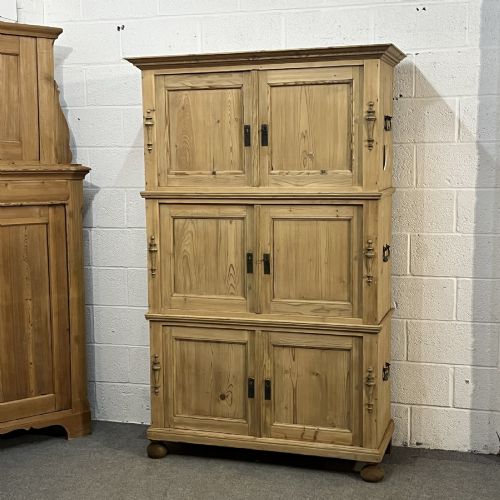
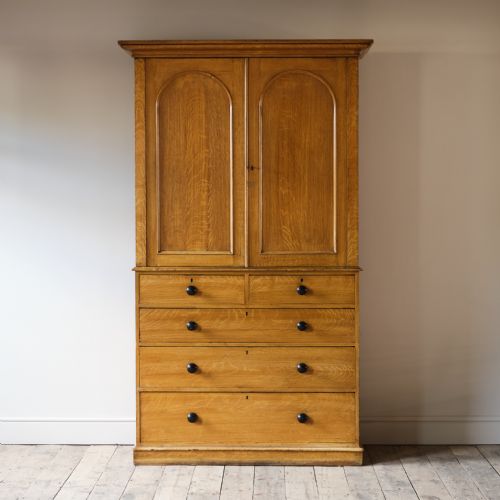
The selection ranges from tall knockdown wardrobes that disassemble for transport to compactum variants fitted with internal drawers. Alongside standard wardrobes, listings frequently include linen presses, housekeeper cupboards, and painted marriage cabinets sharing the same timber foundation.
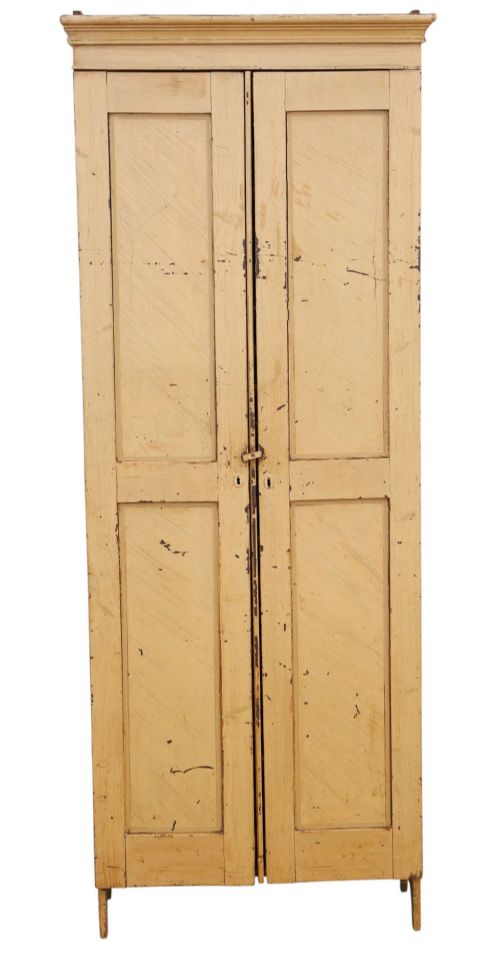
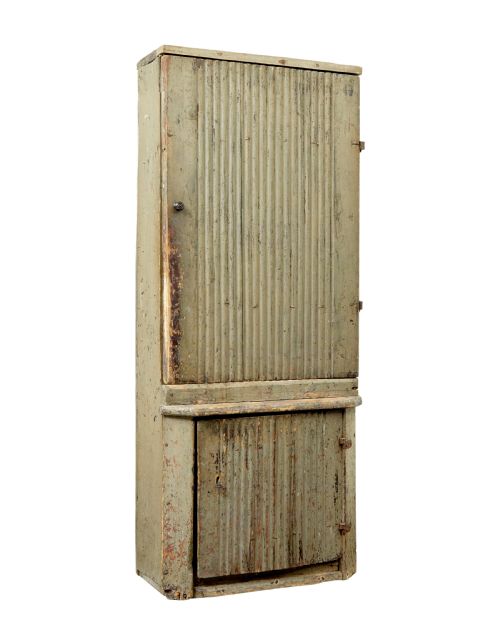
Regional variations appear across the inventory, spanning English country styles, French provincial models, Scandinavian country pieces, and Hungarian hall wardrobes. Many arrive ready for waxing or painting, while others retain historic paintwork, scumble glazes, or original metal hardware.
How They Were Made
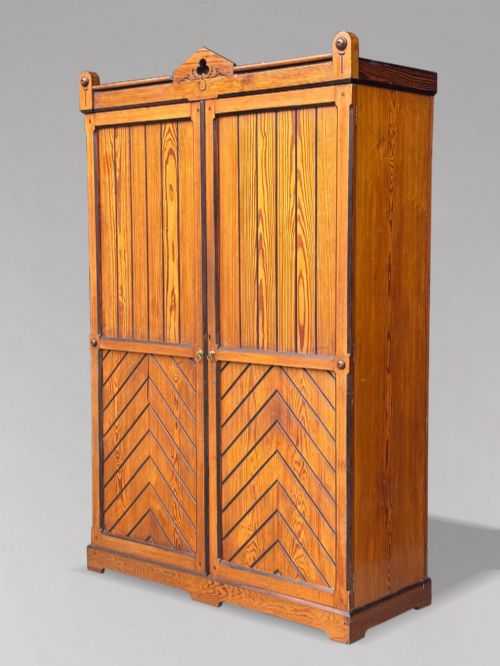
These items rely on solid pine planks, frequently augmented by pitch pine for added durability in framing and structural elements. Cabinet makers employed traditional joinery techniques such as panelled doors, pegged joints, and dovetailed drawers to ensure stability in soft timber.
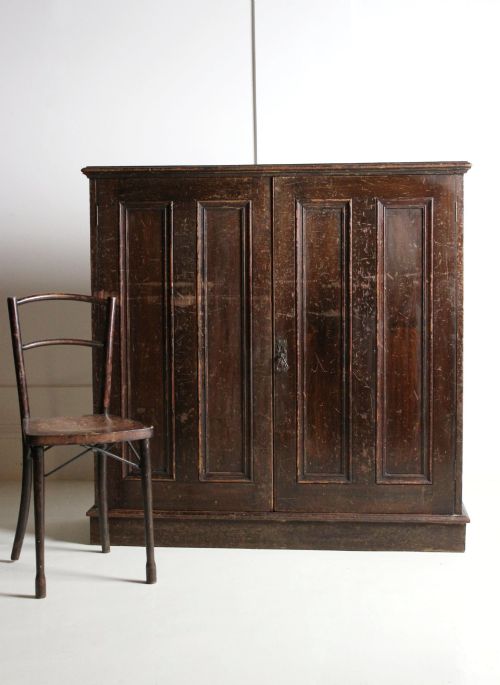
Surface treatments vary widely from natural wax finishes to decorative paintwork, including scumble graining designed to imitate harder woods like oak. Iron and brass fittings, from hinges to key escutcheons, secure the doors and drawers while adding functional detail.
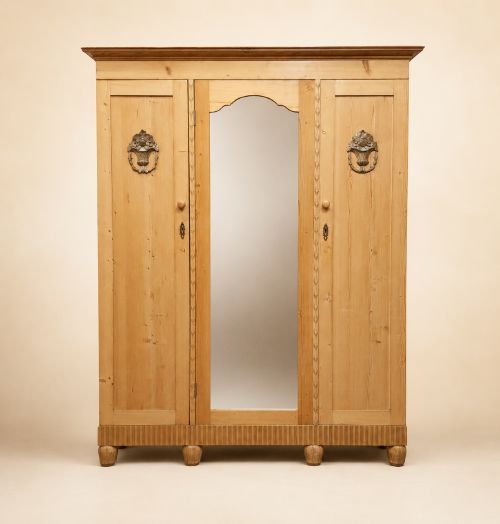
Many larger formats utilised knockdown construction, allowing the carcase to separate into panels and cornices for easier movement through domestic spaces. Carved details and applied mouldings appear on Arts and Crafts and Art Nouveau examples, showing craftsmanship beyond plain utility.
Pine Wooden Wardrobe Retail Price Guide 2026
Typical asking prices for pine wooden wardrobe among the pieces listed under this phrase on Sellingantiques today, from the lower quarter to the upper quarter. They describe what is for sale here now, not the wider market.
Listings span periods from the eighteenth century through the 1930s, featuring materials like pitch pine, iron, brass, and painted wood.
What Varies in Quality
The distinction between standard utility storage and finer examples rests on timber selection, such as the use of dense pitch pine versus ordinary softwood. Superior pieces exhibit crisp joinery, well-balanced proportions, and sophisticated hardware that has survived intact through generations.
Surface preservation significantly influences the standing of a piece, separating items with original paint finishes or scumble work from those stripped down indiscriminately. The integrity of the original carcase construction, including unmodified internal shelving and functioning knockdown mechanisms, marks the better specimens.
The Pine Wooden Wardrobe Glossary
- Compactum
- A wardrobe combining hanging space with internal drawers, shelves, or compartment storage. This multi-purpose design became popular during the nineteenth and early twentieth centuries.
- Scumble
- A translucent layer of darker paint dragged or textured over a lighter base colour to simulate the grain of oak or other hardwoods. It was frequently applied to pine during the nineteenth century.
- Knockdown
- A piece of furniture engineered to dismantle into separate panels, cornices, and bases without permanent damage. This design aided transport through narrow staircases in historic homes.
- Linen Press
- A tall cabinet featuring sliding trays or shelves in the upper section for folded textiles, paired with hanging space or drawers below. They served as primary storage for household linens before fitted closets.
- Pitch Pine
- A durable resinous softwood derived from pine species native to North America, prized for its strength and distinct grain pattern. It appears frequently in robust Victorian furniture.
Pine Wooden Wardrobe: Frequently Asked Questions
What is a knockdown wardrobe?
A knockdown wardrobe is built to be dismantled into flat sections, including sides, top, base, and doors, held together with wooden pins or internal bolts. This clever engineering allowed large pieces of furniture to be transported easily between rooms and properties.
Buyers often find these pieces retain their original assembly wedges or bolts. They offer practical flexibility for modern homes with narrow hallways or stairs.
How do I care for antique pine furniture?
Antique pine responds best to natural beeswax applied sparingly and buffed with a soft cloth to nourish the timber. Avoid placing these pieces in direct sunlight or near heat sources to prevent the softwood from drying out and splitting.
Unwaxed or painted surfaces require gentle dusting with a dry cloth rather than liquid cleaners. Keeping a stable room temperature preserves both the timber and any historic paint layers.
What is a compactum wardrobe?
A compactum is a specialised multi-functional wardrobe that combines a hanging cupboard with banks of internal drawers and linen shelves. This format maximised bedroom storage efficiency within a single footprint during the Victorian and Edwardian eras.
These pieces often feature mirrored doors and clever compartmentalisation. They suit modern bedrooms where space is at a premium.
How do I identify pitch pine?
Pitch pine is distinguished by a heavy resin content, a reddish-brown hue, and a pronounced, contrasting grain pattern. It feels notably heavier and harder than standard white or yellow pine.
Cabinet makers utilised pitch pine for high-stress components and quality Victorian pieces. Its natural resilience helped prevent warping in large wardrobe doors.
Should I paint or wax my pine wardrobe?
Deciding whether to paint or wax depends entirely on the current surface finish and whether the piece retains historic paint. Items sold ready to wax or paint allow customisation to match your interior colour scheme.
Wardrobes with original scumble glazes, folk art decoration, or historic paintwork should be preserved rather than stripped. Unfinished or modern stripped pine benefits from traditional clear wax to protect the raw timber.