

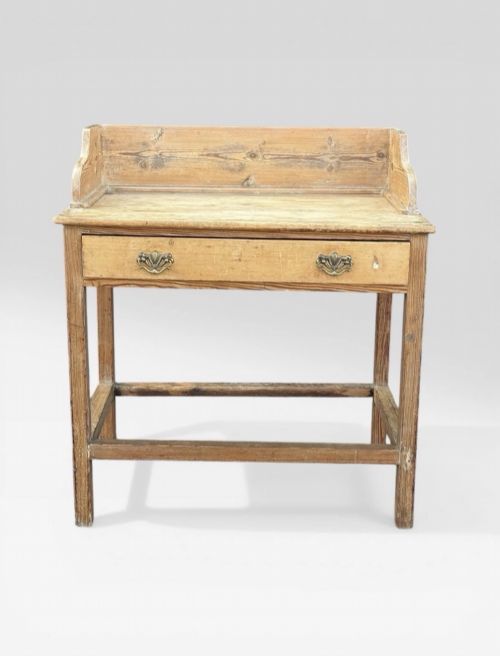

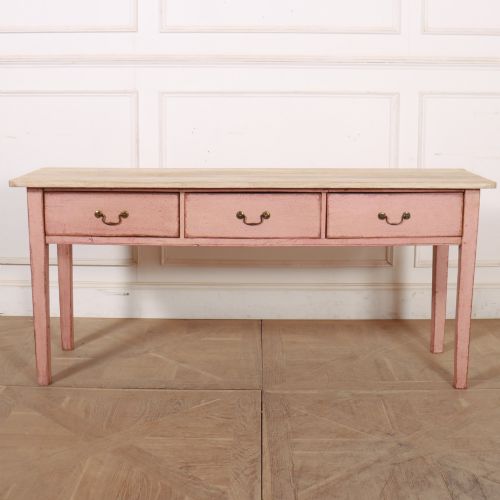
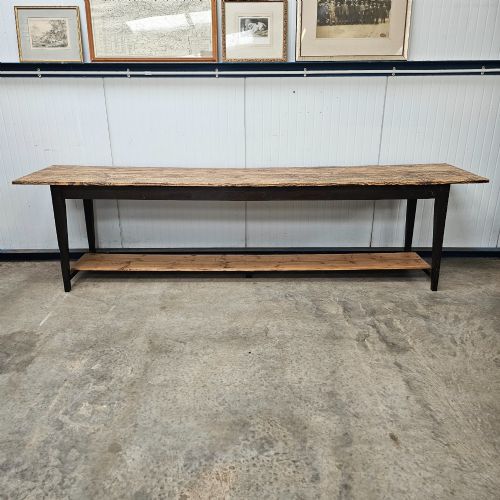
Pine Top Side Table
These pine top side table pieces bring practical utility and honest country character to a room.
Pine Top Side Table
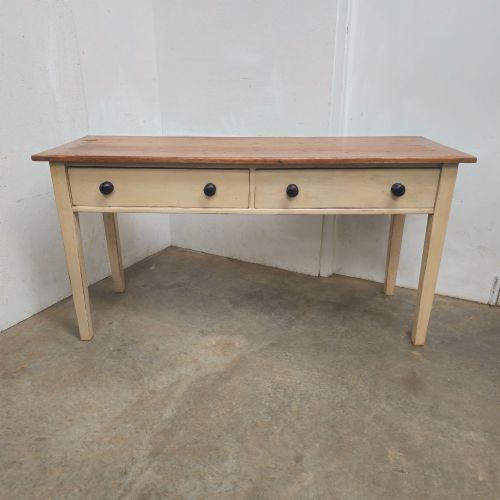
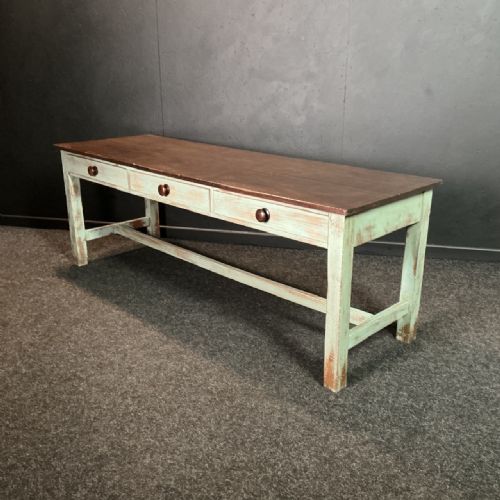
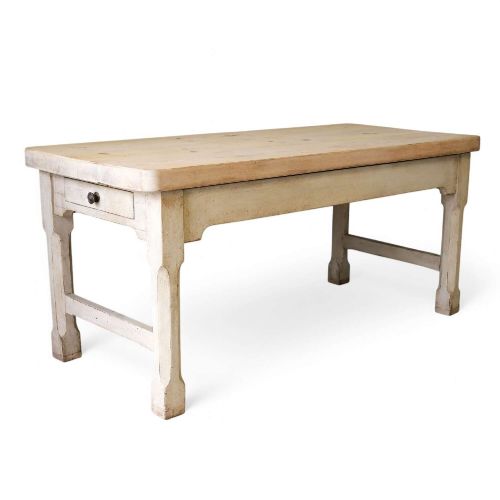
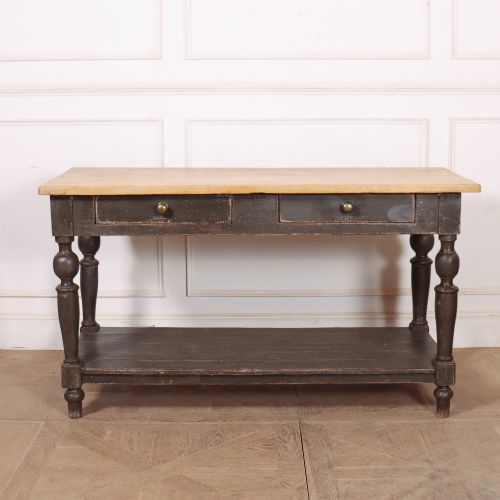
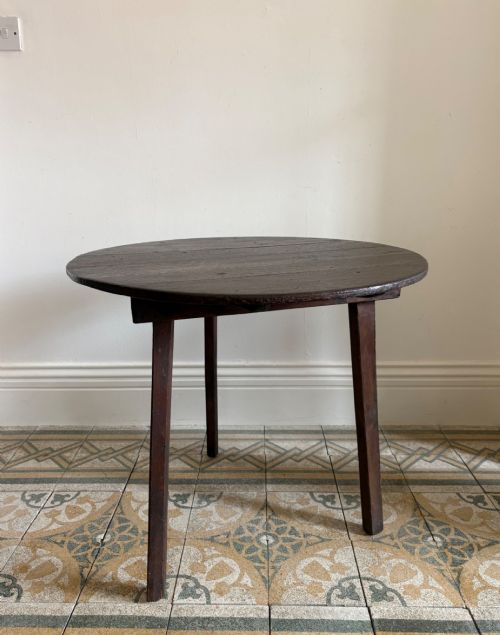
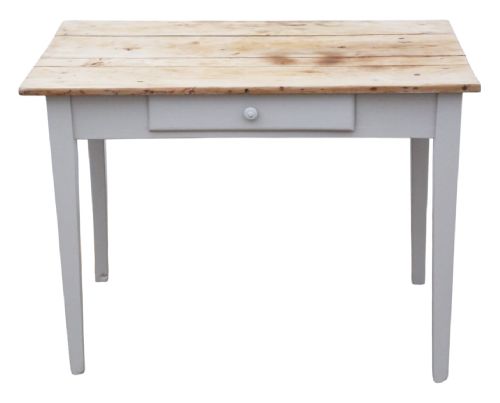
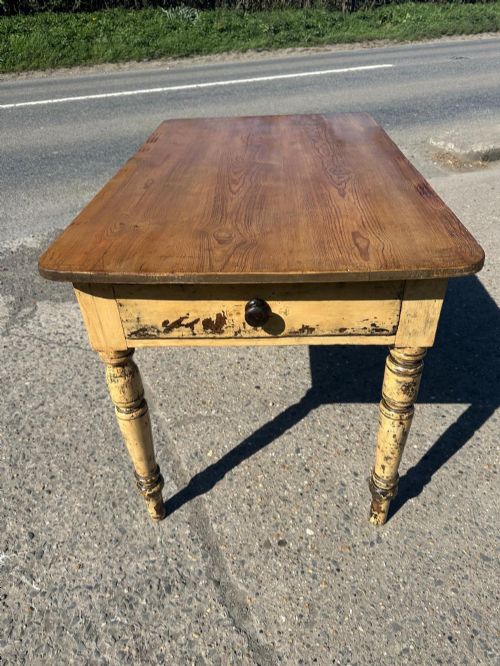
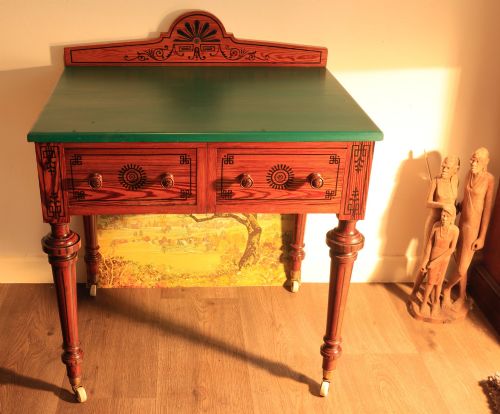
When you search for a pine top side table, you encounter practical utilitarian furniture designed for everyday domestic use. The pieces listed here span the nineteenth century, the Victorian era, and the Edwardian period, incorporating styles such as Victorian Country, French Country, and Rustic Farmhouse. Most examples take the form of side tables, washstands, and occasional tables, often featuring scrubbed or bleached wooden tops combined with painted or timber bases.
Originating from various regions including England, France, Wales, Scotland, Hungary, and Sweden, these items serve as versatile additions to modern interiors. You find smaller occasional pieces alongside larger tavern and cricket tables, reflecting the diverse domestic and commercial environments from which they emerge.
How they were made
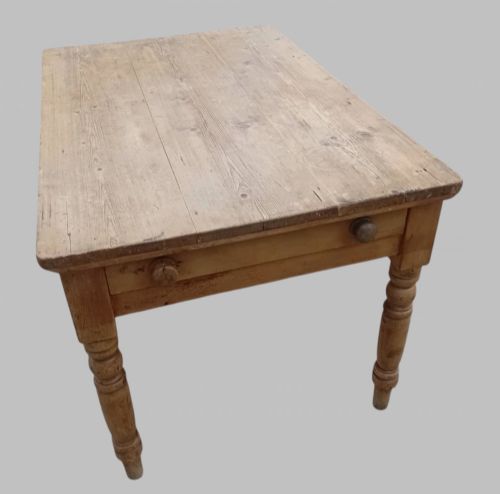
Makers constructed these pieces using pine for the primary surfaces and structural elements, frequently pairing it with oak, elm, or cast iron for added strength. Timber surfaces were often scrubbed bare, bleached, or left with plain grain finishes, while bases received coats of paint or retained original coloured finishes.
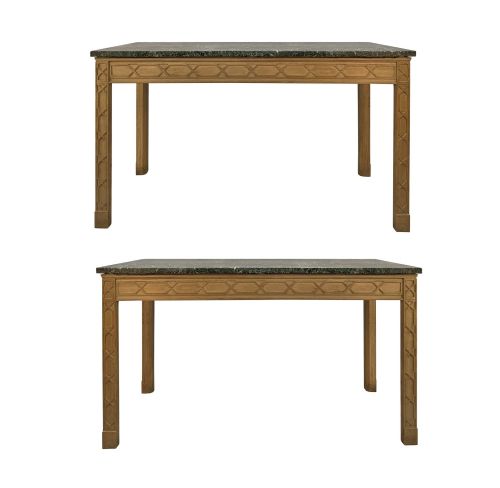
Construction techniques combine traditional joinery with functional hardware such as brass fittings. Certain items incorporate marble tops or feature painted faux marble surfaces, demonstrating the adaptation of accessible materials for domestic utility.
Pine Top Side Table Retail Price Guide 2026
Typical asking prices for pine top side table among the pieces listed under this phrase on Sellingantiques today, from the lower quarter to the upper quarter. They describe what is for sale here now, not the wider market.
Several tables show scars from earnest pastry rolling and hurried tavern suppers.
What varies in quality
Quality in these pieces rests upon the integrity of the timber and the preservation of original finishes. Examples retaining their original paintwork or grain finish stand apart from those with later repainting, holding closer ties to their period of origin.
The harmony between the pine top and the supporting base, whether turned legs, cast iron, or trestle supports, defines the overall proportion and stability of each piece.
The Pine Top Side Table Glossary
- Cricket table
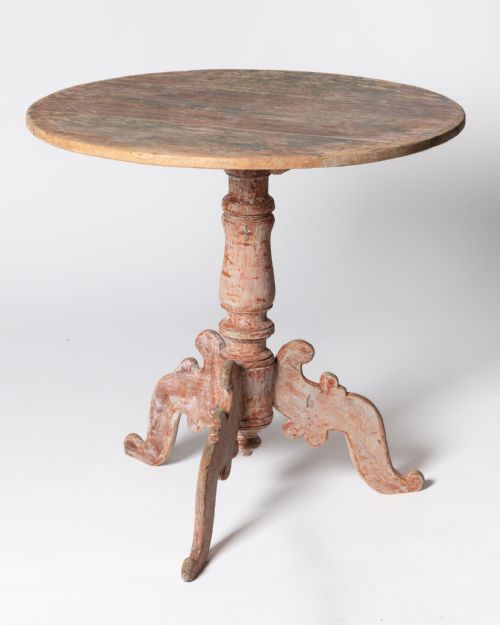
- A small round table traditionally supported on three splayed legs. This design provided stability on uneven cottage floors.
- Scrub-top
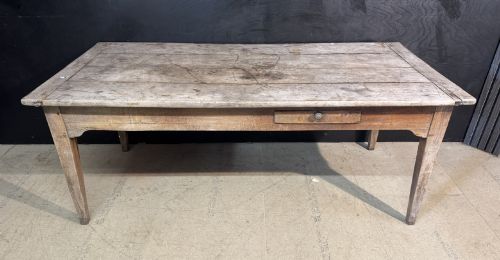
- A wooden tabletop cleaned repeatedly with water and a stiff brush. This process creates a pale, weathered texture.
- Washstand
- A piece of furniture designed to hold a basin and pitcher for personal washing. Many include marble tops or splashbacks to protect surrounding walls.
- Tavern table
- A robust table built for commercial public house use. These typically feature heavy timber frames designed to withstand constant handling.
- Trestle table
- A table comprising horizontal beams supported by vertical bracing feet. This construction allows maximum legroom along the length of the top.
Pine Top Side Table: Frequently Asked Questions
Where did these tables originate?
The pieces originate from domestic and rural workshops across Britain and continental Europe, including England, Wales, Scotland, France, Sweden, and Hungary. Makers built them for everyday tasks in farmhouses, town houses, and taverns.
Regional differences appear in the choice of supporting woods and paint colours, reflecting local materials and domestic traditions of the nineteenth and early twentieth centuries.
How do I use a washstand today?
Originally built to hold washing basins in bedrooms, a washstand functions well as a compact surface in hallways or bathrooms. The upper shelf provides space for decorative objects or daily essentials.
Many examples feature marble tops or tiled backs, making them resilient surfaces for practical use in modern living spaces.
What is a scrubbed top?
A scrubbed top is a wooden surface cleaned frequently with water and abrasive brushes over decades of use. This cleaning method removes softer wood fibres, leaving a pale, undulating grain.
This finish is characteristic of kitchen and dairy tables that required constant hygiene in working nineteenth-century environments.
How do I distinguish Victorian from Edwardian pieces?
Victorian pieces generally date from the mid to late nineteenth century and often display heavier proportions or darker stained finishes alongside painted pine. Edwardian items, emerging after nineteen hundred, tend to feature lighter constructions and simpler silhouettes.
Examining the construction methods and any surviving paint finishes helps clarify the period of manufacture.