





Small Painted Desk
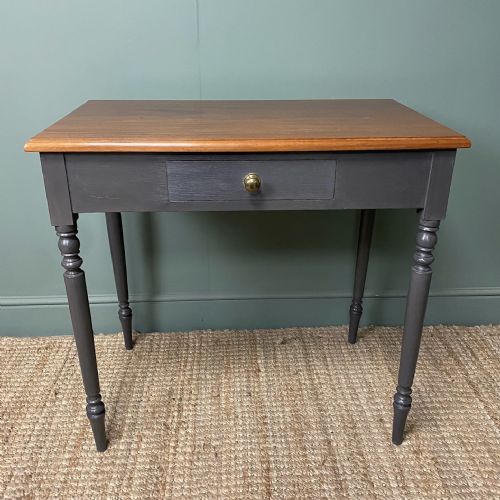
A small painted desk offers compact writing space finished with decorative pigments, suiting small rooms or intimate writing corners.
Small Painted Desk
A small painted desk encompasses compact writing furniture decorated with pigments, including pieces styled as a bonheur du jour, writing tables, and writing desks. These examples date from the Victorian period, Edwardian era, and the 1920s and 1930s, often drawing on French Louis XV style, Chinoiserie, and English Country traditions.
The objects combine practical writing surfaces with painted decoration, ranging from floral motifs on satinwood to lacquered Chinoiserie surfaces. Buyers will encounter both refined ladies' desks and simpler writing tables across these periods.
Materials and construction
Makers utilised woods such as mahogany, walnut, maple, birch, and satinwood as the structural foundation for these desks. Surfaces were then prepared to receive painted decoration, lacquer, or enamel work.
Details often incorporate brass mounts or leather writing inserts, alongside hand-applied painted scenes or floral patterns. Construction reflects the cabinet-making standards of the nineteenth and early twentieth centuries.
Small Painted Desk Retail Price Guide 2026
Typical asking prices for small painted desk among the pieces listed under this phrase on Sellingantiques today, from the lower quarter to the upper quarter. They describe what is for sale here now, not the wider market.
Listings feature painted wooden desks across the Victorian, Edwardian, and 1930s periods, incorporating materials such as satinwood, mahogany, leather, and brass.
Assessment of quality
Quality rests in the execution of the painted decoration and the selection of cabinet timbers. Finer examples display meticulous hand-painted detail and high-grade underlying woods like satinwood or Kingwood.
Proportion and structural integrity distinguish superior pieces from standard workshop output. The harmony between the painted surface and the form of the desk dictates the overall distinction of the piece.
The Small Painted Desk Glossary
- Bonheur du jour
- A light lady's writing desk featuring a small cabinet or set of drawers on the upper surface. This form appeared frequently in Edwardian and nineteenth-century variants.
- Chinoiserie
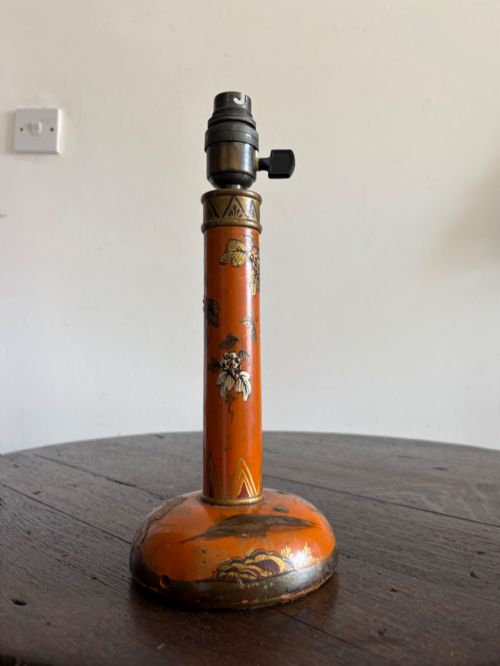
- European decorative style employing Chinese artistic motifs and lacquer techniques. This aesthetic is often found on desks and lamps from the 1920s.
- Satinwood
- A durable, lustrous timber native to India and Sri Lanka, highly prized for fine furniture. It served as a pale canvas for floral painted designs in Edwardian pieces.
- Ormolu
- Gilded bronze applied as mounts and decorative hardware on nineteenth-century furniture. It elevates the finish of writing desks and timepieces.
Small Painted Desk: Frequently Asked Questions
What periods do these desks come from?
The available pieces originate primarily from the Victorian and Edwardian eras, extending into the 1920s and 1930s.
Earlier examples from the nineteenth century sit alongside later twentieth-century interpretations of French styles.
How were small painted desks used?
These compact pieces served as personal writing desks for correspondence and keeping household accounts in private rooms.
Their modest footprint allowed them to fit easily into boudoirs and sitting rooms where larger furniture would overwhelm the space.
What woods are typically found?
Makers constructed these desks using mahogany, walnut, maple, birch, and satinwood as the main timbers.
Selected pieces also incorporate exotic woods like Kingwood beneath their painted decoration.
How do I identify a French style desk?
French style desks often display curved lines, cabriole legs, and elaborate painted plaques referencing Louis XV or Louis XVI designs.
Such pieces frequently utilise Kingwood and feature refined decorative mounts alongside painted surfaces.