

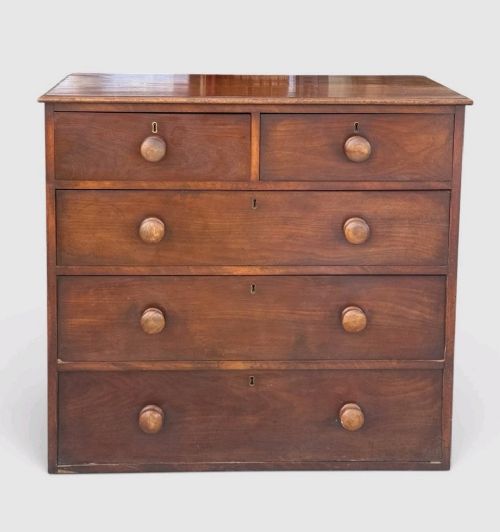
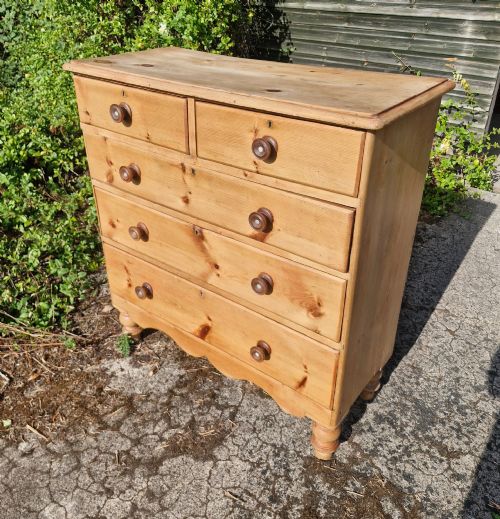
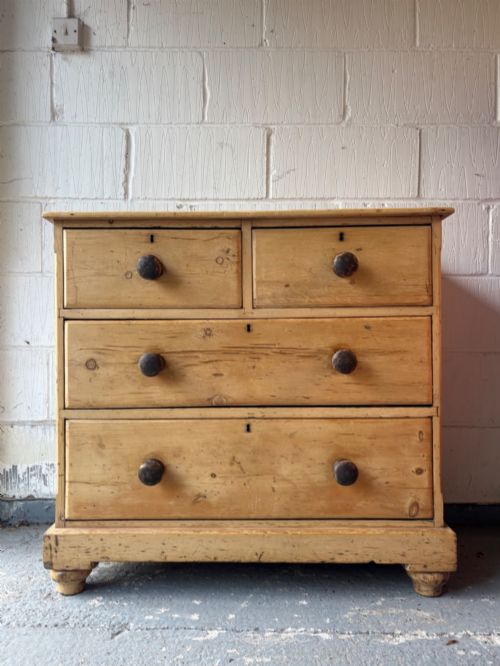
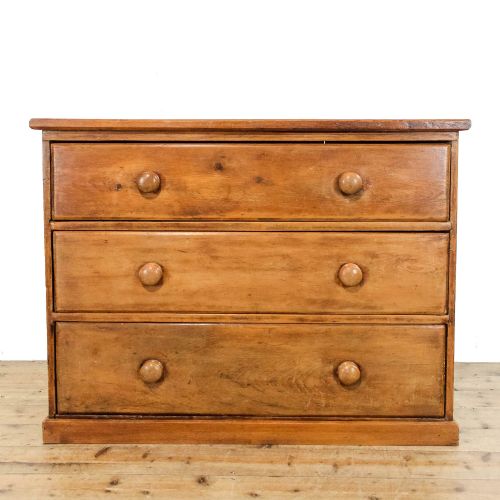
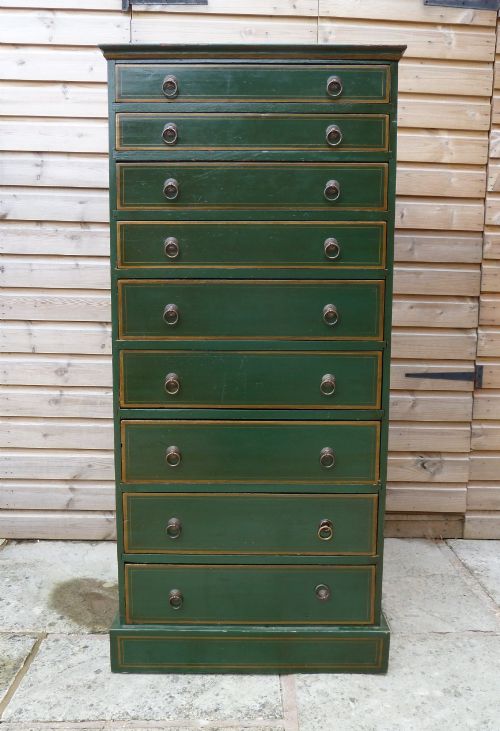
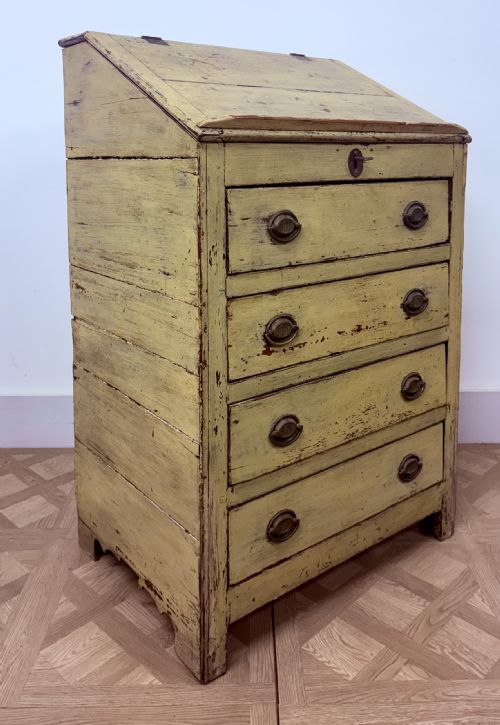
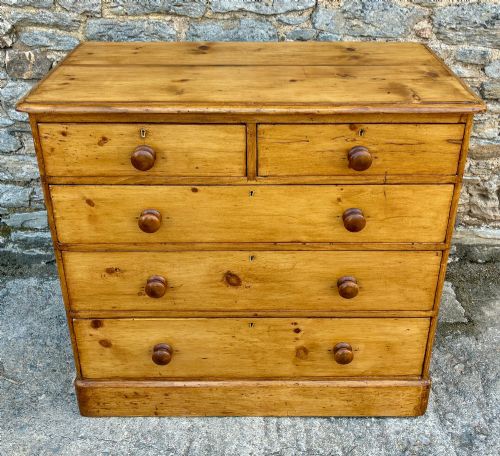
Pine Tallboy Chest
These tallboy chest examples in pine offer generous vertical storage, bringing practical nineteenth-century utility and painted country character to modern bedrooms.
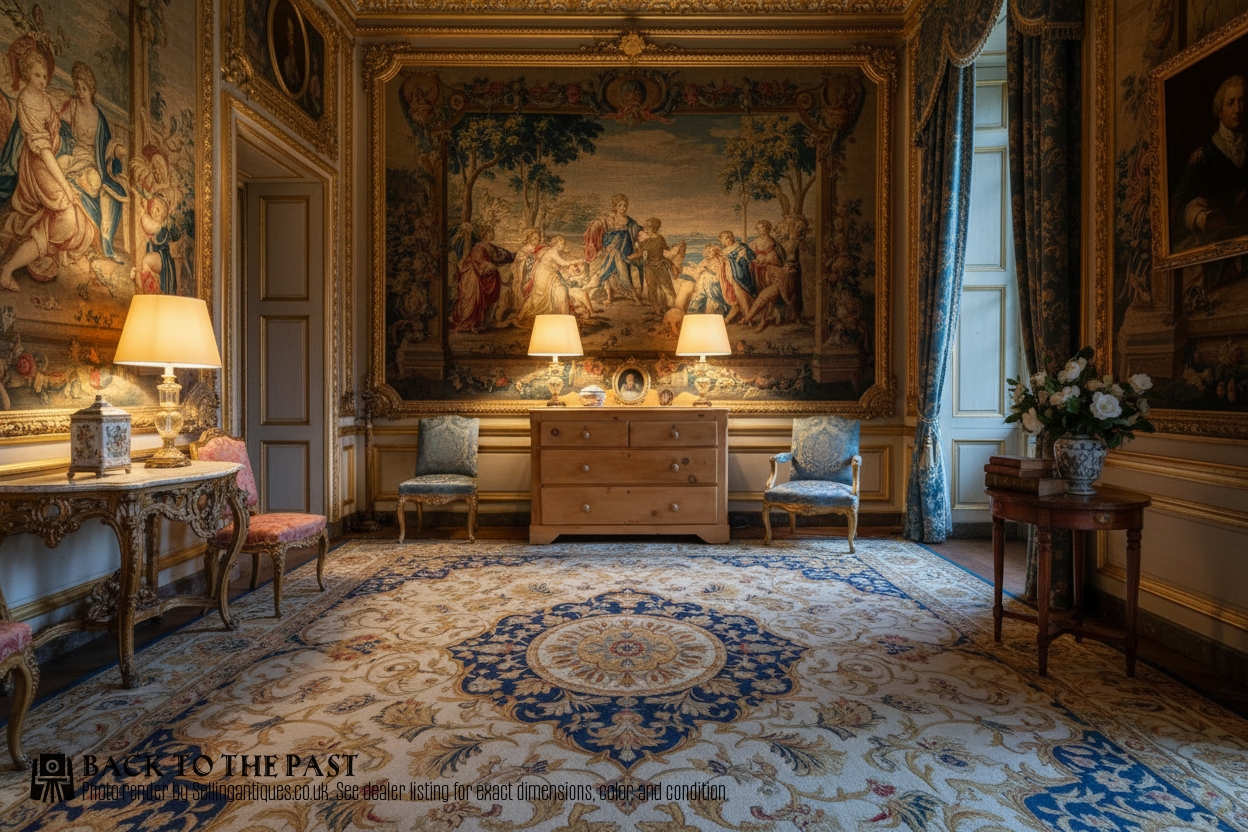
Pine Tallboy Chest
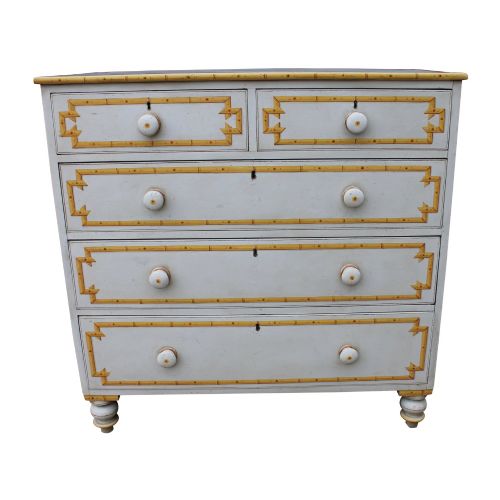
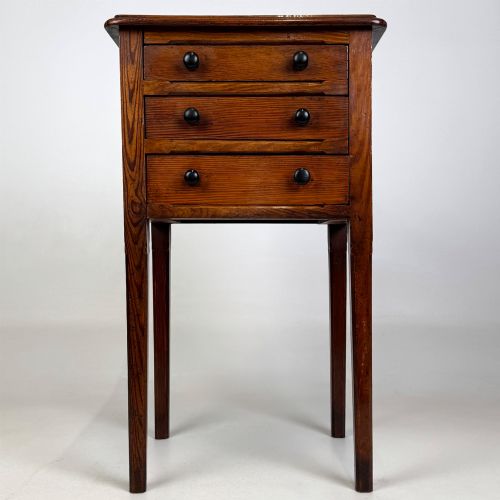
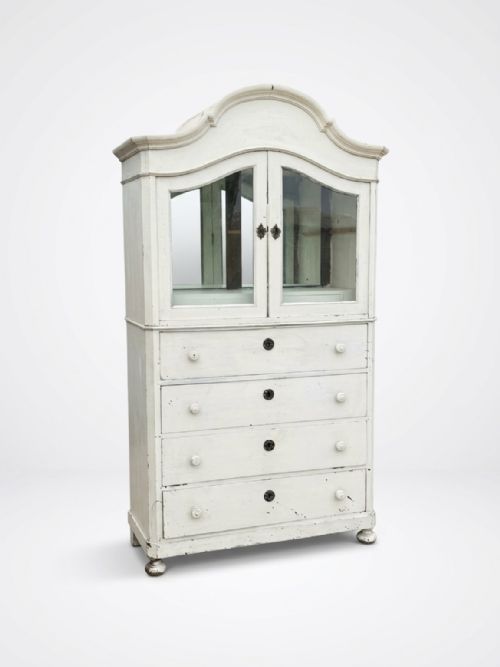
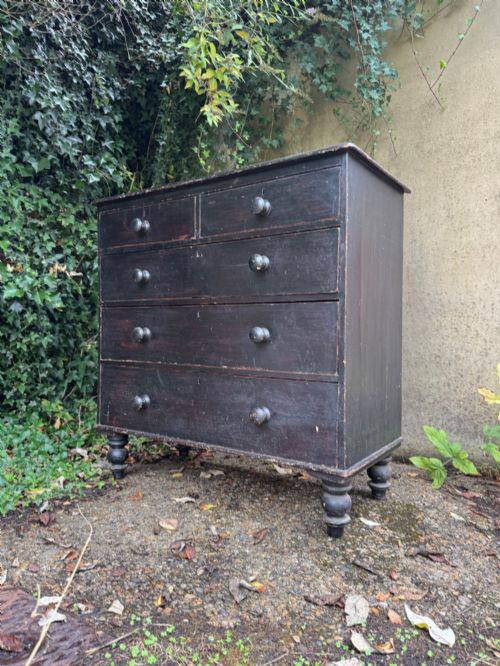
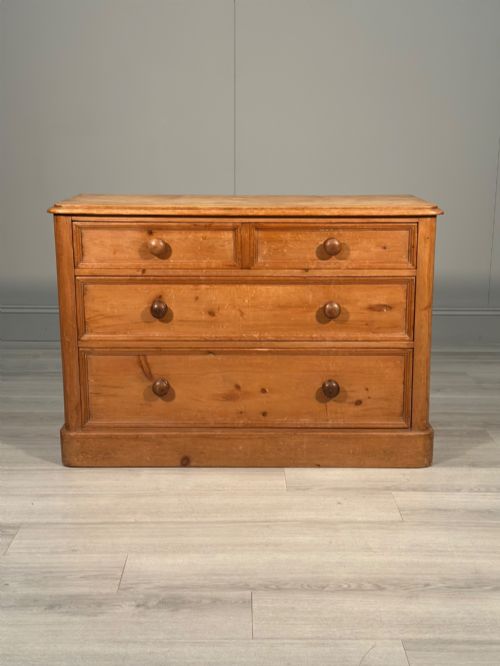
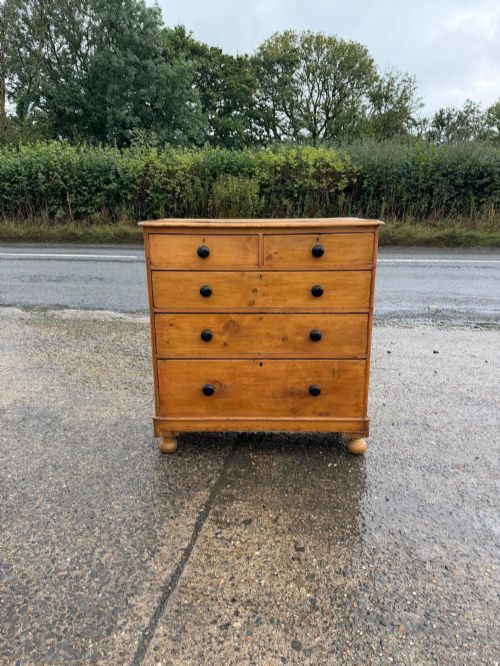
A pine tallboy chest combines the vertical proportions of a multi-tier storage cabinet with the drawer configuration of a traditional chest. These pieces primarily date from the nineteenth century, spanning the Victorian and Edwardian eras, alongside regional variations from Sweden and England.
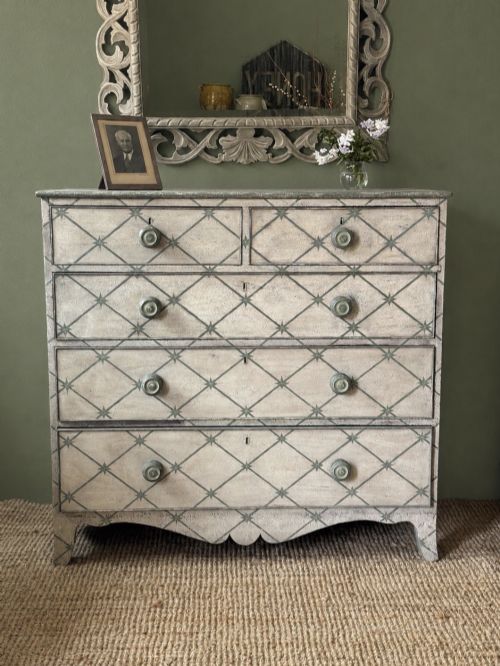
The format typically involves a tall structure designed to maximise bedroom storage without claiming excessive floor space. Examples range from simple waxed or scrubbed timber surfaces to highly decorative painted finishes.
Buyers encounter numerous drawer configurations, including standard multi-drawer stacks and two-over-three arrangements. Regional styles such as Swedish country and English country pieces appear frequently alongside standard Victorian iterations.
What varies in quality
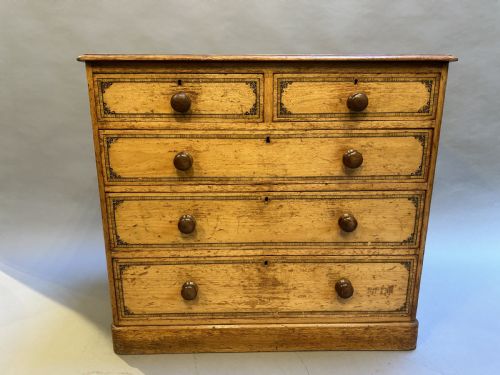
The integrity of the original surface finish largely determines the standing of an individual piece. Items retaining their original scumble or decorative paintwork hold distinct character compared to those that have undergone modern stripping.
Construction details such as drawer depth, timber selection between standard pine and pitch pine, and the retention of original hardware separate standard utility pieces from more ambitious regional cabinet work.
Pine Tallboy Chest Retail Price Guide 2026
Typical asking prices for pine tallboy chest among the pieces listed under this phrase on Sellingantiques today, from the lower quarter to the upper quarter. They describe what is for sale here now, not the wider market.
Some nineteenth-century chests conceal secret writing slopes and tiny compartments designed for private correspondence.
Howard and Sons
The Pine Tallboy Chest Glossary
- Scumble paint
- A translucent glaze technique used to imitate finer woods or create textured grain effects on pine furniture. This finish was widely applied during the nineteenth century.
- Pitch pine
- A durable, resinous variety of pine timber utilised for robust construction. It yields a distinct grain pattern compared to standard softwoods.
- Scrubbed pine
- A finish resulting from vigorous cleaning of the timber surface to expose the natural grain. This treatment produces a pale, matt appearance favoured in country interiors.
- Bun handle
- A rounded, protruding wooden knob attached to drawer fronts. These fittings are typical of nineteenth-century drawer furniture.
- Tallboy
- A tall storage unit formed by stacking drawer sections vertically. The design provides extensive capacity within a compact footprint.
Pine Tallboy Chest: Frequently Asked Questions
How do I care for a waxed pine tallboy?
Maintain the timber by applying a traditional beeswax polish sparingly to preserve the moisture and finish of the wood. Avoid placing the chest near direct heat sources or strong sunlight.
Regular dusting with a soft cloth prevents surface buildup. Periodic waxing deepens the natural lustre of the pine over time.
Are these chests made in two parts?
Larger tallboy forms and specific regional pieces were constructed in two separate sections to facilitate transport up staircases. The upper cabinet rests upon a lower chest base.
This modular construction is common in taller nineteenth-century examples. It allows for easier relocation within historic properties.
What is scumble paint on pine?
Scumble paint involves dragging a translucent pigmented glaze across a lighter base coat to simulate figured timber. Artisans utilised combs and brushes to create faux grain effects.
This decorative method protected the softer pine beneath while offering a stylish finish. Surviving examples display pleasing patination from age.
How do I distinguish Victorian from Edwardian pine?
Victorian pieces often display heavier proportions, darker waxed finishes, or decorative scumble paint. Drawer construction tends to be robust with hand-cut joinery details.
Edwardian examples lean towards lighter timber tones and simplified forms. Stripped pine finishes became particularly popular during the later period.