

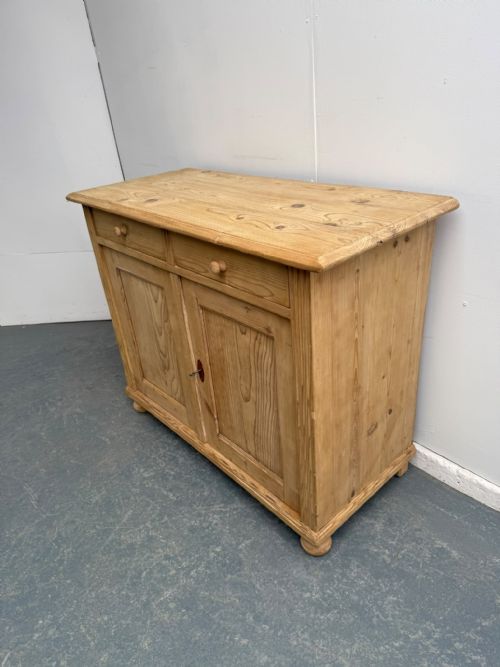
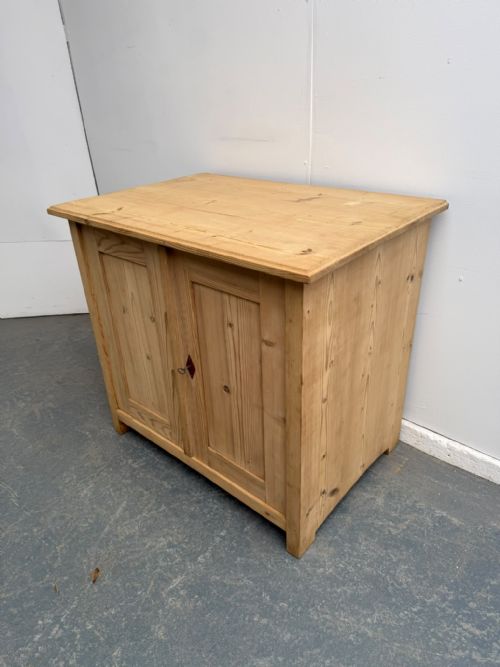
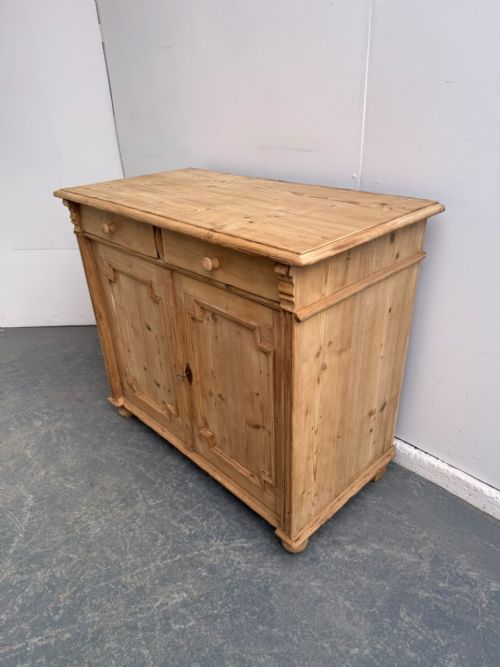
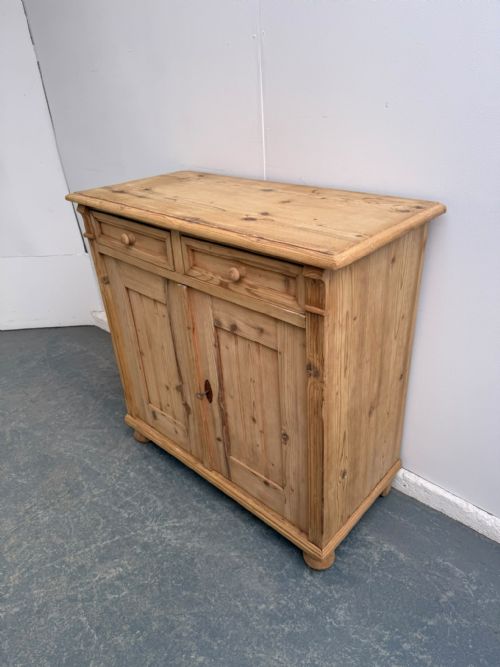
Pine Storage Credenza
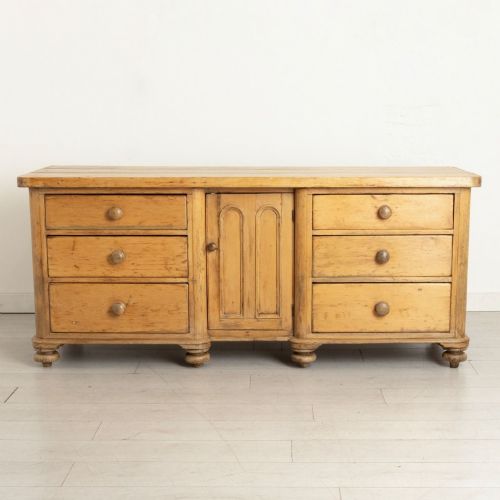
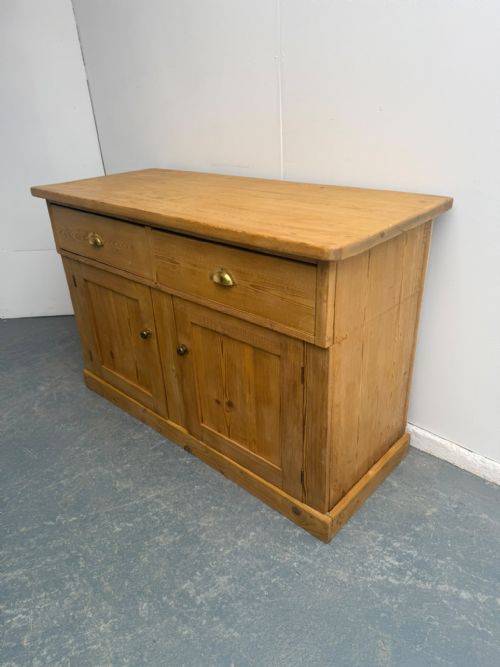
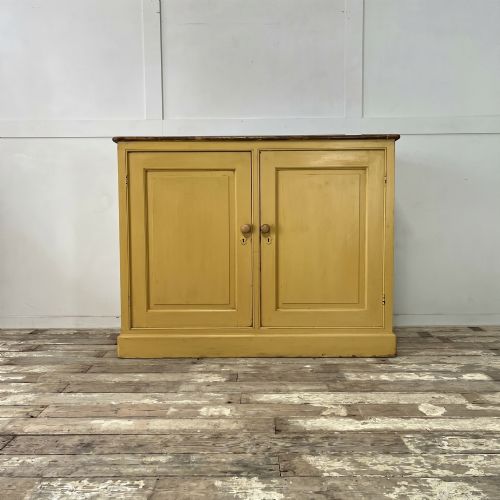
A pine storage credenza delivers sturdy utility and rustic charm, providing ample room for household belongings.
Pine Storage Credenza
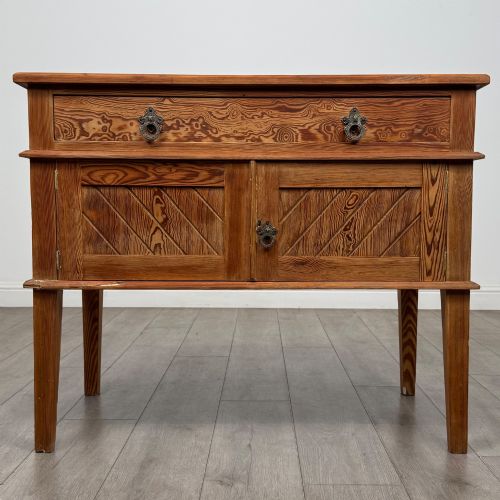
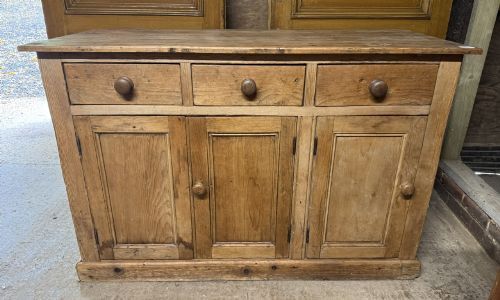
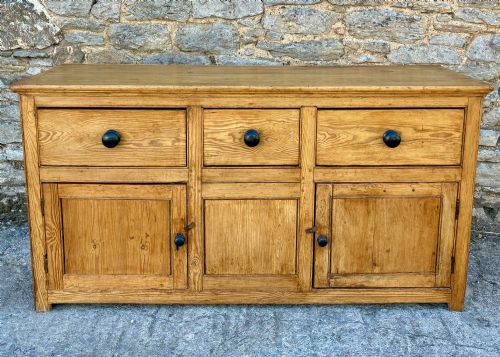
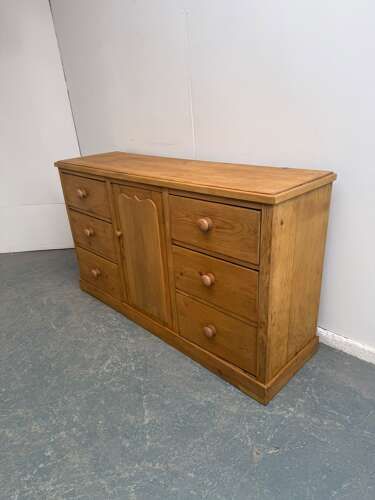
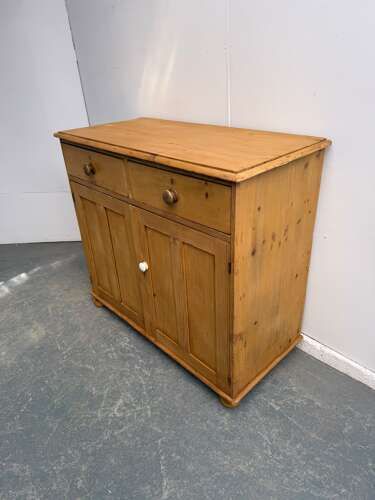
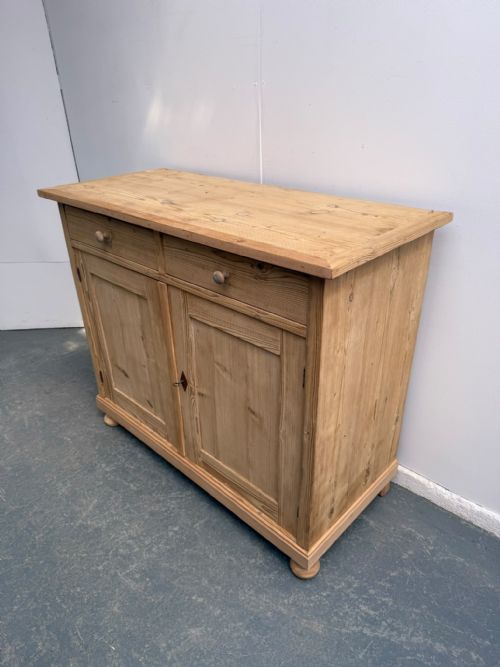
A pine storage credenza encompasses a variety of heavy utilitarian furniture designed for household organisation, predominantly represented by nineteenth-century dresser bases, cupboards, and sideboards. These practical pieces emerge from diverse traditions, spanning English, Welsh, Scottish, Scandinavian, and Hungarian workshops.
Buyers most frequently encounter Victorian examples featuring two doors and two drawers, alongside larger kitchen dressers and school cupboards. These forms serve dining rooms, kitchens, and hallways where substantial storage capacity remains essential.
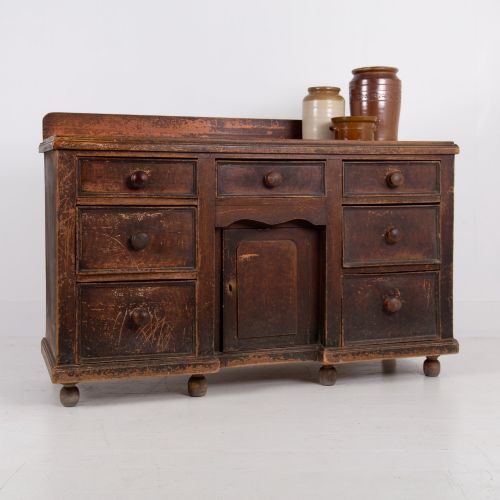
Origins heavily influence the aesthetic, moving from waxed English country pieces to painted Scandinavian and Hungarian formats. Variations include shallow depths, bread slides, and breakfront configurations tailored to specific domestic spaces.
Construction and Materials
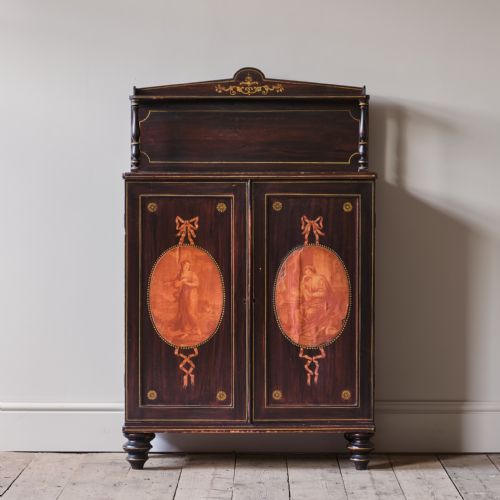
Makers relied primarily on pine, including pitch pine, utilising its workability for substantial carcases, doors, and drawers. Surfaces often received protective layers of wax or historic paint, while specialised finishes such as simulated rosewood paint appeared on Regency pieces.
Hardware incorporates brass and iron for hinges, pulls, and structural reinforcement. Ceramic elements occasionally feature in handles or internal fittings, supporting the functional demands of heavy daily use in kitchens and country houses.
Listings feature eighteenth-century to nineteenth-century periods, utilising materials such as pine, paint, brass, iron, and ceramic across various regional styles.
Evaluating Quality
Quality rests in the integrity of the original timber and the retention of authentic surfaces, whether untouched scraped paint or deep historic wax patina. Pieces that maintain their original hardware and structural proportions stand apart from heavily altered examples.
Craftsmanship shows in the precision of drawer construction, door alignment, and the balance of proportions, particularly in larger dresser bases and cupboards. Finer examples display thoughtful detailing such as carved floral motifs or well-executed simulated finishes.
The Pine Storage Credenza Glossary
- Dresser base
- A lower sideboard unit featuring cupboards and drawers, historically used for food preparation and storage in country kitchens.
- Chiffonier
- A compact sideboard or cabinet equipped with drawers and doors, popular during the Regency and Victorian periods.
- Bread slide
- A pull-out wooden tray integrated into dresser bases, originally designed for cooling or storing loaves.
- Breakfront
- A cabinet design where the central section projects forward from the flanking outer sections.
- Pitch pine
- A resinous pine variety known for distinctive grain patterns and exceptional durability, frequently used in nineteenth-century joinery.
Pine Storage Credenza: Frequently Asked Questions
How do I use a pine storage credenza today?
These robust pieces function effectively as sideboards in dining areas, media consoles in living spaces, or linen storage in hallways.
Their deep cupboards and drawers accommodate modern household items while adding distinct historic character to contemporary interiors.
What is the difference between wax finish and painted pine?
Waxed pine highlights the natural grain and warmth of the wood through traditional polishing methods, developing a deep patina over decades of handling.
Painted surfaces preserve historical layers of colour, ranging from early Scandinavian schemes to Hungarian floral decorations, offering a bolder visual statement.
How can I tell a Victorian pine piece from earlier work?
Victorian examples often display standardised construction techniques, heavier proportions, and widespread use of pitch pine alongside traditional softwoods.
Earlier eighteenth-century and Regency pieces generally exhibit lighter framing, hand-planed surfaces, and distinct regional joinery traits particular to their origin.
Are these pieces suitable for small rooms?
Certain variants are specifically suited to compact spaces, including shallow dresser bases and low storage cupboards designed with reduced depth.
Checking the specific measurements ensures the credenza fits comfortably without obstructing walkways or overpowering smaller domestic rooms.