

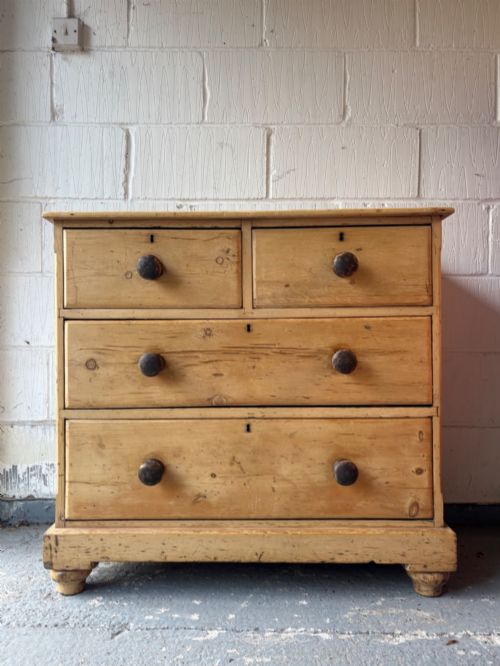
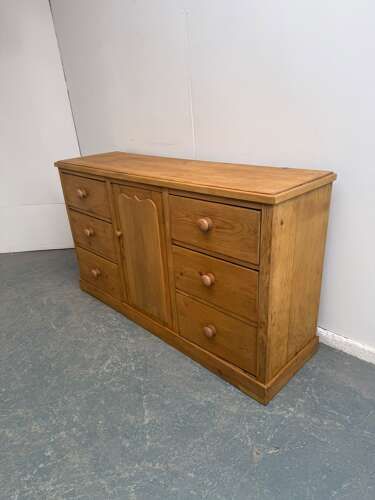
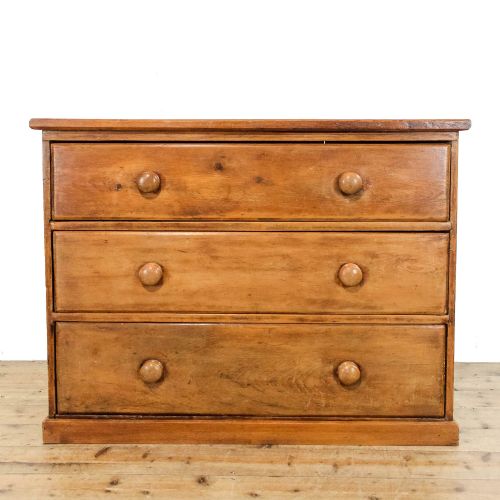
Pine Storage Chest Drawers
These pine storage chest drawers are practical domestic pieces built for utility, offering sturdy storage across periods from the Georgian era through to Edwardian times.
Pine Storage Chest Drawers
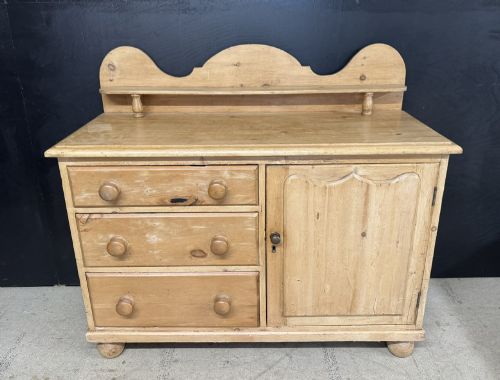
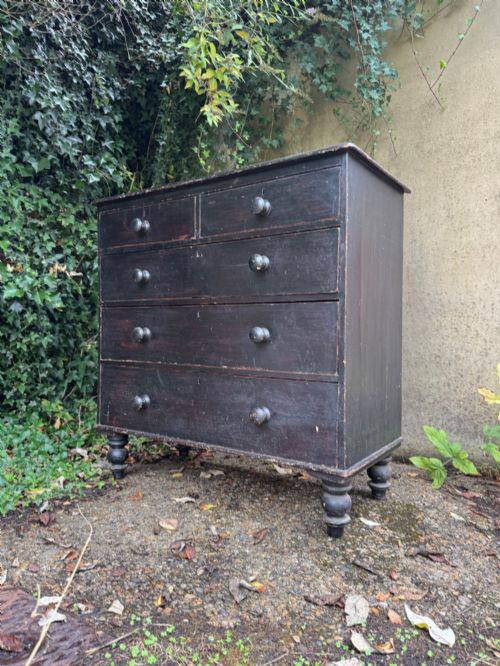
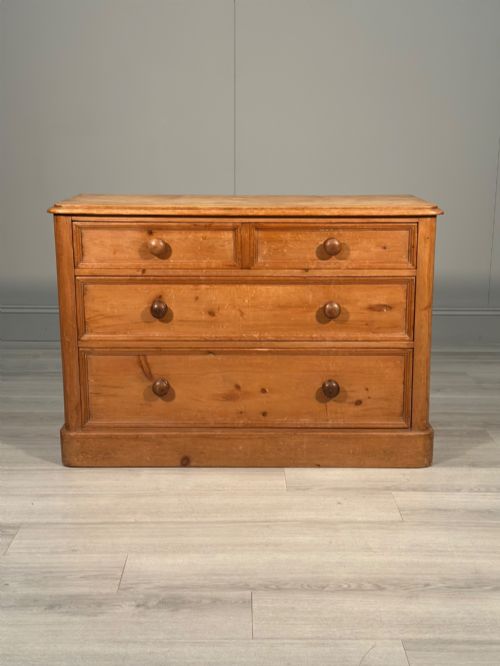
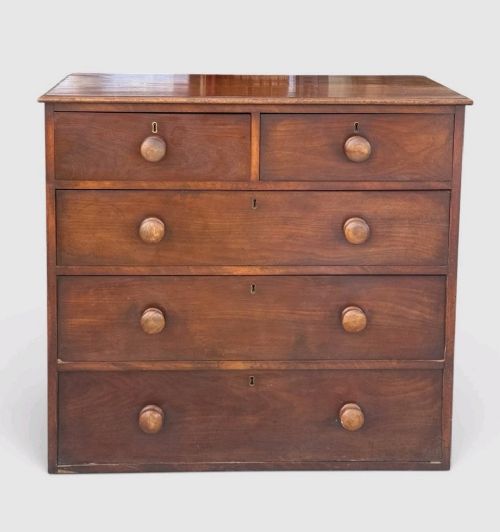
When you search for pine storage chest drawers, you encounter utilitarian furniture designed primarily for domestic storage, spanning bedroom chests to multi-drawer banks. The examples seen here belong largely to the Victorian and nineteenth-century periods, with items originating from English, Irish, and French workshops.
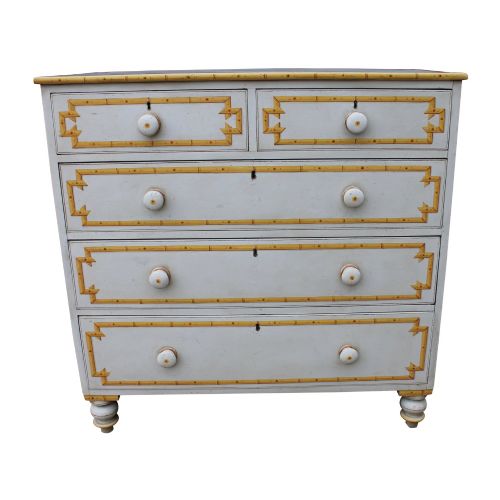
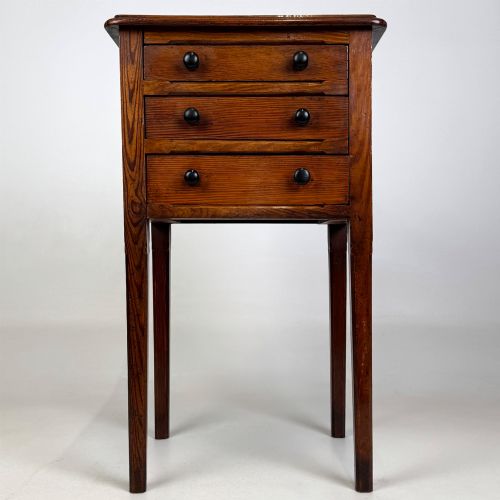
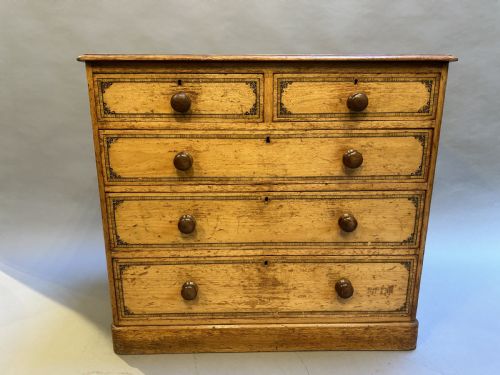
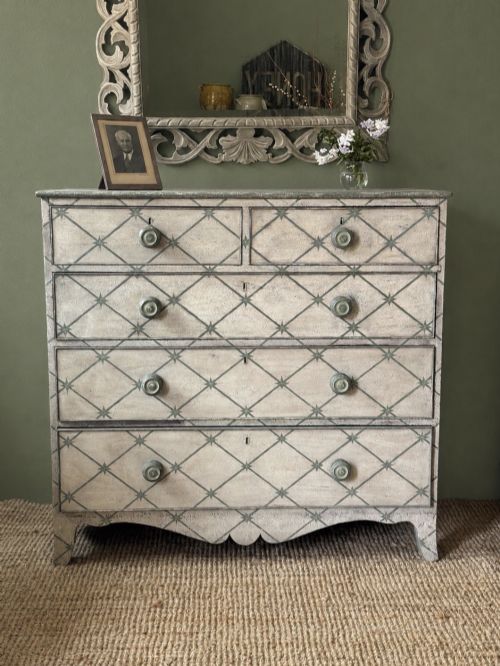
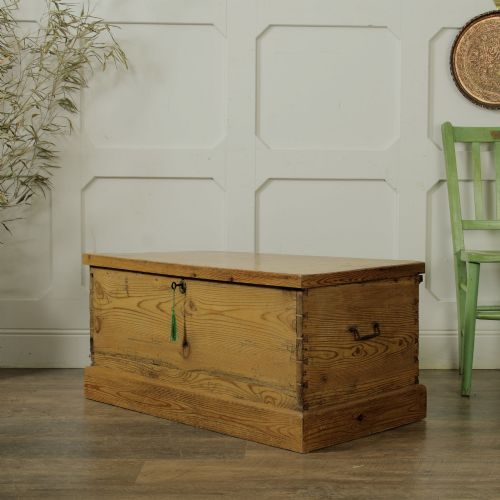
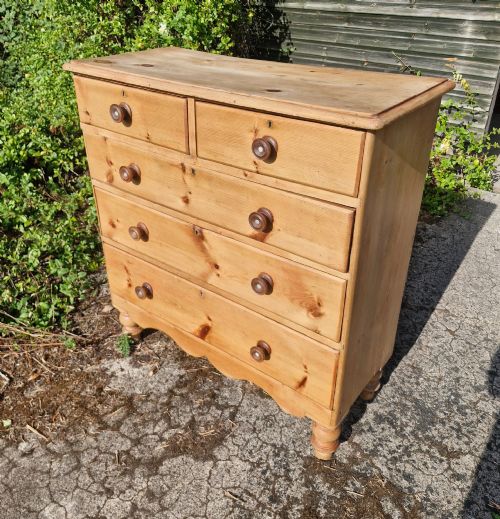
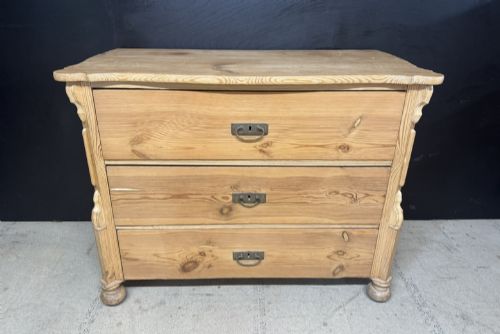
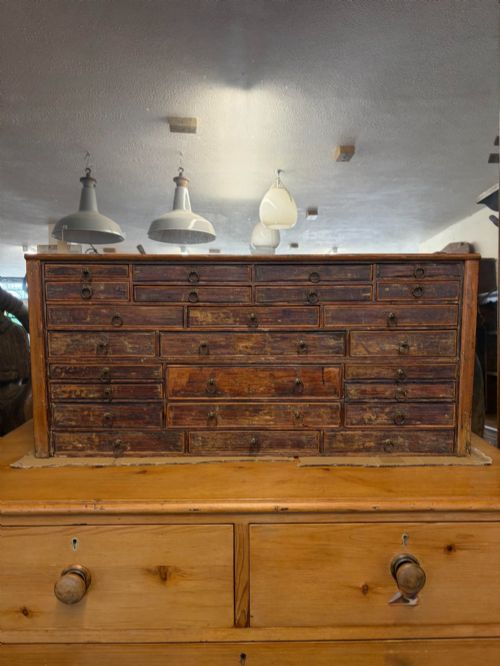
The dominant forms are traditional chests of drawers, mule chests, and blanket boxes, alongside specialised pieces like shallow filing drawers and banks of small drawers. Pitch pine and scrubbed or waxed standard pine are common, with many surfaces retaining original paint, scumble, or stencilled finishes.
Stylistically, these pieces range from plain country furniture to French Gustavian and Aesthetic Movement designs. They served functional roles in kitchens, bedrooms, and workshops, resulting in robust constructions intended for everyday use.
How they were made
Makers utilised native and imported softwoods, predominantly pine and pitch pine, joined using traditional cabinetry techniques suited to utilitarian furniture. Surfaces were frequently left scrubbed and waxed, or finished with decorative treatments such as brown scumble paint, stencilling, or layered original paint.
Hardware typically includes brass, iron, or turned wooden bun handles, while internal configurations often feature secondary compartments, spice drawers, or lift-up lids in the case of mule chests and blanket boxes. Construction relies on solid timber planks, rebated joints, and hand-cut dovetails for drawer boxes.
Several chests retain interior spice drawers, offering miniature storage within larger utility furniture.
What varies in quality
Quality in these pieces is dictated by the integrity of the timber, the retention of original surface treatments, and the refinement of the joinery. Pieces retaining untouched original paint, scumble, or stencilling hold greater character than those stripped down to bare wood in later decades.
Proportion and utility also separate standard domestic items from finer examples, such as multi-drawer cabinets or pieces featuring well-figured pitch pine and original brass hardware. The presence of makers' marks or specific regional construction details adds historical context that influences the standing of a piece.
The Pine Storage Chest Drawers Glossary
- Pitch pine
- A dense, resinous softwood sourced mainly from North America, noted for its strong grain pattern and durability in nineteenth-century furniture.
- Scumble paint
- A translucent or opaque glaze applied over a base coat and manipulated with combs or rags to imitate the grain of finer hardwoods.
- Mule chest
- A storage chest fitted with one or more drawers in the base beneath the main compartment, bridging the form of a chest and a chest of drawers.
- Gustavian
- The Swedish interpretation of French neoclassical style, characterised by pale painted finishes and restrained classical detailing.
- Bun handle
- A small, rounded wooden knob turned on a lathe, commonly found on nineteenth-century drawer fronts.
Pine Storage Chest Drawers: Frequently Asked Questions
What is a pine mule chest?
A mule chest is a hybrid storage piece that combines a traditional lift-lid blanket box with one or more functional drawers built into the base. This design allowed access to bulky linens at the top while keeping smaller items organised below.
Such pieces date predominantly from the Georgian and nineteenth-century periods, constructed in solid pine and often finished with painted or waxed surfaces.
What is scumbled pine furniture?
Scumbling is a decorative painting technique where a translucent top coat is manipulated over a lighter base colour to simulate the appearance of figured hardwood like oak or mahogany. In nineteenth-century pieces, this was often done using brown or amber glazes.
Surviving scumbled surfaces provide a distinct visual texture that protects the softwood underneath while offering a more ornate finish.
Where were banks of drawers used?
Banks of small drawers and shallow filing cabinets were originally utilised in commercial offices, shops, and institutions for sorting paperwork, hardware, or apothecary goods. Their numerous compartments reflect an industrial or mercantile origin.
Today, these pieces are repurposed for domestic storage, valued for their repetitive drawer configurations and robust construction.