



Pine Specimen Chest
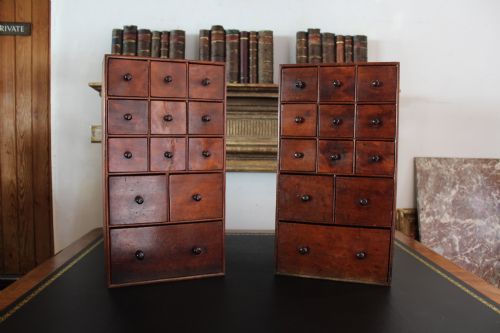
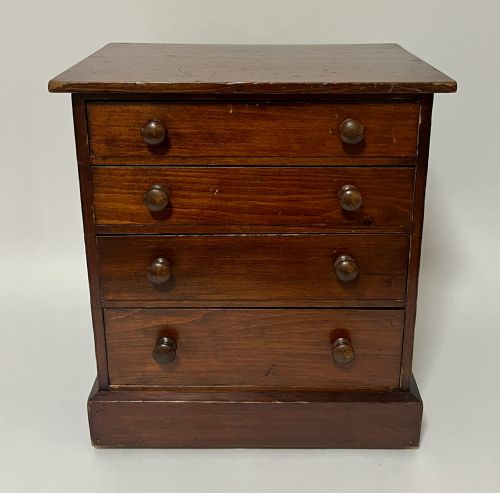
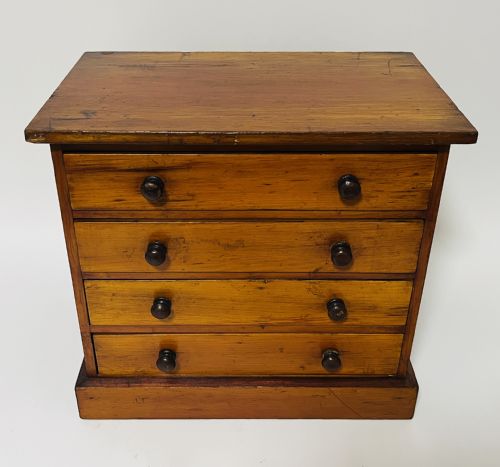
A pine specimen chest organises small collections with functional utility and clean Victorian proportion.
Pine Specimen Chest
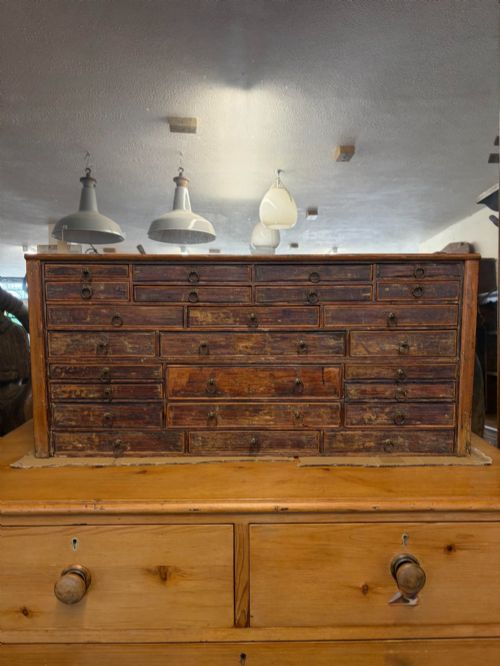
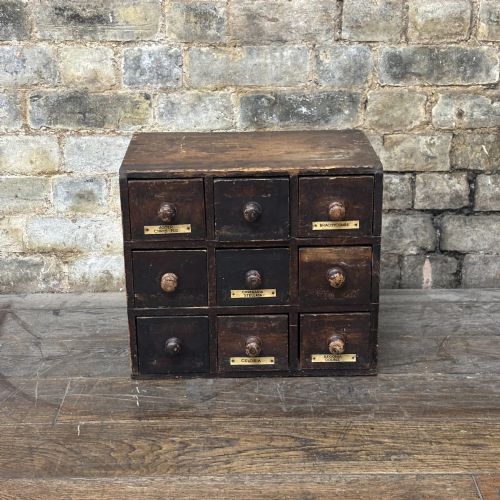
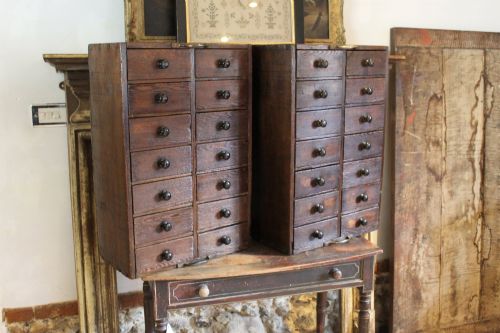
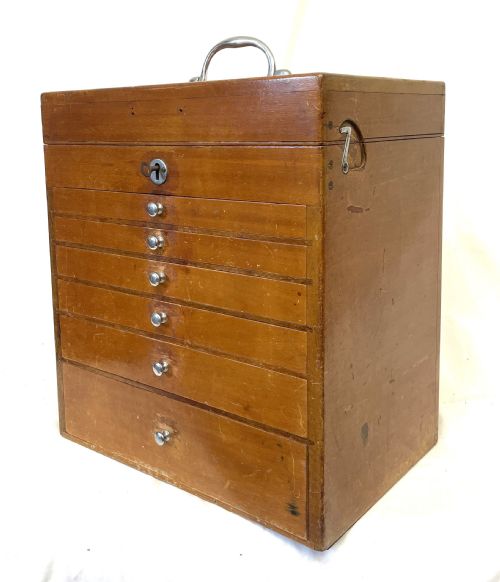
A pine specimen chest provides multiple shallow drawers designed to hold natural history items, botanical samples, or small manufactured objects. These pieces emerge chiefly from the nineteenth century and the Edwardian era, taking the form of tabletop cabinets, banks of drawers, and tall storage units.
Makers built these cabinets for practical use in homes, surgeries, and workshops rather than formal display. The surviving examples on this page reflect this utilitarian origin through sturdy multi-drawer configurations made from deal, pine, and pitch pine.
What varies in quality
The distinction between standard utility items and finer work rests on the selection of timber and the precision of the drawer construction. Cabinets built in figured pitch pine or retaining an original painted surface display a higher degree of finish than plain commercial storage units.
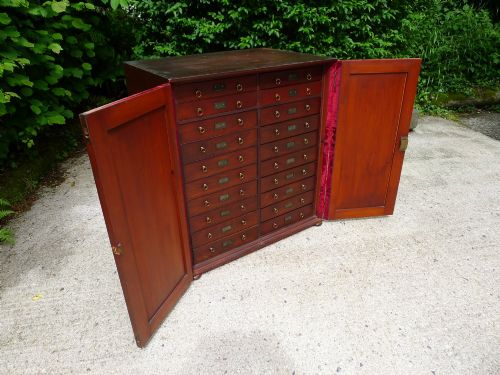
Makers such as J.T. Crockett applied superior joinery techniques to their multi-drawer cabinets, resulting in tight joints and balanced proportions. The retention of original brass hardware and fitted interior linings also elevates the standing of an individual chest.
Some chests retain traces of old botanical labels and velvet dust, preserving the quiet ghost of a Victorian collector's study.
Luxmore's of Ilfracombe·D Napier & Sons·J.T. Crockett
The Pine Specimen Chest Glossary
- Deal
- A softwood timber derived from pine or fir trees, commonly used for the carcase and drawer construction of nineteenth-century utilitarian furniture. It takes stain and paint readily.
- Pitch pine
- A durable, resinous softwood with a prominent grain pattern that provides extra strength for large banks of drawers and heavy-duty cabinets.
- Specimen cabinet
- A piece of furniture fitted with numerous shallow drawers designed for housing natural history collections, coins, or small technical items.
- Bank of drawers
- An arrangement of multiple small drawers stacked vertically or horizontally to maximise storage capacity in a workshop or study.
- Apothecary chest
- A set of small drawers originally intended for storing medicines, herbs, or homeopathic remedies.
Pine Specimen Chest: Frequently Asked Questions
What were pine specimen chests originally used for?
Cabinet makers built these pieces to store botanical samples, insects, bird eggs, and mineral specimens for study and preservation.
Naturalists and collectors relied on the shallow drawers to organise delicate items safely away from light and dust.
How do I date a Victorian specimen chest?
Dating relies on examining the timber choice, construction methods, and the style of the brass hardware.
Earlier nineteenth-century pieces often feature hand-planed deal surfaces, while later Victorian examples utilise machine-sawn pine and standardised pulls.
Can I use these cabinets in a modern interior?
The compact proportions and numerous shallow drawers make these chests practical for organising small household items, stationery, or jewellery.
They sit comfortably on tabletops, desks, or sideboards while adding industrial or utilitarian character to a room.
What is the difference between deal and pitch pine?
Deal is a general term for softer coniferous timber used in standard utilitarian furniture and painted storage units.
Pitch pine contains higher resin content, yielding a heavier structure with a distinct, highly figured grain pattern.