
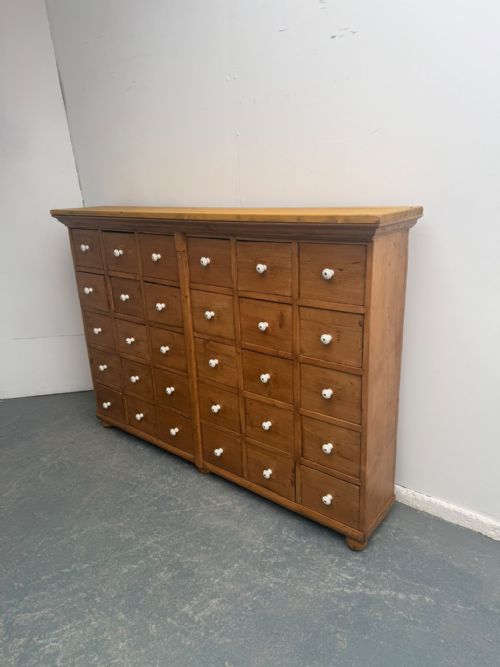


Multi Drawer Pine Chest
A multi drawer pine chest offers honest utility and generous storage, bringing practical organisation and warmth to any room.
Multi Drawer Pine Chest
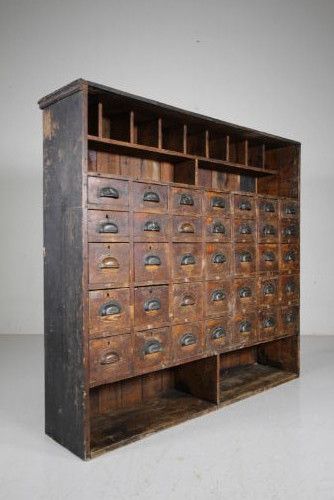
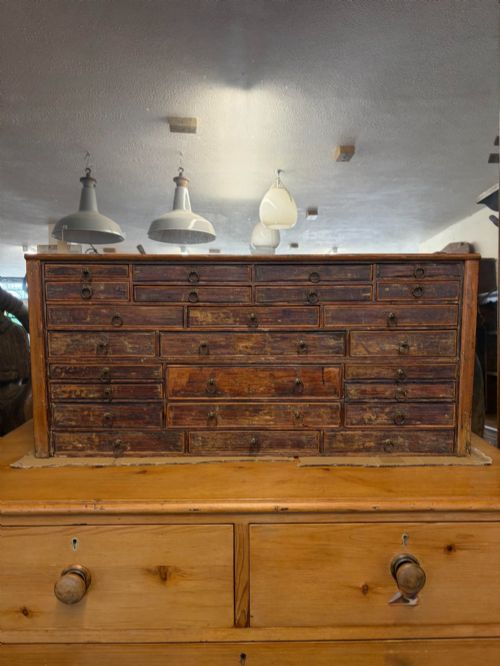
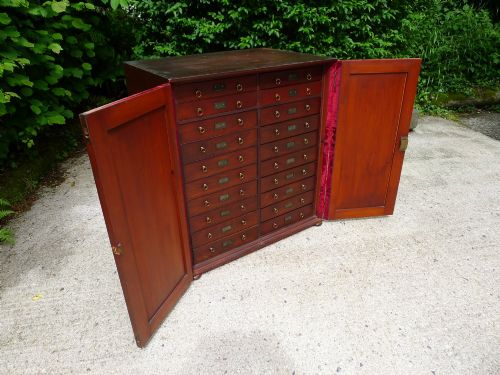
A multi drawer pine chest provides numerous small compartments for sorting and storing items efficiently. These pieces appear mainly in 19th-century and Victorian forms, encompassing banks of drawers, shop fittings, and collectors cabinets.
Buyers frequently encounter large-scale shop fittings and banks of drawers originating from English, French, and Hungarian sources. The selection ranges from plain deal cabinets to painted commercial counters and specimen chests.
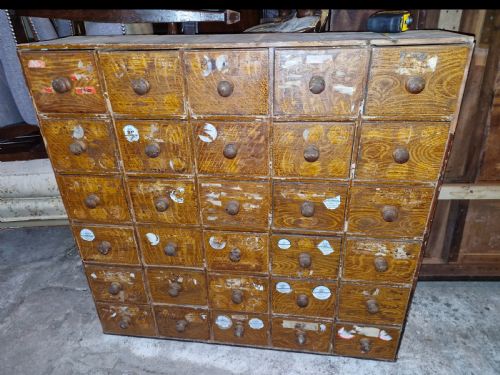
The primary appeal lies in the repetition of small drawers, which delivers a striking visual rhythm alongside practical utility. Most examples utilise traditional softwood construction, tailored originally for commercial or institutional archives.
Materials and construction
Makers constructed these pieces using pine and deal, often pairing the softwood carcasses with metal, brass, or cast iron hardware. Handles and card holders frequently incorporate brass or iron to withstand heavy daily use.
Surfaces receive various finishes, spanning polished timber, stained deal, and original painted coats in cream or other colours. Some examples feature velvet-lined interiors intended for delicate specimens or collections.
Variations in quality
Quality rests upon the scale of the piece, the integrity of the original paint, and the complexity of the drawer configuration. Units featuring twenty or more matching drawers demonstrate superior commercial ambition compared to simpler domestic chests.
Original hardware, intact labels, and untouched painted surfaces elevate an example above standard utility pieces. The weight and stability of the underlying pine frame dictate the structural longevity of the chest.
Luxmore's of Ilfracombe
The Multi Drawer Pine Chest Glossary
- Deal
- A softwood timber, typically Scots pine or fir, commonly used for British and European utilitarian furniture throughout the nineteenth century.
- Collectors cabinet
- A specialised storage unit containing numerous shallow drawers designed for sorting specimens, coins, or small objects.
- Shop fitting
- Heavy-duty commercial furniture built for retail environments, such as counters and banks of drawers intended for continuous public use.
- Specimen chest
- A compact cabinet with multiple small drawers created to hold natural history collections or botanical samples.
- Victorian Industrial
- A style combining nineteenth-century utilitarian function with robust manufacturing methods suited for workshops and offices.
Multi Drawer Pine Chest: Frequently Asked Questions
What were multi drawer chests used for?
Commercial shops, offices, and collectors used these cabinets to sort small stock, paperwork, hardware, or natural history specimens. The numerous compartments kept diverse inventories clearly separated and accessible.
Over time, domestic buyers adopted them for organising household items, craft materials, and everyday accessories while retaining the original industrial aesthetic.
How do I identify a 19th-century pine chest?
Nineteenth-century pieces show construction methods typical of the period, including hand-cut dovetails, straight-grained pine or deal timbers, and period iron or brass hardware. Their proportions and wear patterns reflect genuine commercial or institutional origins.
Makers of this era prioritized functional durability, resulting in sturdy carcasses designed to endure heavy daily pulling and loading.
Are painted finishes original on these chests?
Many shop fittings and commercial counters retain their original painted surfaces, often appearing in cream or other traditional colours applied during their working life. Traces of historical wear and layered paint provide evidence of active service in retail or workshop settings.
Unpainted examples generally display polished or stained deal timber, reflecting different regional preferences and intended environments.
How should I care for antique pine furniture?
Keep antique pine away from direct heat sources and extreme humidity fluctuations to prevent the soft timber from splitting or warping. Dust gently with a dry cloth and avoid harsh chemical cleaners that might strip historic wax or paint surfaces.
Applying a traditional beeswax occasionally helps nourish dry deal and maintains the natural lustre of the wood.