




Antique Print Cabinet
These antique print cabinet pieces offer dedicated storage for delicate plates and folios, bringing period craftsmanship directly into the study.
Antique Print Cabinet
An antique print cabinet serves collectors and scholars by housing valuable paper collections, engravings, and botanical or anatomical plates safely within dedicated drawers or folios.
Buyers browsing this selection encounter pieces ranging from Georgian mahogany floor-standing folio cabinets to Edwardian pine plan chests and Arts and Crafts collectors cabinets.
The objects combine practical storage with display functions, drawing on styles from George III and Regency designs through to later Victorian and Edwardian iterations.
Materials and construction
Carpenters utilised durable timbers such as mahogany, oak, pine, and birds eye maple to construct these sturdy storage units.
Hardware elements typically incorporate brass for handles, hinges, and label holders, complementing the polished wood surfaces.
Internal configurations rely on shallow drawers, sliding trays, and folio slots designed specifically to keep flat paper goods protected from light and dust.
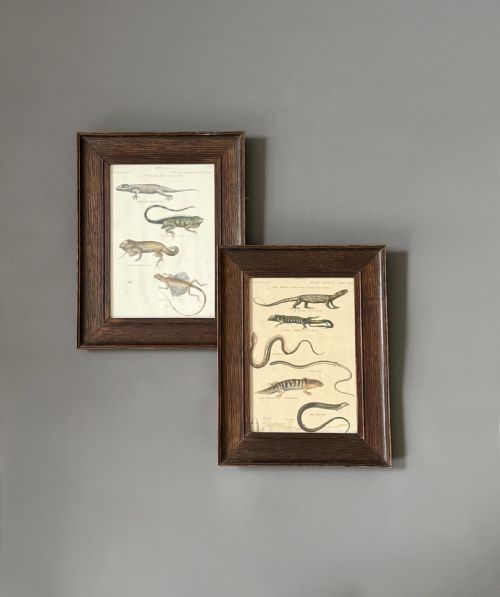
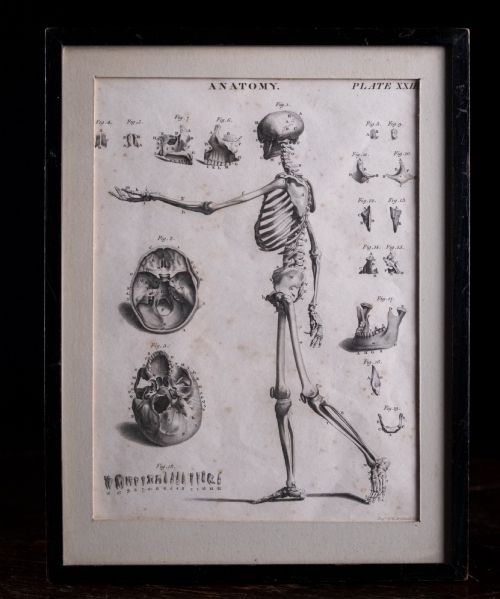
Some cabinets hid intricate collections of reptiles and skeletons behind their respectable mahogany facades.
Judging quality in print storage
The standard of timber selection and cabinetmaking skill dictates the durability and visual appeal of each piece, distinguishing utilitarian workshops from master furniture makers.
Internal drawer construction, smooth sliding mechanisms, and the retention of original brass hardware significantly influence the desirability of a cabinet.
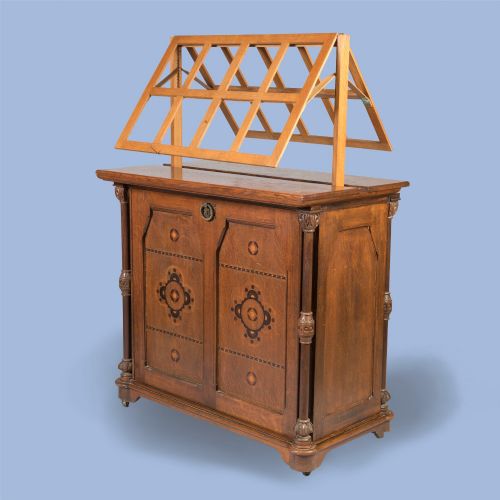
The integration of decorative details, such as satinwood stringing or Gothic Revival mouldings, separates standard storage from bespoke craftsmanship.
Whytock and Reid of Edinburgh·Benjamin Taylor and Sons·William Bird·Andrew Bell·Jan Wandelaar·W and A K Johnston
The Antique Print Cabinet Glossary
- Folio cabinet
- A piece of furniture designed with wide, shallow drawers or compartments specifically for storing large sheets of paper, prints, and maps. These cabinets protect delicate works from creases and light damage.
- Plan chest
- A large, multi-drawer unit originally utilised by architects and draughtsmen for flat storage. They provide similar utility to folio cabinets within domestic or studio settings.
- Collectors cabinet
- A specialised storage piece featuring multiple small drawers for organising specimens or small flat objects. They often include fitted interiors tailored to specific scientific or artistic items.
- Stringing
- A narrow strip of contrasting wood inlaid into the surface of a piece of furniture as a decorative border. This technique highlights the edges of drawers and tabletops on finer furniture.
Antique Print Cabinet: Frequently Asked Questions
What is an antique print cabinet used for?
These cabinets provide flat, protected storage for engravings, etchings, maps, and large botanical or anatomical plates.
Collectors and institutions utilise the shallow drawers to prevent delicate paper items from rolling, folding, or suffering light damage.
How do I maintain wood furniture?
Keep wooden cabinets away from direct heat sources and drastic humidity changes to prevent timber warping or cracking.
Apply traditional wax sparingly and polish gently with a soft cloth to nourish the grain without building up heavy residues.
Are plan chests the same as print cabinets?
Plan chests serve a very similar structural purpose with wide, shallow drawers intended for large sheets of paper.
Print cabinets often feature finer decorative veneers and cabinetmaker details suited for domestic display rather than purely technical office environments.
How can I date a wooden cabinet?
Examine the secondary timbers used inside the drawers and the construction methods visible on the back and bottom panels.
Hardware styles, dovetail joins, and distinct period design characteristics such as Regency reeding or Edwardian simplicity offer clear chronological clues.