

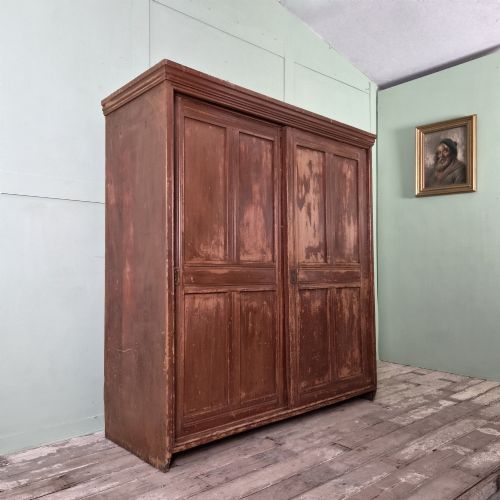
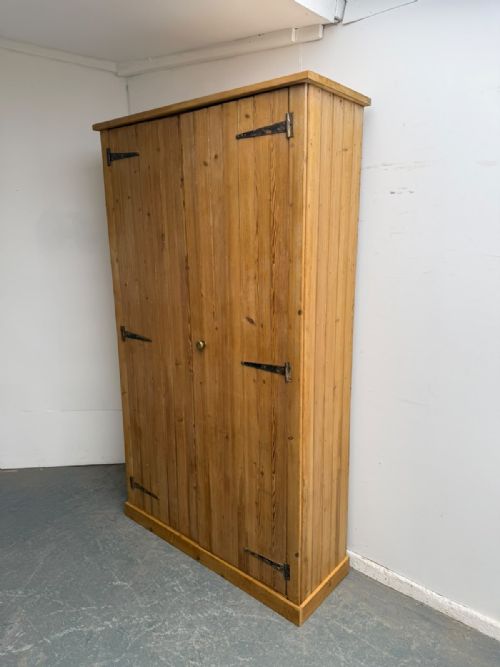
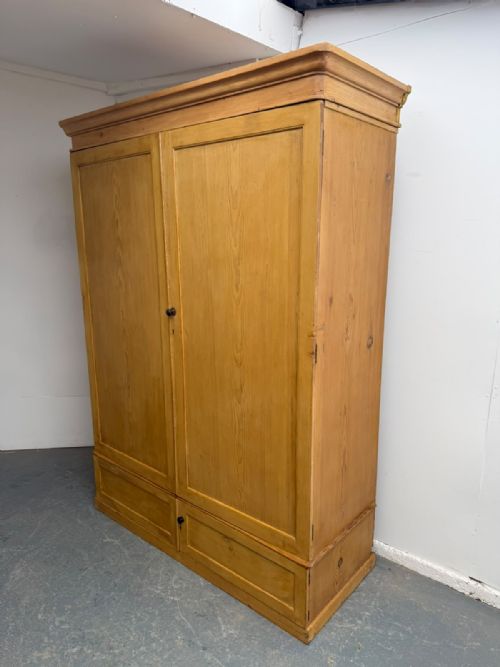
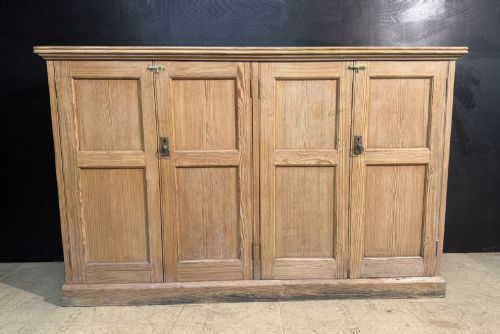
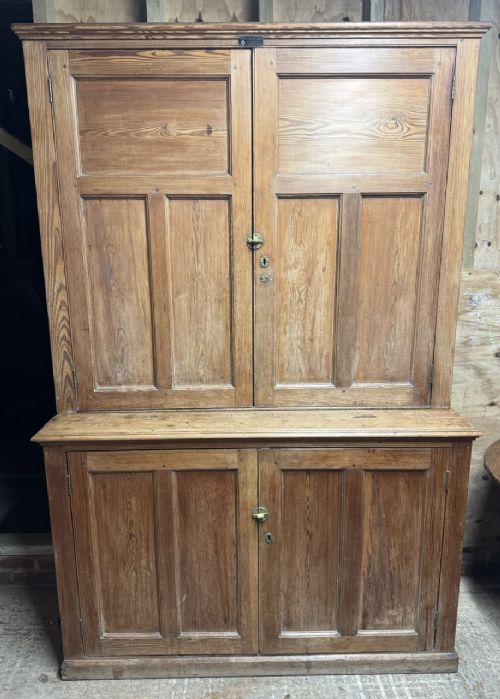
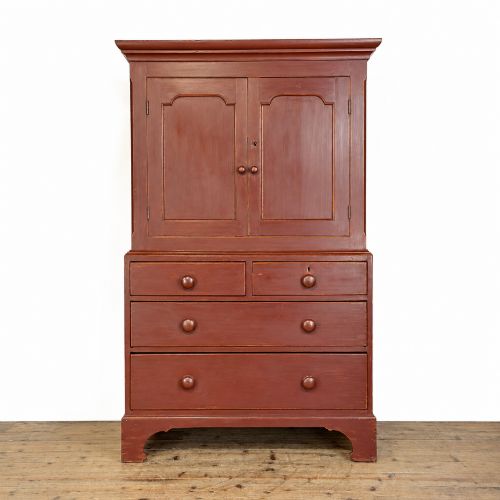
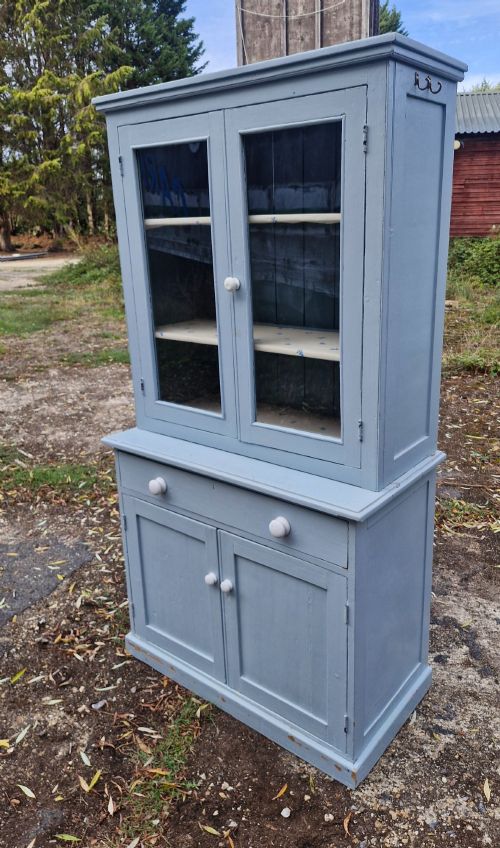
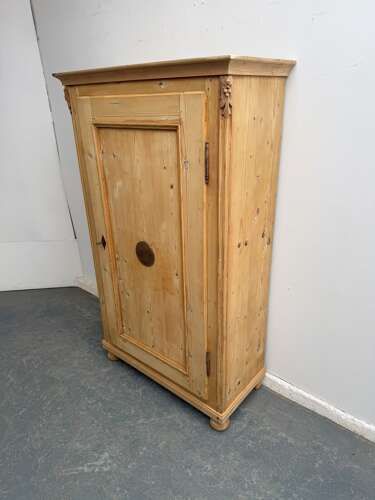
Pine Larder Cabinet
A pine larder cabinet brings honest domestic utility to a kitchen, offering deep storage built from robust softwood.
Pine Larder Cabinet
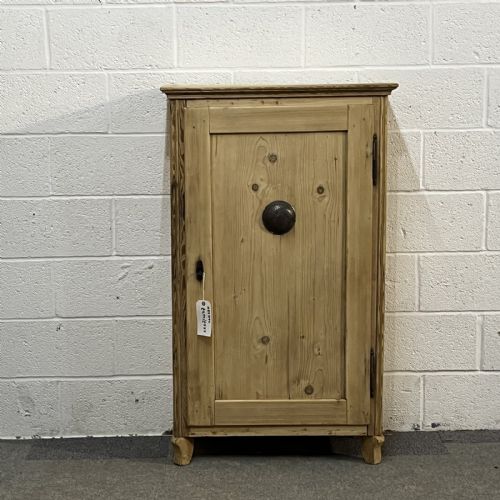
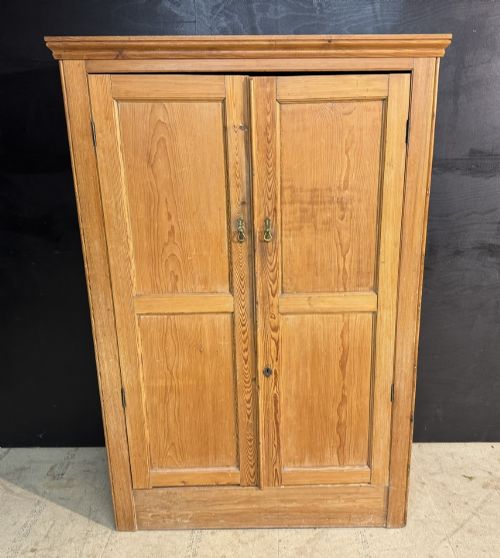
A pine larder cabinet serves as a substantial storage piece designed originally for provisions, featuring upright shelving and robust doors. These pieces emerge predominantly from the Victorian and 19th Century periods, reflecting regional domestic traditions across England, France, and Scandinavia.
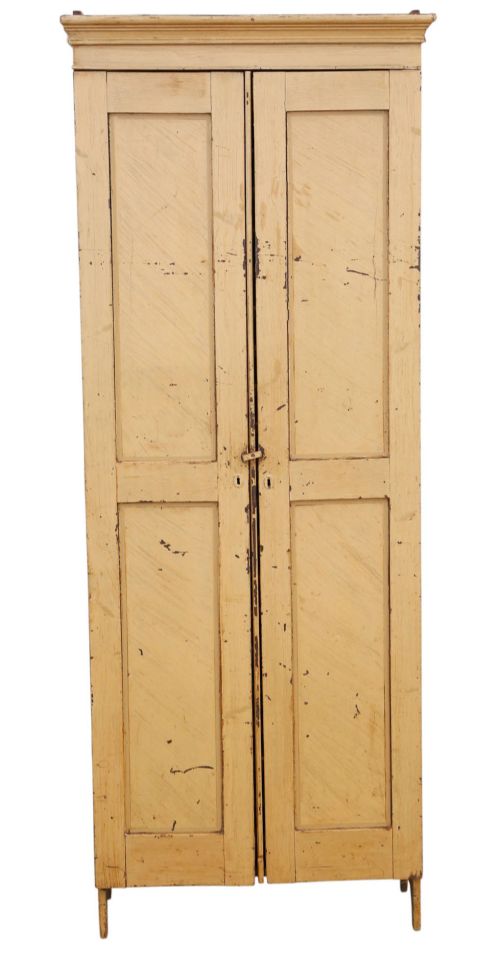
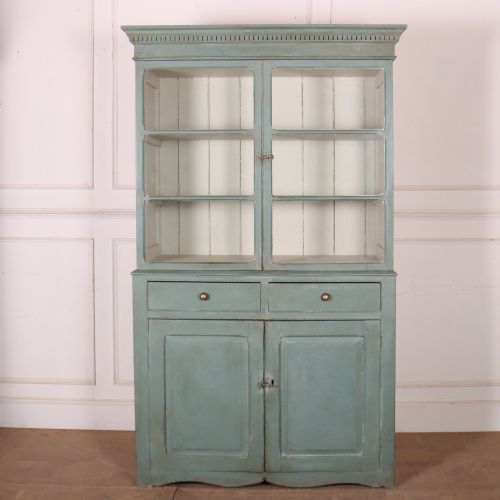
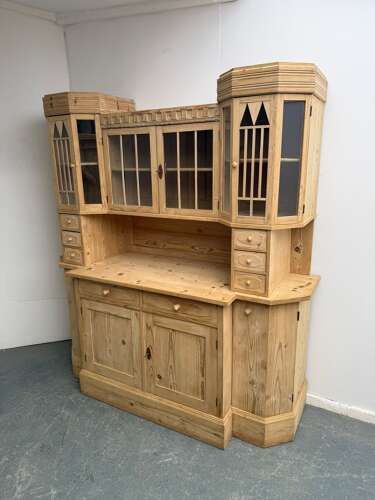
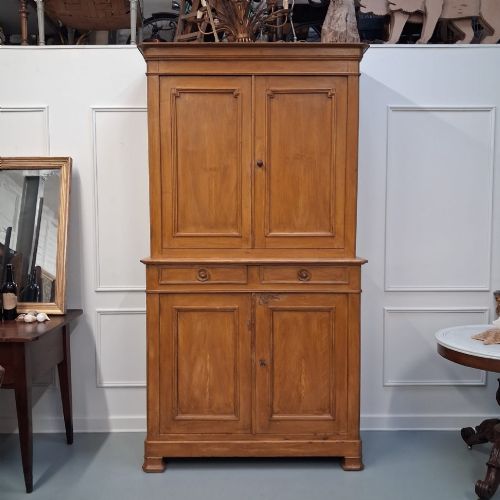
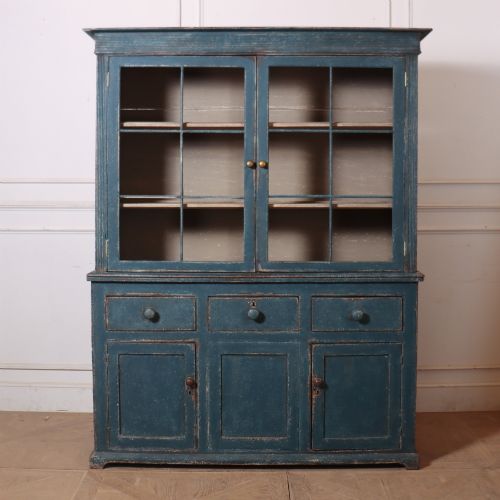
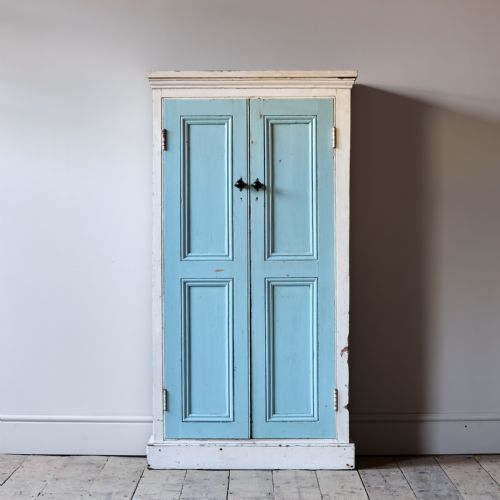
Buyers encounter various formats on this page, ranging from tall narrow housekeepers cupboards to two-part kitchen dressers and vented food safes. Many examples exhibit utilitarian origins from schools or country houses, shaped by the practical demands of food storage before modern refrigeration.
The aesthetic spans rustic farmhouse styles alongside painted finishes and stripped pine surfaces. Each cabinet demonstrates how domestic storage evolved from simple boarded boxes into compartmentalised larders fitted for kitchen utility.
How they were made
Constructed primarily from solid pine, these cabinets utilise traditional joinery such as pegged mortise and tenon frames, dovetailed drawers, and fielded panels. Iron and brass hardware, including hinges, latches, and ventilation grilles, secures the heavy doors and provides necessary airflow for perishable goods.
Surface treatments vary between original paint layers, such as cream or coloured pigments, and stripped or waxed finishes that expose the grain of the softwood. Glass panes appear in glazed display variations, while pierced metal or mesh vents feature in dedicated food storage cupboards.
Pine Larder Cabinet Retail Price Guide 2026
Typical asking prices for pine larder cabinet among the pieces listed under this phrase on Sellingantiques today, from the lower quarter to the upper quarter. They describe what is for sale here now, not the wider market.
Materials recorded across the inventory include painted pine, solid iron hardware, and glazed glass panels.
What varies in quality
The integrity of the timber and the preservation of original construction dictate the standing of a piece, with superior examples retaining their initial backing boards, internal shelving arrangements, and structural rigidity. Cabinets that avoid excessive timber replacement or unsympathetic alterations maintain greater architectural honesty.
The character of the surface finish plays a significant role, distinguishing items with undisturbed historic paintwork or well-waxed patination from those stripped down harshly. Refined proportion, such as well-balanced door panels and restrained decorative mouldings, separates standard utility pieces from finer country workshop productions.
The Pine Larder Cabinet Glossary
- Housekeeper's cupboard
- A large storage cabinet traditionally used in country houses to store linens, dry goods, or china under the care of the housekeeper.
- Fielded panel
- A central wood panel with bevelled edges that sits within a frame, allowing the timber to expand and contract with humidity changes.
- Food safe
- A specialised ventilated cabinet designed to keep perishable provisions away from insects while permitting air circulation through mesh or pierced metal panels.
- Dresser
- A multi-tier kitchen furniture piece combining lower cupboards with upper shelving or display racks for domestic pottery and provisions.
- Stripped pine
- Timber that has had later layers of paint or dark varnish removed down to the raw softwood, often subsequently treated with wax.
Pine Larder Cabinet: Frequently Asked Questions
What is a pine larder cabinet used for?
These cabinets serve as primary storage units for kitchen provisions, dry goods, and kitchenware. Their deep shelves and enclosed doors offer practical organisation for modern domestic spaces.
Historically, they functioned as food storage before mechanical refrigeration became common. Today, owners utilise them to store tableware, pantry items, or linens while adding traditional character to a room.
How do I care for a waxed pine cabinet?
Maintain waxed pine surfaces by dusting regularly with a soft cloth and applying a quality beeswax furniture polish periodically. Avoid placing these pieces near direct heat sources or damp areas.
Keep the timber away from prolonged direct sunlight to prevent uneven fading of the wood tone. Gentle upkeep preserves the historic patination accumulated over generations of use.
How do I distinguish Victorian pine from earlier periods?
Victorian pine pieces often feature machine-sawn timber components alongside hand-finished details, reflecting industrial manufacturing shifts during the nineteenth century. They frequently display bolder mouldings and standardised hardware compared to earlier items.
Georgian and early nineteenth-century examples tend to show entirely hand-planed surfaces and simpler, heavier pegged joinery. Examining the tool marks and construction methods inside the carcass reveals these chronological markers.
Are painted finishes on these cabinets original?
Many cabinets retain historic painted surfaces, though distinguishing original coats from later decorative painting requires close inspection of wear patterns. Layers of accumulated paint often show genuine age through craquelure and softening around frequently handled areas.
Some pieces were stripped down during twentieth-century revival movements to expose the raw grain of the pine. Evaluating the paint adherence around hinges and internal corners helps determine its age.