
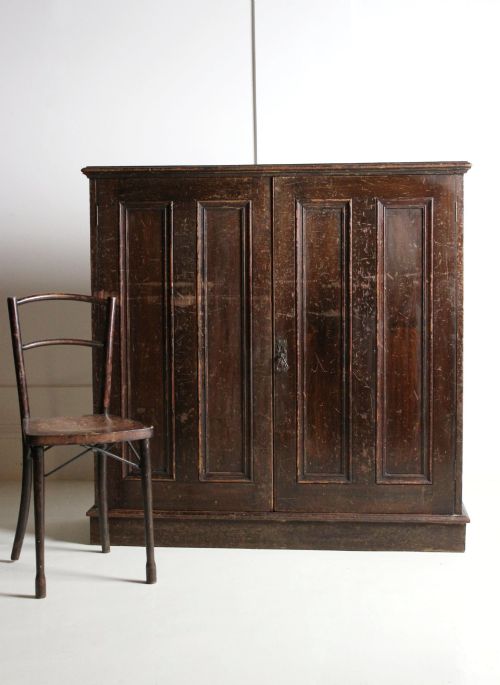
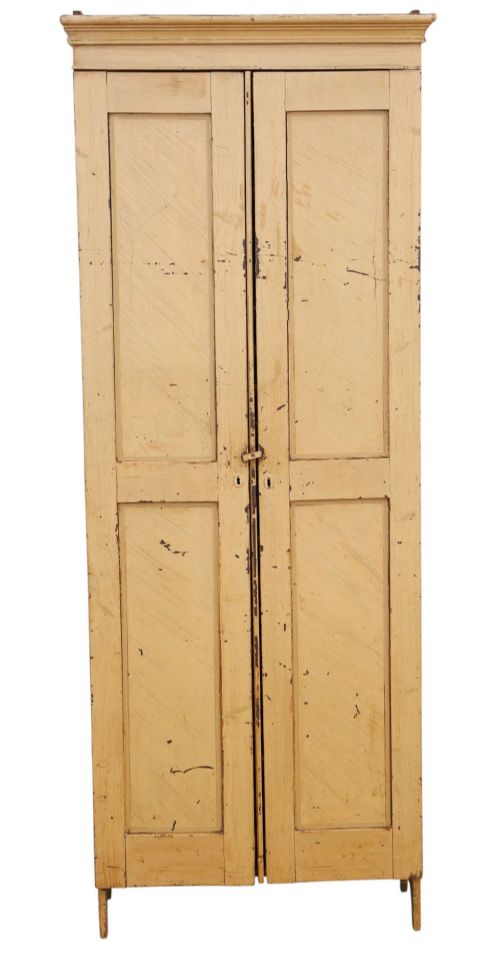
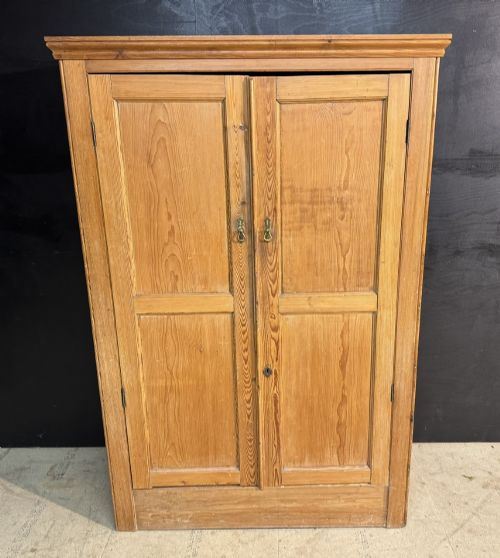
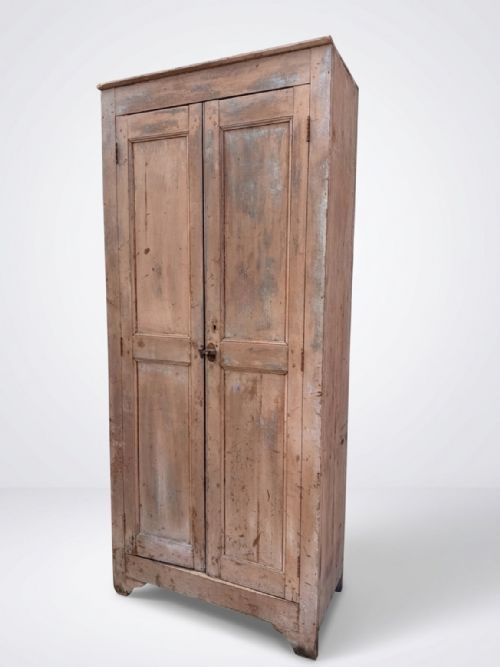
Pine Housekeepers Press Cupboard
A pine housekeepers press cupboard offers generous utility and vernacular charm, grounding modern rooms in robust nineteenth-century storage traditions.
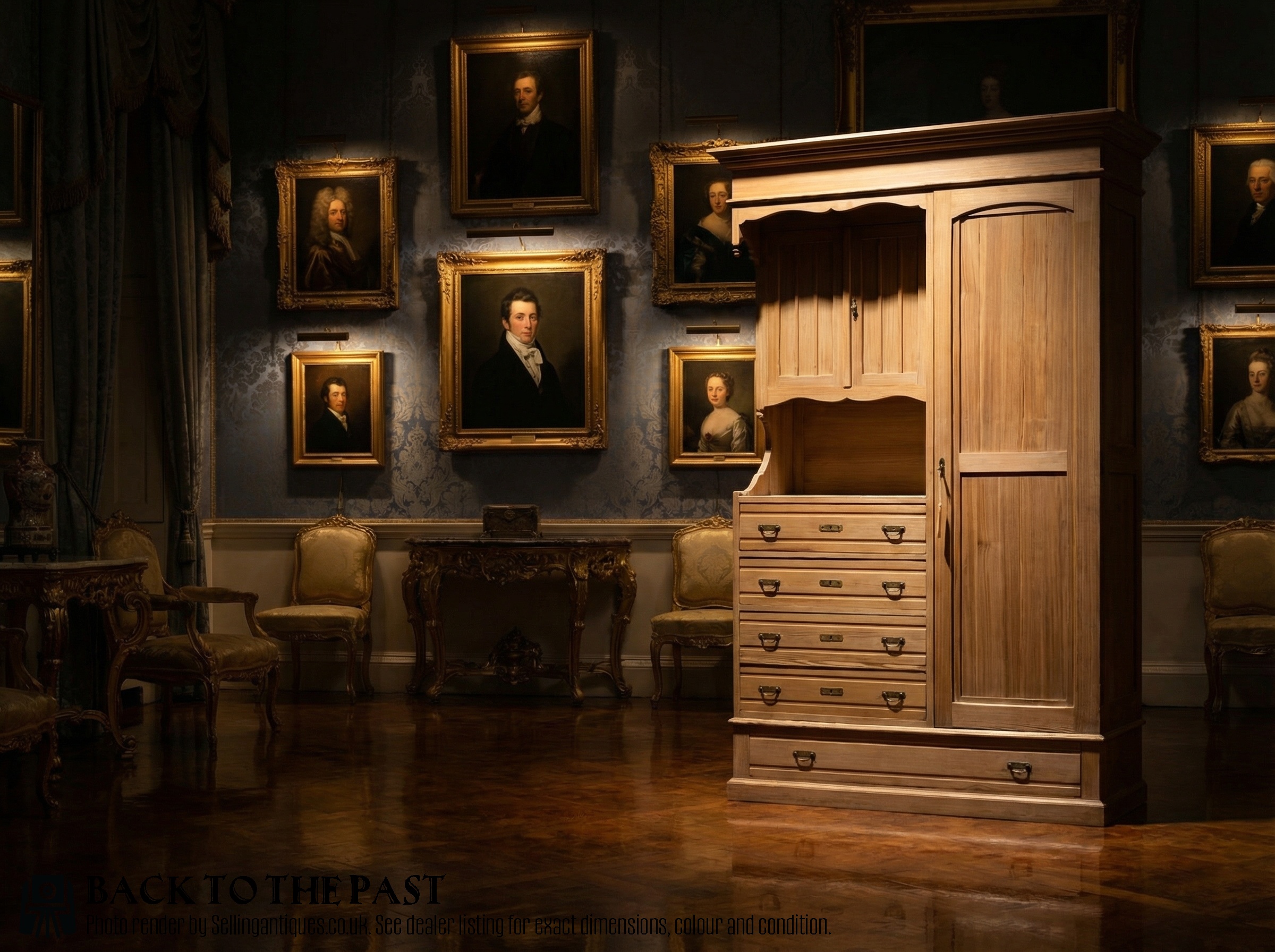
Pine Housekeepers Press Cupboard
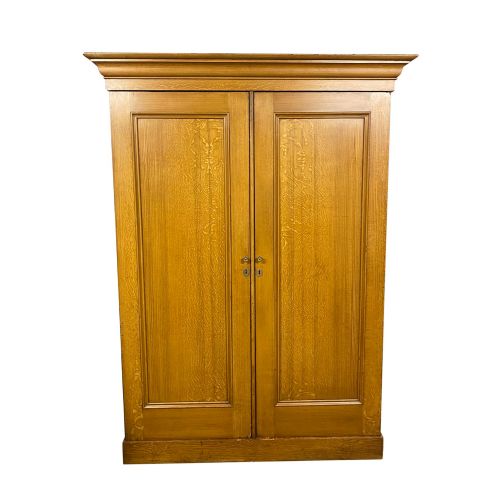
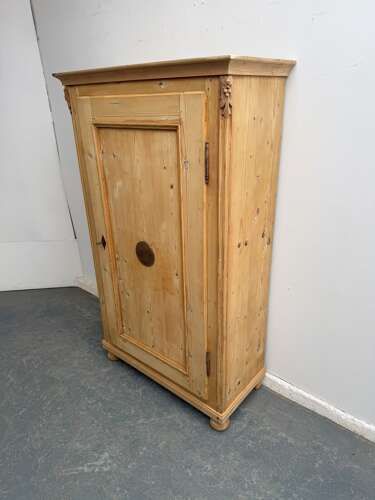
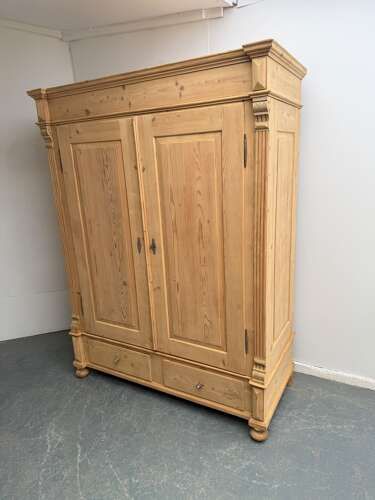
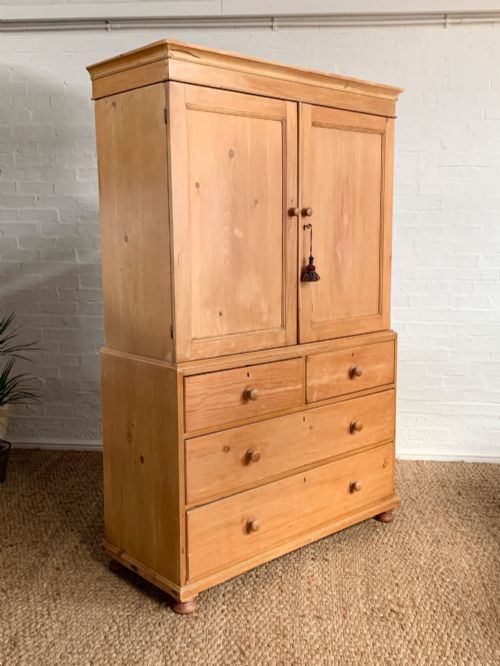
A pine housekeepers press cupboard stands as a substantial piece of domestic furniture designed primarily for storing household linens, provisions, and dry goods. When exploring this phrase, buyers encounter large functional cabinets originating mainly from the Georgian and Victorian periods, alongside later twentieth-century iterations.
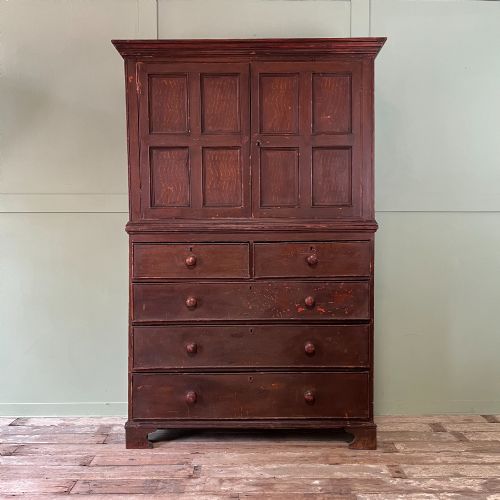
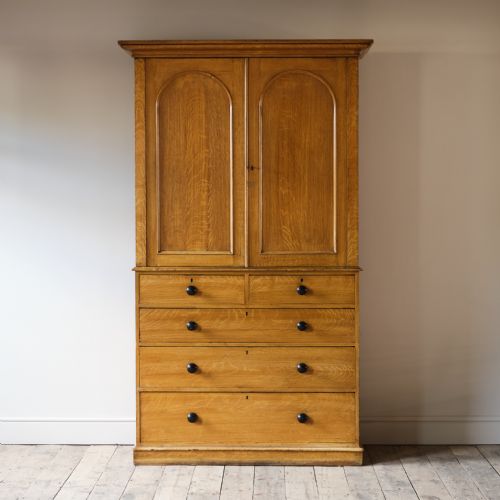
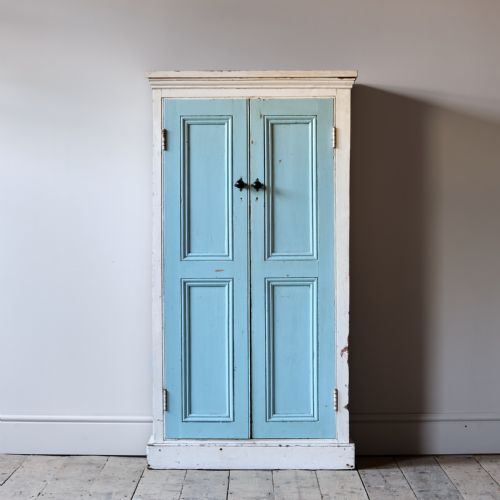
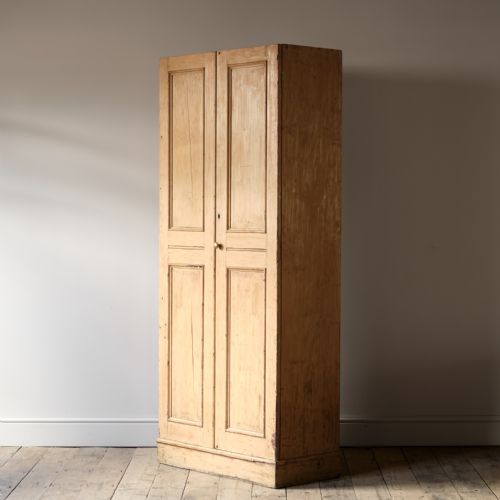
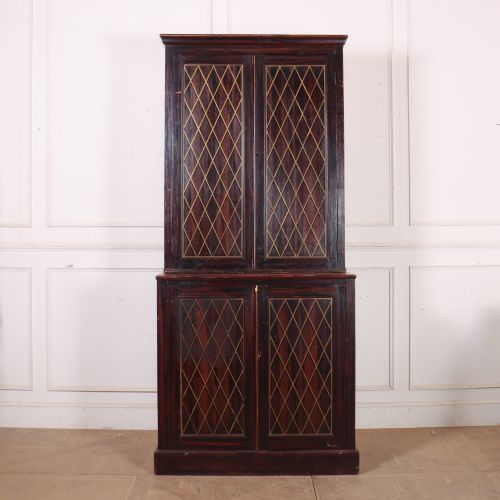
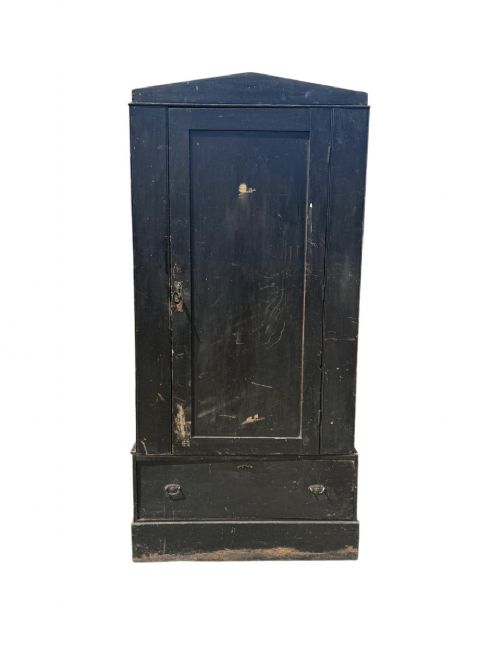
The versions most commonly met on this page span nineteenth-century vernacular and Victorian country styles, often retaining original paintwork, scumble glazes, or stripped wood surfaces. These pieces frequently combine upper shelving compartments with lower drawer sections or deeper cabinet bases to maximise practical storage capacity.
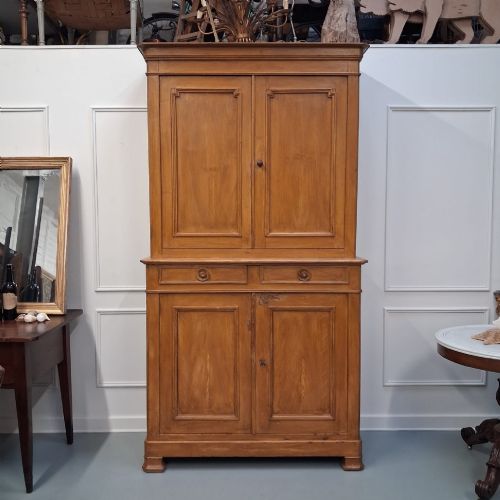
Regional variations appear across the selection, reflecting distinct Irish, French, and English rural workshop traditions. Whether configured as tall narrow larders, compactum wardrobes, or multi-door press cupboards, each survivor demonstrates the heavy-duty utility demanded by large historical households.
Construction and Materials
Makers built these substantial presses predominantly from solid pine, utilising timber thickness to withstand decades of heavy domestic use. Cabinet construction frequently employed traditional pegged joinery, panelled doors, and dovetailed drawers to ensure structural longevity.
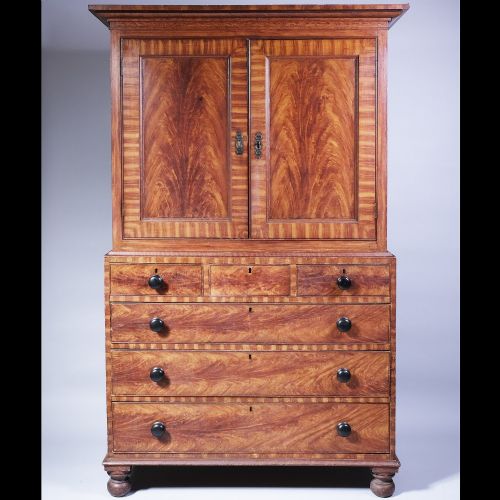
Surface treatments define much of the visual character recorded in the listings, with many examples preserving original coats of paint, decorative scumble glazes mimicking oak, or wax finishes. Iron and brass hardware, including strap hinges and key escutcheon plates, secured the heavy doors and completed the utilitarian design.
Several cupboards preserve traces of forgotten household linen inventories scrawled inside their doors by past housekeepers.
Defining Quality and Character
The distinction between standard utility items and finer examples rests upon the preservation of original surface treatments and untouched vernacular hardware. Pieces retaining their early paint finishes, scumble work, or natural waxed patination hold greater character than stripped equivalents.
Proportion and internal configuration dictate practical desirability, with well-balanced dimensions and original adjustable shelving or linen slides marking superior regional craftsmanship. The integrity of the timber, minimal alterations, and clean structural lines separate robust daily furniture from heavily restored items.
The Pine Housekeepers Press Cupboard Glossary
- Press cupboard
- A large storage cabinet traditionally used for linen and household stores, typically featuring upper shelving enclosed by doors above a lower section of drawers.
- Scumble paint
- A decorative translucent glaze applied over a base coat to simulate the grain of more expensive hardwoods like oak or walnut.
- Linen press
- A specialised piece of furniture designed to store folded textiles, often incorporating internal sliding trays or shelves.
- Vernacular furniture
- Domestic objects made by local craftsmen using regional styles and readily available native materials, prioritising utility over high-fashion academic design.
Pine Housekeepers Press Cupboard: Frequently Asked Questions
What is a pine housekeepers press cupboard?
A pine housekeepers press cupboard is a large historical storage cabinet built to hold household linens, clothes, or provisions. These pieces typically combine spacious upper compartments with lower drawer sections.
Originating mostly from eighteenth-century to early twentieth-century workshops, they served as central storage fixtures in large domestic settings. Today, they function as substantial wardrobes or kitchen larders in contemporary homes.
How were these cupboards originally used?
Housekeepers used these large presses to store freshly laundered household linens, folded blankets, and dry foodstuffs away from damp and dust. The deep shelving and lower drawers accommodated bulky textiles and heavy domestic equipment.
In modern interiors, their generous proportions make them suitable as hallway storage units, bedroom wardrobes, or freestanding kitchen larder cabinets.
How do I date an antique pine press?
Dating relies on examining construction methods, timber preparation marks, hardware types, and stylistic details. Georgian and early Victorian examples often display hand-sawn boards, pegged joints, and original iron or brass fittings.
Later nineteenth-century and early twentieth-century pieces may show machine-sawn components while retaining traditional vernacular proportions and painted finishes.
Should I choose painted or stripped pine?
Choosing between painted and stripped pine depends on the existing interior decor and the historical finish of the specific piece. Many listings feature original paintwork, scumble glazes, or early wax patination that adds authentic historical character.
Stripped pine exposes the warm natural grain of the softwood, offering a cleaner, more neutral appearance suited to various room settings.