

Pine Furniture Storage Chest
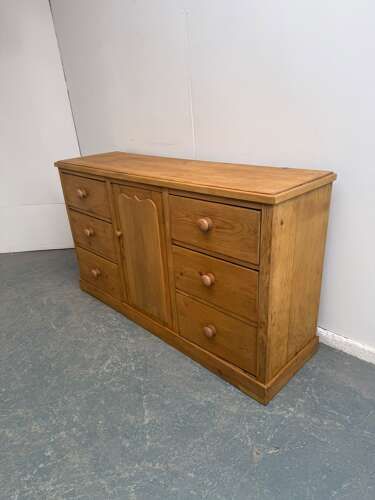
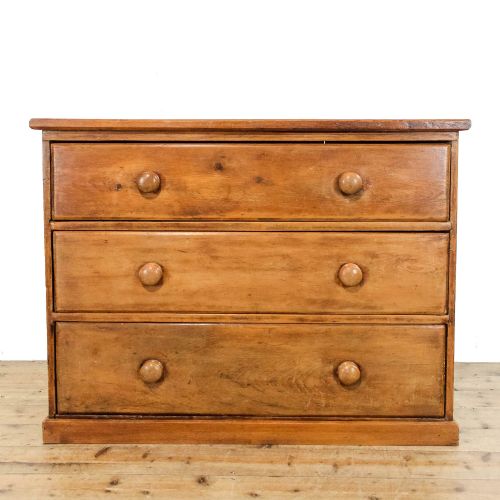
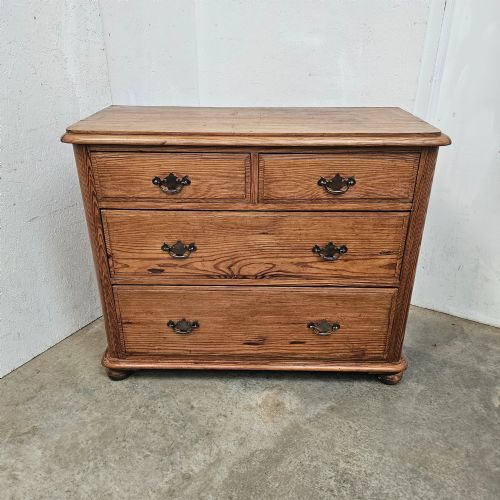
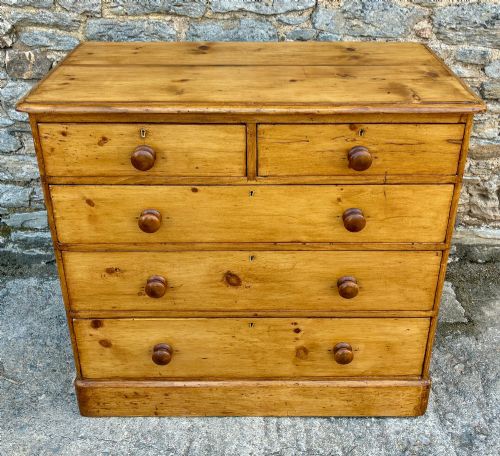
These pine furniture storage chest options bring practical utility and vernacular charm to domestic interiors, spanning various periods and regional styles.
Pine Furniture Storage Chest
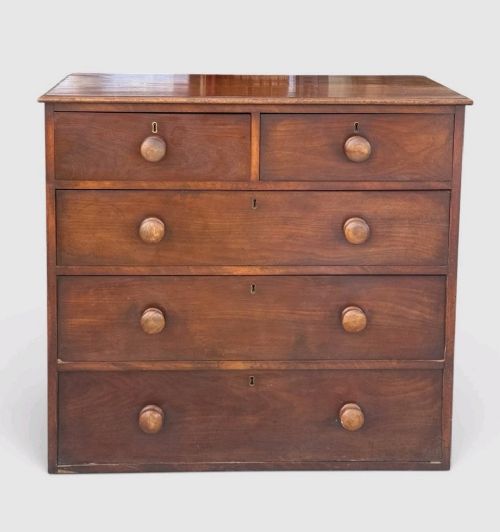
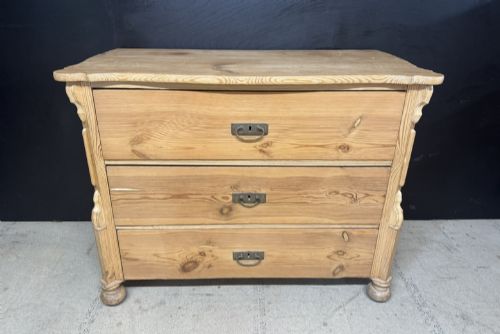
A pine furniture storage chest search brings up robust receptacles designed for domestic organisation, predominantly represented by chests of drawers and storage trunks from the nineteenth century. Buyers encounter pieces ranging from simple vernacular bedroom storage to heavily decorated or regional examples.
Materials and construction
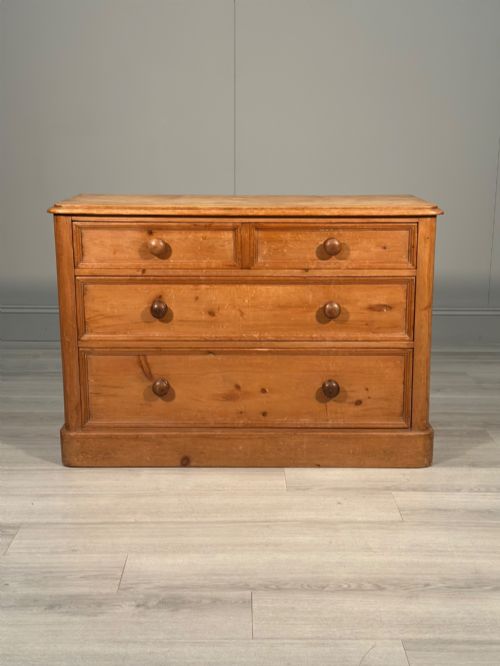
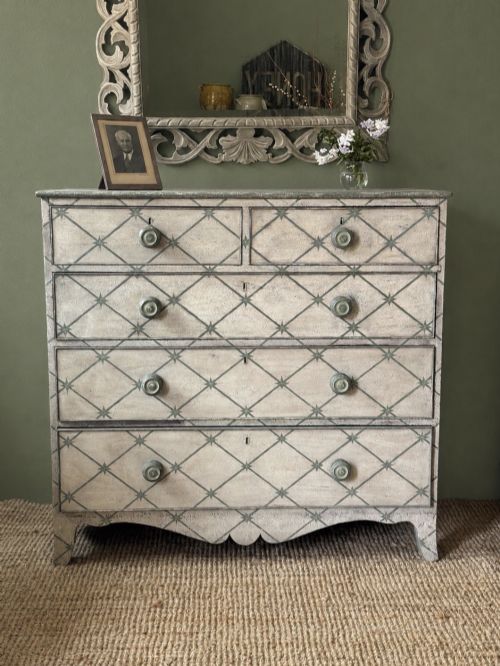
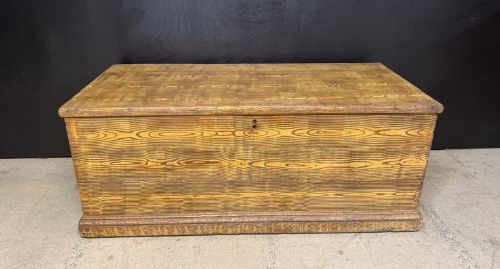
Makers utilised native and pitch pine for carcases and drawers, frequently employing brass, iron, and metal for hardware reinforcements, drop handles, and locking mechanisms. Surfaces were treated with clear wax, scumble paint, or decorative stencilling to alter the raw appearance of the wood.
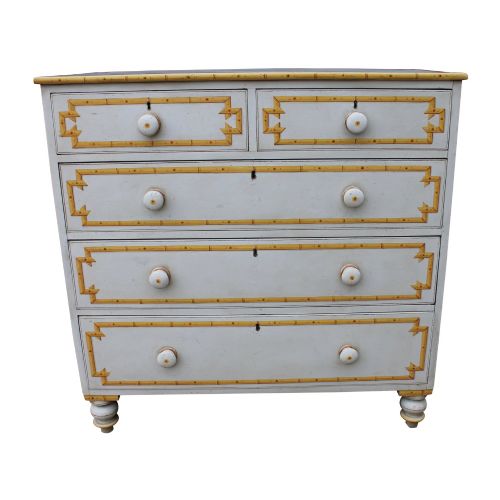
Construction methods rely on traditional joinery suited to heavy domestic use, accommodating timber movement across seasonal changes. Painted finishes and faux bamboo detailing reveal diverse workshop practises across different stylistic movements.
Assessing the standard
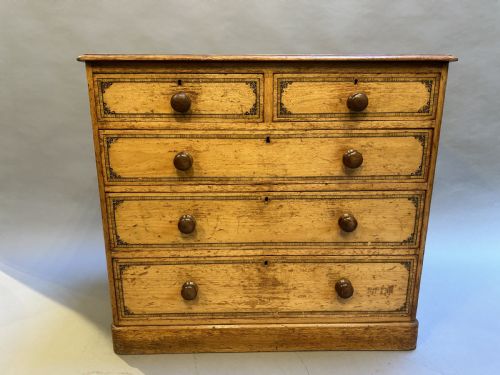
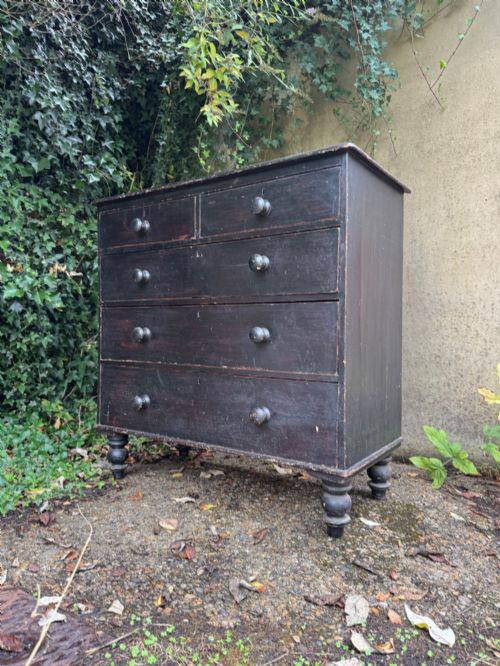
Quality rests upon the intact survival of original surface treatments, whether scumbled paint, historic wax, or polychrome decoration. Pieces retaining their initial unstripped timber or untouched paint layers command greater interest among purists.
Structural integrity of drawer runners, dovetail joints, and proportion dictates the tier of craftsmanship. Finer examples display deliberate styling, such as Aesthetic Movement details or well-balanced cabinet proportions, rather than purely utilitarian assembly.
The Pine Furniture Storage Chest Glossary
- Pitch pine
- A dense, resinous softwood sourced primarily from North America, noted for its prominent grain pattern and durability. It provides a harder wearing surface than standard softwoods.
- Scumble paint
- A translucent or opaque glaze applied over a base coat and manipulated with combs or rags to simulate grained wood. This decorative technique was widely utilised during the Victorian era.
- Mule chest
- A storage chest fitted with one or more drawers at the base, bridging the evolution between traditional blanket chests and modern drawer units. They typically date from the Georgian period.
- Campaign chest
- A modular chest designed to dismantle into sections for transport by military officers. These pieces incorporate recessed brass handles and corner brackets to withstand travel.
- Aesthetic Movement
- A late nineteenth-century design style emphasising visual beauty over narrative subject matter. Furniture from this period incorporates simplified lines and orientalising influences.
Pine Furniture Storage Chest: Frequently Asked Questions
How do I date a pine chest?
Dating relies on construction methods, hardware types, and stylistic indicators such as drawer dovetails and timber selection. Pieces from the Georgian era show different joinery characteristics compared to later Victorian iterations.
Surface finishes also guide dating, as nineteenth-century pieces often retain original scumble paint, wax, or stencilling that differs from later stripped surfaces.
What is pitch pine?
Pitch pine is a heavier, more resinous softwood variety used for robust furniture production. It possesses a distinctively bold grain structure.
This material resists wear better than standard pine, making it suitable for larger storage furniture and Wellington chests.
Are painted finishes original?
Original paint surfaces appear as scumble glazes, flat colours, or decorative stencilling applied during the manufacturing period. Surviving examples display wear and patina consistent with age.
Stripped pine furniture has often lost its historic coatings, whereas untouched pieces retain their initial decorative scheme.
How were mule chests used?
Mule chests combined deep upper storage compartments with accessible lower drawers for clothing and household linens. They served dual functions in domestic spaces before dedicated wardrobes became common.
The inclusion of drawers marked a transition in furniture design toward more organised storage.