

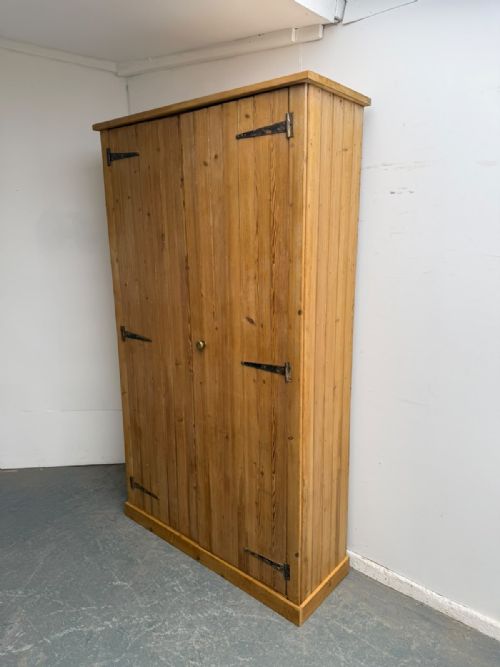


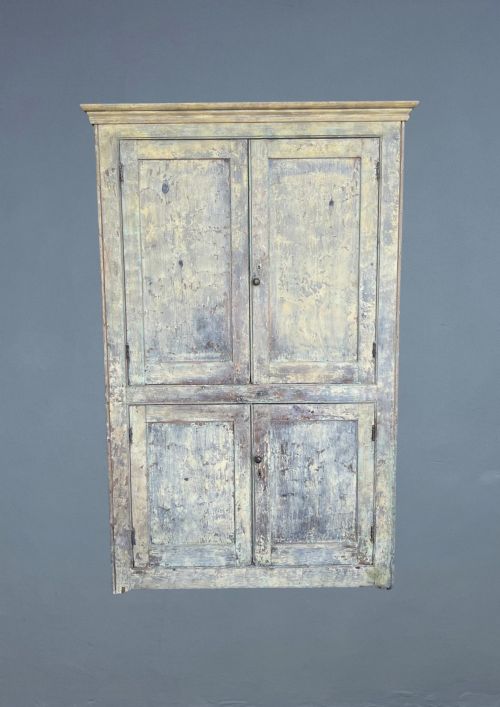

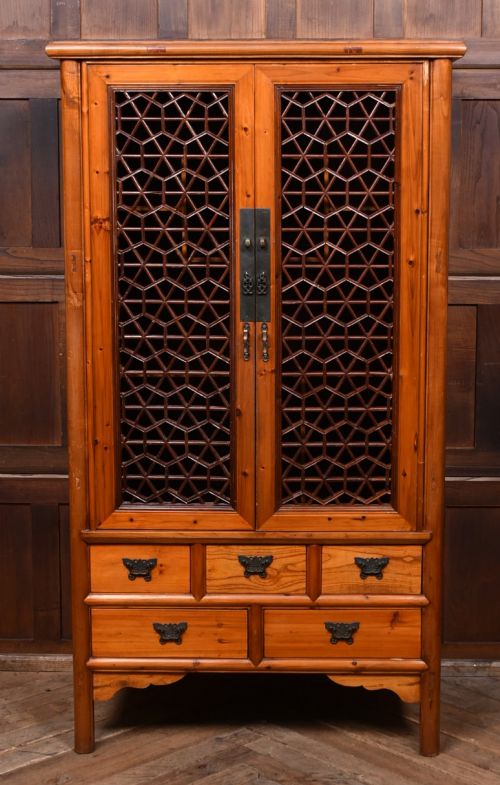
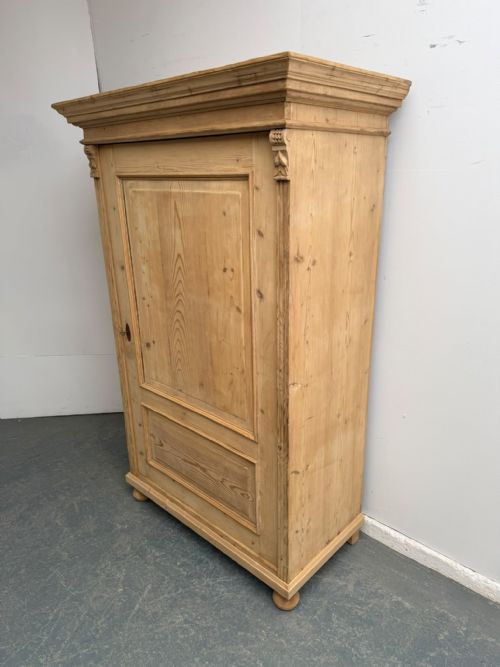


Pine Freestanding Pantry Cupboard
Pine freestanding pantry cupboard examples offer practical domestic storage rooted in centuries of utilitarian design, ideal for bringing country character into modern kitchens.
Pine Freestanding Pantry Cupboard
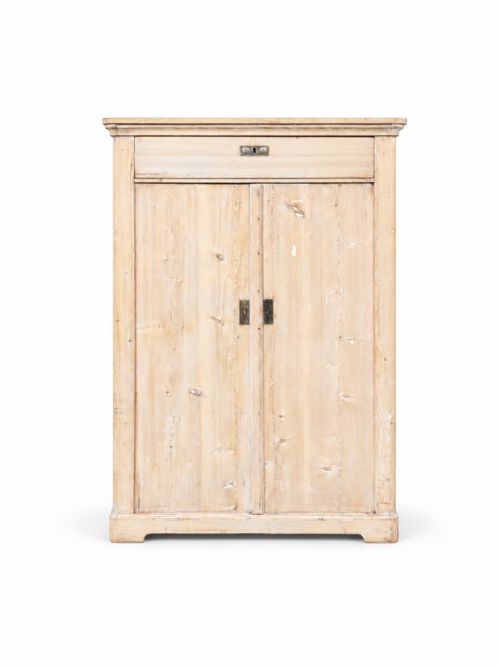
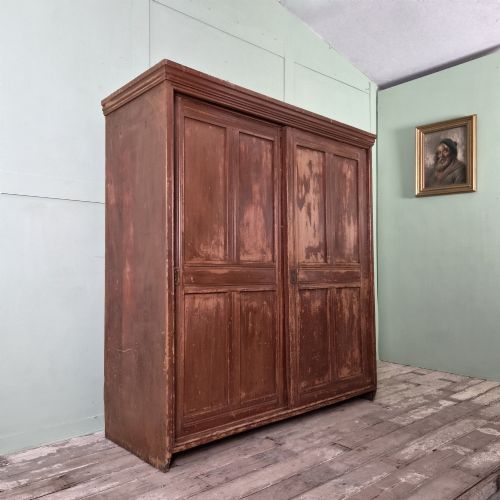
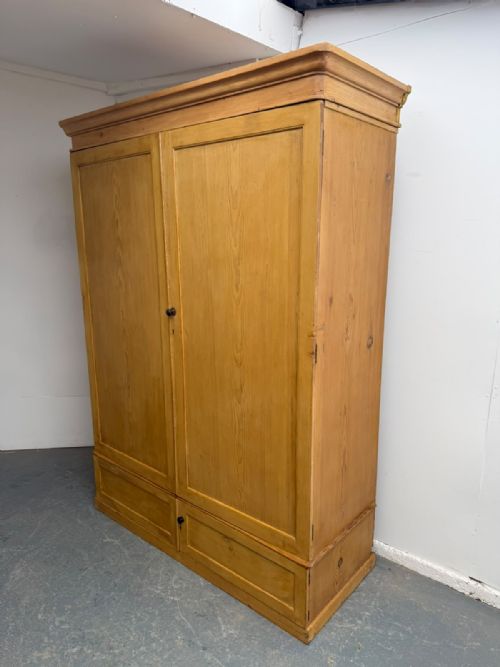
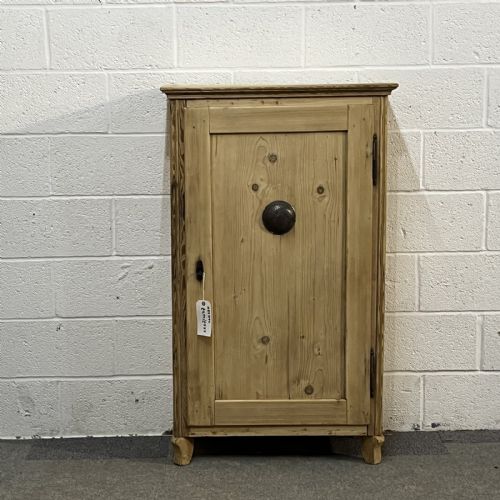
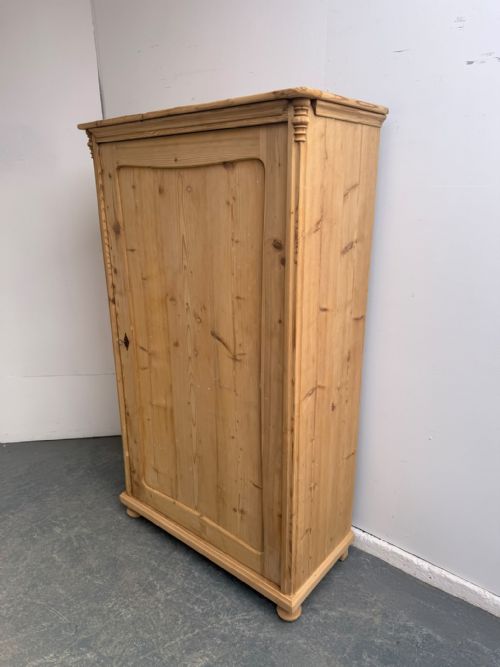
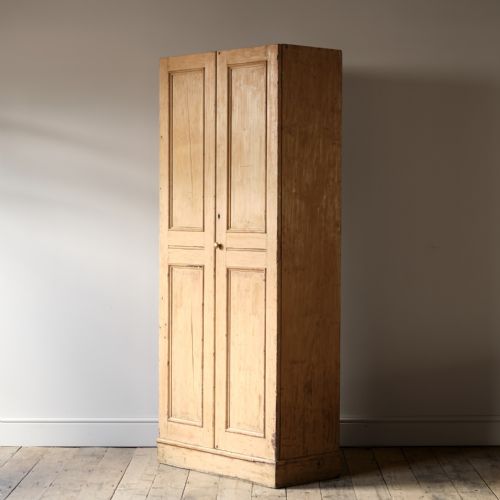
A pine freestanding pantry cupboard is a substantial household storage piece designed for provisions, kitchenware, and linens, originating primarily from domestic contexts such as farmhouses, country houses, and schools. Buyers searching for a pine freestanding pantry cupboard will encounter diverse regional forms spanning the eighteenth, nineteenth, and early twentieth centuries, including multi-door storage units, housekeepers' cupboards, and larder cupboards.
The selections available range from large two-part kitchen cupboards and breakfront dressers to single-door vented cupboards and food safes. British, French, and East European examples appear frequently, reflecting different local traditions of rural and domestic joinery.
Many of these pieces arrive finished in original paint, stripped pine, or waxed surfaces, showing the marks of long daily use in sculleries and pantries.
How they were made
Construction relies heavily on solid pine timbers, selected for availability and workability in domestic furniture production. Cabinetmakers utilised traditional joining methods alongside iron and brass hardware such as hinges, handles, and ventilation grilles.
Surfaces were frequently treated with protective or decorative coatings, resulting in pieces finished with wax, applied paint layers, or stripped bare timber. Glazed doors, beaded panels, and louvered or vented sections were incorporated into specific designs to keep food stores dry and ventilated.
Pine Freestanding Pantry Cupboard Retail Price Guide 2026
Typical asking prices for pine freestanding pantry cupboard among the pieces listed under this phrase on Sellingantiques today, from the lower quarter to the upper quarter. They describe what is for sale here now, not the wider market.
Listings feature pine freestanding pantry cupboards spanning the eighteenth, nineteenth, and early twentieth centuries, incorporating brass, iron, paint, glass, and waxed pine surfaces.
What varies in quality
The character of a pine freestanding pantry cupboard is largely determined by the integrity of its timber, the presence of original fittings like brass or iron hardware, and the survival of early painted or waxed surfaces. Pieces retaining their original configuration of internal shelving, drawers, and doors demonstrate greater architectural completeness.
Proportions and regional vernacular details further distinguish individual examples, separating standard utilitarian workshop output from more ambitious country house and provincial joinery.
The Pine Freestanding Pantry Cupboard Glossary
- Housekeeper's cupboard
- A large storage cabinet traditionally used for linens, dry goods, and kitchen provisions in substantial domestic homes. These often feature multiple doors and internal shelving.
- Larder cupboard
- A tall storage unit designed specifically for food preservation and storage, frequently incorporating ventilated panels or mesh doors to maintain air circulation. They are essential examples of functional rural furniture.
- Stripped pine
- Timber that has had later layers of paint or dark varnish removed to reveal the raw grain of the wood. This treatment became a popular method for presenting antique pine furniture.
- Fielded panel
- A raised wooden panel set within a frame, commonly used on cupboard doors to add structural stability and decorative depth. It is a standard feature of traditional cabinetmaking.
- Breakfront
- A piece of furniture featuring a central section that projects forward from the flanking outer sections. This architectural arrangement adds visual weight and presence to larger kitchen cupboards.
Pine Freestanding Pantry Cupboard: Frequently Asked Questions
What is a pine freestanding pantry cupboard?
A pine freestanding pantry cupboard is a movable storage unit built to hold food, utensils, or household linens. They were standard fixtures in historical kitchens, sculleries, and larders before fitted cabinetry became common.
These cabinets rely entirely on their own structure for support rather than being fixed to walls. Their interiors typically feature timber shelving configured for organising domestic provisions.
How do you date an antique pine cupboard?
Dating relies on construction methods, timber characteristics, hardware types, and stylistic indicators such as Georgian proportions or Victorian paneling. Nails, hinges, and joint types provide clear clues to the decade of manufacture.
Original paint finishes or surface patination also help establish the age of the piece. Comparing construction details against known period examples confirms the likely era.
Are painted pine cupboards original?
Many cupboards retain early or original painted finishes applied during the eighteenth or nineteenth centuries. Paint protected the softwood timber and suited the functional aesthetic of rural domestic interiors.
Other pieces were stripped to the bare wood during later restoration periods. Examining the layers within the wood grain often reveals whether a painted surface has historical depth.