

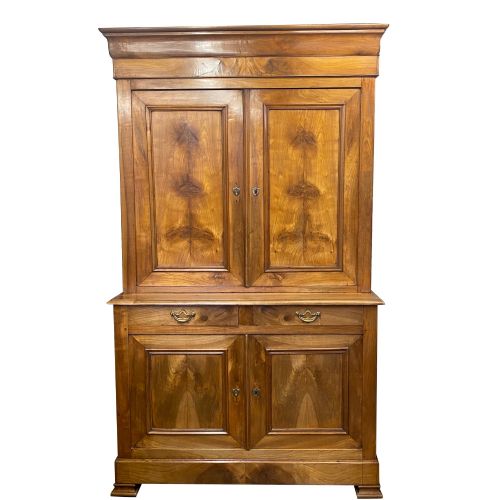
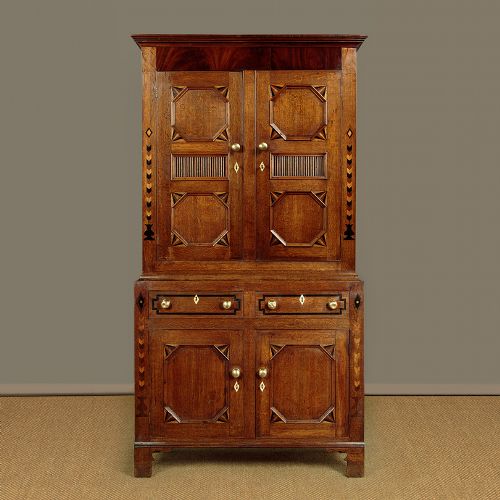


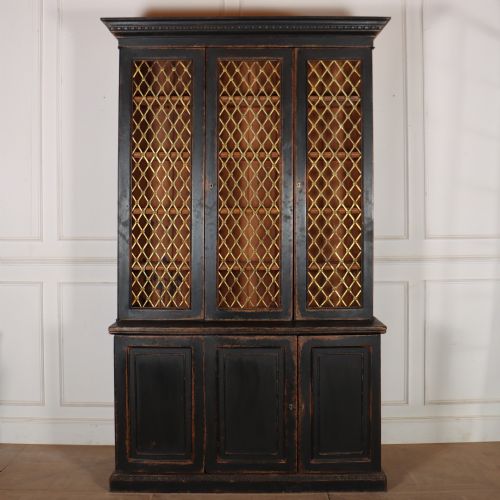
Nineteenth Century Housekeeper Cupboard
A nineteenth century housekeeper cupboard is a sturdy domestic storage piece designed for provisions and linen, prized for generous proportions and honest craft.
Nineteenth Century Housekeeper Cupboard
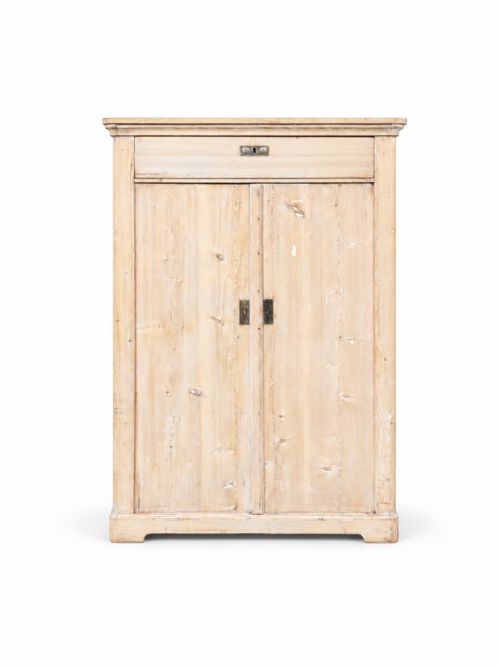
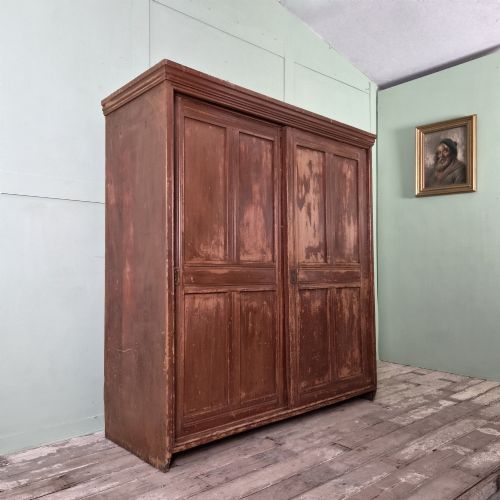
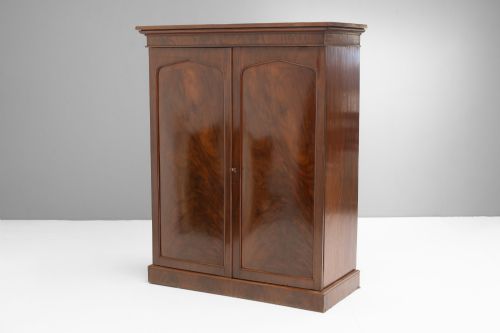
A nineteenth century housekeeper cupboard serves as a substantial storage unit found in traditional homes, utilised for organising household provisions, linens, and domestic utensils. These functional pieces range from simple utilitarian pine constructions to more formal interpretations in mahogany and cherry wood.
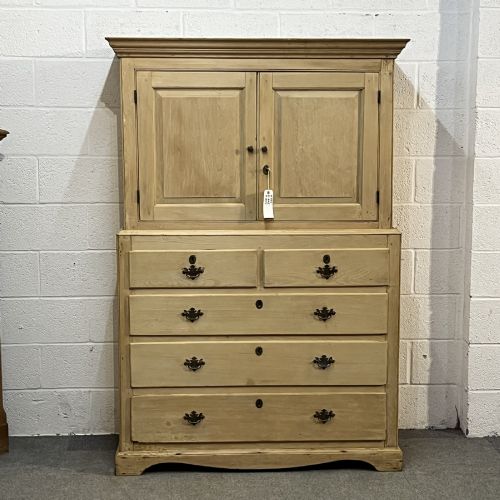
Buyers encountering this category will frequently see regional variations such as Welsh vernacular designs, French provincial armoires, and standard Victorian country pieces. Common forms encompass linen presses, two-part storage cabinets, and sliding door cupboards built to last generations.
The materials and styles reflect the domestic needs of the nineteenth century, blending robust utility with local aesthetic preferences. Whether built from stripped pine, solid oak, or painted woods, each example carries the practical hallmarks of its era.
How they were made
Carpenters constructed these cupboards using solid timbers like oak, pine, mahogany, and cherry wood, often joining sections with traditional methods to withstand heavy daily use. Interiors frequently incorporate multiple internal drawers and shelving configurations designed to keep household stores orderly.
Hardware details such as brass handles and iron hinges secure the heavy doors and drawers, while sliding door mechanisms appear on select pine variants for efficient space-saving. Surface treatments vary from natural waxed finishes to painted pine and intricate inlaid decoration.
Nineteenth Century Housekeeper Cupboard Retail Price Guide 2026
Typical asking prices for nineteenth century housekeeper cupboard among the pieces listed under this phrase on Sellingantiques today, from the lower quarter to the upper quarter. They describe what is for sale here now, not the wider market.
What varies in quality
The choice of timber dictates much of the character and standing of a piece, moving from utilitarian painted pine built for modest service to richly figured mahogany and solid cherry wood fashioned for finer rooms. Secondary woods and internal drawer construction reveal the care taken by the original maker.
Subtleties in regional design, such as Welsh inlaid decoration or French provincial proportions, separate standard utility cupboards from more distinctive vernacular examples. Original hardware like brass fittings and intact sliding mechanisms further elevate the integrity of a piece.
The Nineteenth Century Housekeeper Cupboard Glossary
- Linen press
- A tall cupboard featuring sliding trays or drawers in the upper section for storing textiles and garments. This form was essential in large Victorian households.
- Bread and cheese cupboard
- A regional vernacular storage piece featuring perforated panels or slats to allow air circulation around perishable food stores. These items often display traditional local woodworking techniques.
- Two-part cupboard
- A large storage unit constructed in upper and lower sections to ease transport and placement within the home. This modular approach was common for heavy nineteenth century furniture.
- Vernacular style
- Furniture built by local tradesmen using regional materials and traditions rather than following metropolitan fashion. These pieces offer a direct link to specific rural communities.
- Stripped pine
- Wood that has been chemically or mechanically cleared of later paint layers to reveal the pale grain beneath. This finish highlights the knots and growth rings of the softwood.
Nineteenth Century Housekeeper Cupboard: Frequently Asked Questions
What is a housekeeper cupboard?
A housekeeper cupboard is a large nineteenth century storage unit originally used in domestic service for housing household linens, dry goods, and provisions.
These pieces typically feature deep cupboards and multiple drawers, providing substantial capacity for organising a traditional household.
How were these cupboards used?
Housekeepers utilised these large cabinets in the service quarters or back rooms of substantial homes to keep household stores secure and clean.
The internal shelving and drawers accommodated everything from folded bed linen to dry foodstuffs and domestic equipment.
Are these cupboards heavy?
Nineteenth century storage pieces are constructed from solid hardwoods and dense softwoods, making them exceptionally heavy and robust.
Many larger examples, particularly two-part cupboards and linen presses, were built in separate sections to assist with moving and installation.