





Pale Pine Cabinet
A pale pine cabinet brings honest utility and quiet warmth to a room, offering practical storage through stripped grain or original paint.
Pale Pine Cabinet
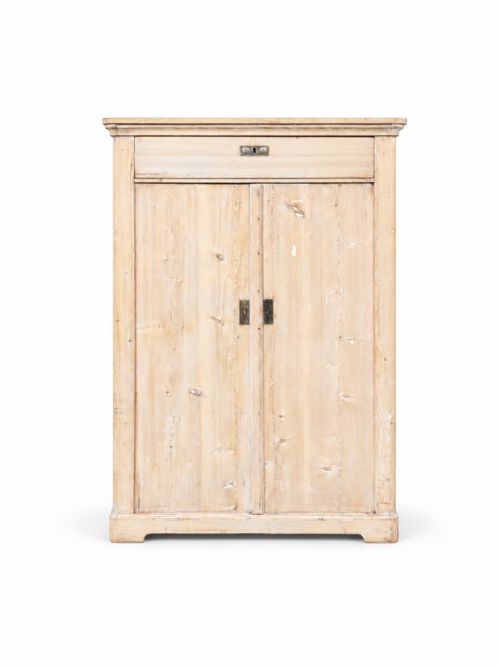
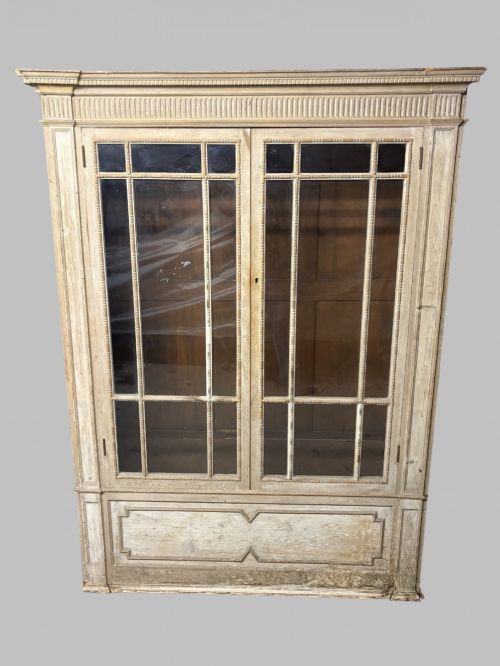
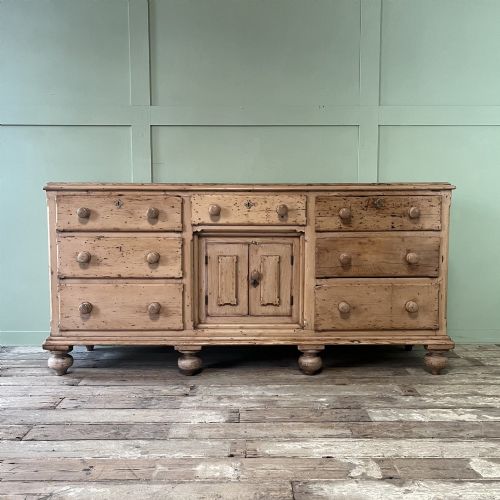
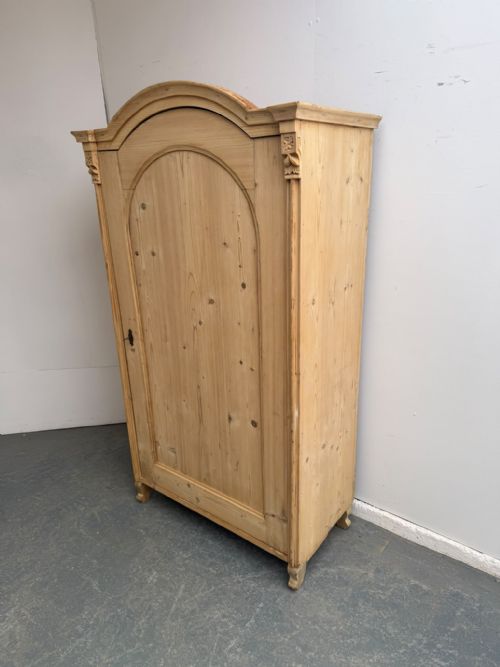
When you search for a pale pine cabinet, you encounter versatile storage furniture originating from nineteenth-century domestic settings across Britain, France, Sweden, and the wider European countryside. These pieces range from narrow wall-mounted cupboards and shallow arched storage to grand housekeepers cupboards, bureau bookcases, and kitchen dressers.
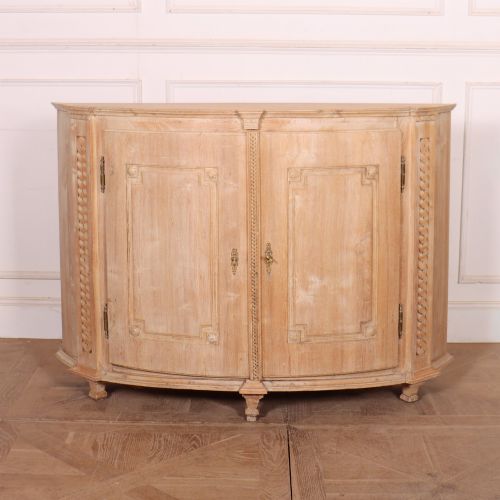
On this page, you are most likely to meet pieces from the Victorian era and the broader nineteenth century, alongside occasional early twentieth-century examples. They appear in stripped wood or with original scraped paint, reflecting English, Scandinavian, and French country traditions.
How they were made
Construction relies primarily on solid pine, shaped into functional forms like knockdown wardrobes, linen cupboards, and food cupboards. Iron, brass, and ceramic fittings provide hinges, handles, and locks, while glass panels appear in bookcase doors.
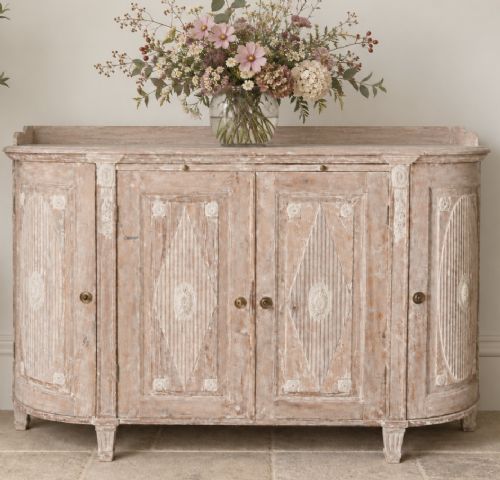
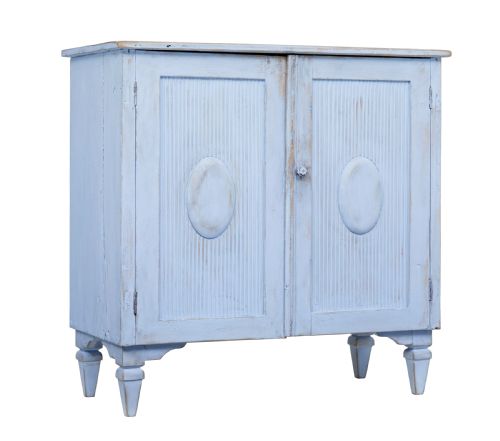
Surfaces receive different treatments depending on their origin and subsequent history. Many examples feature painted wood or original scraped paint schemes, particularly in Swedish and French pieces, whilst others are prepared for waxing or left stripped.
Pale Pine Cabinet Retail Price Guide 2026
Typical asking prices for pale pine cabinet among the pieces listed under this phrase on Sellingantiques today, from the lower quarter to the upper quarter. They describe what is for sale here now, not the wider market.
Some nineteenth-century wardrobes were built to take apart completely because staircases in old farmhouses simply refused to cooperate with giant pine boxes.
What varies in quality
Quality rests in the proportion and integrity of the timber, distinguishing simple utility boxes from finer architectural forms with arched fronts, breakfront designs, or fitted bureau interiors. The presence of original surface treatments, whether scraped paint or honest historical patina, elevates a piece significantly.
Joinery standards also divide the range, separating straightforward country vernacular work from more deliberate cabinet-making seen in glazed bookcases and substantial linen cupboards. The balance between practical proportion and decorative detail dictates the standing of each item.
The Pale Pine Cabinet Glossary
- Bureau cabinet
- A hybrid form combining a sloping writing desk compartment with enclosed shelving or cupboard space above.
- Breakfront
- A piece of furniture where the central section projects forward from the flanking outer sections.
- Housekeepers cupboard
- A large storage unit traditionally used for linens and provisions in a domestic household.
- Knockdown wardrobe
- A large wardrobe designed to be easily disassembled into panels for transport and reassembly.
- Scraped paint
- A conservation term for paintwork that has been carefully revealed by removing later overcoats down to an earlier layer.
Pale Pine Cabinet: Frequently Asked Questions
Where were these cabinets made?
These pieces originate from various regions, including English country workshops, French provinces, and Swedish estates.
Makers built them for everyday domestic storage in kitchens, bedrooms, and sculleries using locally available softwoods.
How do I care for a painted pine cupboard?
Painted pine requires gentle cleaning with a dry or barely damp cloth to protect the historic surface layer.
Avoid harsh chemical cleaners that might strip original scraped paint or damage the underlying wood.
How do I distinguish Swedish from English styles?
Swedish pieces frequently display lighter painted finishes, Gustavian influences, and clean architectural lines.
English country pieces tend to show rustic farmhouse characteristics, breakfront proportions, or stripped wax-ready surfaces.