



Pine Dresser Three Drawers
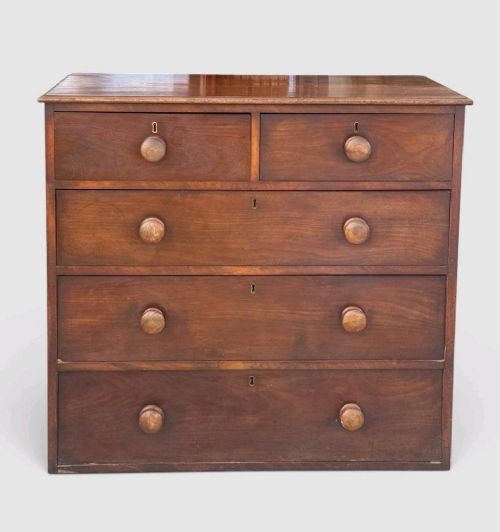
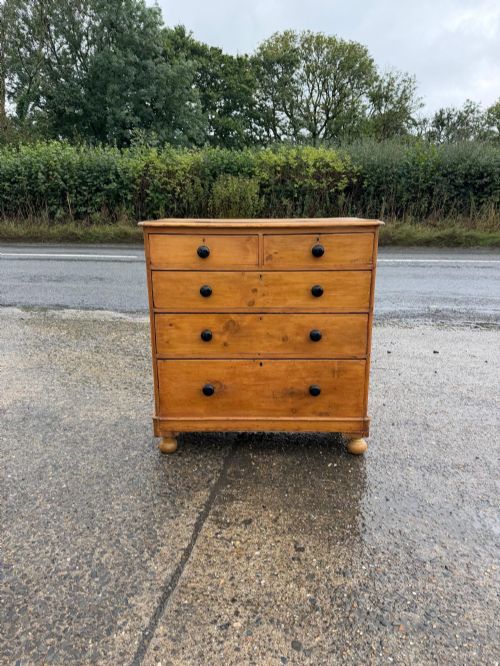
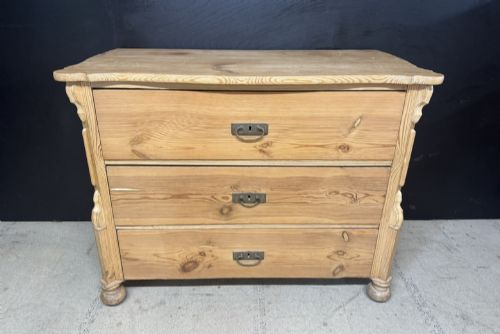
These pine dresser three drawers pieces combine functional storage with the honest charm of everyday historical joinery.
Pine Dresser Three Drawers
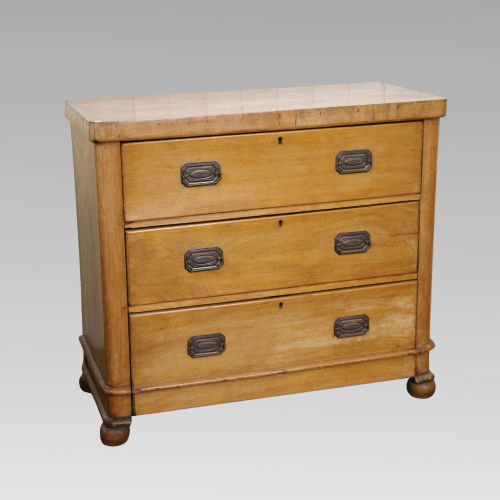
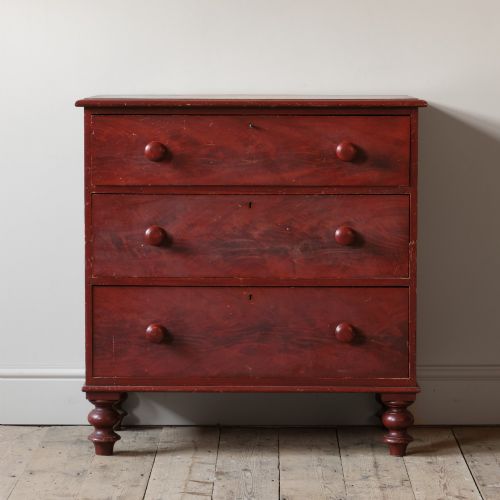
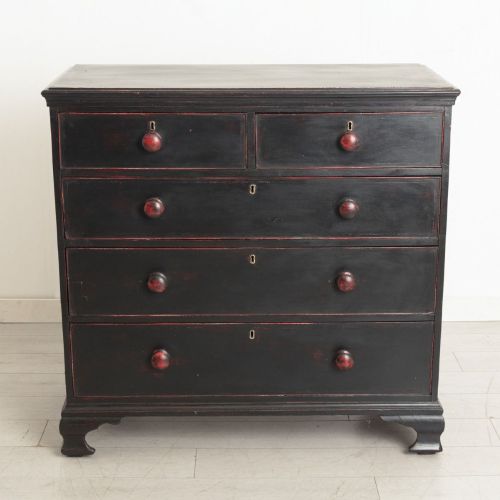
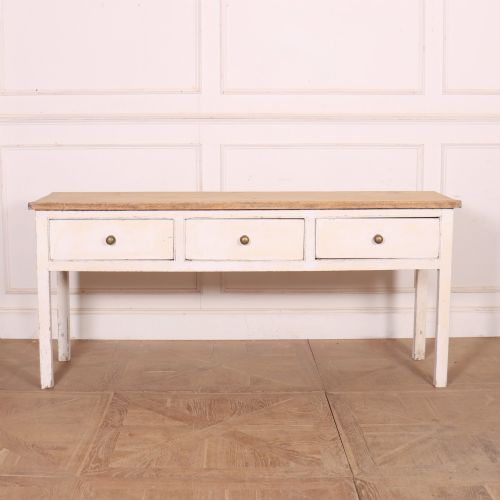
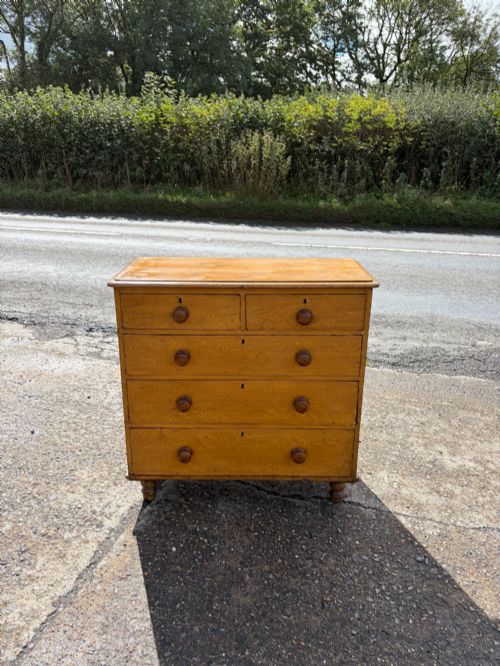
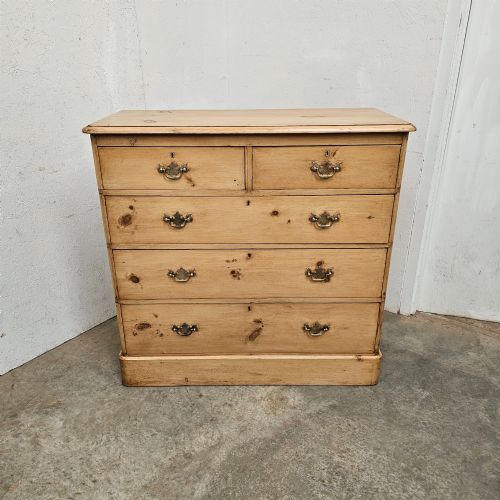
A search for pine dresser three drawers brings up a varied selection of domestic storage furniture made largely from softwood timber. Buyers encounter items ranging from low dresser bases and serving tables to classic multi-drawer chests.
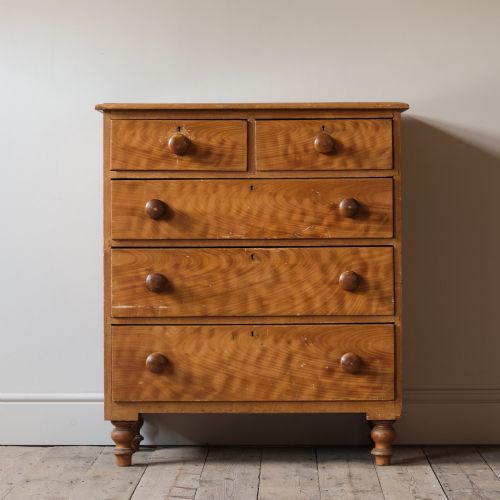
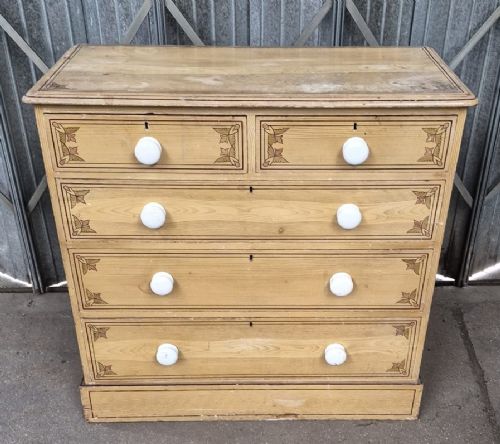
The pieces appearing on this page span several historical periods, notably the Victorian era and the nineteenth century alongside eighteenth-century examples and Edwardian items. Common configurations include straightforward three-drawer layouts as well as two-over-three drawer arrangements.
Stylistic influences vary significantly across the inventory, encompassing English country and Victorian rustic forms alongside Gustavian and Aesthetic Movement designs. Regional origins also stretch across different areas, including Swedish and Hungarian workshops.
Materials and construction methods
Makers relied primarily on pine timber for carcases and drawers, sometimes utilising oregon pine or applying a wax finish to nourish the wood grain. Metal hardware such as brass handles and iron fittings frequently complement the wooden construction.
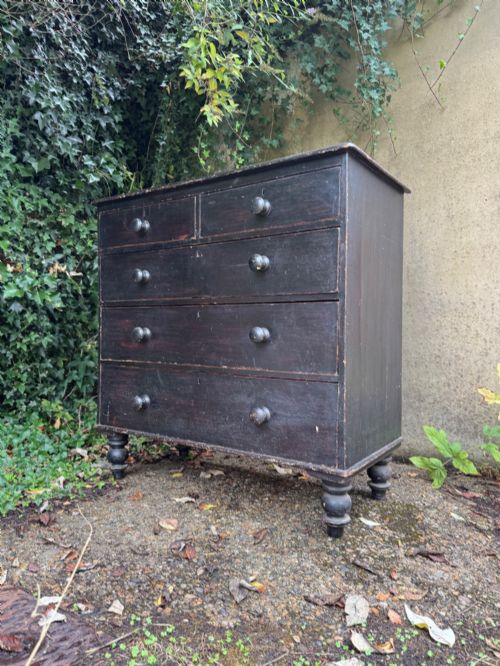
Many surfaces display applied coatings, ranging from modern paint finishes to original hand-painted treatments, blue or light grey paint, and traditional graining techniques. Decorative elements occasionally include carved details and faux bamboo turning.
Pine Dresser Three Drawers Retail Price Guide 2026
Typical asking prices for pine dresser three drawers among the pieces listed under this phrase on Sellingantiques today, from the lower quarter to the upper quarter. They describe what is for sale here now, not the wider market.
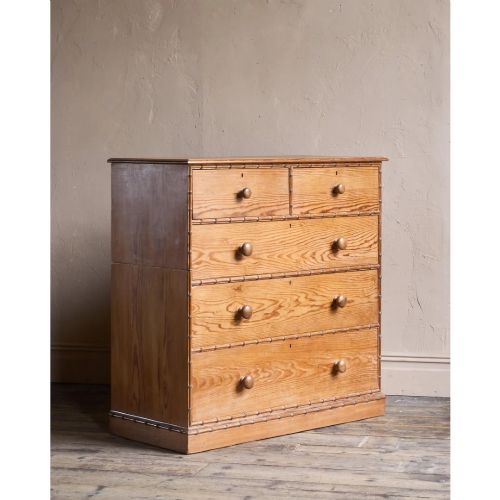
One unexpected piece of bamboo-turned pine proves that nineteenth-century cabinetmakers loved a convincing botanical disguise just as much as we do.
Factors influencing overall quality
The distinction between standard examples and superior pieces rests on the integrity of the original surface finishes, such as untouched paint, period graining, or well-maintained wax patination. Retaining original brass or iron hardware adds significantly to a piece's integrity.
Construction details also dictate standard, with careful joinery in the drawer carcases and substantial timber thickness separating robust examples from lighter utility items. Pieces featuring specific stylistic flourishes or regional origin points often demonstrate greater design ambition.
Howard and Sons
The Pine Dresser Three Drawers Glossary
- Dresser base
- A low sideboard or storage unit typically featuring drawers and occasionally cupboards beneath a flat top. These items served functional roles in domestic kitchens and living spaces.
- Graining
- A decorative painting technique applied to imitate the appearance of more expensive figured hardwoods. Makers utilised this method to elevate plain pine surfaces.
- Gustavian
- A Swedish neoclassical style characterised by restrained classical proportions and pale painted finishes. These pieces often feature subtle carved mouldings.
- Aesthetic Movement
- A late nineteenth-century design style focusing on visual beauty and artistic expression rather than narrative storytelling. Items from this movement often incorporate unusual decorative motifs.
- Waxed finish
- A protective treatment rubbed into the timber to seal the surface while maintaining a soft sheen. This method enhances the natural grain of the pine.
Pine Dresser Three Drawers: Frequently Asked Questions
How do I date a pine chest?
Dating relies on examining construction techniques, timber preparation marks, and the style of the hardware attached to the drawers. Earlier pieces often display hand-cut joints and specific regional characteristics.
Surface treatments like original paint or early wax finishes also provide clues to the era of manufacture, helping separate nineteenth-century items from later Edwardian examples.
What is the difference between a dresser base and a chest?
A dresser base typically functions as a sideboard surface with lower storage configuration, historically used for food preparation or serving in domestic rooms.
A chest of drawers is built primarily for vertical bedroom storage, stacked with multiple drawer rows such as two-over-three or single-tier layouts.
Are painted finishes original?
Original painted surfaces show uniform wear patterns and ageing consistent with the age of the underlying timber carcase. Traces of older layers may appear beneath surface chips.
Items described with modern paint finishes indicate that the decorative coating was applied well after the initial period of manufacture during a later restoration.
How do I care for waxed pine furniture?
Maintenance involves applying a suitable beeswax polish periodically to nourish the dry softwood and prevent the timber from splitting. Regular dusting with a soft cloth preserves the existing patination.
Keep these items away from direct heat sources and strong sunlight to protect both the underlying pine and any historic painted or waxed finishes.