
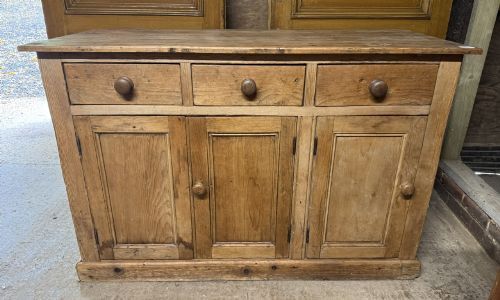
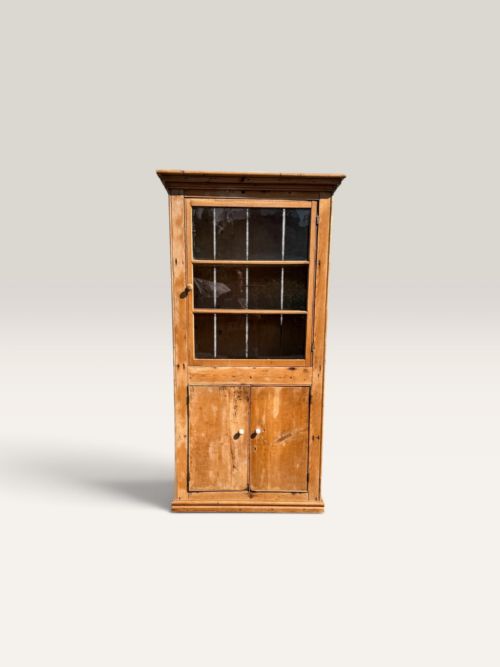
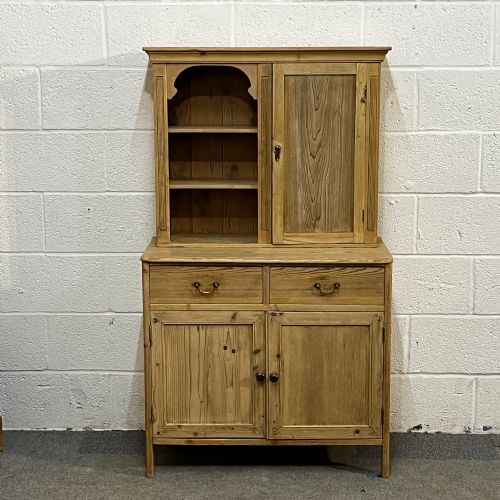
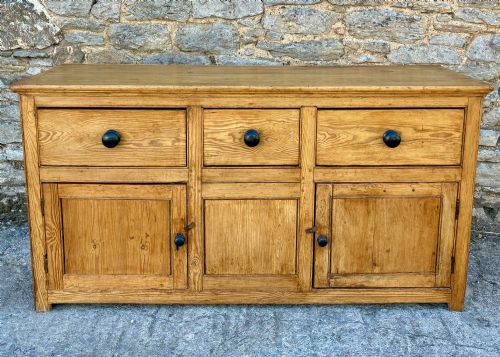
Pine Dresser Cupboard
A pine dresser cupboard brings utilitarian domestic storage into modern rooms with sturdy timber architecture and practical shelving.
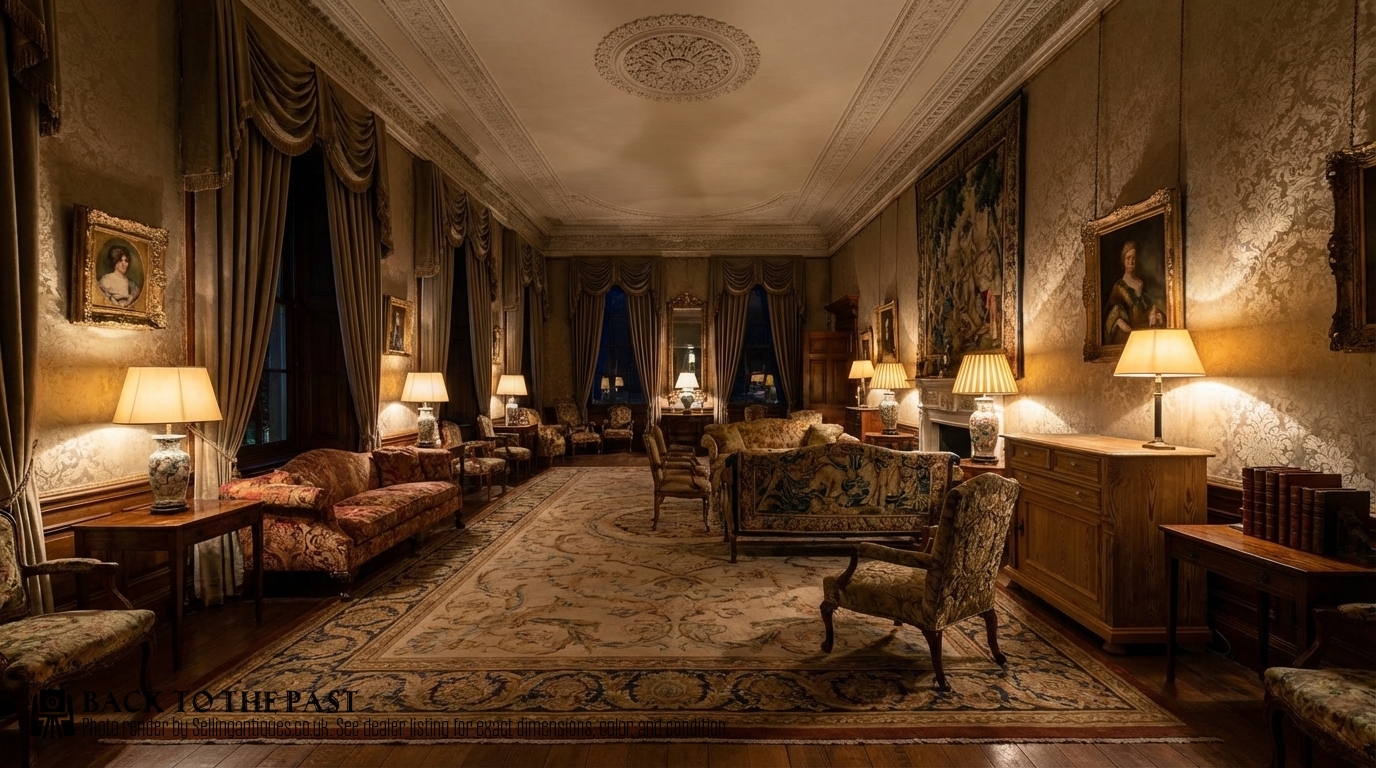
Pine Dresser Cupboard
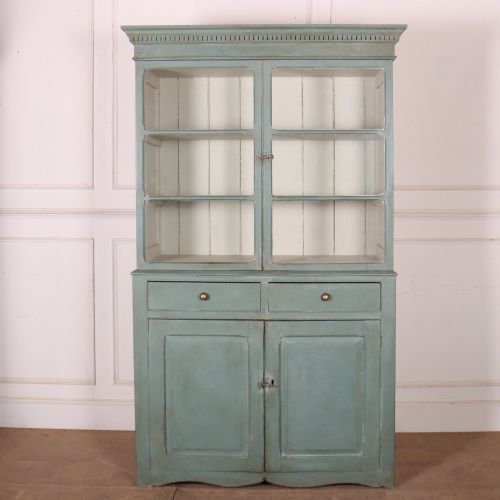
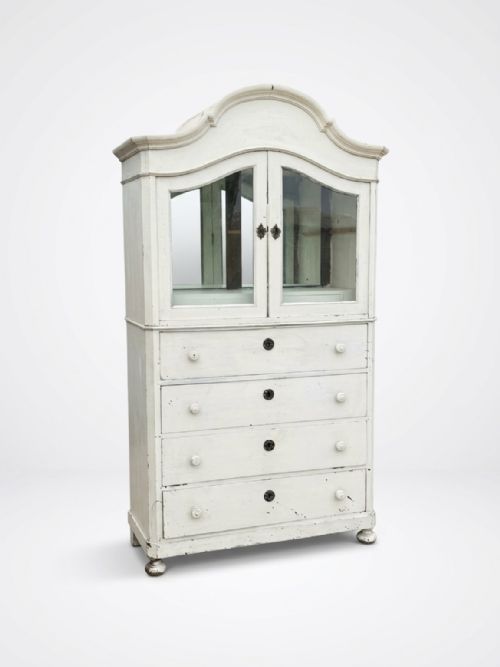
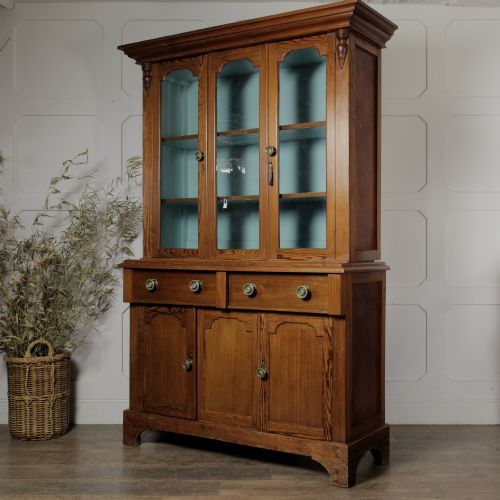
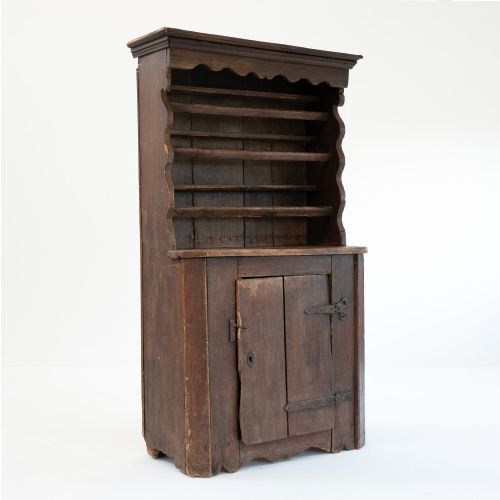
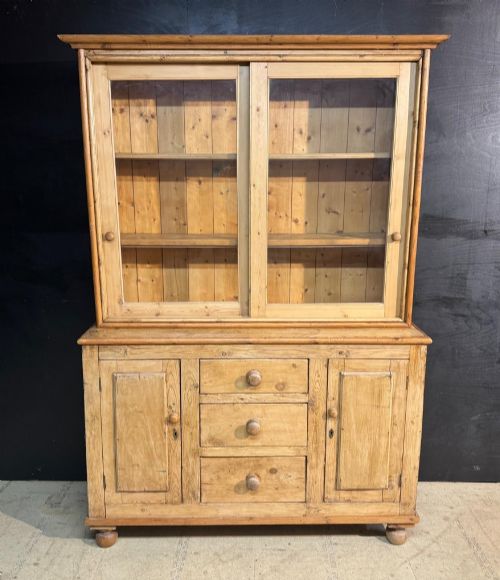
A pine dresser cupboard combines lower enclosed storage with upper shelving or display space, serving as a functional storage unit for domestic interiors. These utility pieces originate primarily from the nineteenth century, alongside eighteenth-century and early twentieth-century examples.
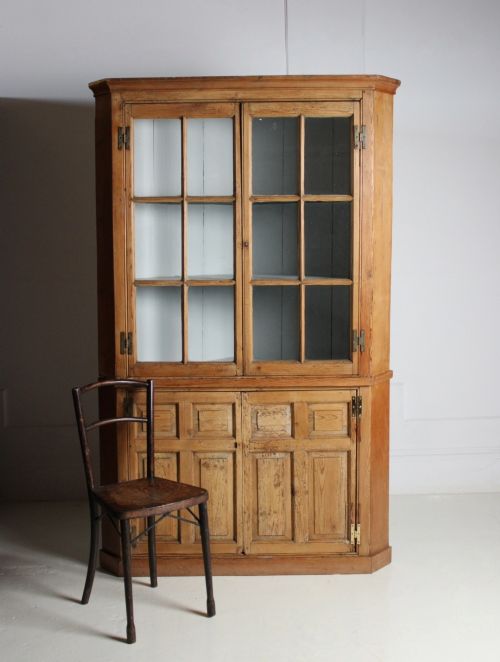
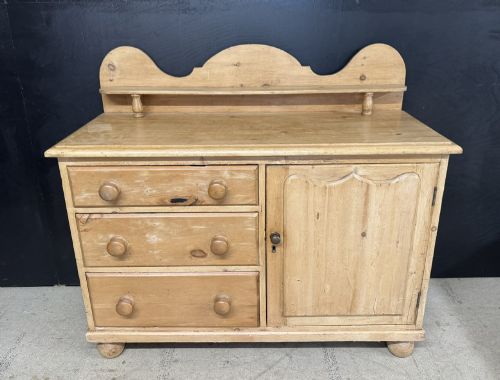
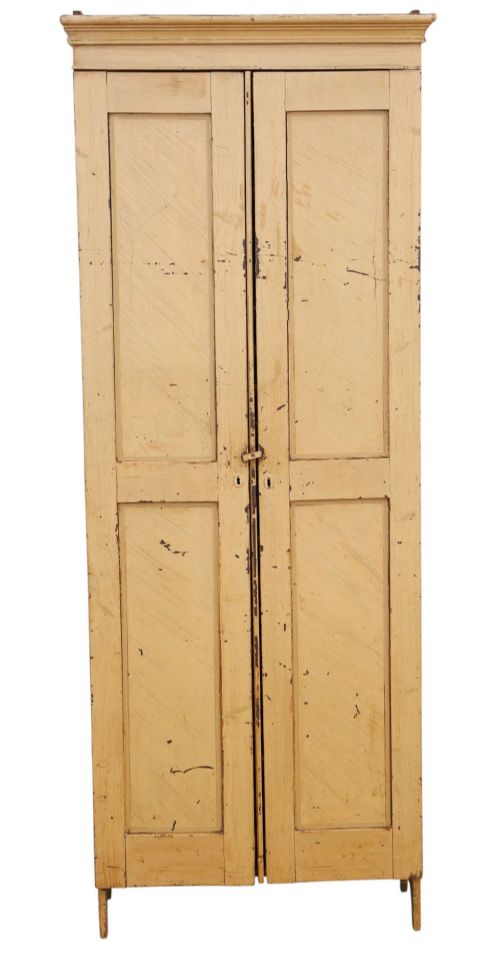
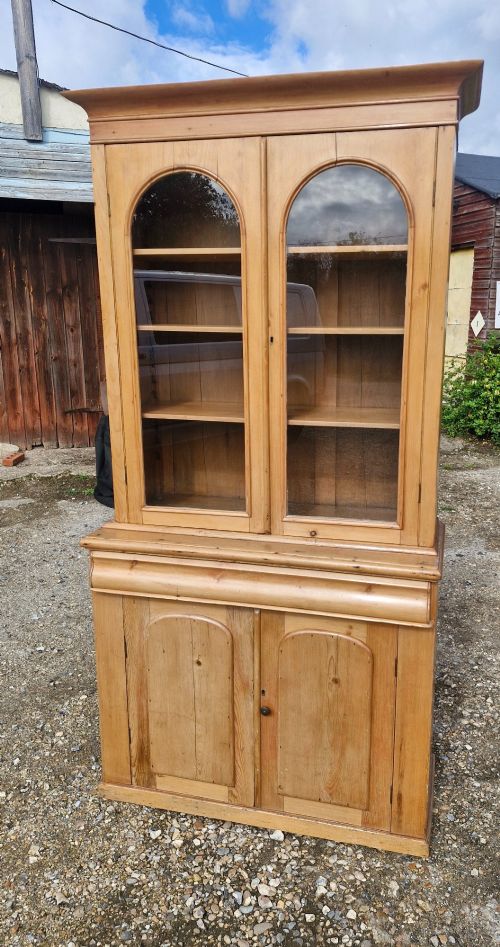
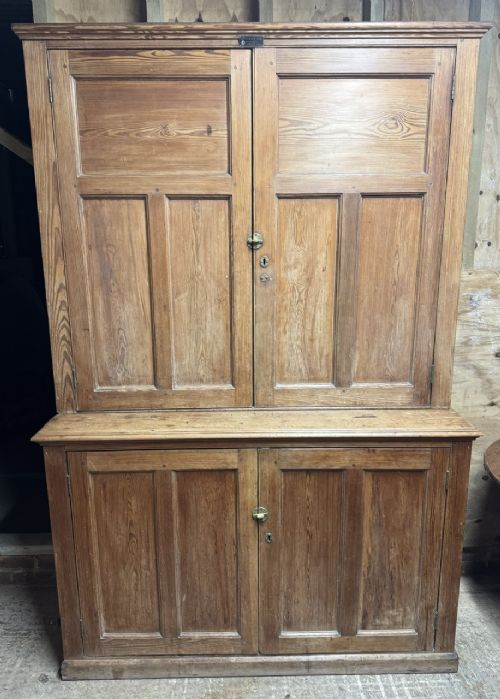
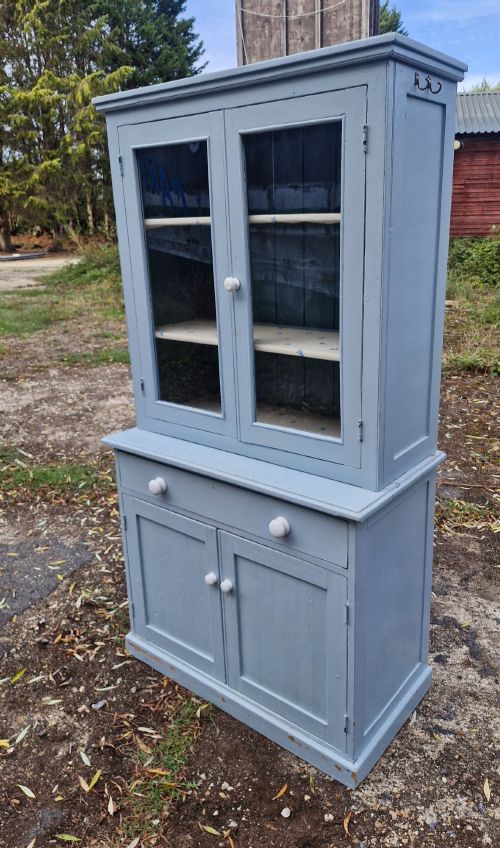
Buyers frequently encounter regional variations on this page, including Welsh, Scottish, Irish, English, and French country examples. Forms range from low dresser bases and corner cabinets to tall housekeeper cupboards and multi-part glazed display units.
The construction serves everyday domestic life, traditionally holding kitchenware, provisions, or household linens in farmhouse and provincial settings. Surviving items display the honest utility of utilitarian domestic furniture from past centuries.
Factors affecting quality
Quality rests upon the integrity of the original timber framing, the retention of authentic surfaces like early paint or rich wax patination, and proportional balance. Pieces retaining original backboards, period glass panes, and untouched hardware sit higher in the range.
Proportion and scale dictate desirability, with well-balanced proportions and untouched regional characteristics outweighing heavily altered or later-assembled components. The clarity of craftsmanship in drawer construction and door hanging distinguishes superior utilitarian furniture.
Styles span Victorian, English Country, Rustic Farmhouse, French Provincial, and Scandinavian Country forms.
The Pine Dresser Cupboard Glossary
- Pitch pine
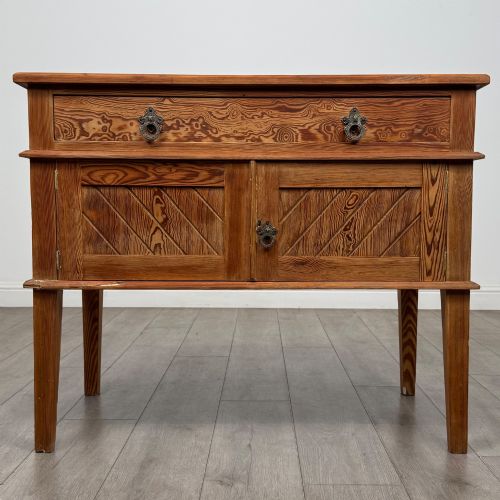
- A dense, resinous variety of pine known for a pronounced grain pattern and robust durability. Makers often utilised this timber for pieces requiring extra resilience.
- Dresser base
- The lower section of a kitchen dresser featuring cupboards and drawers without the upper plate rack. This form functions independently as a sideboard or low storage cabinet.
- Housekeeper cupboard
- A large, tall storage cabinet traditionally used for linens and provisions in large country houses. These tall cupboards often feature multiple doors and internal shelving.
- Glazed cupboard
- A storage unit featuring glass panes fitted into the upper doors for displaying china and glassware. This configuration protects contents while keeping them visible.
- Bonnet top
- An arched or curved cabinet crest reminiscent of historical bonnet shapes. This decorative architectural detail appears on select regional storage pieces.
Pine Dresser Cupboard: Frequently Asked Questions
How do I date a pine cupboard?
Dating relies on construction methods, timber selection, and surface patination. Hand-cut joints, original backboards, and period fixings provide reliable indicators of age.
Changes in hardware styles and paint layers also help establish the chronological period of manufacture.
What is the difference between a dresser and a cupboard?
A traditional dresser includes an open or enclosed shelf rack mounted above a lower storage base. A cupboard consists purely of enclosed shelving behind solid or glazed doors.
Both forms served distinct storage roles in historical domestic kitchens and pantries.
Are these pieces made of solid wood?
Historical utility furniture relies on solid timber construction rather than modern laminates or veneers. Pine and pitch pine form the structural body, drawer linings, and backboards.
This solid construction allows the timber to be stripped, waxed, or repainted over generations of use.
How do I care for a waxed pine surface?
Maintaining waxed pine involves regular dusting with a soft cloth and occasional application of traditional beeswax. Avoid placing timber furniture near direct heat sources or strong moisture.
Gentle maintenance preserves the natural patination developed over centuries of household use.