

Pine Cupboard Unit
These pine cupboard unit examples are practical storage solutions built from resilient softwood, offering enduring utility for modern homes.
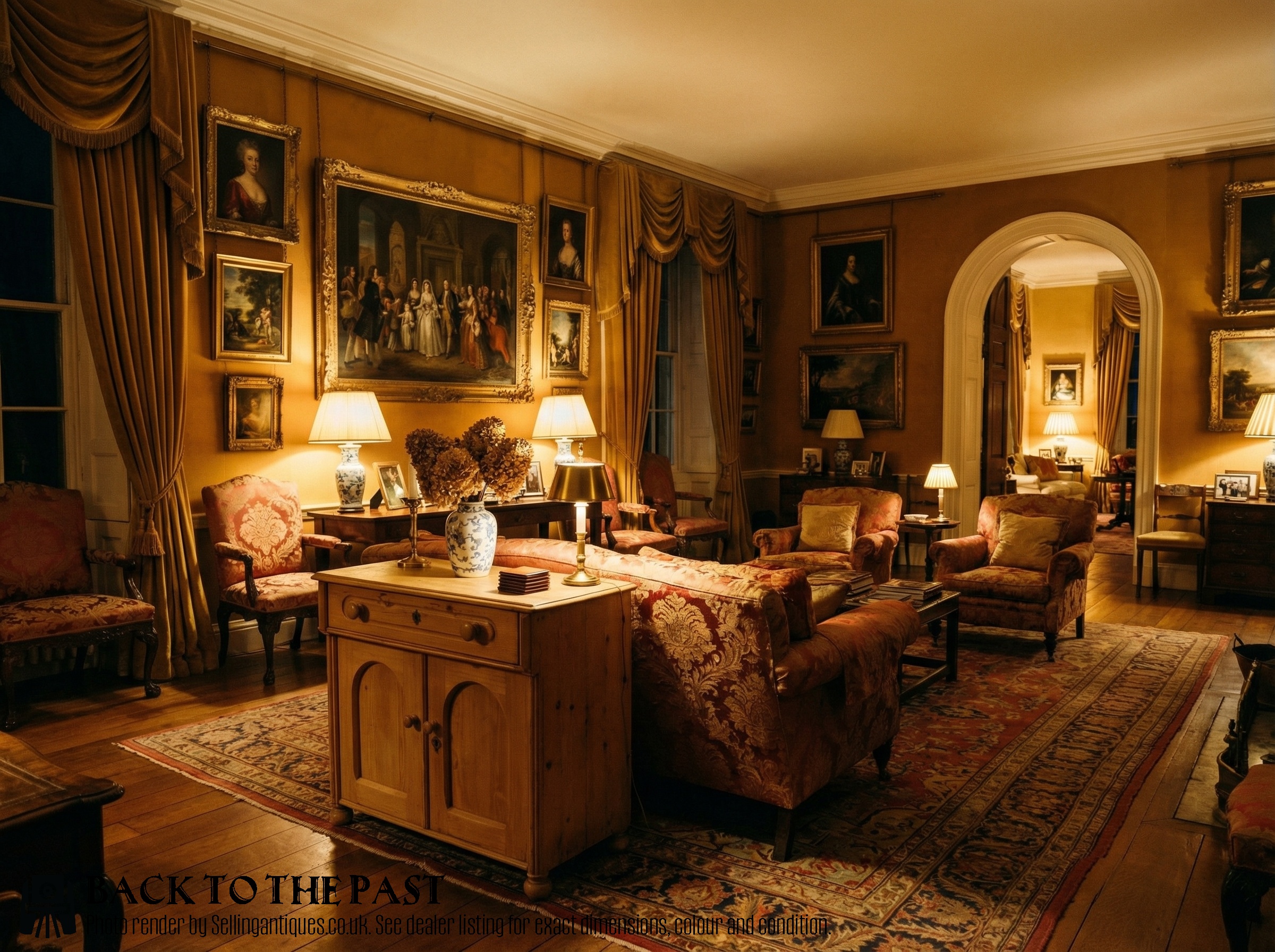
Pine Cupboard Unit
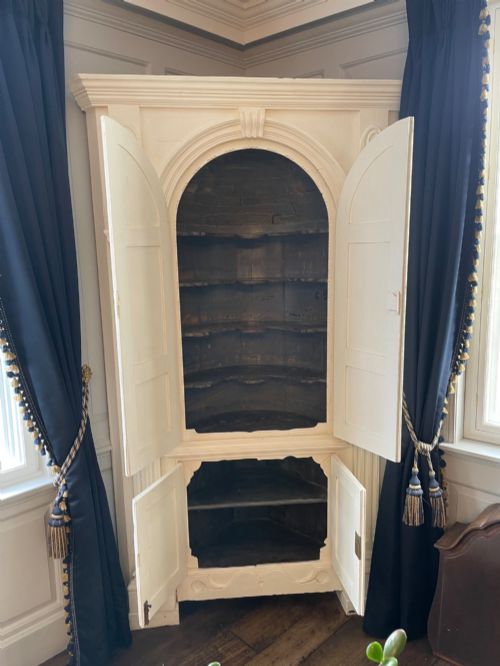
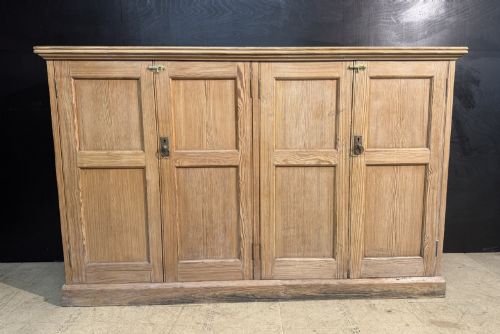
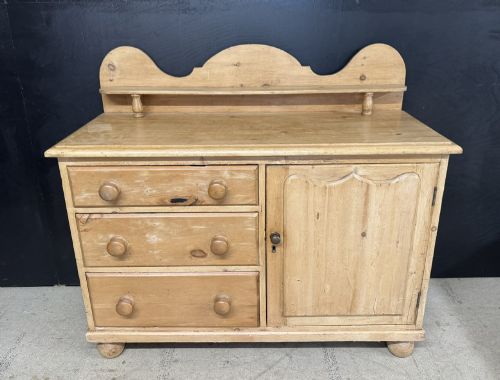
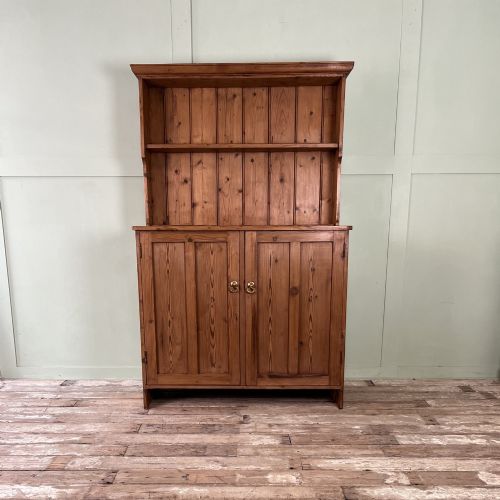
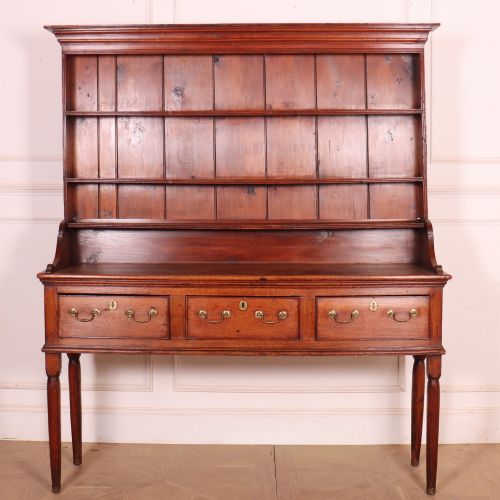
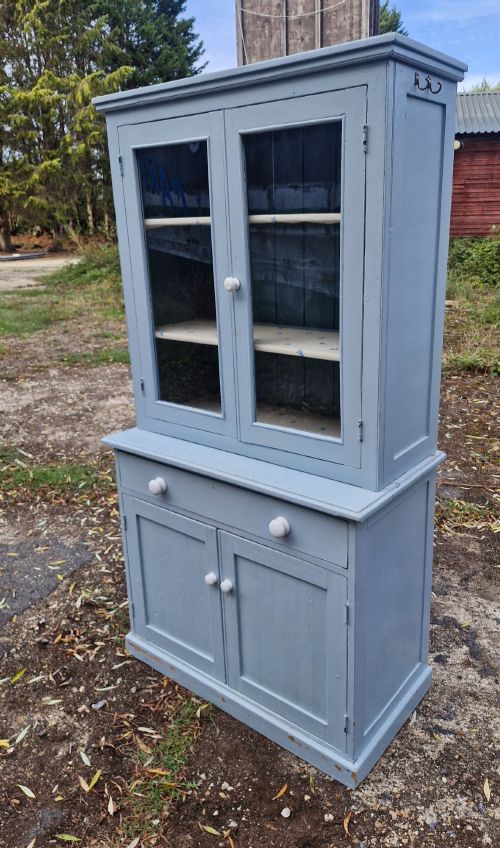
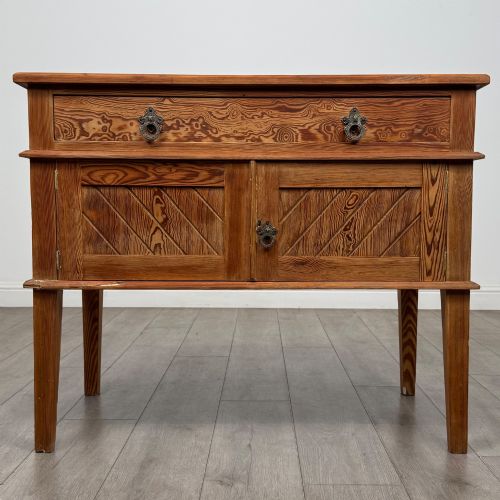
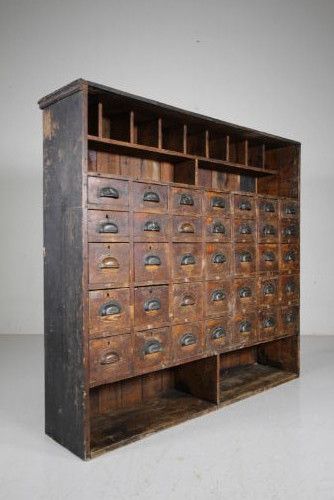
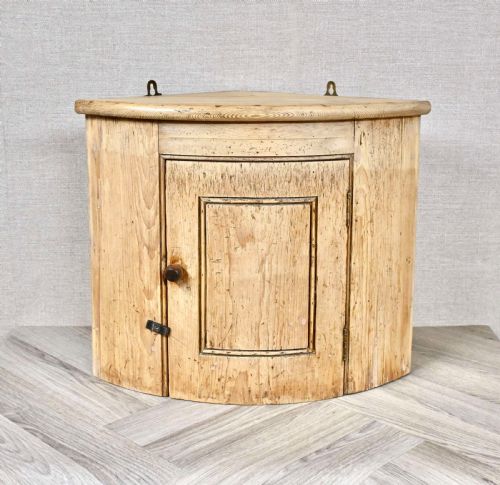
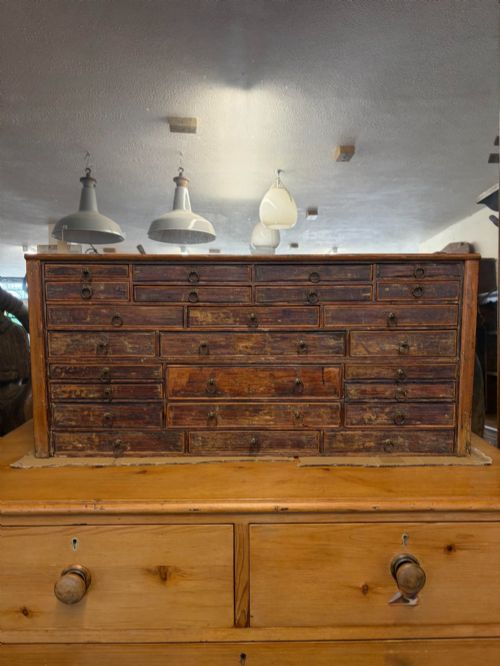
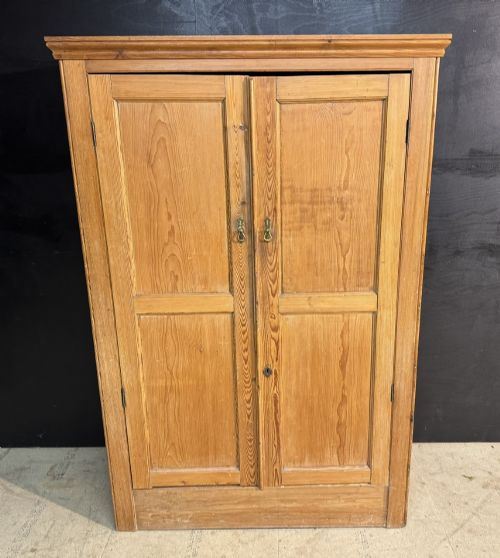
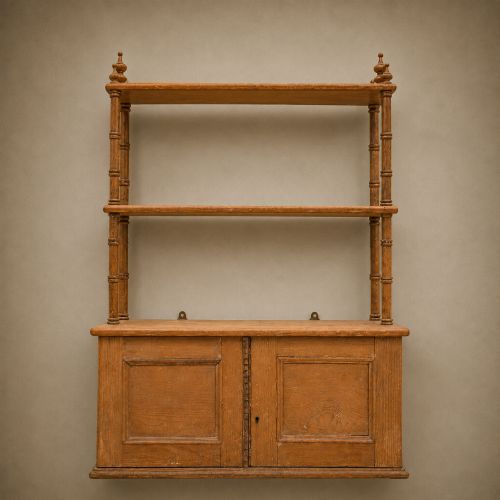
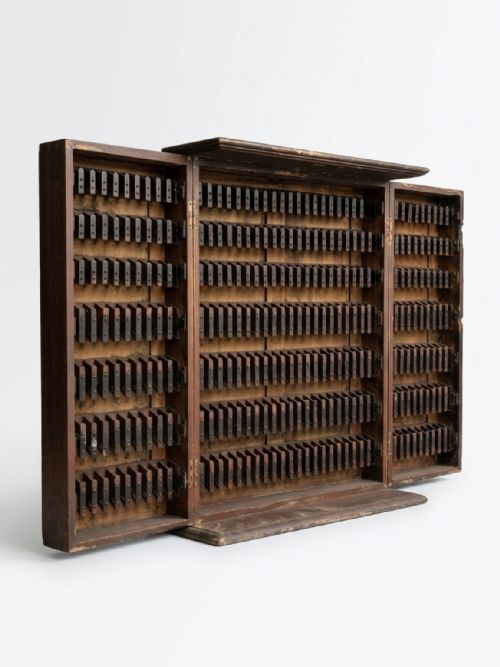
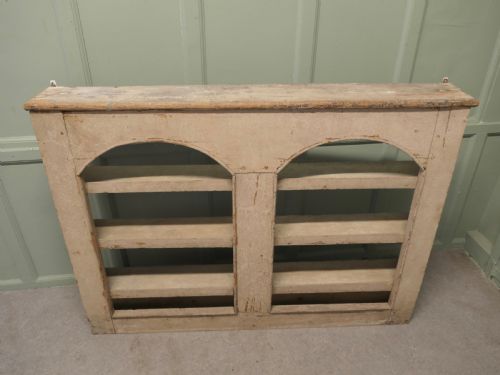
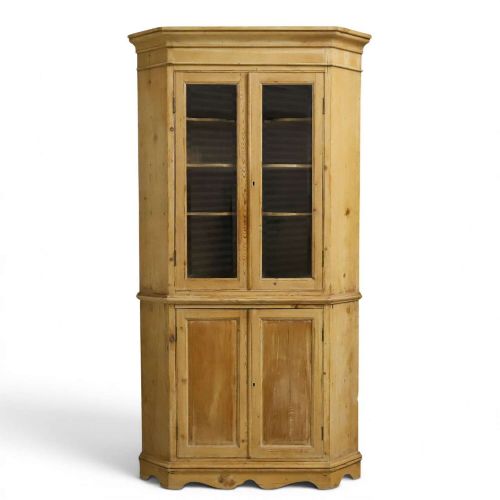
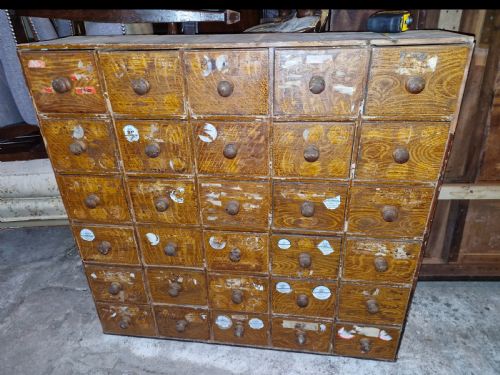
A pine cupboard unit provides functional storage through various forms including larder cupboards, corner cabinets, and multi-drawer banks. Buyers searching for a pine cupboard unit encounter pieces originating primarily from the Victorian and Georgian eras alongside early twentieth-century utilitarian designs.
Objects range from simple single-door storage cupboards to large multi-drawer banks and two-part kitchen cabinets. These pieces reflect domestic and commercial storage needs across the eighteenth, nineteenth, and early twentieth centuries.
Materials and Construction
Makers constructed these storage pieces predominantly using pine and pitch pine, supplemented by secondary hardwoods and softwoods. Iron and brass hardware such as hinges, handles, and brackets secured doors and supported heavy drawer configurations.
Joinery methods relied on sturdy tongue-and-groove boards, panelled doors with fielded profiles, and dovetailed drawer construction built to withstand heavy daily use. Surfaces were frequently left bare to age naturally, painted in practical coats of white, cream, or other colours, or finished with traditional wax.
Glazed doors incorporating glass panels appeared on display cabinets and corner cupboards to protect contents while maintaining visibility. Specialised units utilised vented panels, metal wire, or multi-drawer grids tailored to specific commercial or domestic storage functions.
Pine Cupboard Unit Retail Price Guide 2026
Typical asking prices for pine cupboard unit among the pieces listed under this phrase on Sellingantiques today, from the lower quarter to the upper quarter. They describe what is for sale here now, not the wider market.
Listings feature pine storage pieces from the Georgian, Victorian, and Edwardian periods, utilising pine, pitch pine, iron, and brass.
Factors of Quality
Quality in these storage pieces rests on the integrity of the timber selection, the tightness of the joinery, and the retention of original hardware like period brass handles and iron hinges. Superior examples display careful proportioning in multi-part forms and well-fitted doors that hang true without sagging.
The degree of original surface treatment distinguishes standard utility pieces from finer survivors, with untouched historical paint or clean stripped pine showing superior preservation. Internal arrangements such as closely fitted shelving, specialised pigeonholes, and numerous smoothly operating drawers indicate higher initial craftsmanship.
Luxmore's of Ilfracombe
The Pine Cupboard Unit Glossary
- Pitch pine
- A dense, resinous variety of pine timber known for pronounced grain patterns and durability. It was frequently utilised in Victorian cabinetry for heavy-duty furniture.
- Fielded panel
- A wooden panel with bevelled edges that fit into a grooved frame, allowing the wood to expand and contract safely with humidity changes.
- Larder cupboard
- A tall storage piece traditionally ventilated for food preservation, featuring internal shelves and sometimes mesh or vented panels.
- Shop fitting
- Commercial furniture built for retail environments, such as large multi-drawer banks designed for organising hardware, seeds, or dry goods.
- Two-part form
- A piece of furniture constructed in separate upper and lower sections that stack together, commonly seen in dressers and corner cupboards.
Pine Cupboard Unit: Frequently Asked Questions
What is a pine cupboard unit?
A pine cupboard unit is a functional wooden storage piece made from softwood, encompassing items like larder cupboards, corner cabinets, and storage bases.
These pieces were built in various domestic and commercial forms during the eighteenth, nineteenth, and early twentieth centuries.
How were these cupboards used historically?
Historically, these units served practical storage roles in kitchens, pantries, shops, and schools for organising food, household goods, or dry merchandise.
Many specialised forms functioned as seed chests, railway ticket storage, or shop fittings designed for heavy daily commercial use.
How do you style a pine cupboard unit today?
You can integrate these versatile storage pieces into modern kitchens, hallways, or living spaces to provide functional linen, dish, or pantry storage.
Their natural wood grain, painted surfaces, or stripped pine finishes suit rustic, traditional, and eclectic interior schemes alike.
How do I tell Victorian pine from Georgian pine?
Victorian pine furniture often displays heavier proportions, robust iron or brass hardware, and standardised construction methods suited to industrial production.
Georgian pieces typically show earlier hand-tooled joinery details, finer mouldings, and proportions characteristic of late eighteenth-century cabinet making.