

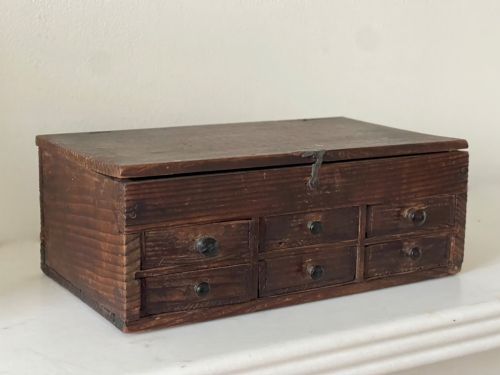
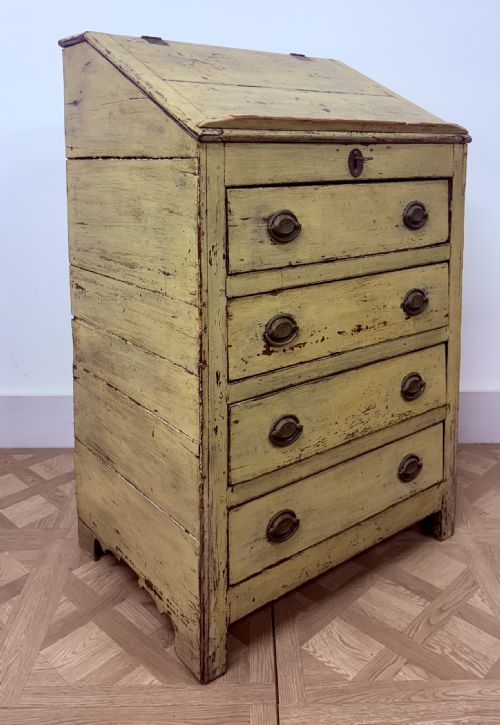
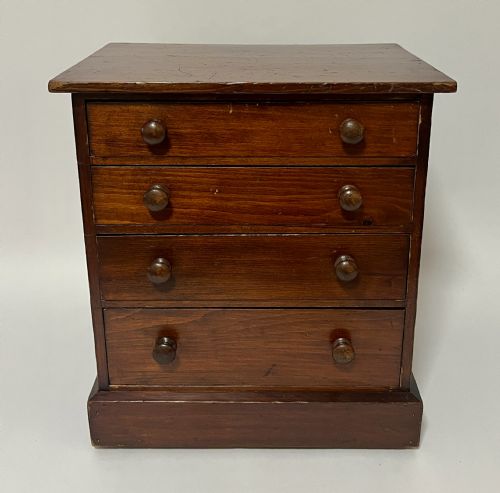
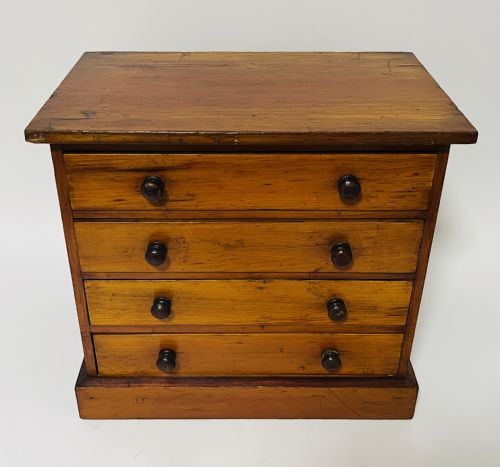
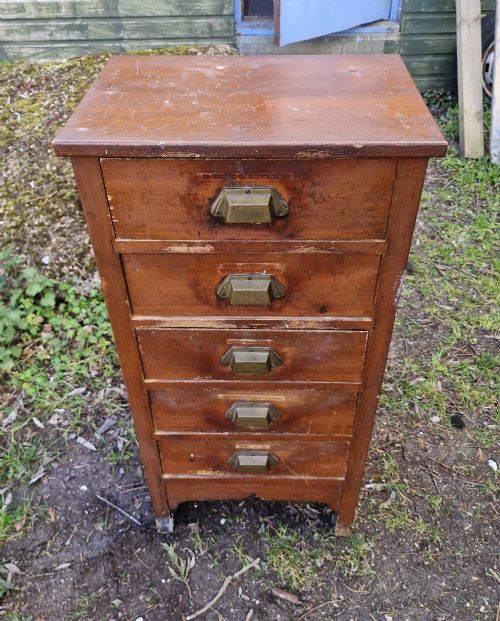


Pine Chest of Drawers Desk
These pine chest of drawers desk pieces combine domestic storage with fitted writing surfaces, offering practical utility and period character for daily use.
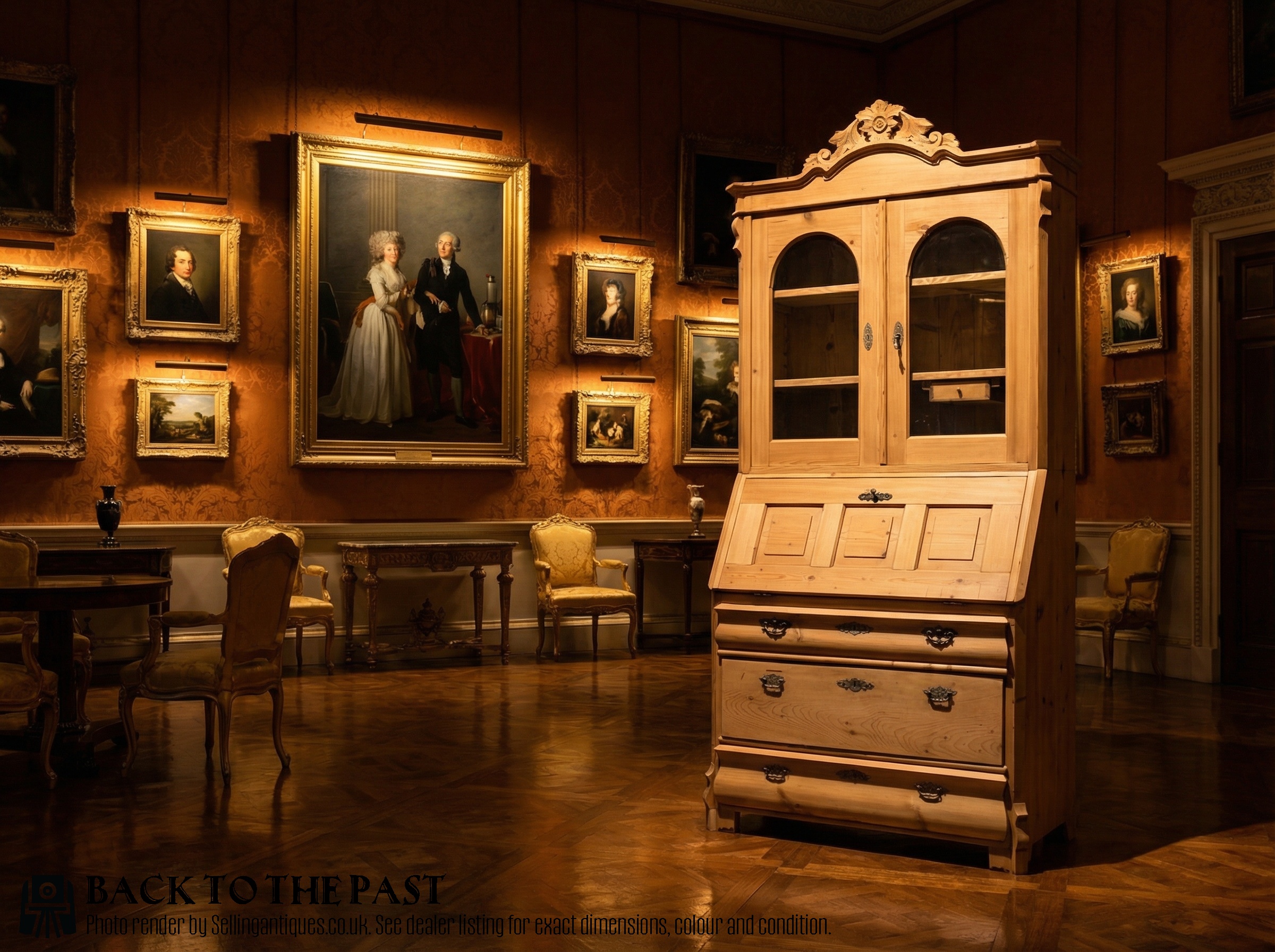
Pine Chest of Drawers Desk
A pine chest of drawers desk brings together two domestic forms, providing both drawer storage and a writing surface or slope. When buyers search for a pine chest of drawers desk, they encounter varied formats ranging from Georgian pieces with writing slopes to later secretaire desks and cabinets.
The selection includes items from the Georgian period up to the 1920s, with Victorian and Edwardian examples appearing alongside earlier work. Formats span from provincial hand-painted chests with integrated slopes to glazed secretaire desks and office cabinets featuring brass handles.
Rural and domestic styles dominate the range, covering English Country House, Victorian Country, and rustic farmhouse aesthetics. Many pieces utilise painted wood, stained finishes, or simulated pine to achieve their distinct appearance.
How they were made
Construction relies primarily on pine and painted wood, worked by hand or in small workshops during the 19th and early 20th centuries. Surfaces receive various finishes, including hand-painted decoration, stain, or simulated pine effects.
Hardware consists mainly of brass and iron fittings, such as period brass handles found on office cabinets and drawers. Interior elements often incorporate secret drawers and writing slopes integrated directly into the carcass.
Pine Chest of Drawers Desk Retail Price Guide 2026
Typical asking prices for pine chest of drawers desk among the pieces listed under this phrase on Sellingantiques today, from the lower quarter to the upper quarter. They describe what is for sale here now, not the wider market.
Several pieces conceal secret drawers inside their writing slopes, offering a hidden compartment for your most private letters or misplaced keys.
What varies in quality
Construction methods and surface treatments separate simpler utilitarian items from more refined domestic furniture. Hand-painted finishes and specialised interior fittings like secret drawers reflect the care taken during production.
The integrity of the original wood, glass panels in glazed cabinets, and period brass hardware influence the character and overall standard of each piece.
The Pine Chest of Drawers Desk Glossary
- Secretaire
- A desk or chest of drawers featuring a fold-down or pull-out writing flap that conceals small drawers and pigeonholes. This form allows a standard storage piece to function as a writing desk.
- Writing slope
- An inclined desk surface designed for comfortable handwriting, often built into the top section of a chest of drawers. It typically lifts or folds to reveal storage compartments underneath.
- Specimen cabinet
- A specialised piece of furniture with multiple shallow drawers intended for organising natural history collections or small objects. They are prized for their meticulous internal construction.
- Simulated pine
- A painted finish applied to an alternative timber to mimic the grain and colour of genuine pine. This technique was common in Regency and Victorian furniture production.
- Industrial utility
- A functional style from the early 20th century prioritizing straightforward construction and practical workspace requirements over decorative ornament.
Pine Chest of Drawers Desk: Frequently Asked Questions
What is a pine chest of drawers desk?
It is a hybrid furniture piece that combines standard drawer storage with a dedicated writing surface, slope, or secretaire compartment.
These items range from Georgian pieces with painted finishes to Edwardian dressing tables and office cabinets from the 1920s.
How do I date a pine desk?
Dating relies on identifying period characteristics, construction techniques, and materials such as brass handles and paint styles.
Evidence from listings spans Georgian, Regency, Victorian, Edwardian, and 1920s eras, each showing distinct design details.
Were these desks used in offices?
Some forms, such as office cabinets and specimen cabinets, were built specifically for administrative or storage tasks in workplaces.
Other domestic examples served in bedrooms or living spaces as writing slopes, dressing tables, and ladies' make-up chests.
How should I care for antique pine furniture?
Maintain the wood by avoiding excessive moisture and direct sunlight, which can damage painted or stained surfaces.
Waxing or gentle cleaning preserves the finish of pieces that incorporate painted wood, iron, and brass fittings.