

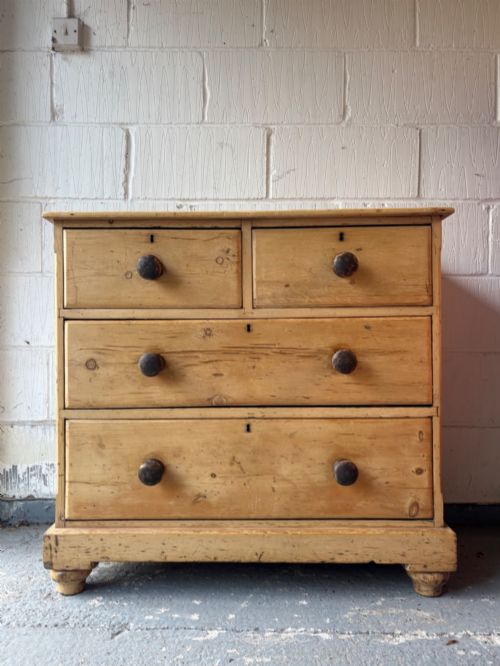
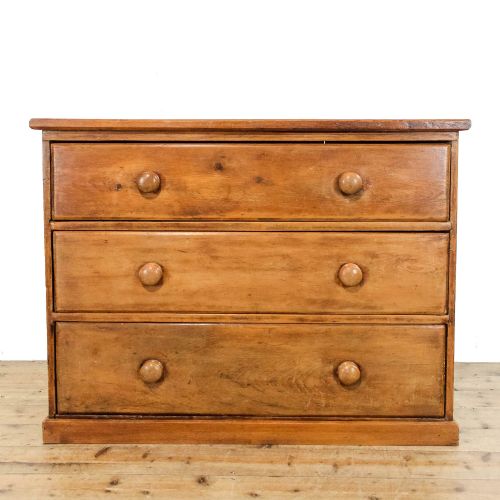
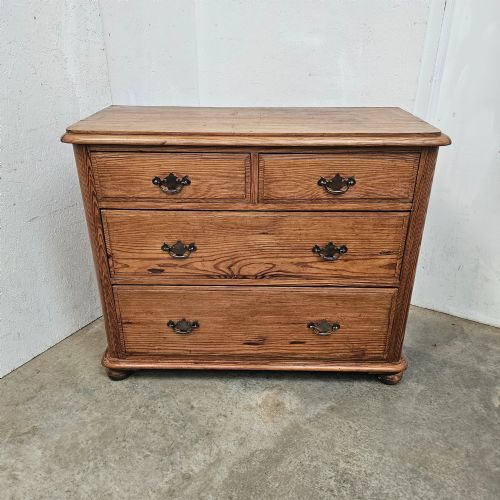
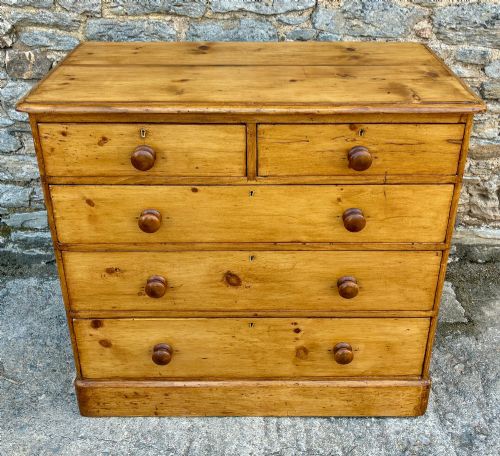
Pine Bedroom Chest
A pine bedroom chest is a practical storage staple offering straightforward charm and generous capacity.
What a pine bedroom chest is
A pine bedroom chest provides dependable storage for clothing and linens while bringing natural character to a room. Buyers searching for a pine bedroom chest encounter practical wooden chests of drawers designed for daily domestic use.
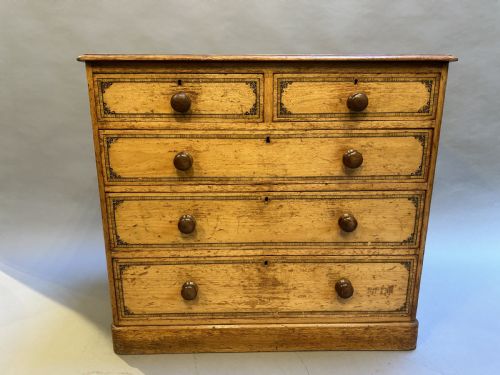
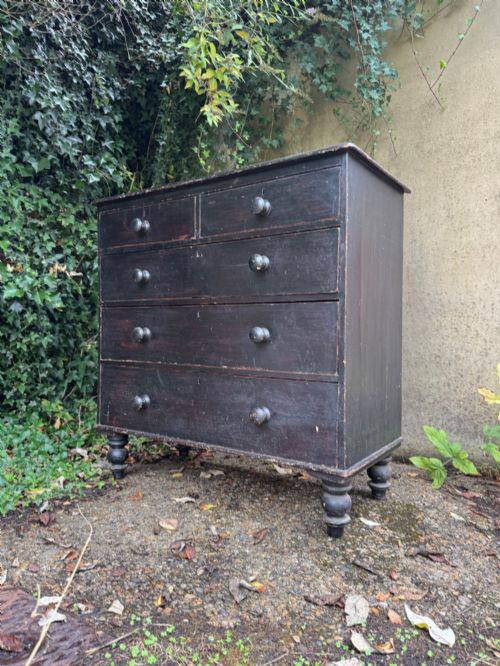
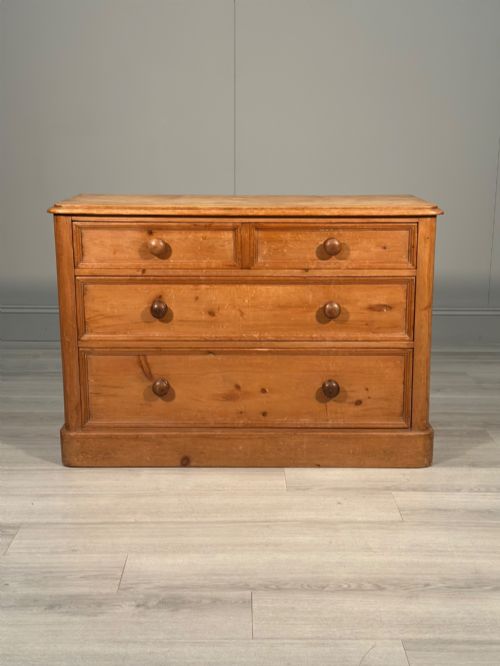
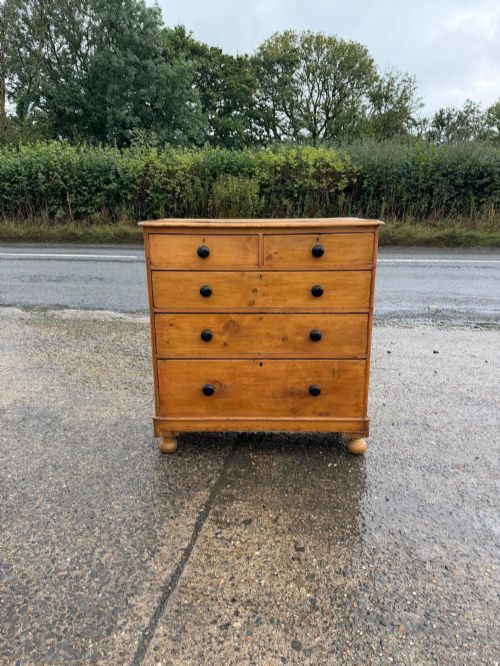
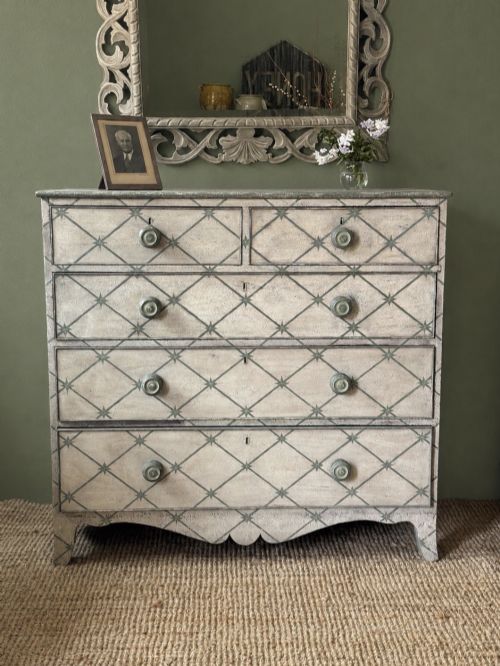
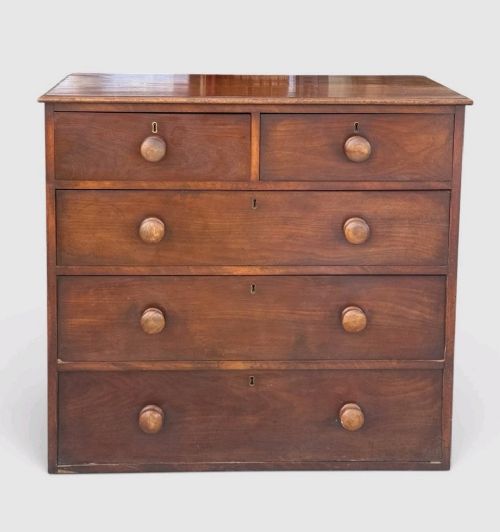
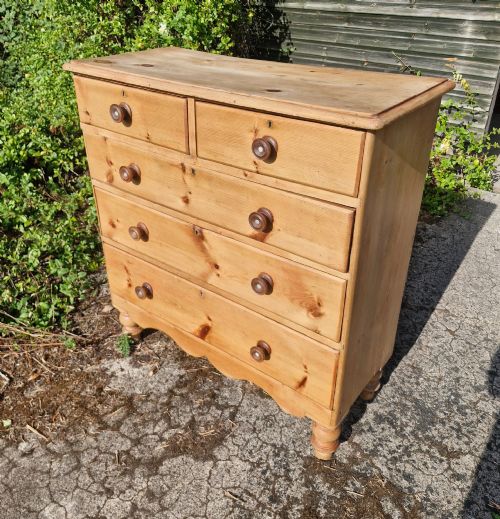
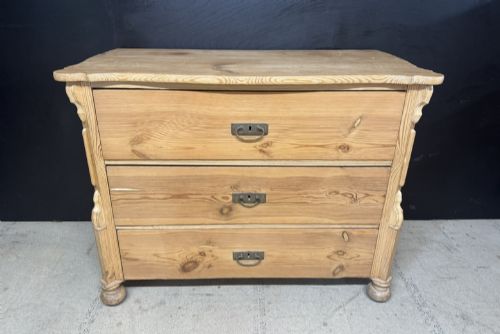
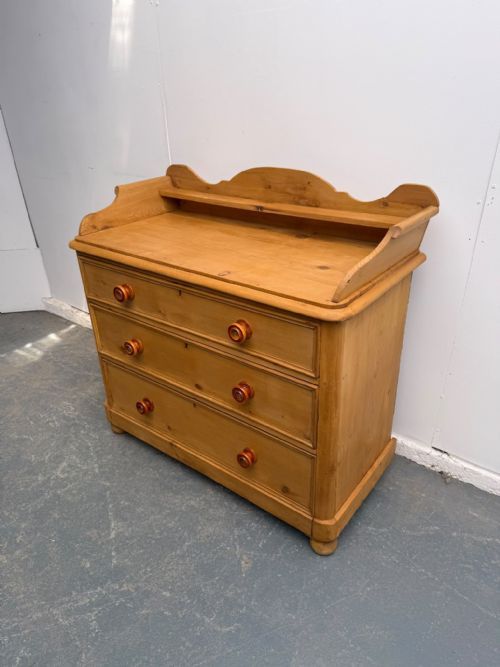
The pieces seen here date from the Victorian era up to 1890 and the Edwardian period, spanning various regional workshops. Traditional configurations range from two-over-two arrangements to taller five-drawer formats and combinations featuring dressing mirrors.
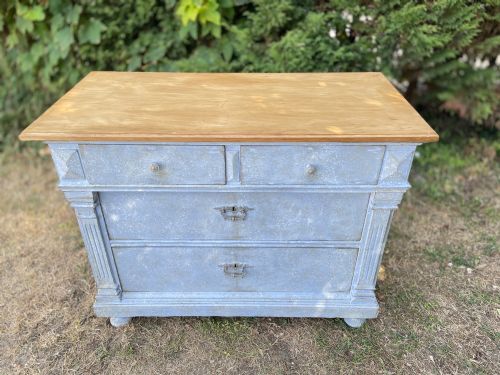
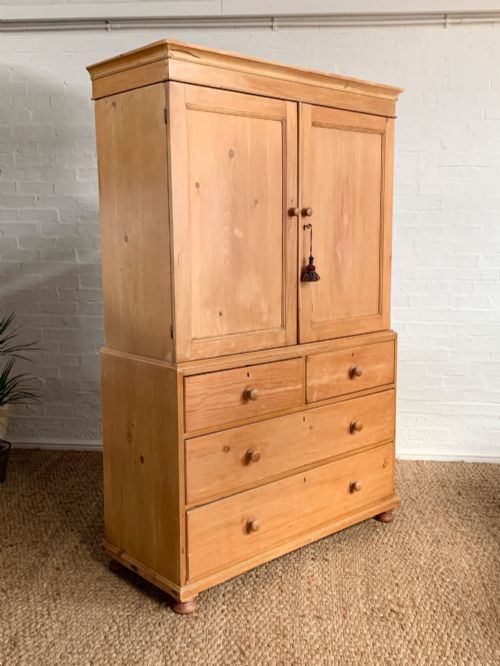
Surviving examples showcase the versatility of softwood furniture, appearing either stripped back to reveal the natural grain or finished in original paint and scumbled decoration. These storage chests serve as both functional furniture and enduring examples of traditional woodworking.
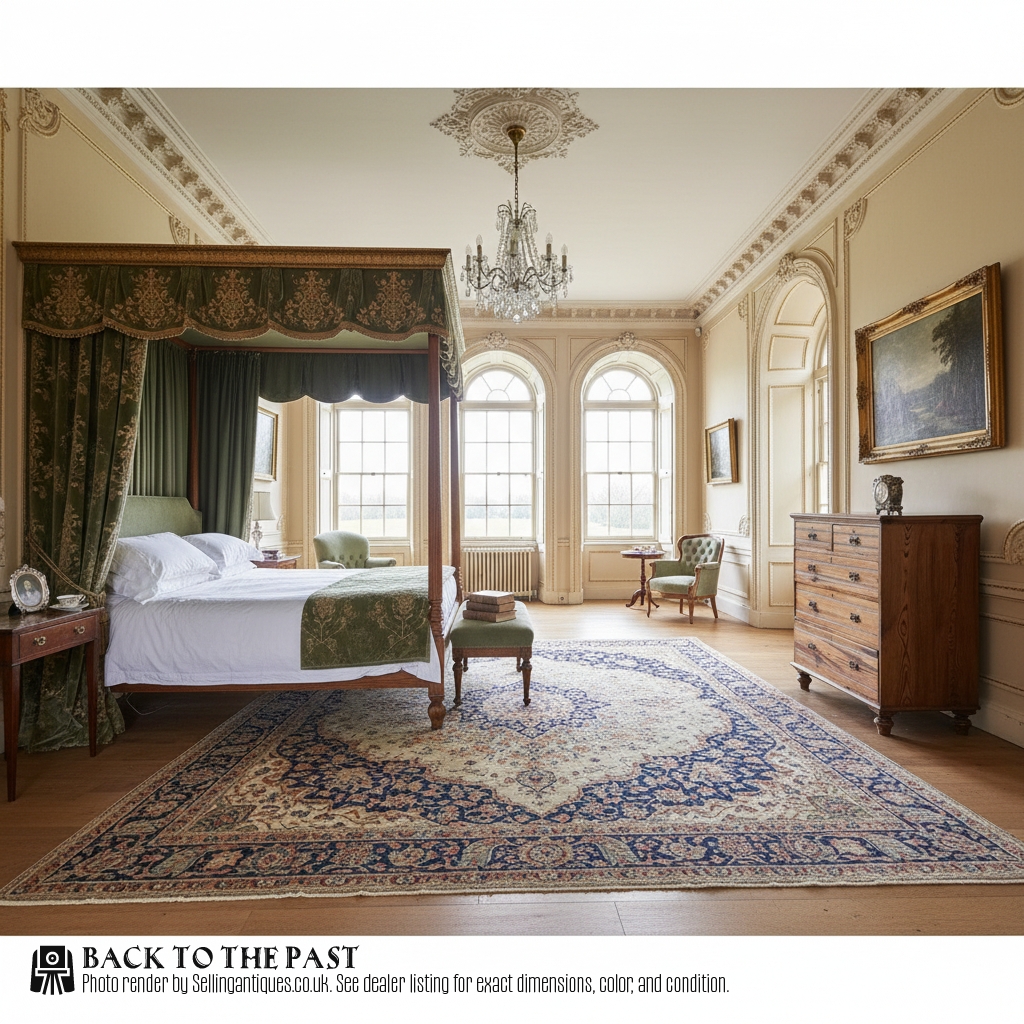
How they were made
Construction relies primarily on solid pine and pitch pine timbers, shaped and joined by hand using traditional carpentry methods. Workshops utilised local softwoods to build sturdy carcases capable of withstanding heavy daily use.
Surface treatments varied widely according to taste and period, incorporating applied paint, scumbled finishes, or decorative wood inlay. Hardware details frequently included brass fittings, ceramic elements, and glass components to complete each piece.
Retail Price Guide 2026
Typical UK retail prices for pine bedroom chest, calculated from the Sellingantiques database of over a million retail prices indexed since 2003. This retail price guide relies exclusively on Sellingantiques data; no external sources or auction records are used, so the figures do not describe the wider market.
What varies in quality
Quality rests on the selection of timber and the precision of the drawer construction, where tight joints ensure smooth operation over decades. Pieces built from dense pitch pine or retaining well-preserved original paint finishes command greater interest.
Subtle design flourishes such as shaped bases or Aesthetic Movement detailing elevate standard utilitarian items into more refined decorative examples. The integrity of the original hardware and the survival of untouched surfaces further distinguish superior specimens.

The Pine Bedroom Chest Glossary
- Scumbled finish
- A decorative painting technique involving layers of translucent glaze manipulated to imitate the appearance of more expensive hardwoods. This method was widely used on pine furniture to create rich, textured surfaces.
- Pitch pine
- A durable North American and European softwood known for its high resin content and distinct grain pattern. It provided exceptional strength for heavy-duty furniture construction.
- Aesthetic Movement
- A late nineteenth-century design style that emphasised visual beauty over narrative subject matter. Furniture from this movement often featured simpler lines and artful decorative touches.
- Dressing chest
- A lower chest of drawers fitted with an attached mirror, designed specifically for bedroom use. These versatile pieces combined surface grooming space with enclosed drawer storage.
Frequently Asked Questions
How do I date a pine chest?
Dating relies on examining construction methods, drawer dovetails, and secondary woods used in the interior framing. Period markers like Victorian proportions or Aesthetic Movement details also provide clear chronological clues.
Hardware styles and surface finishes offer additional evidence, though many pieces were repainted or stripped during later decades.
Are these chests suitable for modern bedrooms?
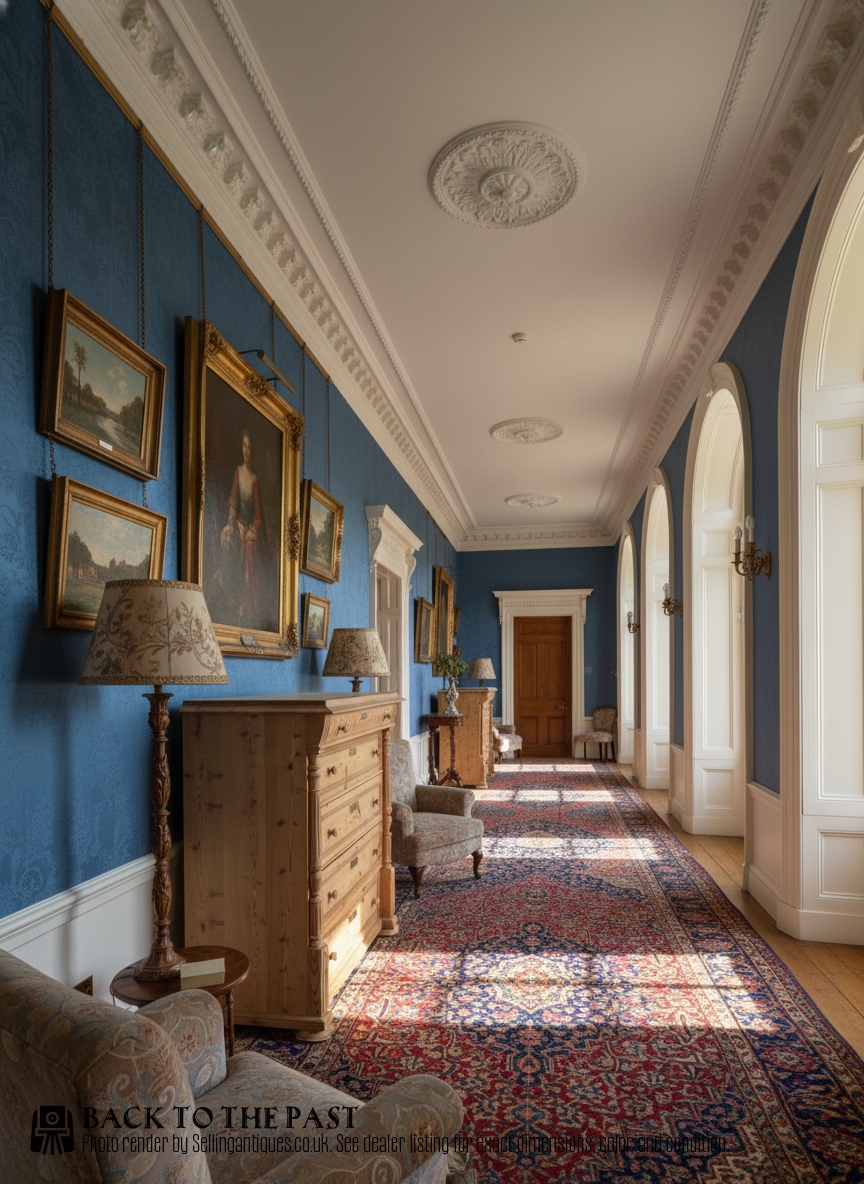
Solid construction and deep drawers make these traditional chests exceptionally practical for storing modern clothing and bedding. Their warm wooden tones and painted surfaces complement contemporary and traditional interior schemes alike.
Compact narrow formats work well in smaller rooms where floor space is limited, while taller configurations maximise vertical storage.
What is scumbled pine?
Scumbling involves applying a tinted glaze over a lighter base coat and working it with combs or rags to simulate grain. Makers used this technique to give inexpensive pine the rich appearance of oak or walnut.
Surviving examples of original scumble paint add significant historic character and visual texture to a piece.
How do I care for antique pine?
Maintain waxed surfaces by applying a traditional beeswax polish periodically to nourish the softwood and protect the finish. Avoid placing wooden furniture near direct heat sources or in damp environments to prevent timber movement.
Clean painted or scumbled chests gently with a dry or barely damp cloth to preserve the fragile decorative layers.