



Pigeonhole Writing Desk
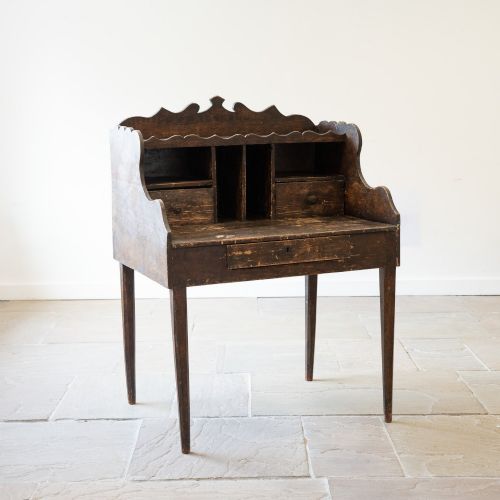
A pigeonhole writing desk organises papers with internal compartments while offering a surface to write upon, appearing here across Georgian, Victorian, and Edwardian periods.
Pigeonhole Writing Desk
A pigeonhole writing desk provides a dedicated workspace incorporating small vertical compartments designed to hold letters and documents. When searching for a pigeonhole writing desk, buyers encounter forms ranging from compact table top bureaus to large pedestal desks and cabinet variations.
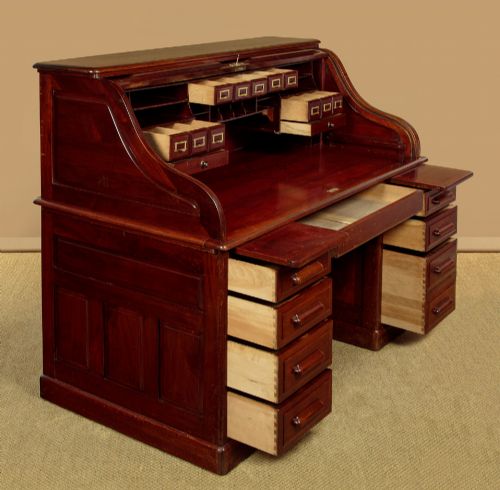
The pieces listed on this page span several eras including Georgian, Regency, Victorian, and Edwardian periods. Common structural formats include roll top desks, secretaire chests, bonheur du jour writing tables, and bureau cabinets.
Makers utilised various traditional furniture styles such as Sheraton Revival, Chippendale, and Georgian style. These desks combine functional storage with decorative cabinetry suited for traditional studies and libraries.
Materials and construction
Makers built these desks primarily using timber such as mahogany, oak, walnut, and satinwood. These woods provide both structural durability and fine grain patterns suited for polished finishes.
Working surfaces often feature inset writing materials like leather or baize. Hardware details typically incorporate brass fixtures, whilst specialised compartments utilise smaller inlays of bone or lighter woods.
Pigeonhole Writing Desk Retail Price Guide 2026
Typical asking prices for pigeonhole writing desk among the pieces listed under this phrase on Sellingantiques today, from the lower quarter to the upper quarter. They describe what is for sale here now, not the wider market.
Some secret compartments were designed so well that previous owners forgot they were there, occasionally leaving behind hidden letters.
Judging quality in construction
Quality in a pigeonhole writing desk rests upon the selection of timber veneers and the precision of the interior compartment joinery. Superior examples demonstrate careful attention to internal pigeonholes and smooth operation of drawers or roll tops.
The refinement of stylistic details, such as carved mouldings or decorative inlay work, distinguishes standard utilitarian furniture from finer cabinet work. Original hardware and well-preserved writing surfaces further elevate the standing of a piece.
The Pigeonhole Writing Desk Glossary
- Pigeonhole
- A small recessed compartment within a desk interior used for sorting letters and documents. These openings form a grid system inside larger cabinetry.
- Secretaire
- A piece of furniture containing a built-in writing drawer or fold-down writing flap concealing pigeonholes. This term often describes cabinets designed for correspondence.
- Bonheur du jour
- A light lady's writing desk featuring a tiered superstructure with pigeonholes and small drawers above the main writing surface. Originating in France, this form became popular during revival periods.
- Baize
- A coarse woolen fabric historically used to line writing surfaces on antique desks. It provides a soft texture suitable for writing upon.
- Roll top
- A flexible tambour shutter made of narrow slats that pulls down to conceal the desk interior and pigeonholes. This mechanism secures the workspace when not in use.
Pigeonhole Writing Desk: Frequently Asked Questions
What is a pigeonhole writing desk?
A pigeonhole writing desk is a piece of furniture that combines a flat surface for writing with a structured arrangement of small compartments for sorting papers. These desks range from compact table top models to large pedestal furniture.
They serve as both functional workstations and decorative cabinetry. The internal pigeonholes keep correspondence organised within reach of the writer.
Where should I place my desk?
These desks suit studies, libraries, or living spaces where they can function as primary workspaces or decorative focal points. Positioning them away from direct sunlight protects the timber finishes and leather writing surfaces.
Ensuring adequate natural or artificial light helps preserve the usability of the writing area. Room dimensions dictate whether a compact table top bureau or a larger pedestal desk fits best.
How do I care for wooden surfaces?
Maintaining wooden desks involves regular dusting with a soft cloth and applying appropriate furniture wax periodically to nourish the timber. Avoiding excessive moisture and extreme temperature fluctuations prevents warping or cracking.
Leather or baize writing inserts require gentle cleaning without harsh chemical solvents. Careful handling preserves the original polish and structural integrity of the antique.