


Pierced Silver Sugar Sifter
A pierced silver sugar sifter brings refined formality to the tea table, uniting functional metalwork with delicate perforation.
Pierced Silver Sugar Sifter
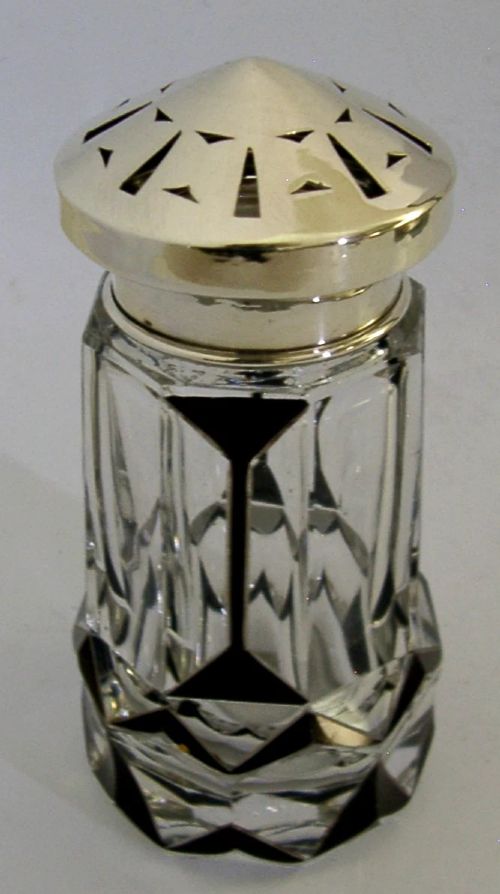
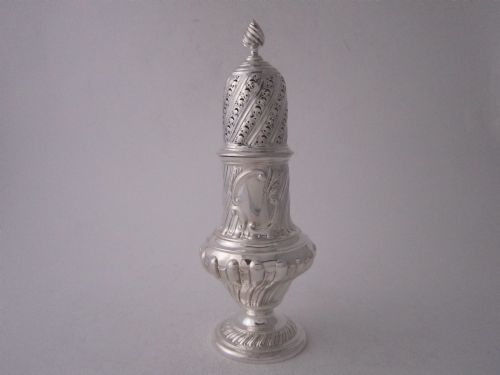
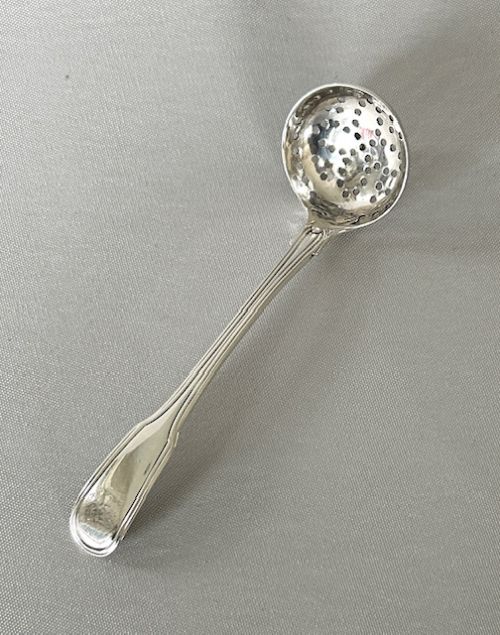
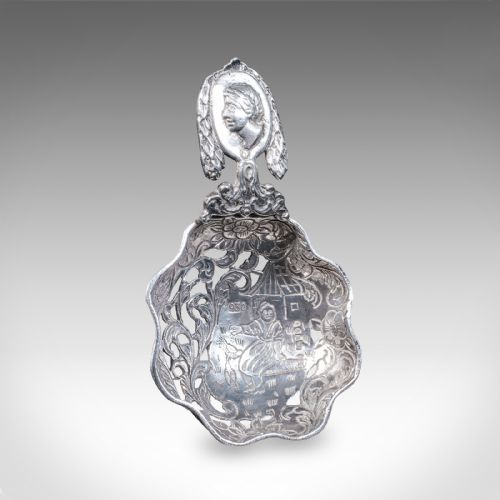
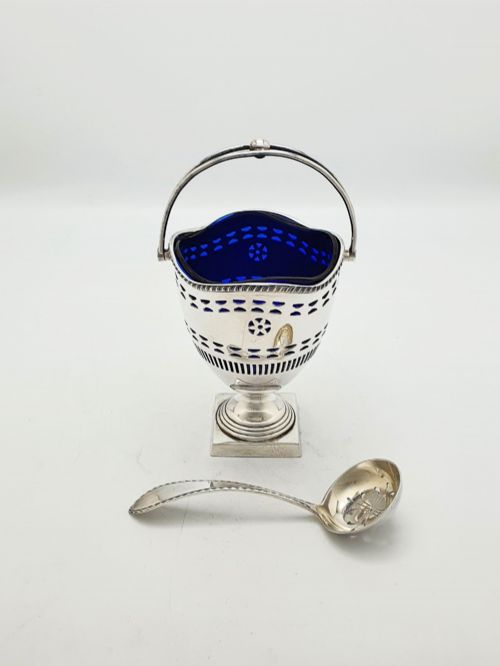
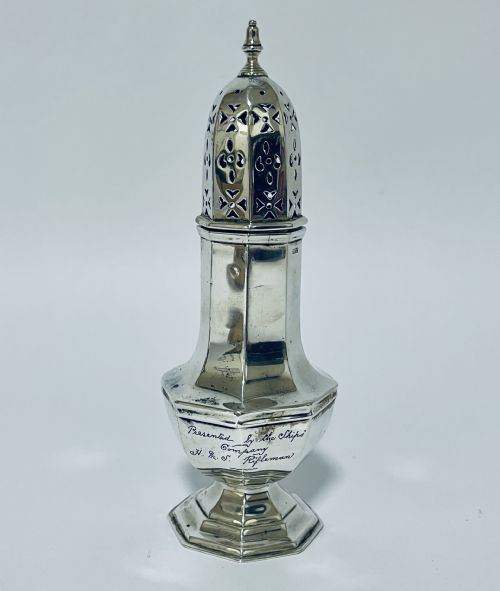
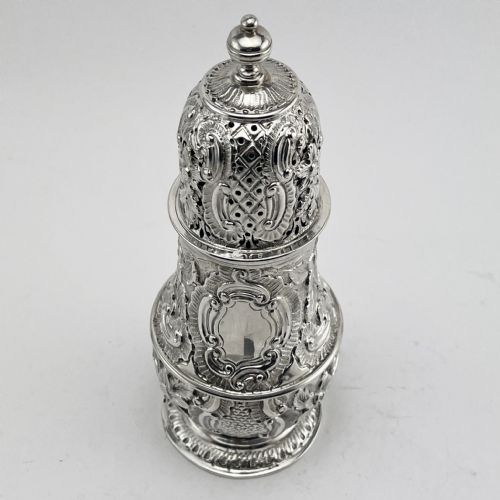
When you search for a pierced silver sugar sifter, you encounter an array of cast and pierced vessels designed to dispense fine sugar. The selection spans from Georgian and Victorian spice and caddy spoons to substantial sterling silver casters and silver plate bowls with glass liners.
Victorian and Georgian examples dominate the forms on this page, appearing alongside Art Deco pieces and Edwardian serves. Makers produced these items in sterling silver, silver plate, and cut or cobalt glass combinations to suit formal dining customs.
The objects function as sugar casters, bowls with sifter spoons, and dedicated sifter spoons bearing import hallmarks or provincial assay marks. Each piece reflects the evolving domestic rituals surrounding sweetened tea and spices across the nineteenth and early twentieth centuries.
How they were made
Silversmiths shaped sterling silver and silver plate through hammering, casting, and piercing techniques to create intricate patterns on lids and bowls. Piercing required steady handiwork with a piercing saw to form geometric or floral lattices that allowed fine grains to pass.
Makers combined metalwork with coloured glass elements, integrating cobalt glass and cranberry glass liners within pierced silver frames. Artisans also applied enamel work during the Art Deco period to introduce vibrant colour surfaces to the metal body.
What varies in quality
Quality depends upon the crispness of the piercing work and the weight of the metal used in the caster or spoon. Superior examples display sharply defined apertures and balanced proportions that feel substantial in the hand.
The integrity of secondary materials, such as undamaged cobalt or cranberry glass liners and intact enamel panels, elevates the standard of the piece. Hallmark clarity and legible maker marks further distinguish finer specimens from standard production items.
The Pierced Silver Sugar Sifter Glossary
- Pierced
- Pierated or cut-out decorative patterns in metalwork, created to form lattices or floral designs on sifter lids and bowls.
- Caster
- A small vessel with a perforated top used for sprinkling sugar or spices onto food or beverages.
- Hallmark
- An official stamp applied to precious metals indicating the standard of purity, the assay office, and the year of manufacture.
- Caddy spoon
- A short-handled spoon specifically designed for measuring tea leaves from a caddy into a teapot.
- Cobalt glass
- A deep blue glass coloured with cobalt oxide, frequently used for liners in open pierced silver bowls.
Pierced Silver Sugar Sifter: Frequently Asked Questions
What is a sugar sifter used for?
A sugar sifter distributes fine sugar over desserts, pastries, or beverages through perforated lids or specialised spoons.
In historical dining, these objects allowed hosts to control the flow of refined sugar before pre-packaged cubes became common.
How do I date a silver sifter?
Dating relies on reading the assay hallmarks stamped into the metal, which indicate the city of origin and the year of production.
Stylistic indicators such as Art Deco geometric lines or Victorian chased ornamentation also help place the object in its period.
How should I clean silver with glass liners?
Remove any glass liners from the silver framework before cleaning to protect both materials from harsh immersion.
Use a soft cloth and appropriate silver polish on the metal while washing the glass separately in warm soapy water.