



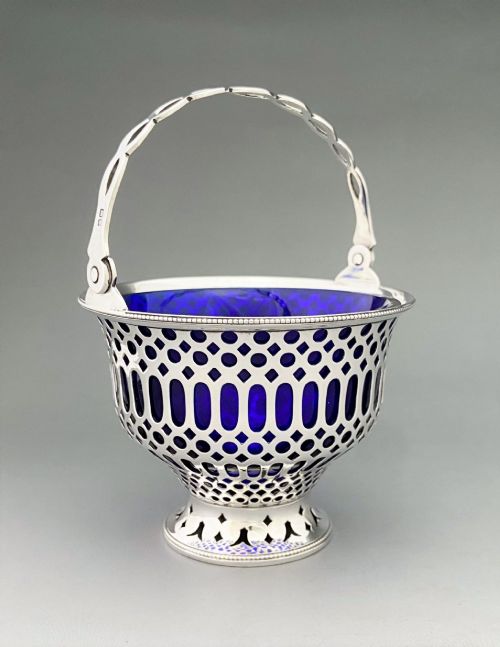
Pierced Silver Glass Liner
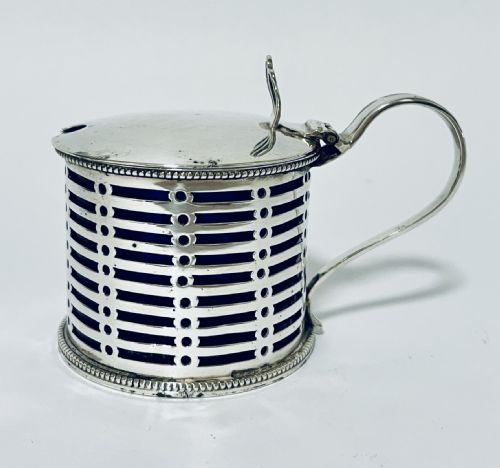
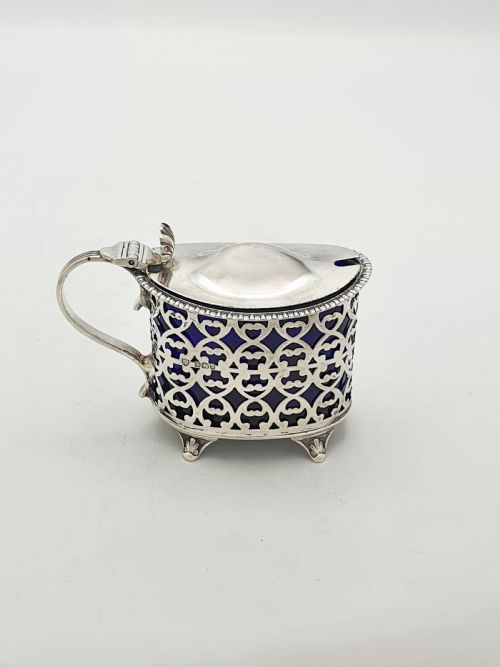
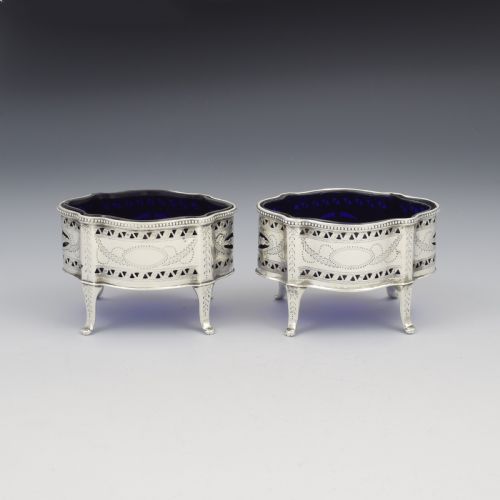
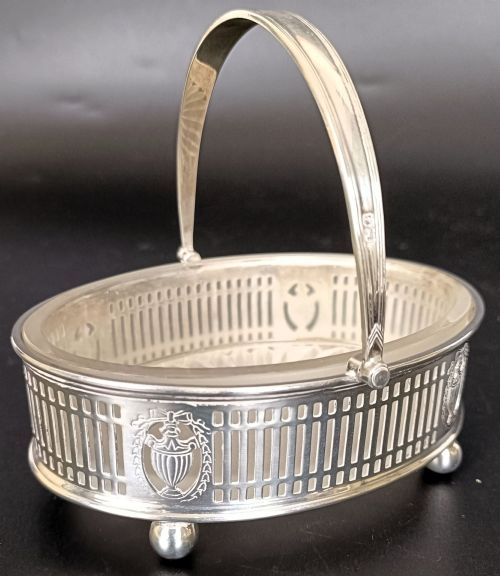
When you search for a pierced silver glass liner, you find decorative metalwork designed to hold coloured glassware securely.
Pierced Silver Glass Liner
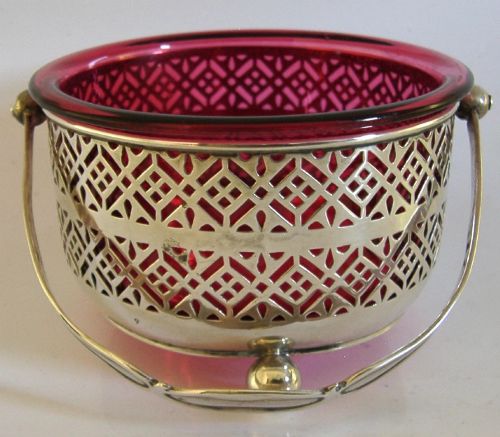
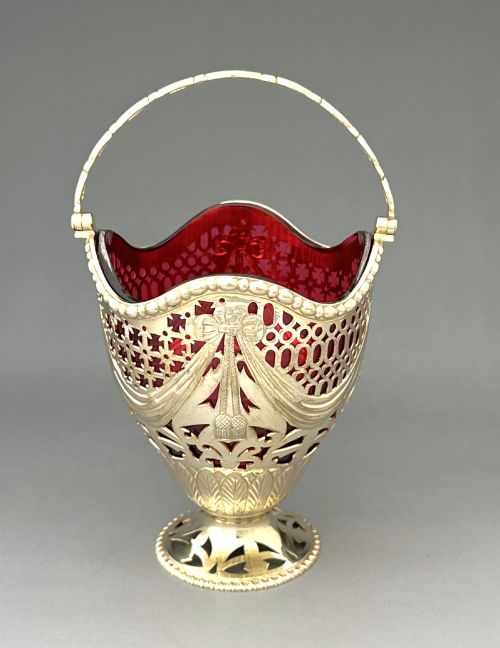
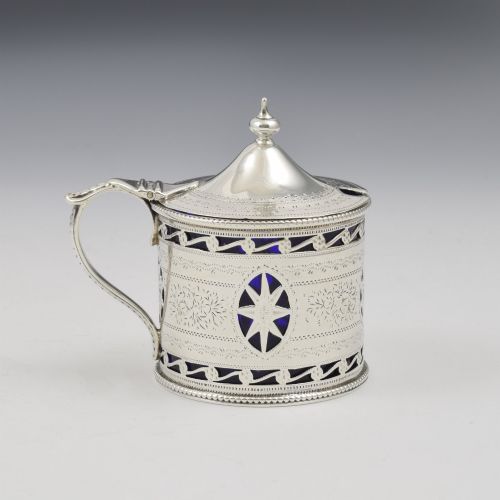
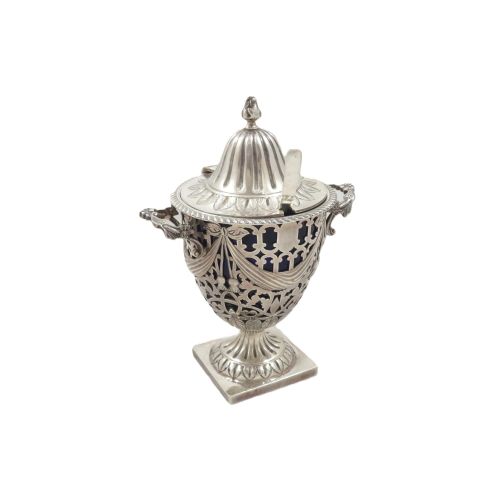
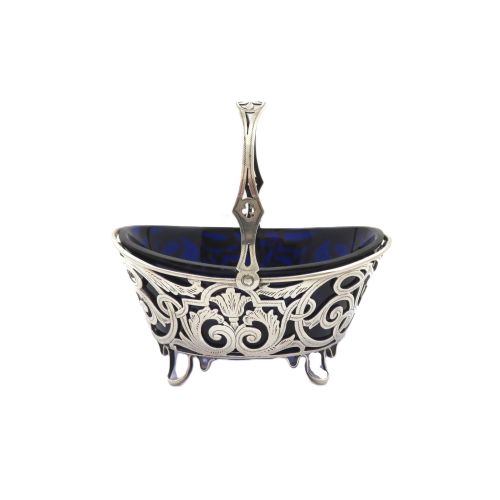
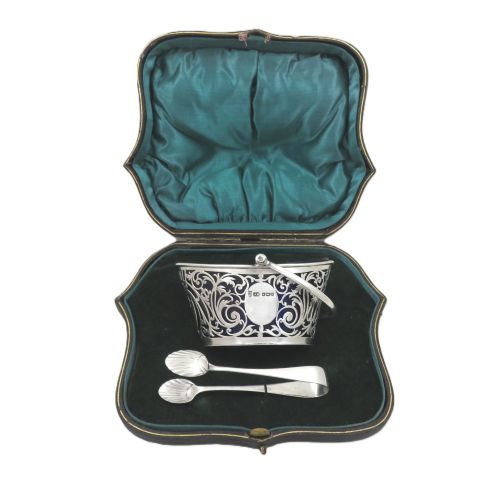
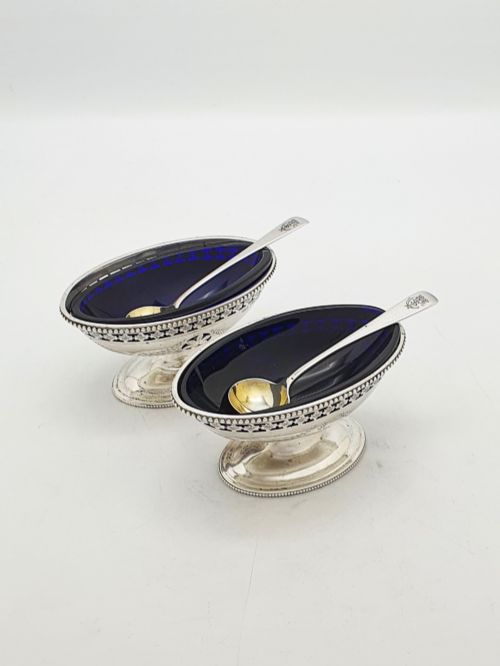
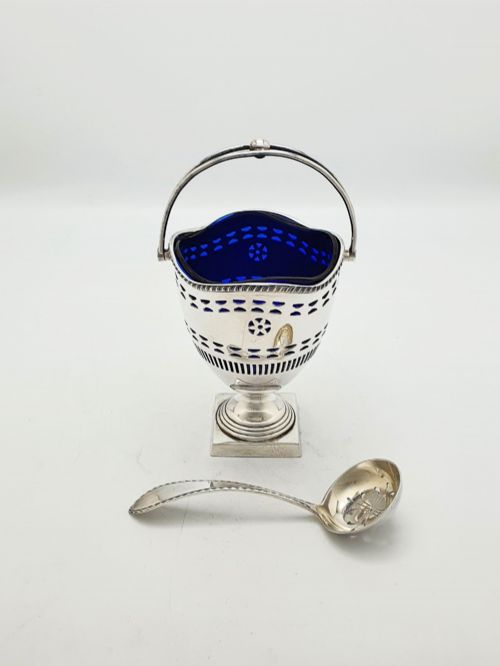
The objects span multiple periods, with strong representation from the Victorian and Edwardian eras alongside 18th-century Georgian examples and later 20th-century pieces. Common forms include swing-handled baskets, drum mustard pots, boat-shaped salts, and butter dishes.
Makers utilised sterling silver, silver plate, and 800 silver for the pierced framework. The interior glass containers appear in cobalt blue, cranberry, ruby red, green, amethyst, and frosted or opaline tones.
How they were made
Silversmiths formed the outer vessels using sterling silver or silver plate, applying piercing and reticulation techniques to cut decorative motifs through the metal body. Many vessels also incorporated cast elements, such as floral handles or figural details like cherubs and birds.
The glass liners were independently blown or moulded to fit the specific interior dimensions of the silver baskets, pots, and salt cellars. Coloured glass varieties, including cobalt blue and cranberry, received their hues through specific mineral oxides added during the melting process.
Common vessel forms include sugar baskets, mustard pots, salt cellars, butter dishes, and centrepiece bowls fitted with cobalt, cranberry, or green glass liners.
What varies in quality
Quality rests in the crispness of the pierced metalwork and the weight of the silver or silver plate used for the frame. Heavier gauge metal supports the openwork structure better, while finely executed piercing displays clean edges and deliberate geometric or floral patterns.
The presence of the original coloured glass liner significantly affects the piece, especially when the glass tone matches the period of the metal mount. Well-balanced proportions between the delicate silver framework and the fitted glass insert distinguish superior examples.
Nathan & Hayes·Aldridge & Green·Charles Stuart Harris·George Fox·Omar Ramsden·Josiah Williams & Co·Viners
The Pierced Silver Glass Liner Glossary
- Pierced
- Metalwork decorated by cutting or piercing holes through the surface to create open patterns. This technique lightened the visual weight of silver baskets and mustard pots.
- Reticulated
- A decorative openwork pattern resembling a net or web. Silversmiths applied this style across various baskets and dishes.
- Salt cellars
- Small open vessels used for holding salt at the dining table. They frequently required glass liners to protect the metal from corrosion by the salt.
- Silver gilt
- Silver covered with a thin layer of gold on the surface. This finish provided a rich interior appearance inside bowls and baskets.
- Cobalt glass
- Deep blue glass coloured with cobalt oxide. It served as a popular liner material in Victorian and Edwardian salt cellars and sugar bowls.
Pierced Silver Glass Liner: Frequently Asked Questions
What were glass liners used for?
Glass liners protected the silver framework from staining and chemical corrosion caused by contents like mustard, salt, and damp sugar. They also held liquids securely inside openwork baskets and vases.
Coloured glass inserts provided a vibrant visual contrast against the pierced silver exterior, enhancing the overall decorative effect on the dining table.
How do I clean silver with glass liners?
Remove the glass liner from the silver framework before cleaning either component. Wash the glass gently in warm soapy water and dry it thoroughly with a soft cloth.
Use a suitable silver polish on the pierced metal frame, taking care to avoid harsh abrasives that could damage delicate pierced details or silver plating.
How can I tell Victorian from Edwardian pieces?
Victorian pieces often display heavier cast ornamentation, ornate floral handles, and figural motifs such as cherubs and birds. The hallmarks on these items indicate the specific nineteenth-century assay years.
Edwardian designs frequently lean towards lighter neoclassical revival styles or cleaner geometric patterns. Hallmarks from this period reflect the early twentieth-century decades.
Are these glass liners removable?
Most glass liners lift out easily from the surrounding pierced silver basket, mustard pot, or salt cellar. This removable design allowed for straightforward cleaning after use.
When handling pieces, check whether the glass sits loose in the frame or rests securely on interior supports within the metal body.