




Pierced Porcelain Dish
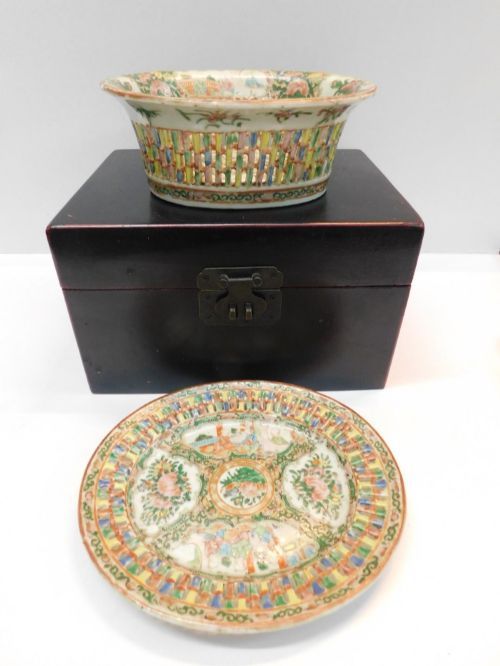
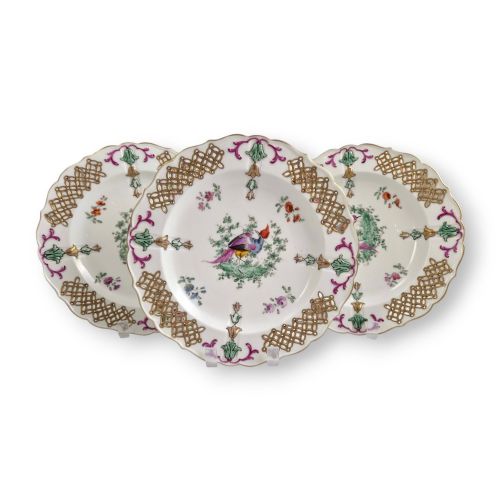
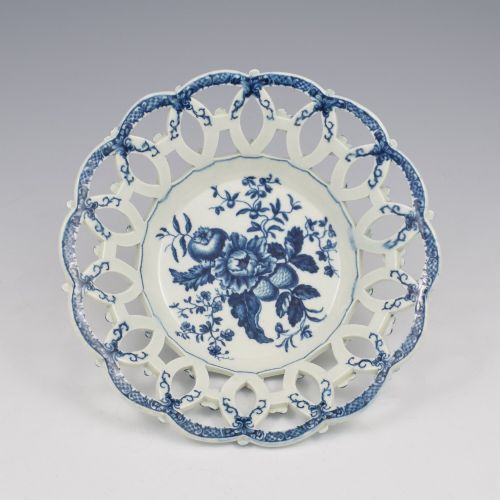
A pierced porcelain dish brings openwork elegance to a table, combining delicate ceramic crafting with intricate lattice patterns.
Pierced Porcelain Dish
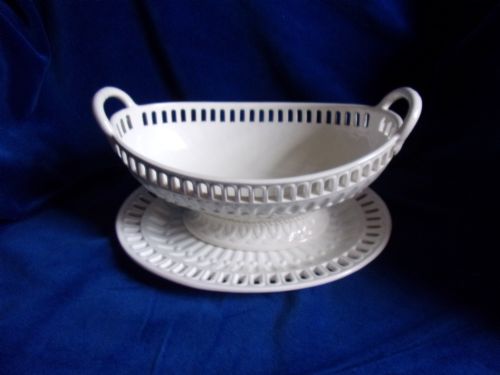
When you search for a pierced porcelain dish, you encounter a refined category of ceramic tableware and display pieces designed with openwork borders, reticulated walls, or pierced galleries. These items range from eighteenth-century English porcelain baskets and Chinese export chestnut baskets to later European cabinet plates and centrepieces.
The pieces listed on this page span the eighteenth, nineteenth, and early twentieth centuries, covering periods such as Georgian, Victorian, and Edwardian. Forms vary widely from circular serving dishes and oval ribbon plates to elaborate footed baskets with stands.
Origins stretch across English factories like Worcester and Royal Crown Derby, continental European makers including Meissen, Sevres, and Royal Vienna, and Asian traditions such as Qing Dynasty Chinese export and Japanese Imari.
How they were made
Makers utilised porcelain, bone china, and ceramic as the fundamental body for these vessels, often shaping them into basketweave textures or smooth circular and oval profiles. Piercing and reticulation required cutting through the clay before firing, a delicate operation demanding immense skill to prevent warping.
Surface decoration frequently incorporated hand-painted enamels, gilt highlights, gold leaf, and vibrant glazes. Specific motifs ranged from exotic birds and floral sprays to applied roses, putti, and mythological scenes like Cupid and Psyche.
Pierced Porcelain Dish Retail Price Guide 2026
Typical asking prices for pierced porcelain dish among the pieces listed under this phrase on Sellingantiques today, from the lower quarter to the upper quarter. They describe what is for sale here now, not the wider market.
The selection includes Japanese Imari, Chinese Export, Rococo Revival, and Georgian styles, ranging from simple ribbon dishes to elaborate centrepieces with applied roses.
What varies in quality
The crispness and depth of the pierced work define the upper tier of these objects, where openings remain sharp and uniform without distortion from the kiln firing. Finer examples display meticulous hand-painted details, precise gilding, and sophisticated modelling of applied elements such as flowers and figures.
Signatures, factory marks, and period-specific potting techniques distinguish standard production wares from exceptional cabinet pieces. The presence of matching stands and well-preserved painted enamel scenes further elevates the standing of an individual piece.
Royal Crown Derby·Meissen·Furstenberg·Minton·Royal Vienna·Schierholz Plaue·Sevres·Mason·Royal Worcester
The Pierced Porcelain Dish Glossary
- Reticulated
- Describes ceramic work featuring an open network or lattice pattern cut into the clay body. This technique creates a woven or lace-like effect along the rim of a dish.
- Chestnut basket
- A deep serving vessel designed with pierced sides, usually accompanied by an underplate or stand. These were traditionally used for serving chestnuts at grand dining tables.
- Cabinet plate
- A decorative ceramic plate intended for display in a cabinet or on a wall rather than for functional dining use. These pieces typically exhibit high-quality artistic painting.
- Paste
- The ceramic body material used in porcelain manufacturing, categorized historically into soft paste and hard paste. Each type reacts differently to kiln temperatures and glazing.
Pierced Porcelain Dish: Frequently Asked Questions
What is a pierced porcelain dish?
A pierced porcelain dish is a ceramic vessel featuring decorative cutouts or openwork borders, created for serving food or for ornamental display.
These items encompass various forms such as chestnut baskets, ribbon plates, and cabinet trays from historical periods.
How were pierced patterns made?
The openwork patterns were meticulously cut into the soft clay body by hand before the initial firing process.
Potters required great precision to ensure the delicate lattice or gallery walls retained their structural integrity through high kiln temperatures.
How do I identify eighteenth-century pieces?
Eighteenth-century examples often display specific paste characteristics, hand-painted underglaze blue motifs, or early factory marks associated with English and continental potteries.
Form and weight also provide clues, as earlier ceramic bodies frequently exhibit subtle manufacturing variances compared to later industrial output.
Can I use these dishes for serving food?
While originally created for functional dining or dessert service, many antique pierced dishes are now treated as delicate display items.
The intricate openwork and historical enamel decoration mean most owners prefer to exhibit them in cabinets or on walls.
What is a chestnut basket and stand?
A chestnut basket is a deep, pierced serving vessel accompanied by a matching underplate, historically used at elite dining tables.
The reticulated walls allowed ventilation for roasted chestnuts while the stand caught any residual debris.