







Pierced Metal Hearth Guard
A pierced metal hearth guard sets the tone of a fireside, keeping stray embers in check while catching the light.
Pierced Metal Hearth Guard
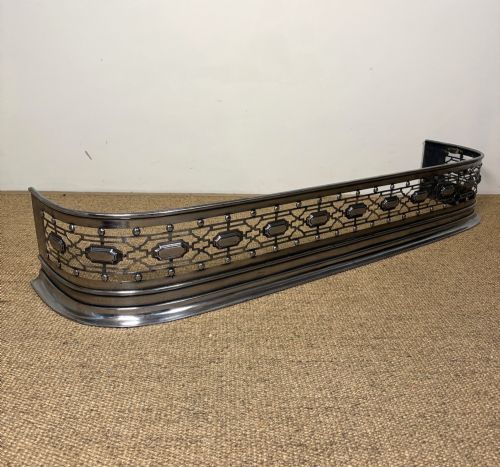
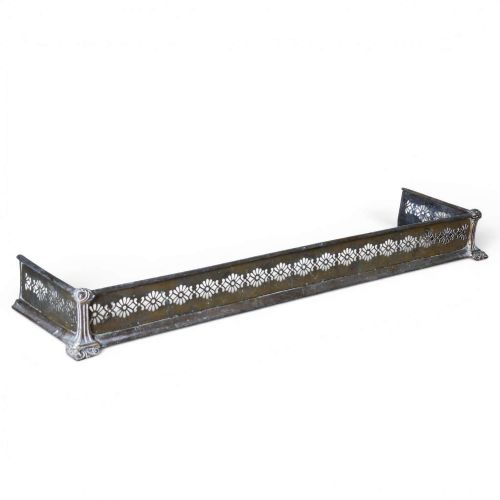
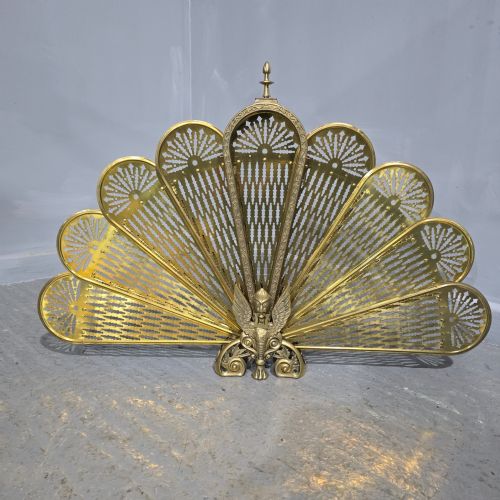
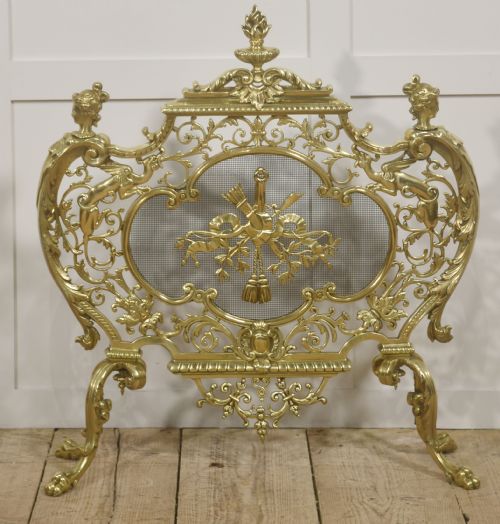
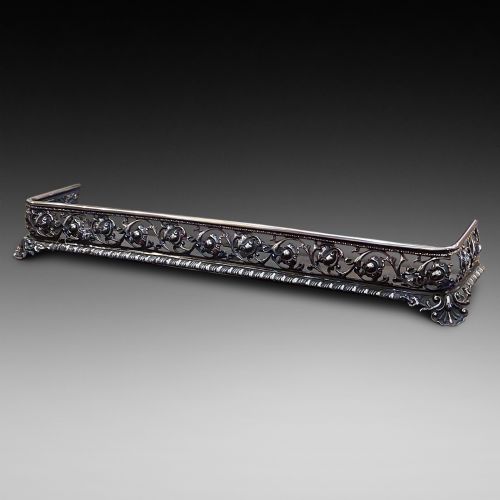
A pierced metal hearth guard protects the floorboards from stray sparks whilst framing the fireplace. The selection spans the Georgian, Regency, and Victorian eras, taking the form of low fenders, kerbs, and standing fire screens.
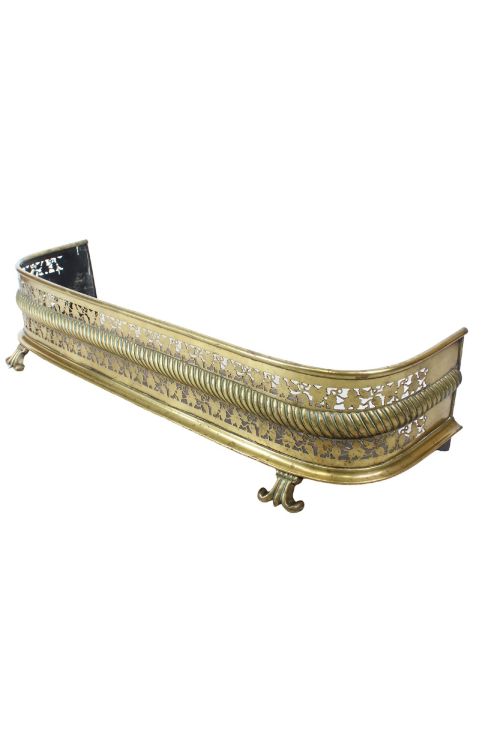
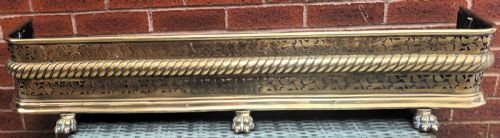
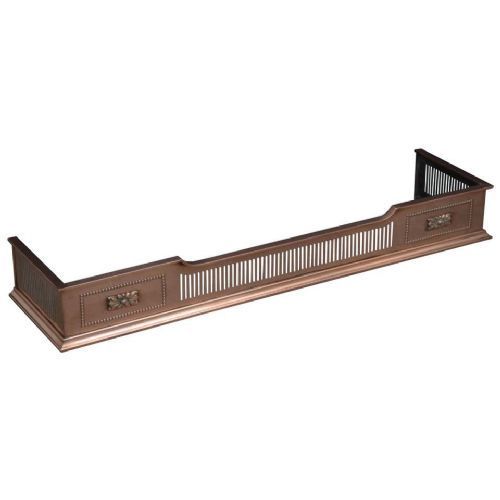
Most examples found here are brass or steel fenders designed to sit directly on the hearthstone. These pieces utilise intricate pierced metalwork, open wire mesh, or engraved decorative panels to soften the heavy heat of the grate.
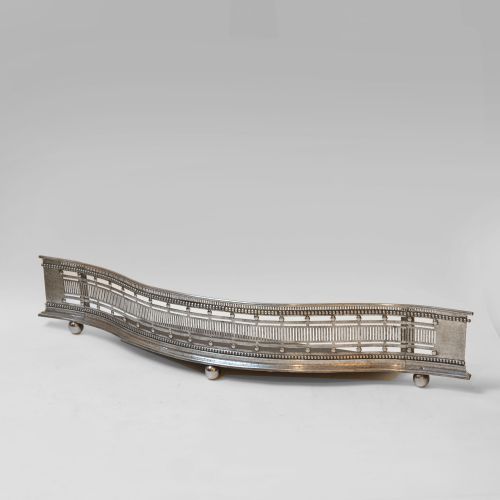
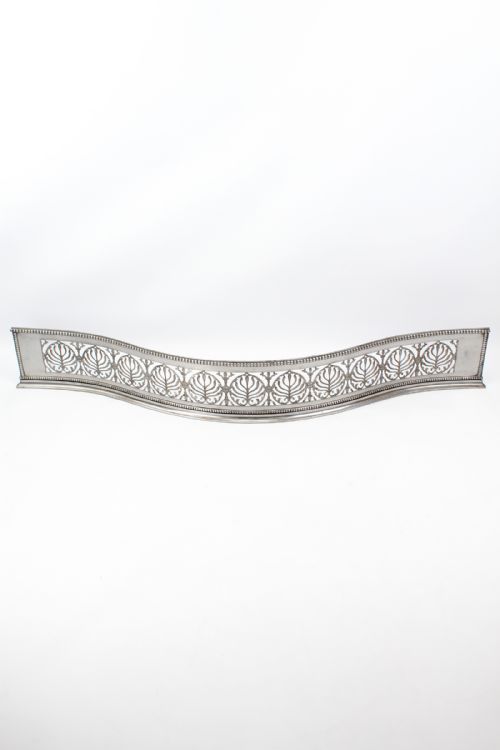
Geometrical bows and serpentine fronts dominate the earlier Georgian iterations, whilst later Victorian pieces favour robust brass construction with floral and patera motifs.
Materials and construction
Blacksmiths and metalworkers shaped these guards from heavy sheets of brass, steel, and iron. Pierced patterns were achieved through careful hand-punching or early mechanical perforation before the metal was polished or burnished.
Many examples combine materials, pairing a polished steel body with heavy brass mouldings or mounting wire mesh within a rigid metal frame. Details like flower patera and beaded decoration were cast separately and fixed to the main structure.
Pierced Metal Hearth Guard Retail Price Guide 2026
Typical asking prices for pierced metal hearth guard among the pieces listed under this phrase on Sellingantiques today, from the lower quarter to the upper quarter. They describe what is for sale here now, not the wider market.
Some Victorian brass fenders display a distinct industrial weight, built to endure heavy coal shovels and wandering boots alike.
Assessing the craftsmanship
The distinction between standard utility guards and finer hearth furniture rests in the crispness of the piercing and the weight of the metal. Heavier gauge steel and thick brass retain their structural rigidity and polish far better over decades of heat exposure.
Subtlety of engraved detail and the integration of decorative mounts separate workshop pieces from mass-produced items. Well-executed corner joints and substantial feet indicate a higher standard of original manufacture.
The Pierced Metal Hearth Guard Glossary
- Fender
- A low metal barrier placed on the hearth around an open fire to contain burning coals and sparks. They often incorporate seating rails or pierced decorative aprons.
- Serpentine
- A gently curved front shape undulating in a convex-concave-convex line. This contour is typical of finer Georgian steel and brass hearth guards.
- Patera
- A circular ornamental disc carved or cast in relief to resemble a classical libation dish. They appear frequently on Victorian copper and brass fenders.
- Fire screen
- A moveable barrier placed in front of the fireplace when the fire is unlit to hide the dark grate. Examples include solid pierced metal panels and folding brass mesh designs.
Pierced Metal Hearth Guard: Frequently Asked Questions
How do I measure for a fender?
Measure the width and depth of your hearthstone, taking note of any skirting boards or projections that the guard must fit between. Allow a small clearance so the metal does not rub directly against the surround.
Keep in mind that many older metal hearth guards have slight irregularities from hand-forging, so measuring at both the floor level and top rail ensures a proper fit.
Are these guards safe for open fires?
Most of these pieces were built for active coal and wood fires, using heavy iron, steel, and brass that withstand high temperatures. The solid metal bases and wire mesh effectively stop rolling embers.
Verify that any mesh or decorative panels are securely fixed before use, as older fixings can loosen with thermal expansion over many years.
How do I clean polished steel and brass?
Use a soft cloth and a dedicated metal polish suitable for brass or steel, working carefully around pierced areas to avoid residue build-up. Regular dusting helps prevent soot from etching the surface.
Avoid harsh abrasive pads that can scratch the original patina or remove centuries of surface character developed through use.
What is the difference between a fender and a screen?
A fender sits flat on the floor as a low perimeter barrier around the base of the fireplace. A screen stands upright to block the view of the grate entirely.
Fenders stay in place during fires, whereas standing screens are generally positioned when the hearth is cold.