



Pictorial Wool Rug
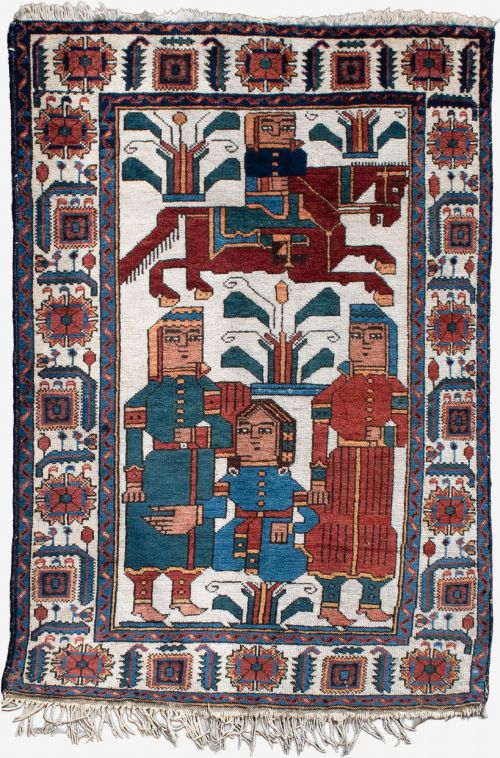
A pictorial wool rug brings storytelling directly to the floor through woven portraits and figurative scenes.
Pictorial Wool Rug
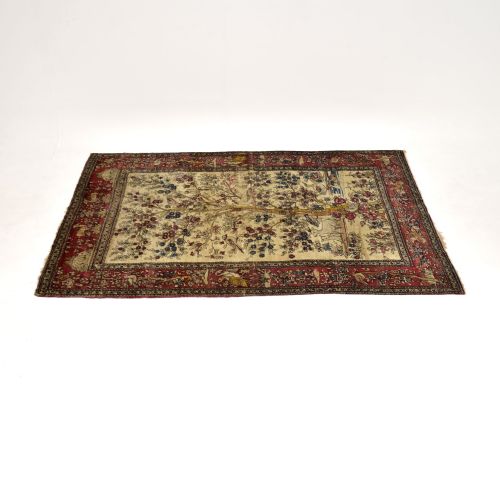
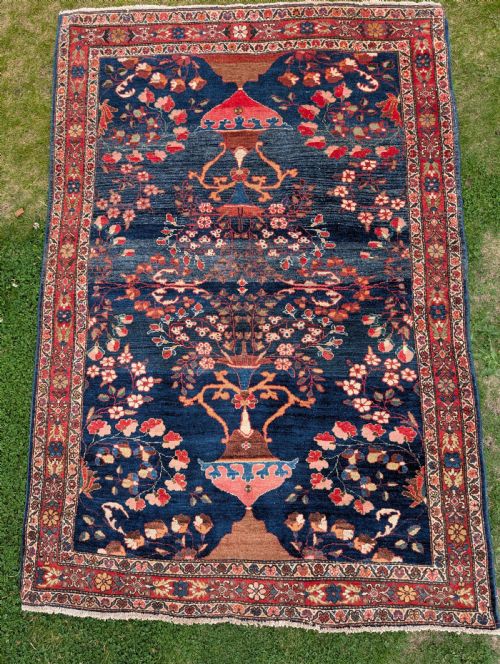
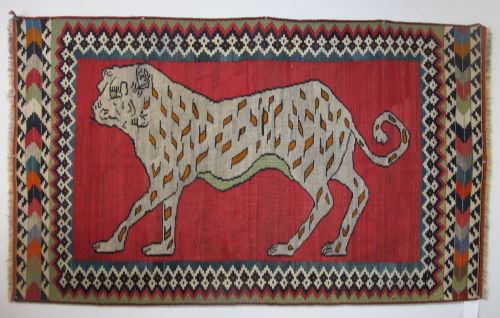
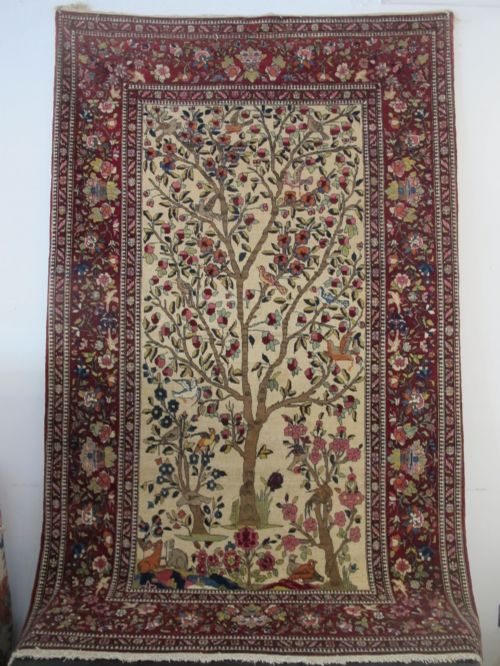
A pictorial wool rug combines traditional textile weaving with figurative portraiture and narrative scenes. When searching for a pictorial wool rug, buyers encounter Persian and regional types spanning the late nineteenth century to the early twentieth century. These pieces record historical figures, animals, and local events using durable textile techniques.
The selections on this page draw from Persian weaving centres such as Kashan, Kirman, and Isfahan, alongside Afghan and Caucasian workshops. Most examples originate between 1870 and 1930, capturing both tribal traditions and formal court aesthetics. Buyers most frequently meet smaller formats, mats, and room-sized carpets carrying woven likenesses.
Materials and construction
Makers constructed these floor coverings primarily using hand-spun wool, cotton foundations, and occasionally silk highlights. Natural dyes provided the deep colour palettes seen across the nineteenth and early twentieth centuries. Artisans knotted the pile by hand onto cotton or wool warps to achieve detailed pictorial clarity.
The density of the knotting determined how sharply a weaver could render human faces, animals, and architectural motifs. Workshops utilised precise carding and spinning methods to ensure the pile held up to daily foot traffic while retaining subtle tonal shifts.
Pictorial Wool Rug Retail Price Guide 2026
Typical asking prices for pictorial wool rug among the pieces listed under this phrase on Sellingantiques today, from the lower quarter to the upper quarter. They describe what is for sale here now, not the wider market.
Several weavers immortalised world leaders directly underfoot, rendering both tsars and kaisers in dense wool pile.
Assessing quality and craftsmanship
The choice of dyestuffs and the quality of the raw wool dictate how well the piece ages under light and wear. Superior rugs maintain crisp contrasts between figures and backgrounds, whereas lower grades suffer from muddy colour mixing and uneven pile retention.
Mohtasham Kashan·Lavar Kirman
The Pictorial Wool Rug Glossary
- Pictorial rug
- A textile woven with depictions of people, animals, or historical narratives rather than standard geometric patterns. These pieces function as visual records of personalities and events.
- Hand-knotted
- A construction method where individual strands of wool are tied by hand onto a warp foundation. This technique allows for intricate curves and detailed figurative work.
- Natural dyes
- Colourants derived from plants, insects, and minerals used before the widespread adoption of synthetics. They produce rich patinas that mellow gracefully over decades.
- Prayer rug
- A smaller format textile featuring a mihrab or arch design intended for devotional use. These often incorporate unusual border symbols and specific tribal motifs.
Pictorial Wool Rug: Frequently Asked Questions
What subjects appear on these rugs?
These textiles frequently depict historical rulers, political leaders, and specific portraits such as shahs or tsars. Artisans also wove scenes featuring animals, local people, and traditional architectural elements.
Such imagery transforms a standard floor covering into a narrative document reflecting the political and cultural interests of the weaving period.
Where were these pieces made?
The majority originate from established Persian weaving centres like Kashan, Isfahan, Kirman, and Tabriz. Other examples emerge from Afghan, Caucasian, and Turkish workshops.
Regional preferences heavily influenced whether the resulting textile featured tribal motifs, court portraiture, or floral compositions.
How do I care for a wool rug?
Protect the textile by vacuuming gently without a rotating brush bar to avoid pulling the hand-tied pile. Keep the piece out of direct sunlight to prevent natural dyes from fading unevenly.
Rotate the rug periodically to ensure even wear patterns across high-traffic areas and under furniture legs.
How do I date a woven rug?
Dating relies on examining the specific dyestuffs, structural materials, and stylistic markers recorded in the weave. Pieces from the nineteenth century often display softer vegetable dye palettes and looser structural foundations.
Later works from the early twentieth century frequently incorporate sharper synthetic influences alongside denser knot counts for clearer portraiture.