





Persian Wool Floor Rug
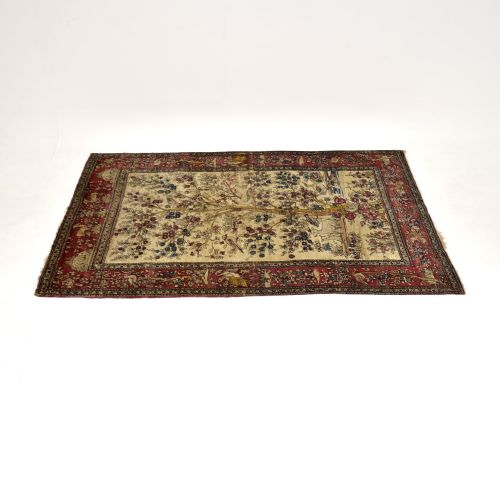
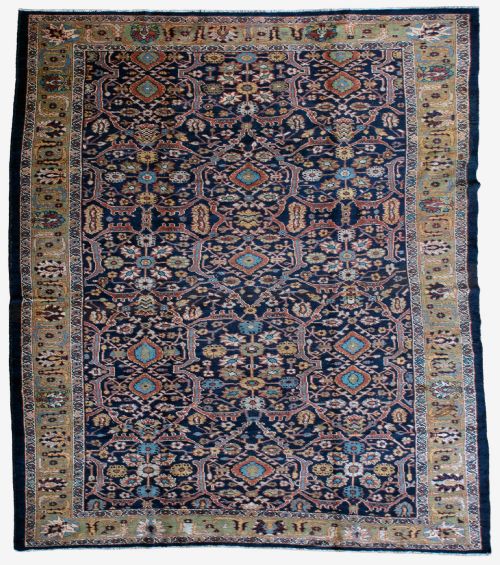
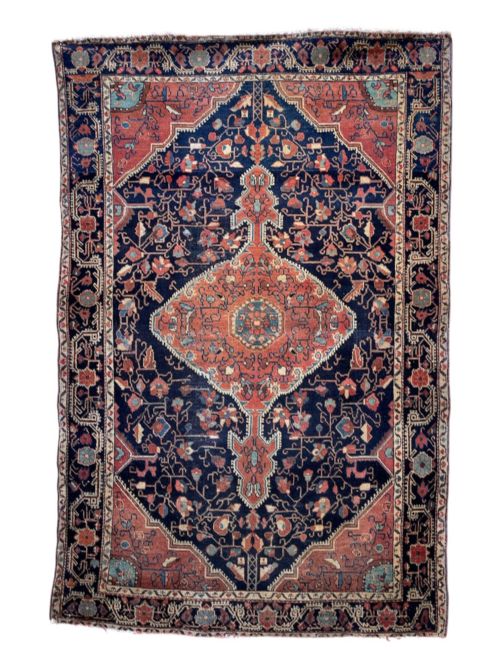
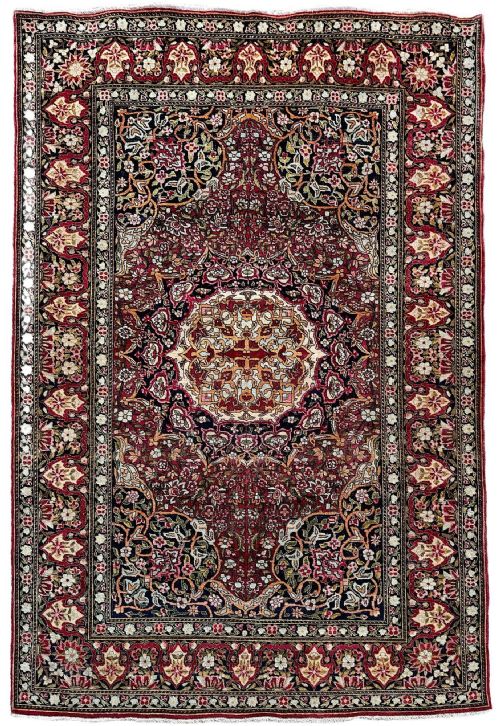
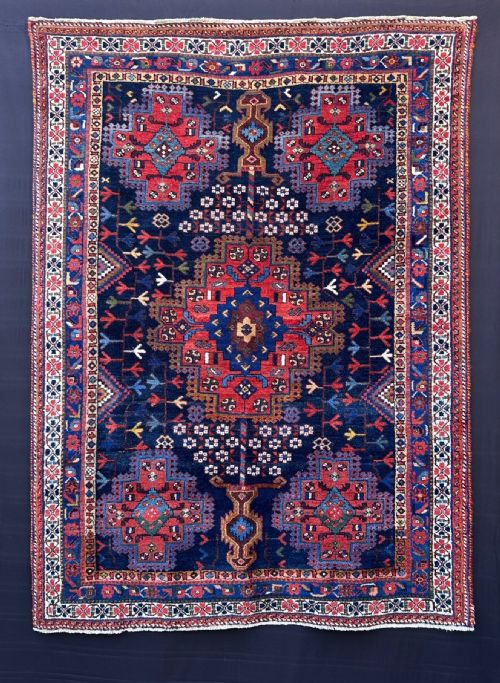
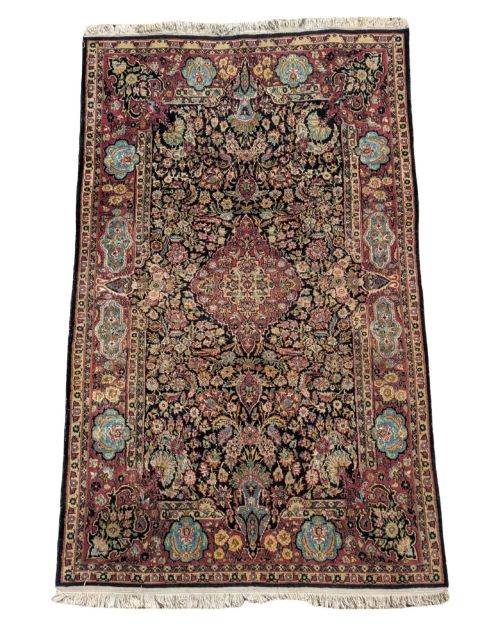
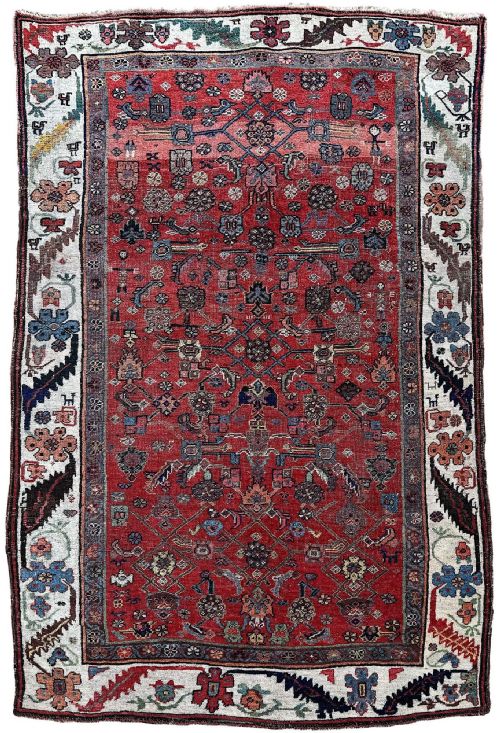
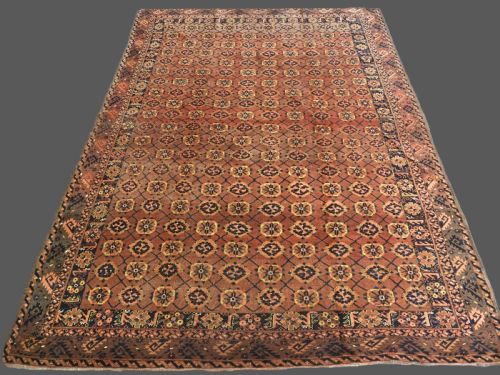
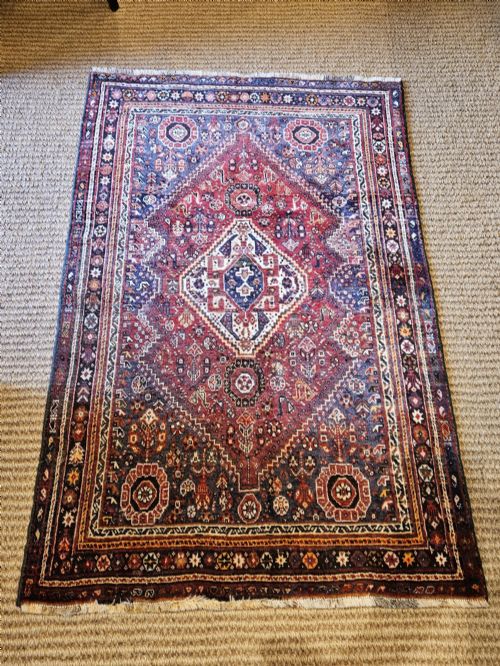
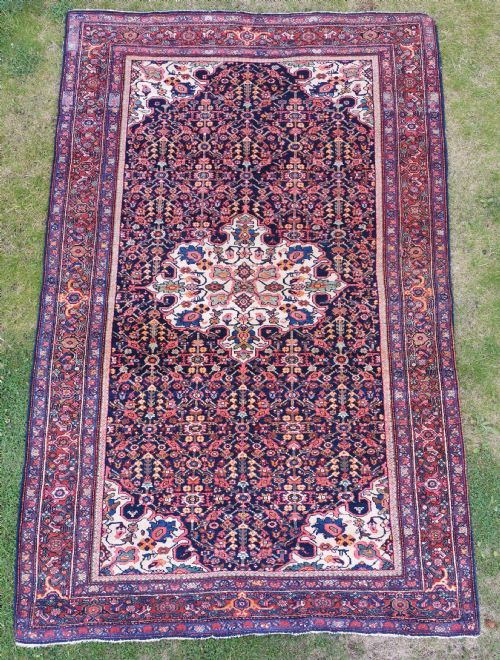
When you search for a persian wool floor rug, you are looking at hand-knotted village and city carpets woven across Persia and neighbouring regions during the nineteenth and early twentieth centuries.
Persian Wool Floor Rug
A persian wool floor rug brings centuries of textile tradition into a domestic interior, spanning large room-sized carpets down to compact hearth-sized pieces and long hallway runners. The selection here leans heavily towards pieces produced between the mid-nineteenth century and the 1930s, encompassing traditional Persian styles alongside specific tribal and regional weaves.
Buyers encounter distinct regional identities in these carpets, from bold geometric village formats like Heriz and Bidjar to intricate city designs originating in Tabriz, Isfahan and Kashan. Tribal groups such as the Afshar, Bakhtiar, Baluch and Khamseh Confederacy also contribute characteristic formats that rely on distinct design vocabularies and regional dyeing traditions.
Materials and technique
The primary material foundation of these pieces rests on durable wool, frequently supported by cotton foundations, with occasional silk highlights introduced to emphasise specific design elements. Natural dyes provide the underlying palette, creating rich variations in tone across the surface of each carpet over decades of exposure and use.
Weavers tied dense piles by hand onto warps and wefts, employing regional knotting techniques that dictate the structural rigidity and handle of the finished rug. The integration of wool and cotton depends entirely on the workshop or village origin, balancing pile softness with structural longevity.
Persian Wool Floor Rug Retail Price Guide 2026
Typical asking prices for persian wool floor rug among the pieces listed under this phrase on Sellingantiques today, from the lower quarter to the upper quarter. They describe what is for sale here now, not the wider market.
Some nineteenth-century weavers secretly added deliberate imperfections into their geometric patterns to ward off evil spirits.
What varies in quality
Quality in a persian wool floor rug lies in the density of the knotting, the precision of the design execution, and the depth of the materials employed. Finer village and city carpets display meticulous control over complex floral or geometric motifs, whereas tribal examples achieve distinction through spontaneous design variations and exceptionally vibrant natural palettes.
The integrity of the foundation, the uniformity of the wool pile, and the survival of original borders determine the overall standing of an individual carpet. Gradations in quality emerge through the clarity of the dye work and how evenly the pile has worn across the field.
Heriz·Saroukh·Isfahan·Tabriz
The Persian Wool Floor Rug Glossary
- Kelleh
- A long, rectangular format of carpet traditionally used in Middle Eastern domestic architecture. These proportions suit narrow rooms and corridors.
- Gul
- A medallion-like design motif repeated across tribal carpets, particularly associated with Turkmen and Baluch weaving traditions. Each tribe maintained specific variations of these motifs.
- Warp
- The vertical threads stretched tightly on the loom that form the structural backbone of the rug. Weft threads pass horizontally between them to secure the knots.
- Natural Dyes
- Colourants derived from plant, insect and mineral sources prior to the widespread adoption of synthetic alternatives. They produce complex hues that weather gradually.
Persian Wool Floor Rug: Frequently Asked Questions
How do I clean an antique rug?
Professional dusting and specialist low-moisture washing remain the only safe methods for antique wool textiles. Household detergents and excessive water damage natural fibres and old dyes.
Regular gentle vacuuming without a rotating brush lifts embedded dirt from the pile base without stressing the foundation threads.
Where should I place a runner?
Runners suit long hallways, narrow landings, and galley spaces where their linear proportions balance the surrounding architecture. They protect high-traffic floorboards while adding warmth and pattern to transitional zones.
Using a quality underlay prevents slipping and cushions the wool against hard flooring surfaces.
How do I identify a tribal rug?
Tribal carpets usually display geometric motifs, repeating medallions, and asymmetrical designs drawn from memory rather than rigid paper cartoons. They often exhibit a slightly heavier handle and rustic village materials.
Regional palettes and specific knotting structures help pinpoint the exact nomadic confederacy or village origin.
Will natural dyes fade in sunlight?
Direct, sustained sunlight gradually lightens even the most stable natural dyes over many years. Rotating the carpet periodically ensures even exposure to ambient light.
Placing the rug away from south-facing windows preserves the original saturation of the wool pile.