






Persian Wool Cushion
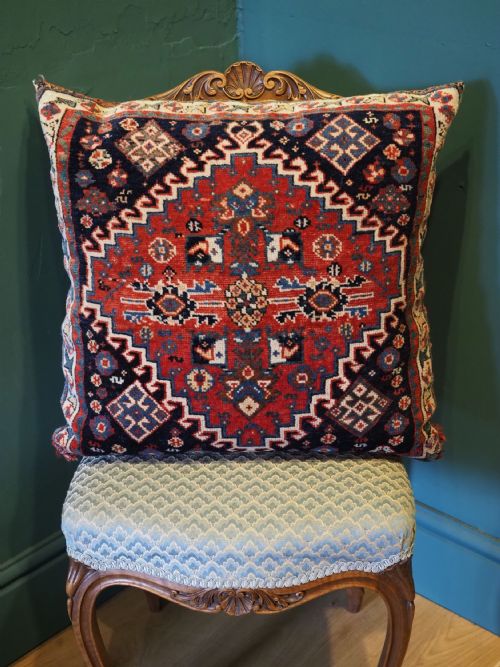
A persian wool cushion brings the dense texture and geometric patterns of nomadic tribal weaving directly into an interior.
Persian Wool Cushion
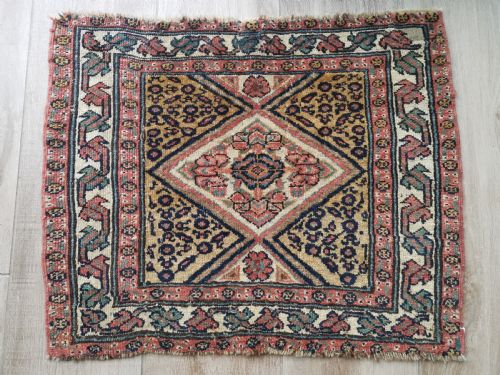
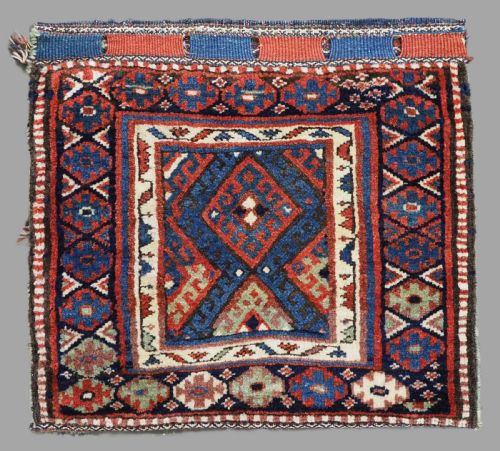
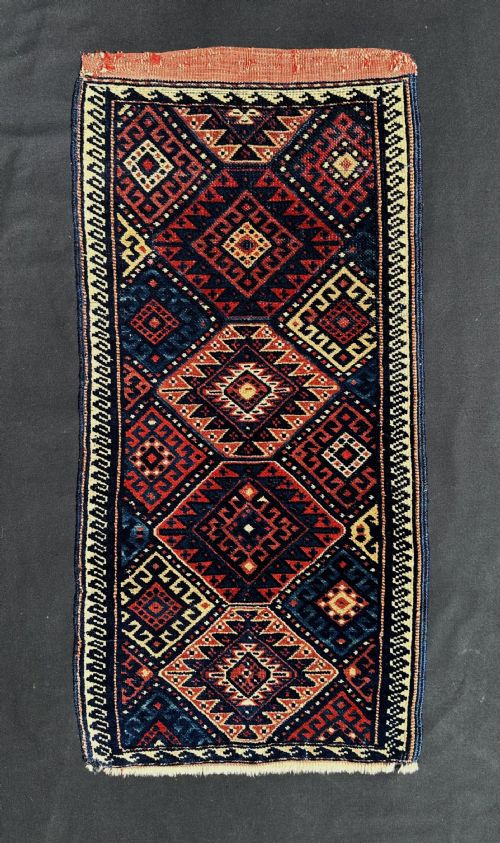
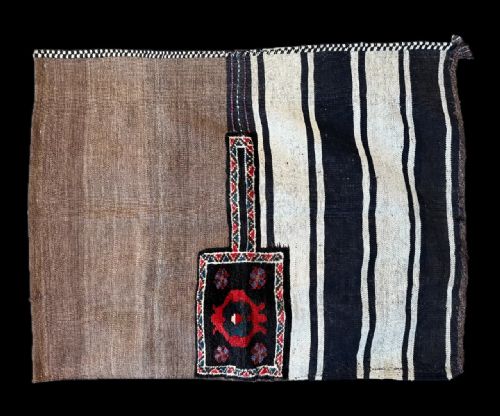
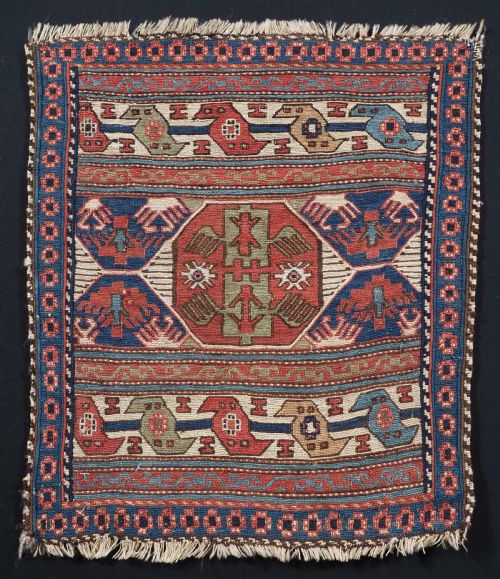
When searching for a persian wool cushion, collectors encounter repurposed tribal bags, saddlebags, and storage sacks originating from nineteenth and early twentieth-century nomadic groups. These pieces typically derive from Qashqai, Kurdish, Baluch, Shahsavan, and Afshar confederations who wove functional containers for daily camp life. The conversion from utilitarian saddlebag or wheat sack into a cushion preserves original face panels, often complemented by plain weave wool or goat hair backs.
The regional origins span specific Persian provinces such as Khorassan, Fars, and Kerman, reflecting distinct tribal weaving traditions. Common formats on this page include square bag faces and half-saddlebags adapted for domestic seating and pillow use. Each item carries the structural characteristics of nomadic textile art, created by weavers working within specific tribal design vocabularies.
Materials and construction
The foundation of a persian wool cushion relies on hand-spun wool and cotton, frequently reinforced with sturdy goat hair for durability along edges and backs. Weavers utilised natural dyes and vegetable dyes to achieve deep colours across pile and flatweave surfaces.
Techniques range from pile knots on sturdy warps to intricate soumak brocading and flatweave kilim structures. Individual pieces display banded weft work and detailed motifs executed by nomadic makers operating portable vertical or horizontal looms.
Persian Wool Cushion Retail Price Guide 2026
Typical asking prices for persian wool cushion among the pieces listed under this phrase on Sellingantiques today, from the lower quarter to the upper quarter. They describe what is for sale here now, not the wider market.
Materials recorded across current inventory include hand-spun wool, cotton, goat hair, and natural vegetable dyes.
Quality variations
Quality in these textiles depends upon the density of the knotting, the brilliance of the natural dyes, and the crispness of the tribal motifs. Superior examples maintain lustrous, luminous wool and retain structural integrity across both decorative faces and original plain weave backs.
Finer specimens exhibit precise execution of complex iconography, such as birds, dragons, and large boteh designs, distinguishing standard utility items from masterwork tribal weaving.
The Persian Wool Cushion Glossary
- Bagface
- The decorative front panel of a nomadic storage bag or saddlebag. This section usually contains the primary tribal iconography and finest knotting.
- Khorjin
- The Persian term for a double saddlebag used by nomadic tribes for transport and storage. Surviving cushions often utilise one half of these original paired sacks.
- Soumak
- A flatweave technique involving wrapped weft threads that create a raised, durable surface texture. This method allows for detailed pictorial designs without pile.
- Boteh
- A stylised almond or paisley motif representing a floral spray or cypress tree. It appears frequently across Afshar and Baluch tribal weaving.
- Tacheh
- A traditional woven wheat sack or storage container made by nomadic groups. These large utility pieces provide durable materials for contemporary cushion conversion.
Persian Wool Cushion: Frequently Asked Questions
What is a persian wool cushion made from?
These pieces are constructed primarily from hand-spun wool and cotton, often utilising goat hair for structural strength. Natural and vegetable dyes provide the deep colours seen across the pile and flatweave surfaces.
Nomadic weavers sourced these materials locally to withstand the rigours of tribal migration and daily camp utility.
How do I identify different tribal designs?
Tribal attribution relies on specific motifs, colour palettes, and structural techniques unique to groups like the Qashqai, Baluch, or Shahsavan. Each confederation maintained distinct geometric vocabularies and weaving habits.
Studying the arrangement of borders and field patterns helps pinpoint the regional origin within Persia.
How should I care for an antique wool cushion?
Gentle vacuuming without a rotating brush helps remove surface dust from the wool pile. Professional textile cleaning is recommended for any deeper maintenance.
Keeping the cushion away from direct, harsh sunlight preserves the integrity of the natural and vegetable dyes.