



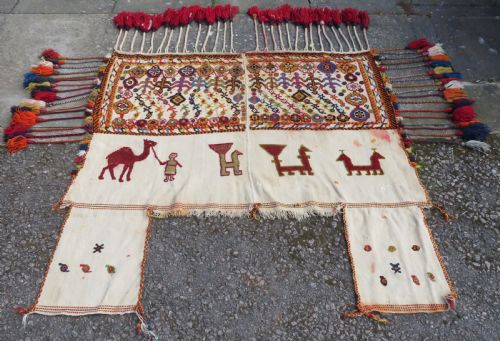
Persian Tribal Wool Tassels
These persian tribal wool tassels adorn genuine nomadic textiles, bringing tactile authenticity and vibrant colour directly into your interior scheme.
Persian Tribal Wool Tassels
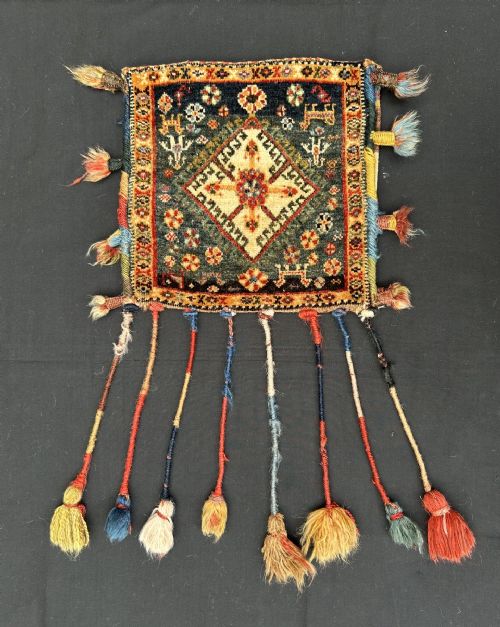
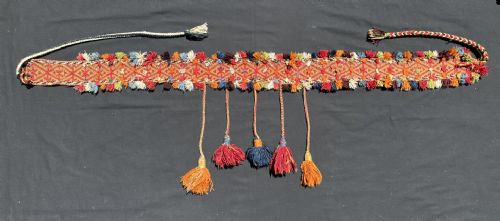
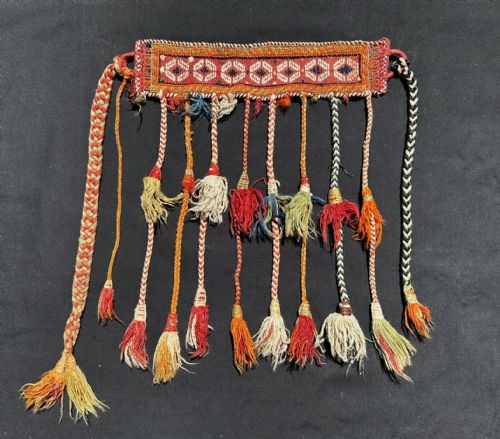
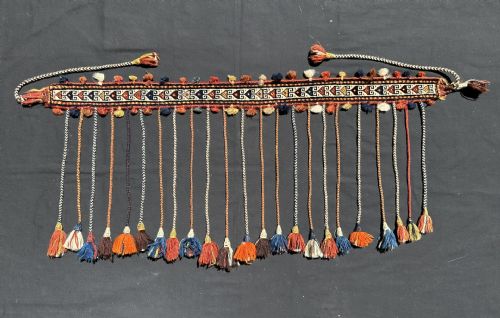
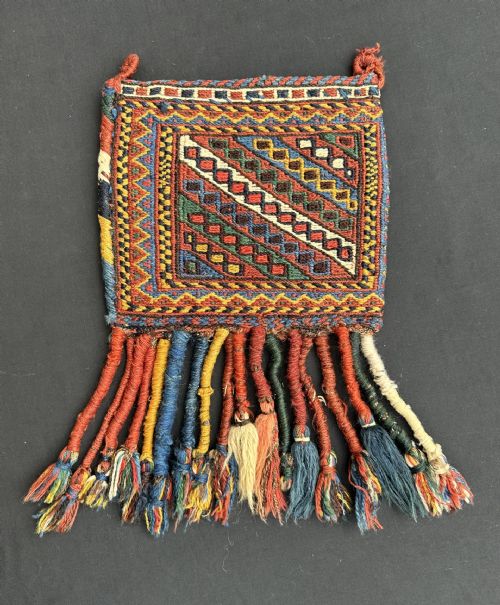
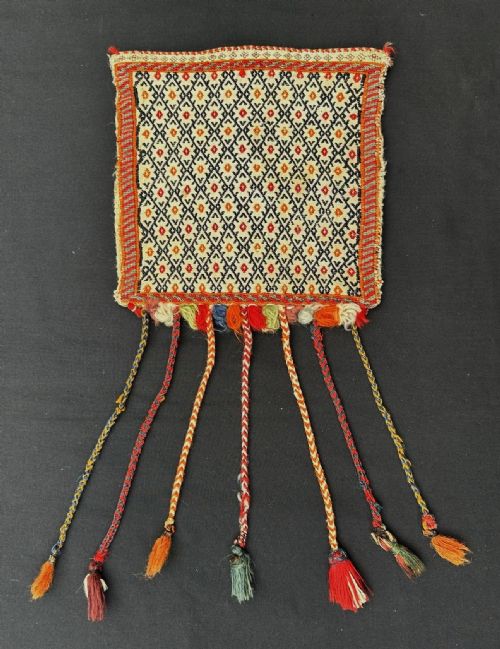
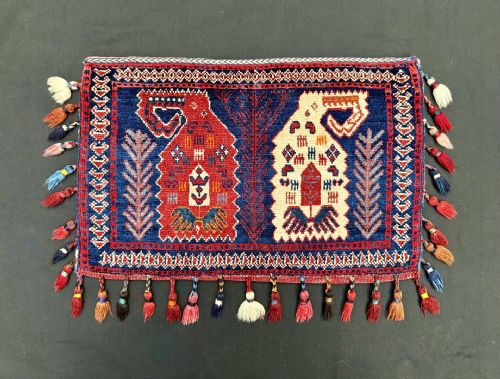
When you search for persian tribal wool tassels, you are examining functional ornaments and decorative appendages attached to nomadic trappings, horse blankets, animal decorations, and storage pouches. The pieces available here originate predominantly from the Qashqai confederacy, including sub-tribes such as the Bolvardi, Darrehshuri, and Kashkuli, alongside Baluch and Afshar nomads from regions like Fars and Kerman.
These items typically date from the late nineteenth century up to the early decades of the twentieth century, specifically spanning the eighteen-eighties to nineteen-twenty. They manifest as parts of vanity bags, salt bags, baby cradles, and horse decorations rather than standalone ornaments, reflecting their original utilitarian roles within nomadic daily life.
How they were made
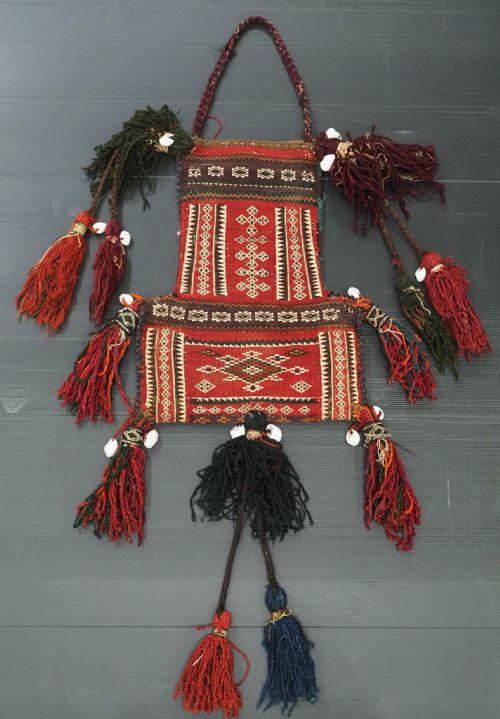
The construction of these objects relies heavily on hand-spun wool, often combined with cotton foundations and natural dyes to achieve rich, enduring palettes. Artisans frequently integrated supplemental materials such as leather, wood, and cowrie shells to reinforce structural edges and add decorative contrast.
The tassels and textile components are hand-woven, utilising traditional tribal techniques passed down through generations of nomadic makers. This meticulous handwork ensures that each appendage is securely fastened to the underlying bag faces, blankets, or trappings.
Nomadic weavers frequently added cowrie shells to these textiles to ward off the evil eye and bring good fortune during seasonal migrations.
What varies in quality
Quality in these textiles depends on the intricacy of the weave, the complexity of the tribal design, and the vibrancy of the natural dyes used in the wool. Pieces that retain their original cowrie shells, leather elements, and secure tassel attachments exhibit superior preservation.
The specificity of tribal attribution also influences the standing of a piece, with well-documented sub-tribal origins in regions like Fars or Kerman offering clearer insight into traditional nomadic craftsmanship.
The Persian Tribal Wool Tassels Glossary
- Nomadic
- Pertaining to pastoral groups who move seasonally with their livestock. This lifestyle dictated the portable, textile-heavy nature of their material culture.
- Trapping
- An ornamental or functional covering designed for animals such as horses or pack beasts. These items often feature elaborate wool tassels and decorative weaving.
- Namakdan
- A traditional Persian salt bag used by nomadic groups for domestic storage. They usually possess narrow necks and wide bodies decorated with dense pile or flatweave.
- Cowrie Shells
- Small marine molluscs utilised globally as currency and decoration. In nomadic textiles, they are often sewn onto bags and trappings for ornamentation and protection.
- Natural Dyes
- Colourants derived from plants, insects, and minerals rather than synthetic chemistry. They produce the nuanced, harmonious tones found in older tribal woolwork.
Persian Tribal Wool Tassels: Frequently Asked Questions
What are persian tribal wool tassels attached to?
These tassels are typically attached to nomadic utilitarian items such as horse blankets, animal decorations, vanity bags, and salt bags. They served both decorative and symbolic functions on objects used daily by tribal groups.
Over time, these functional appendages have become primary focal points for collectors interested in authentic nomadic textile arts from south-west Persia.
How do I date these tribal textiles?
Dating relies on stylistic analysis, material composition, and structural characteristics typical of late nineteenth and early twentieth-century weaving. Evidence from this era points to natural dyes and hand-spun wool.
Consulting specific tribal attributions, such as those from the Qashqai or Baluch confederacies, helps narrow down the period of production between eighteen-eighty and nineteen-twenty.
How should I display a tribal bag or trapping?
These textiles can be mounted securely on walls as flat art pieces or placed carefully as decorative elements within a room. Ensuring they are kept out of direct sunlight preserves the natural wool colours.
Because many items include delicate attachments like cowrie shells and tassels, gentle placement prevents unnecessary physical stress on the hand-woven structure.