




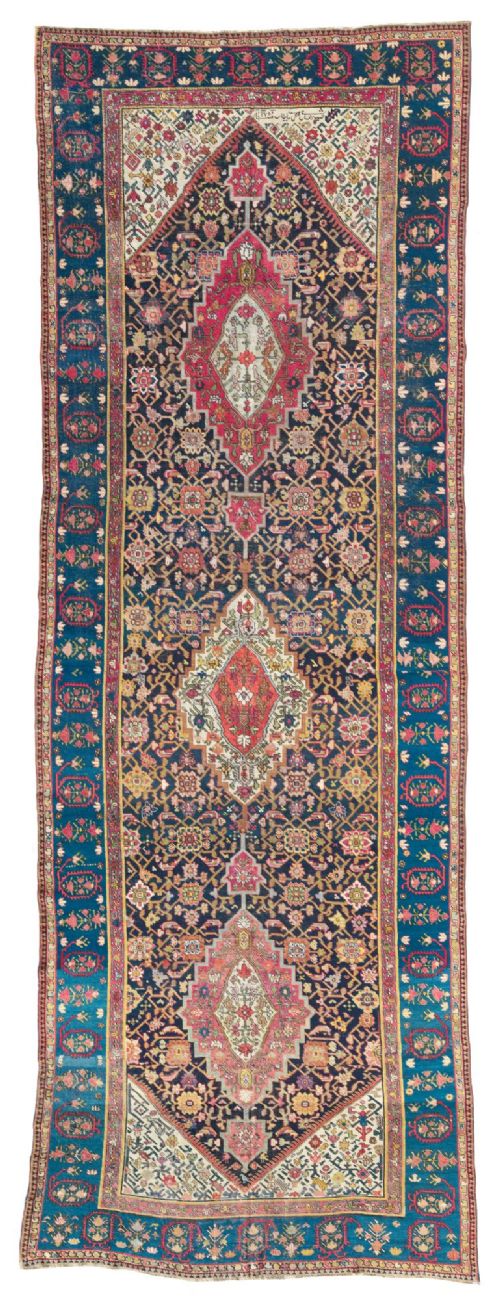
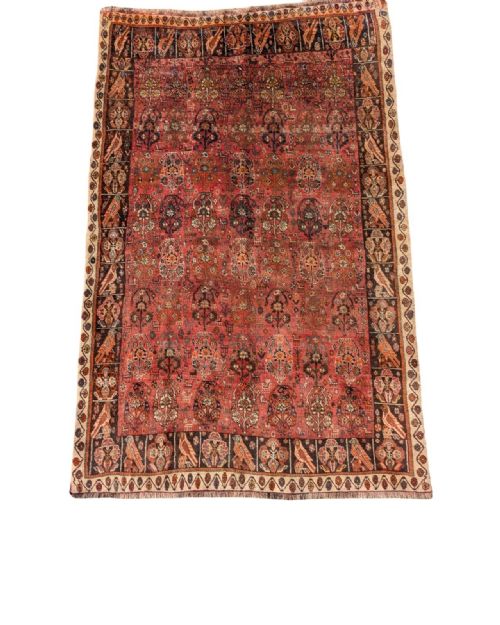
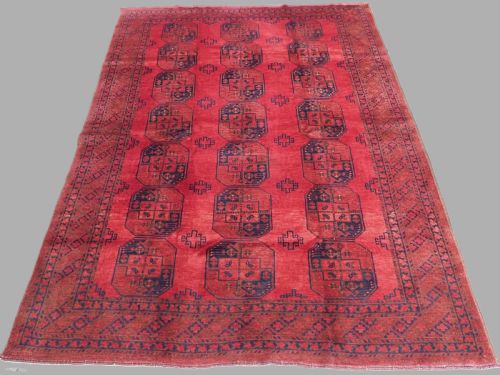
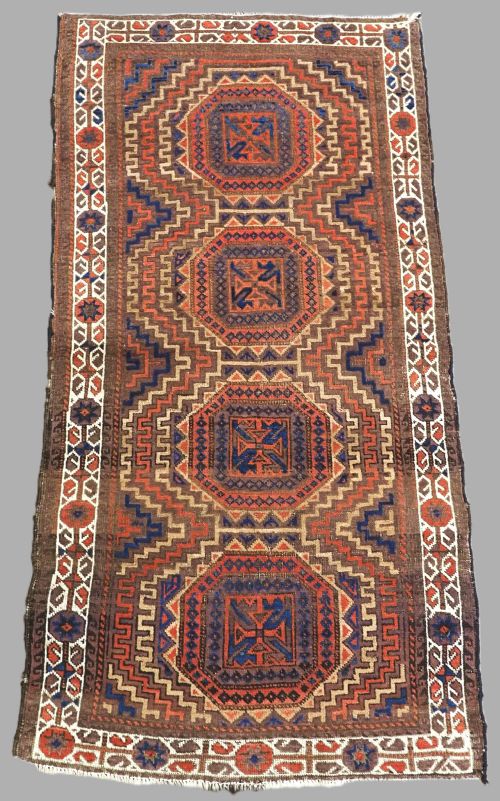
Persian Tribal Floor Rug
A persian tribal floor rug brings dense wool, natural dyes and nomadic geometry straight onto flagstone or timber.
Persian Tribal Floor Rug
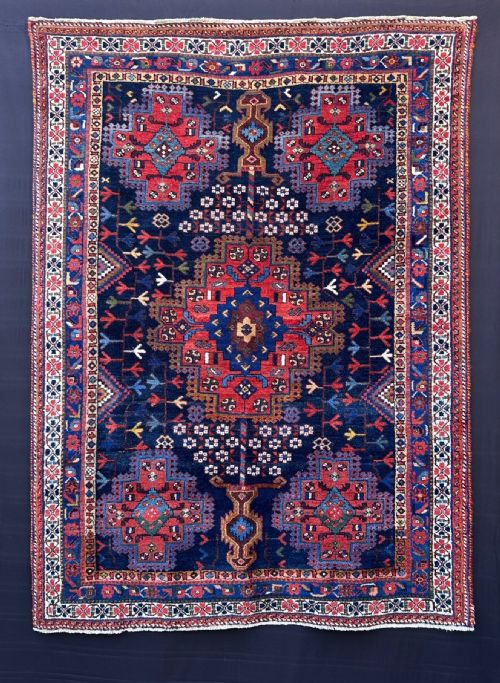
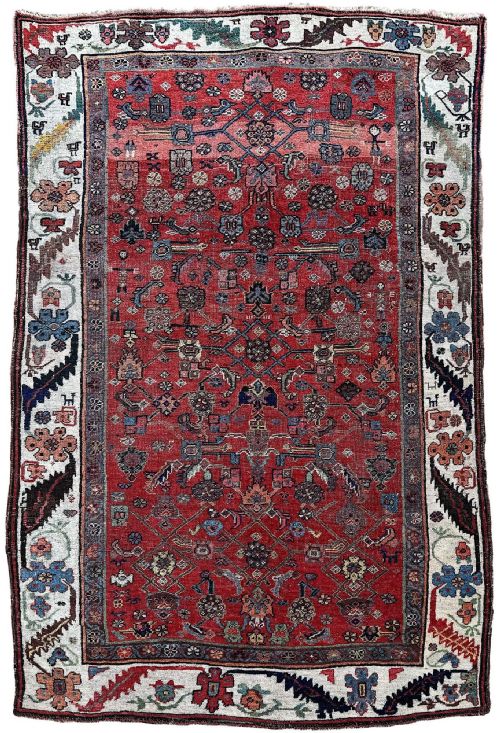
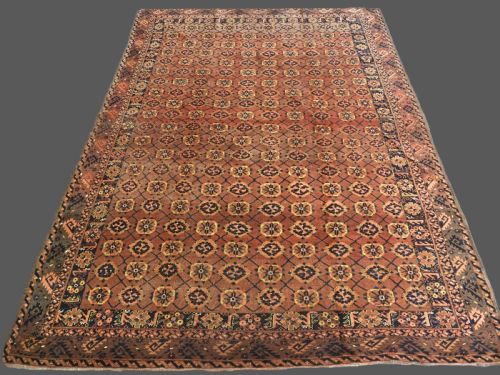
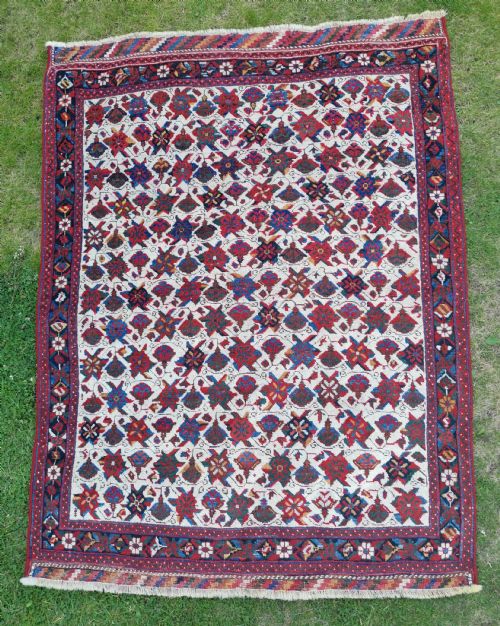
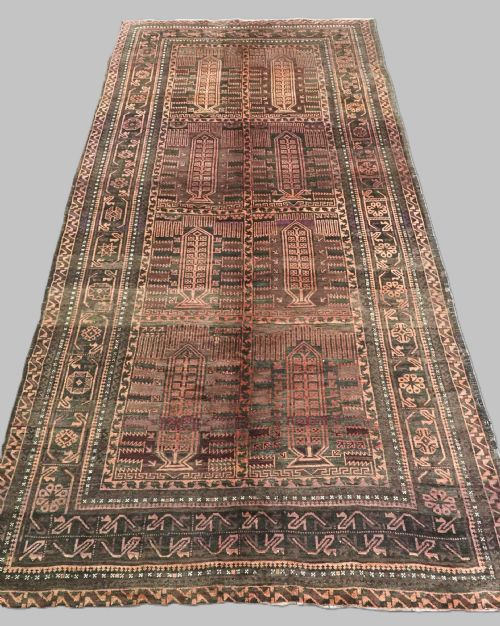
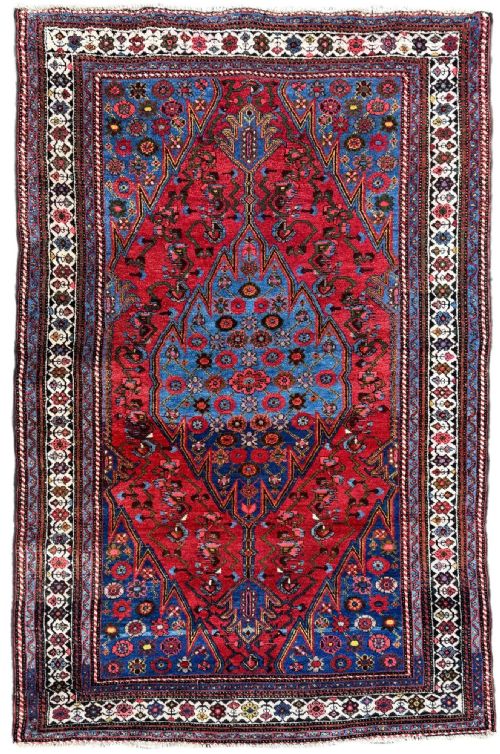
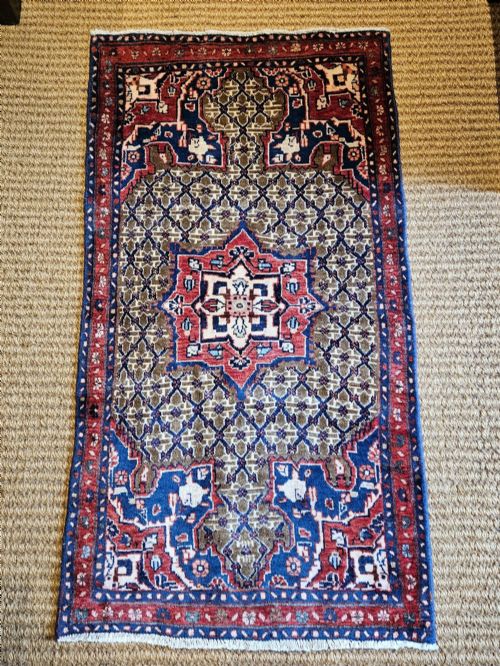
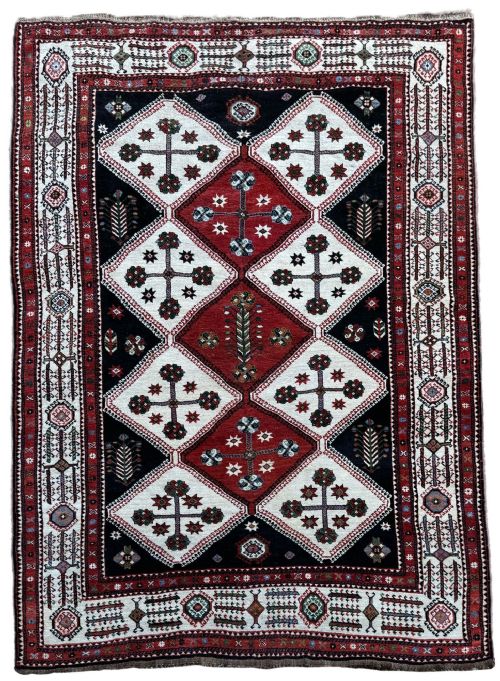
A persian tribal floor rug covers the ground with patterns worked by village weavers and confederacy groups across Persia. These pieces arrive in formats ranging from small hearth rugs to long hallway runners and large carpets.
The versions met most often on this page span the late nineteenth century through to the nineteen-forties. They include regional pieces attributed to groups such as the Afshar, Bakhtiar, Qashqai, Baluch and Khamseh.
Makers utilised traditional formats including rugs and carpets, designed for practical use inside village homes and tents. Each piece holds geometric motifs, medallions and repeating patterns passed down through generations.
Materials and Construction
Construction relies upon hand-knotted wool pile secured onto cotton foundations, yielding a heavy and resilient structure. Weavers employed natural dyes to saturate the wool in deep tones of red, navy blue and earthy shades.
The weaving process involves dense knotting by hand, producing durable floor coverings designed to withstand heavy daily traffic. Natural dye variations create subtle tonal shifts across the surface of each carpet as the wool ages.
Persian Tribal Floor Rug Retail Price Guide 2026
Typical asking prices for persian tribal floor rug among the pieces listed under this phrase on Sellingantiques today, from the lower quarter to the upper quarter. They describe what is for sale here now, not the wider market.
Listings span multiple decades from eighteen-fifty through to nineteen-forty, utilising wool and cotton dyed with natural colours.
Assessing Quality and Execution
Quality rests upon the tightness of the weave and the clarity of the geometric motifs executed across the field. Finer knots permit intricate detailing within medallions and borders, whereas simpler village work displays bolder, larger-scale elements.
The richness and depth of the natural dyes distinguish superior examples, as does the condition of the wool pile and the integrity of the original selvedges and ends. Pieces retaining their full dimensions and vibrant palette command greater attention from collectors.
The Persian Tribal Floor Rug Glossary
- Gul
- A repeating octagonal or medallion motif commonly found in tribal weaving, particularly among Turkmen and Baluch groups. This design forms the primary geometric anchor of the field.
- Kelleh
- A long, narrow format carpet traditionally used in Persian domestic interiors. These pieces sit between standard rugs and full room-size carpets.
- Knot
- The individual loop of wool tied around the warp threads by hand. Higher knot counts generally allow for greater precision in curved lines and intricate patterns.
- Selvedge
- The bound edge running along the outer side of a rug or carpet. Secure finishing prevents the pile from fraying under foot traffic.
- Warp
- The vertical threads stretched tightly on the loom before weaving begins. These foundation threads carry the entire weight of the knotted pile.
Persian Tribal Floor Rug: Frequently Asked Questions
How do I clean an old tribal rug?
Maintenance requires gentle surface vacuuming without the rotating brush bar engaged, avoiding the delicate wool pile and foundation threads.
Professional specialist washing remains essential for deep cleaning, as domestic cleaning agents damage natural dyes and wool fibres.
Can these carpets handle hallway traffic?
Many examples on this page exist as runner rugs and hallway runners explicitly produced for narrow spaces.
Dense wool pile and sturdy cotton foundations allow these floor coverings to endure heavy foot traffic when paired with an appropriate underlay.
How do I identify a Qashqai rug?
Qashqai pieces display distinctive geometric medallions, animal motifs and intricate boteh patterns worked in saturated wool.
These tribal rugs often incorporate rich red and blue tones derived from natural dyes used by weavers in south-west Persia.
What does a Kelleh rug look like?
A kelleh represents a specific extended rectangular format used traditionally as a room-size floor covering.
These pieces feature large-scale central medallions surrounded by detailed tribal borders across a wool pile foundation.