



Persian Tribal Cushion
A persian tribal cushion brings the tactile history of nomadic weavers directly into a modern room through repurposed saddlebags and grain sacks.
Persian Tribal Cushion
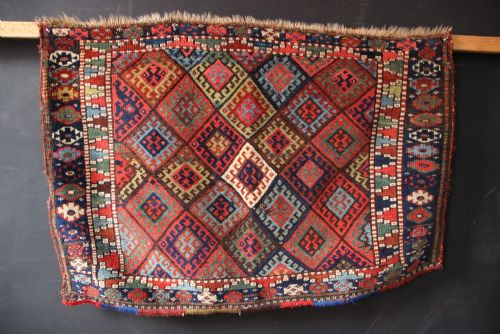
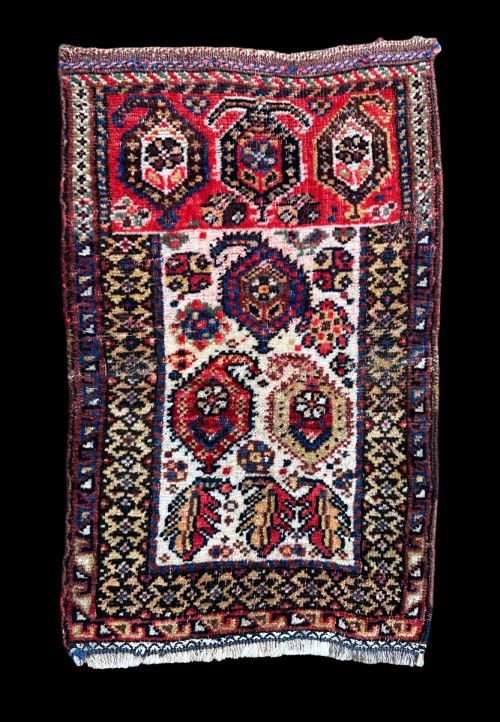
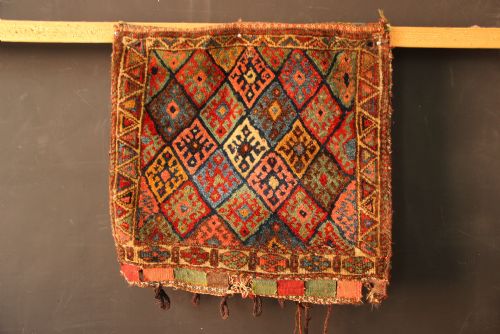
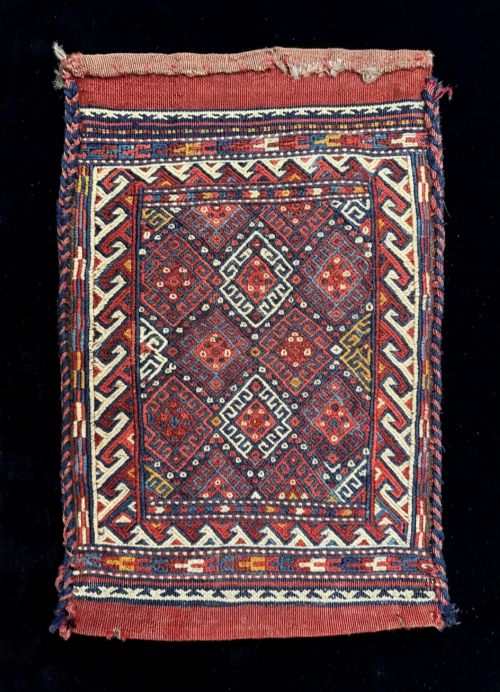
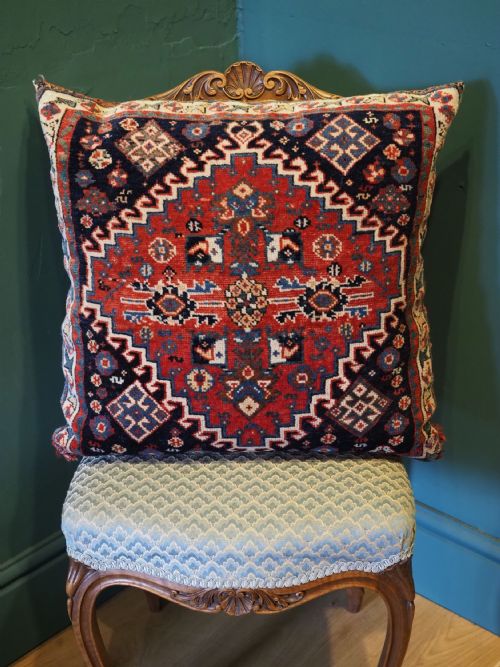
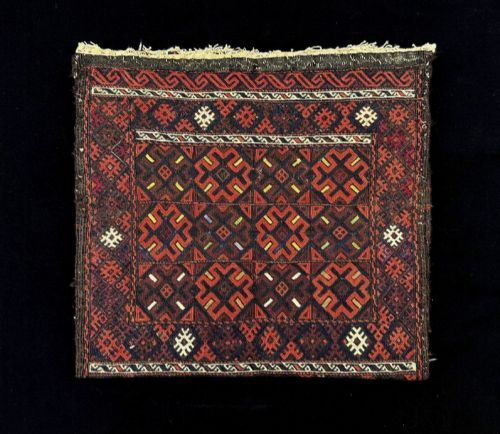
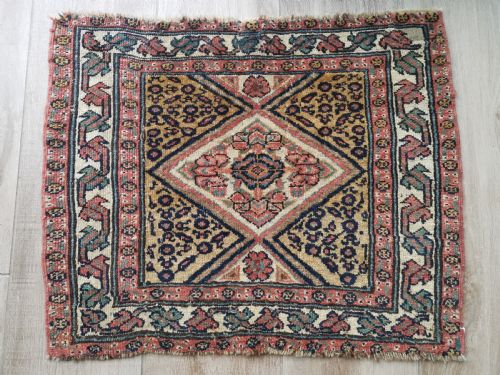
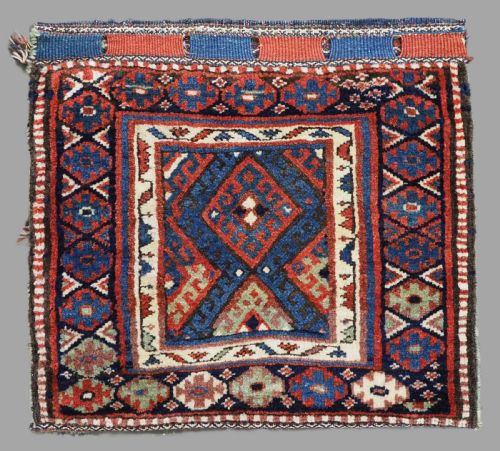
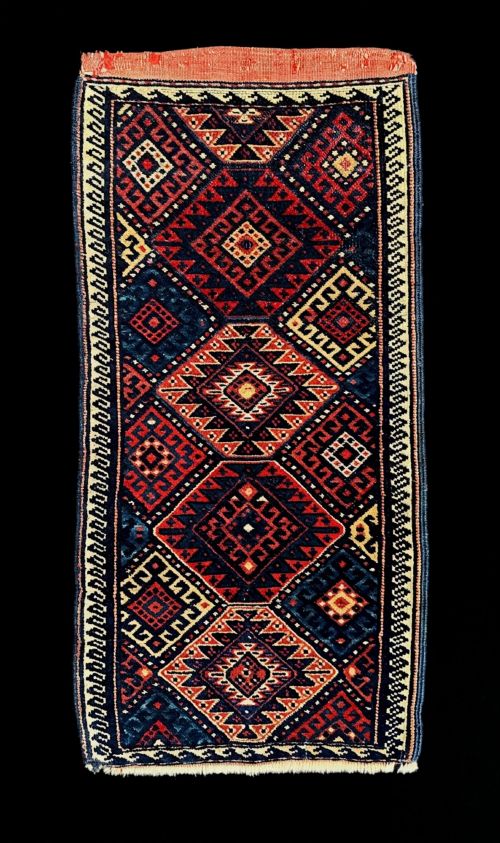
When you search for a persian tribal cushion, you encounter utilitarian nomadic items that have been repurposed into decorative cushions and pillows. These textiles originate from the nineteenth and early twentieth centuries, spanning periods from eighteen fifty to nineteen twenty. The forms derive from saddlebags, bagfaces, vanity bags, and wheat sacks woven by tribal groups across Persia. You are most likely to meet pieces originating from Qashqai, Baluch, Kurdish, Afshar, and Bakhtiari weavers.
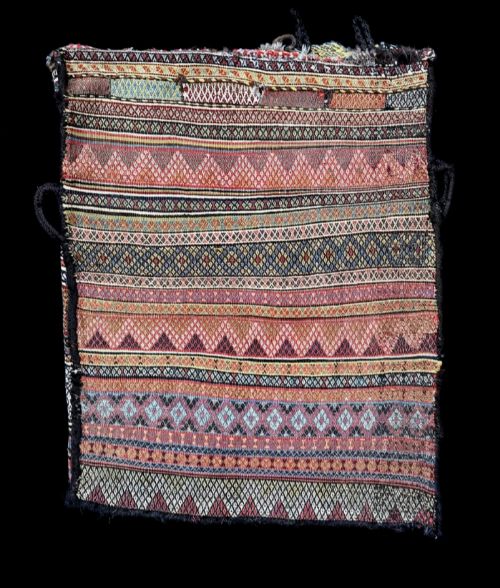
The objects reflect the daily lives and artistic traditions of pastoral nomads. Pieces include complete saddlebags with plain weave backs alongside individual bagfaces and half saddlebags. Makers constructed these textiles for practical storage during migration before they were later adapted into cushions. The regional diversity ranges from the Fars province in the south-west to Khorassan in the north-east.
Materials and Construction
Weavers relied primarily on hand-spun wool and goat hair, combining these animal fibres with cotton foundations. The wool provides a lustrous and durable surface capable of enduring generations of use. Goat hair often reinforces the edges and structural parts of bags due to its strength.
Makers utilised natural and vegetable dyes to colour the yarns before weaving. This dyeing process produced the rich palettes seen in the banded weft work and specific motifs. Artisans employed flatweave techniques alongside pile knotting to create both patterned faces and plain weave backs.
Persian Tribal Cushion Retail Price Guide 2026
Typical asking prices for persian tribal cushion among the pieces listed under this phrase on Sellingantiques today, from the lower quarter to the upper quarter. They describe what is for sale here now, not the wider market.
Materials recorded on this page include hand-spun wool, natural dyes, vegetable dyes, cotton, and goat hair.
Evaluating Quality and Craftsmanship
Quality rests in the handling of materials and the integrity of the weave. Lustrous, luminous wool demonstrates superior fibre selection and careful washing by the original maker. The crispness of geometric motifs, such as boteh designs and Herati patterns, indicates the weaver's control over the knotting or flatweaving structure.
The preservation of original elements, including plain weave backs and complete saddlebag configurations, distinguishes superior examples. The depth of colour achieved through natural and vegetable dyes also elevates a piece, showing skilled dye preparation and mordant use.
The Persian Tribal Cushion Glossary
- Bagface
- The decorated front panel of a nomadic storage bag. This section displays the primary pattern and pile work before the utilitarian back is attached.
- Balisht
- A traditional pillow or small sleeping cushion used in tribal households. These items frequently share the same textile techniques as larger storage bags.
- Boteh
- A stylised almond or pear-shaped motif of Persian origin. The shape represents a floral spray or cypress tree and appears frequently in tribal weaving.
- Soumac
- A wrapping technique used in flatweave textiles that produces a durable structure resembling embroidery on the reverse side. This method creates crisp diagonal lines without the use of pile knots.
- Tacheh
- A large woven wheat sack or storage container made by tribal groups. These items utilise sturdy construction to hold grain during nomadic travel.
Persian Tribal Cushion: Frequently Asked Questions
What is a persian tribal cushion made from?
These pieces are constructed from hand-spun wool, cotton, and goat hair. Weavers dyed these animal and plant fibres using natural and vegetable dye sources.
The combination of wool pile and sturdy flatweave backs creates a textured surface designed for durability. Goat hair is often utilised along edges for added strength.
How were these textiles originally used?
Nomadic tribes utilised them as practical storage containers during seasonal migrations. They functioned as saddlebags, grain sacks, and vanity bags attached to pack animals.
Over time, these utilitarian bags were adapted into cushions and pillows for domestic use. The original bagfaces and complete saddlebags were stuffed to serve as soft furnishings.
How do I tell different tribal styles apart?
Different tribal confederations employed distinct structural techniques and regional colour palettes. Qashqai and Afshar pieces often feature specific geometric formats and boteh motifs originating from southern Persia.
Northern groups such as the Baluch and Kurdish tribes utilise different knotting styles and banded weft work. Examining the structural materials and regional motifs helps identify the producing group.
How do I care for an antique cushion?
Protect the natural wool fibres by keeping the textile away from direct sunlight to prevent fading. Gentle vacuuming with a low suction setting helps remove dust without damaging the weave.
Avoid using harsh chemical cleaners on natural and vegetable dyes. Professional textile conservation cleaning is recommended for deeper maintenance.