



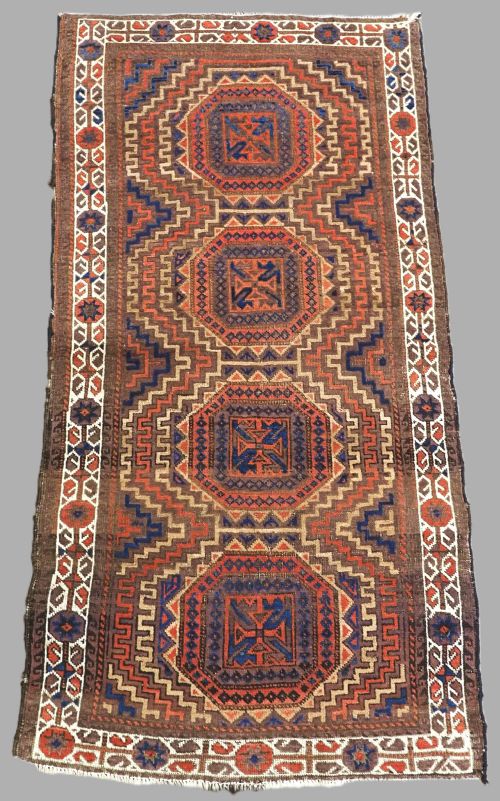
Persian Runner Carpet
These persian runner carpet examples bring enduring warmth and linear elegance to corridors and halls.
Persian Runner Carpet
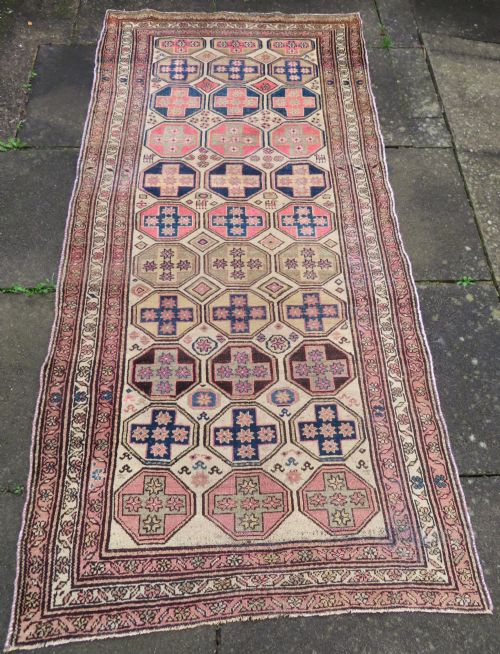
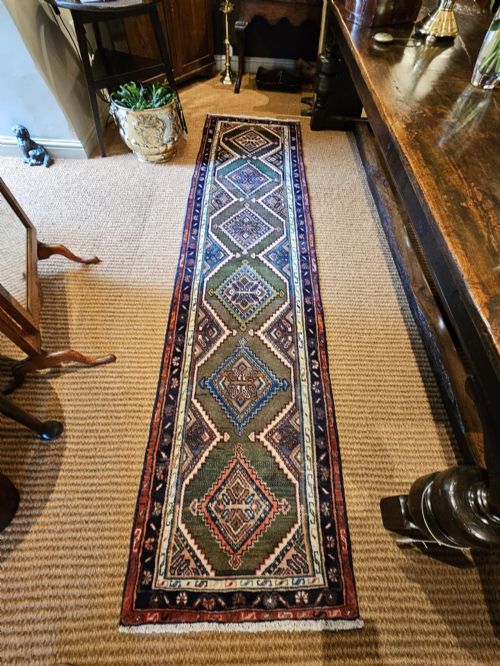
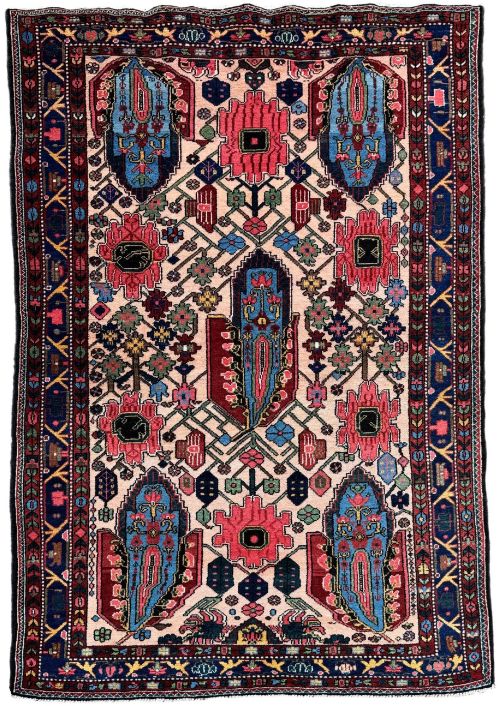
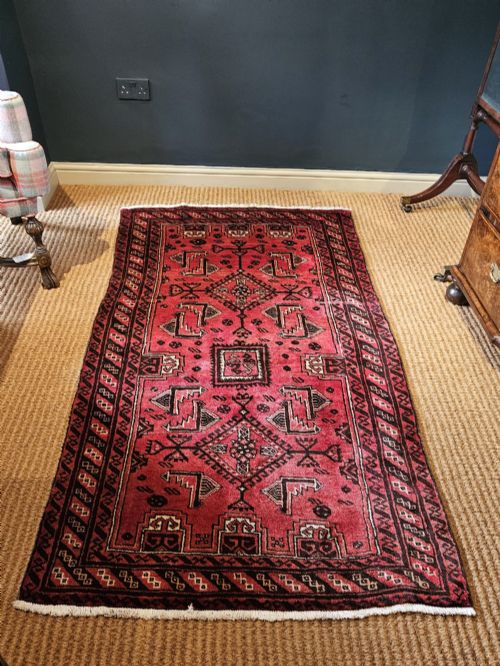
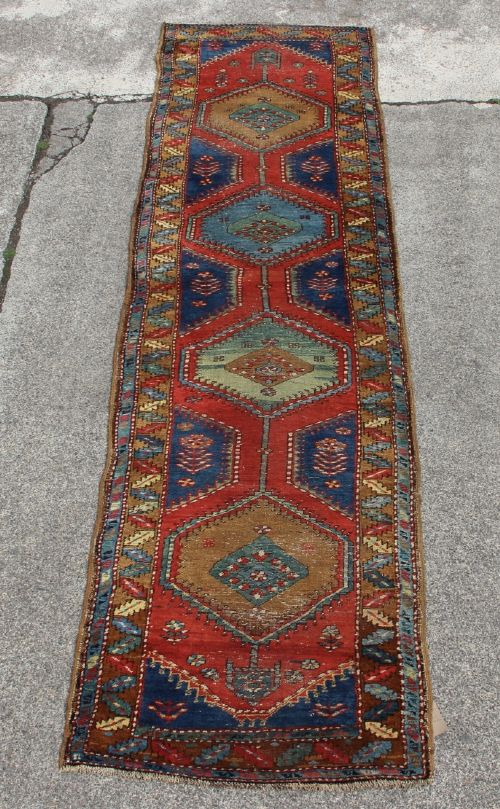
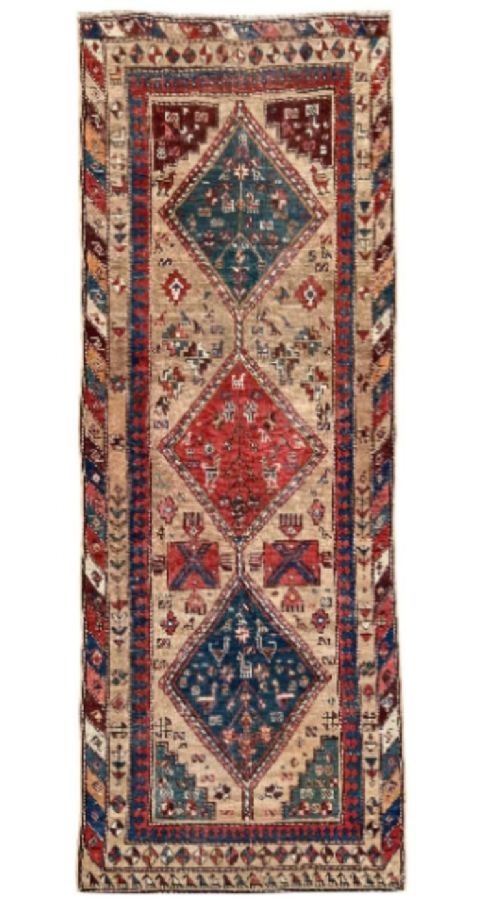
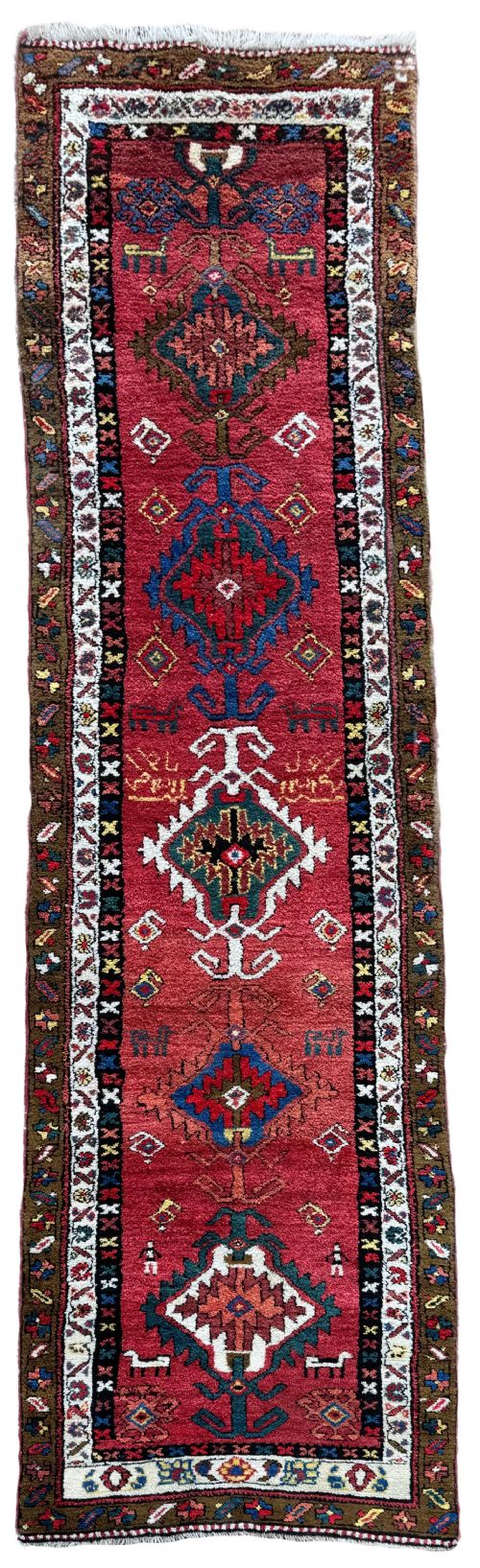
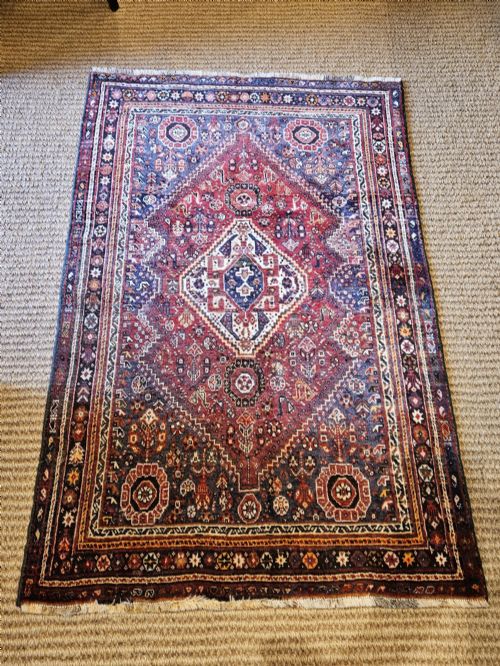
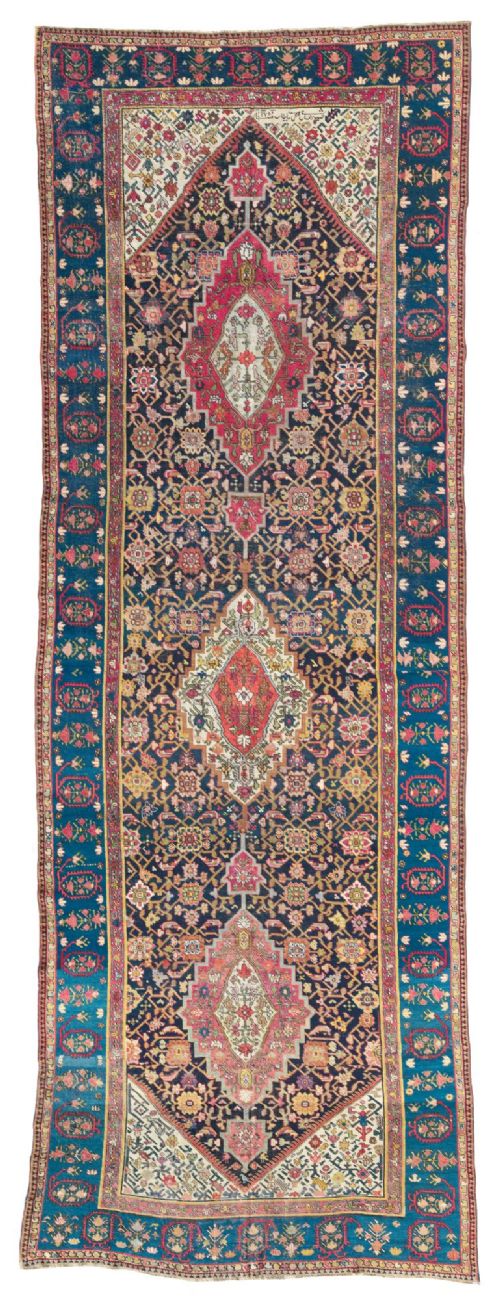
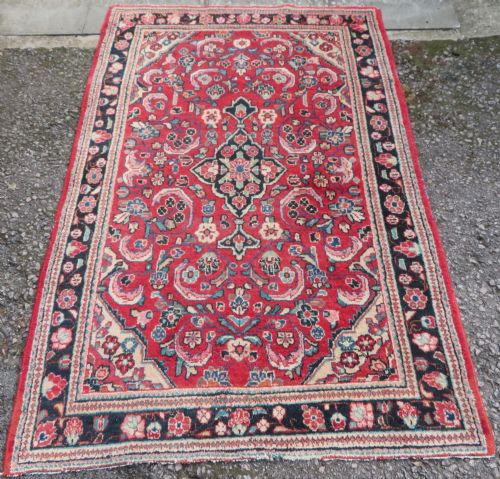
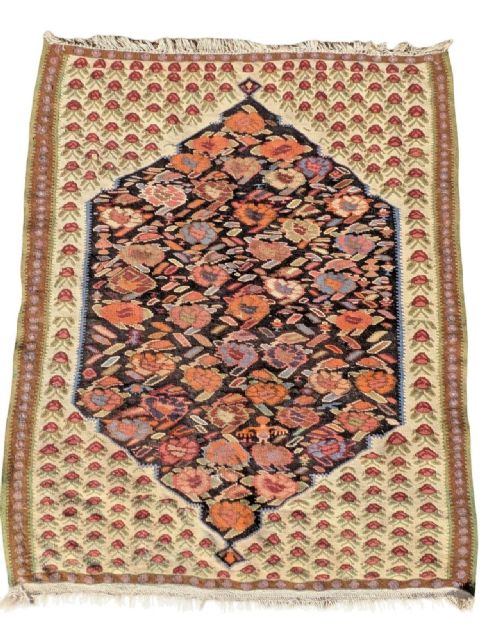
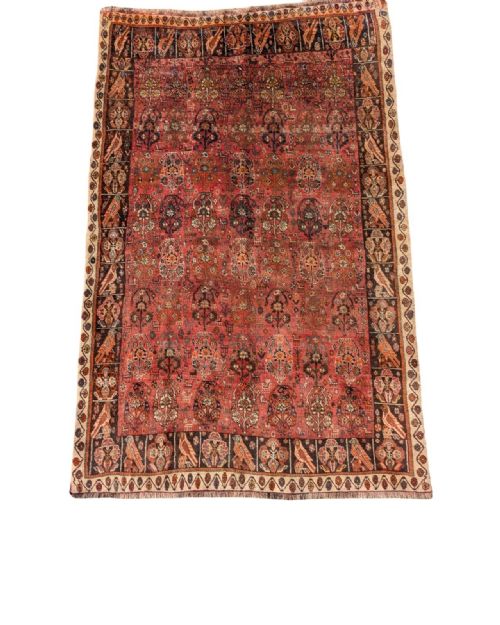
When you search for a persian runner carpet, you enter a world of narrow, elongated floor coverings designed specifically for hallways and corridors. The pieces appearing here span from the late nineteenth century into the early decades of the twentieth century, originating from weaving traditions across Iran and wider Persia. Buyers frequently encounter regional formats such as Bidjar, Hamadan, Karadja, and Heriz, each bringing distinct tribal or village aesthetics to narrow spaces.
These items function primarily as hallway runners and long area rugs, balancing utility with intricate regional artistry. The selection encompasses substantial nineteenth-century examples alongside compact village weaves, offering varied dimensions tailored to linear architectural spaces. Their elongated proportions make them natural choices for bridging rooms and adding texture to high-traffic domestic routes.
How they were made
Traditional makers built these textiles using sturdy wool for the pile and foundation yarns, often combined with cotton for structural stability. The resulting fabric provides the dense, hardwearing surface necessary to withstand centuries of footfall in busy hallways.
Weavers knotted the wool by hand onto warp and weft threads, creating tight structures that hold intricate geometric and floral motifs. The integration of wool and cotton reflects established village and tribal methods passed down through generations of artisans.
Persian Runner Carpet Retail Price Guide 2026
Typical asking prices for persian runner carpet among the pieces listed under this phrase on Sellingantiques today, from the lower quarter to the upper quarter. They describe what is for sale here now, not the wider market.
Some nineteenth-century runners arrive with charmingly uneven widths, recording the exact reach of the weaver's loom.
What varies in quality
The distinction between standard village pieces and finer collector examples rests on knot density, wool quality, and the crispness of the design. Tighter foundations and superior wool grades allow complex geometric patterns to remain sharp and defined over decades of use.
Proportion and dye consistency also separate the exceptional from the ordinary. Balanced borders, harmonious colour placement, and well-preserved pile heights elevate certain runners, reflecting the skill of the original workshop or nomadic weaver.
Bidjar workshop weavers·Hamadan village artisans·Heriz carpet makers·Karadja rug weavers·Meshwari textile makers
The Persian Runner Carpet Glossary
- Kelleh
- A large carpet format, often intermediate in proportion between standard rugs and long runners. It provides substantial floor coverage in larger reception rooms.
- Bidjar
- A renowned weaving centre in Persian Kurdistan known for producing exceptionally heavy, dense carpets and runners. The sturdy construction of these pieces earns them a reputation for remarkable durability.
- Hamadan
- A vast market town and surrounding region producing diverse village and tribal runners. These pieces typically feature robust geometric or medallion designs woven with durable wool.
- Heriz
- A region in northwest Persia celebrated for bold, rectilinear medallion designs. Runners from this area exhibit strong architectural motifs and saturated natural dyes.
- Kilim
- A flatweave textile produced without a pile. These pieces offer a lighter alternative to knotted carpets while maintaining traditional regional patterns.
Persian Runner Carpet: Frequently Asked Questions
Where should I place a runner?
These elongated textiles suit narrow hallways, corridors, and passageways where linear floor coverings soften hard timber or stone floors. Their proportions also work effectively alongside long gallery walls or beside large beds.
Placing them in transitional spaces protects high-traffic zones while introducing traditional pattern and texture to otherwise neglected areas of the home.
How do I care for antique wool?
Regular gentle vacuuming without a rotating brush roll prevents dust accumulation in the wool pile. Professional cleaning suited to antique textiles preserves the natural lanolin in the fibres.
Keeping the textile out of direct, harsh sunlight prevents the natural dyes from fading prematurely, ensuring the colours remain rich and deep.
How can I tell regional styles apart?
Regional types often reveal themselves through distinct motifs, such as the bold rectilinear medallions of Heriz or the dense, heavy knotting characteristic of Bidjar. Hamadan pieces frequently display repeating village patterns and robust tribal character.
Observing the border arrangement and the primary palette helps assign a piece to its specific nineteenth-century origin or village tradition.