




Persian Paisley Carpet
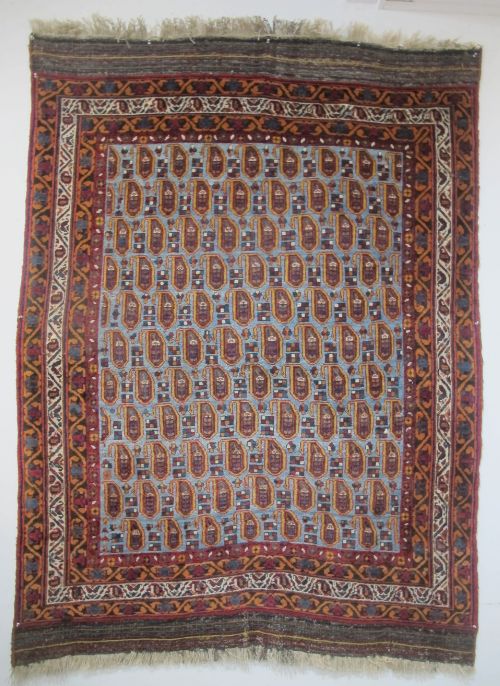
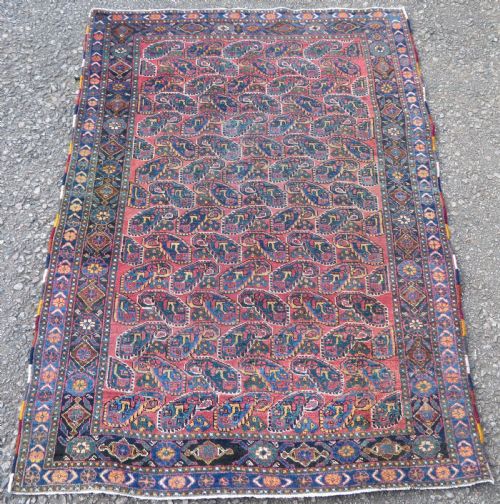
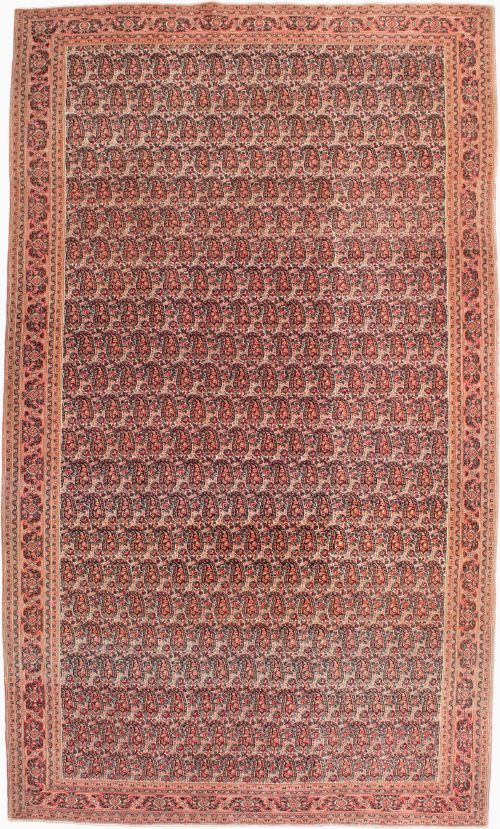
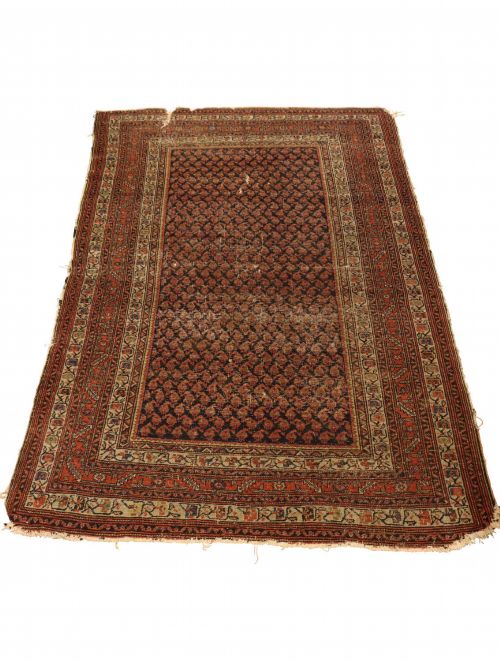
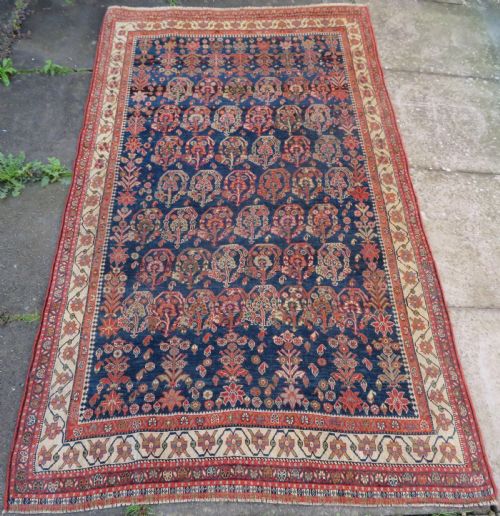
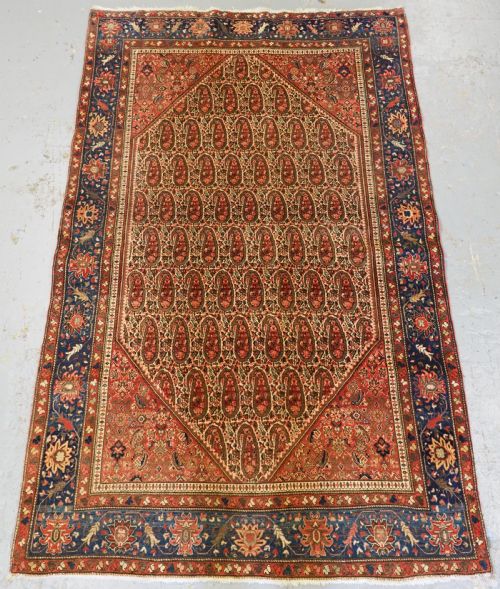
A persian paisley carpet brings centuries of textile artistry into a room, combining rich wool knotting with intricate boteh motifs.
Persian Paisley Carpet
A persian paisley carpet showcases the enduring appeal of traditional woven floor coverings featuring the distinctive curved pinecone or almond motif known as the boteh. These textiles span from the late nineteenth century through to the early decades of the twentieth century, originating from notable weaving centres and tribal regions across Persia and the Caucasus.
Buyers encounter various formats on this page, ranging from expansive gallery carpets and room-sized rugs down to narrow runner rugs designed for hallways. The selections include specific regional pieces such as Afshar, Serapi, Khorassan, Tabriz, and Qum weaves, each displaying distinctive interpretations of the classic repeat pattern.
Village and tribal workshops produce many of the available examples, incorporating lively geometric layouts alongside all-over boteh arrangements. These floor coverings bridge decorative utility and historic craftsmanship, offering tangible connections to the traditional looms of South-East and South-West Persia.
Materials and Construction
Traditional weavers construct these floor coverings primarily using hand-knotted wool foundations, occasionally incorporating cotton for structural warp and weft threads to ensure stability. Selected finer examples integrate silk elements, adding subtle lustre and allowing for greater intricacy in the repetitive floral and boteh layouts.
The manual knotting technique requires meticulous placement of dyed yarns by individual artisans, often reflecting regional tribal methods passed down through generations. Natural dye stuffs applied to the wool create the soft, nuanced colour palettes characteristic of genuine period pieces from centres such as Kirman, Sarouk, and Malayer.
Listings feature wool, cotton, and silk materials across pieces dated from the nineteenth century up to the 1930s.
Assessing Quality and Execution
Knot density and structural tightness dictate the crispness of the intricate boteh patterns, with finer installations displaying sharper botanical outlines on the surface. The quality of the wool fleece dictates tactile softness and resilience under foot, influencing how the textile ages across decades of domestic use.
Design coherence and the subtlety of the dye work differentiate standard village productions from master workshop carpets. The depth of colour variation within individual motifs reveals the skill applied during the initial preparation and dyeing of the yarn.
The Persian Paisley Carpet Glossary
- Boteh
- A traditional Persian motif resembling a curved almond, pear, or pinecone, which forms the core design element of these carpets.
- Warp
- The stationary vertical threads stretched across the loom that form the structural foundation of a hand-knotted rug.
- Weft
- The horizontal threads passed through the warp yarns after each row of knots to secure the pile in place.
- Kelleh
- A large format rectangular runner rug traditionally utilised in long hallways or grand reception spaces.
- Serapi
- A distinctive style of geometric Persian carpet originating from the Heris region, known for bold medallions and balanced proportions.
Persian Paisley Carpet: Frequently Asked Questions
How do I clean an antique rug?
Gentle surface brushing and professional specialist cleaning preserve the natural wool fibres and dyes without causing structural damage.
Avoid immersion washing or harsh chemical treatments that strip the lanolin from historical textiles.
Where were these carpets made?
Weavers produced these textiles across various Persian regions, including Tabriz, Khorassan, Kirman, and distinct tribal areas like Afshar and Qashqai.
Each location developed specific weaving structures and colour palettes unique to its local heritage.
Are these rugs suitable for hallways?
Narrow runner formats and long gallery carpets fit naturally into corridors and transitional living spaces.
Using an appropriate underlay prevents slipping and cushions the wool pile against heavy foot traffic.
What is a boteh design?
The boteh represents a stylized floral spray or curved leaf motif that traces its origins back through ancient Persian textile history.
It appears frequently as an all-over repeat pattern or arranged around central medallions in regional carpets.
How do I date an old rug?
Examining the specific wool quality, dye composition, and regional weaving characteristics helps narrow down the period of production.
Stylistic shifts between nineteenth-century tribal pieces and early twentieth-century workshop examples provide reliable chronological markers.