


Persian Karaja Area Rug
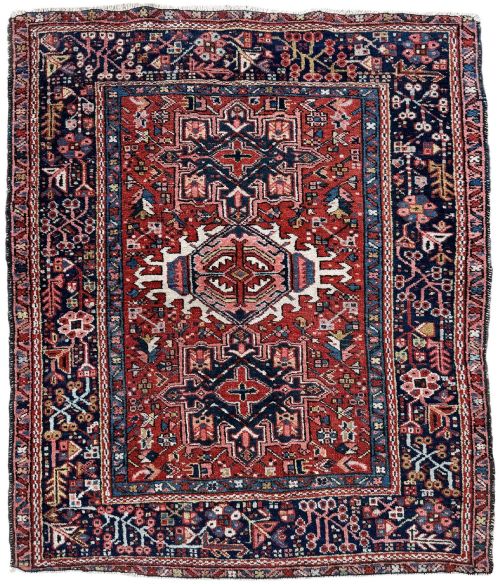
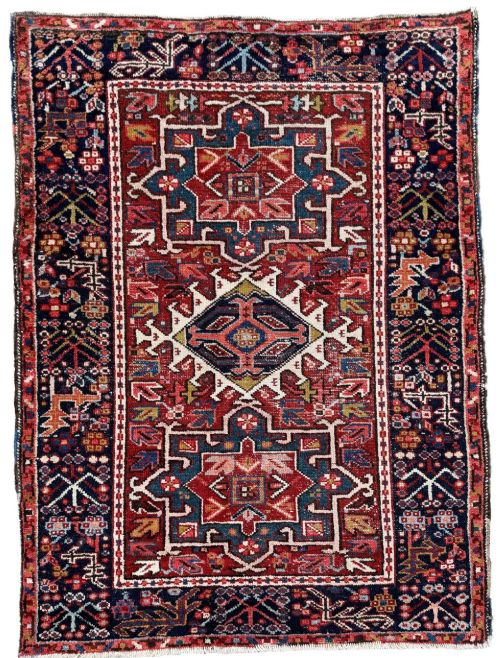
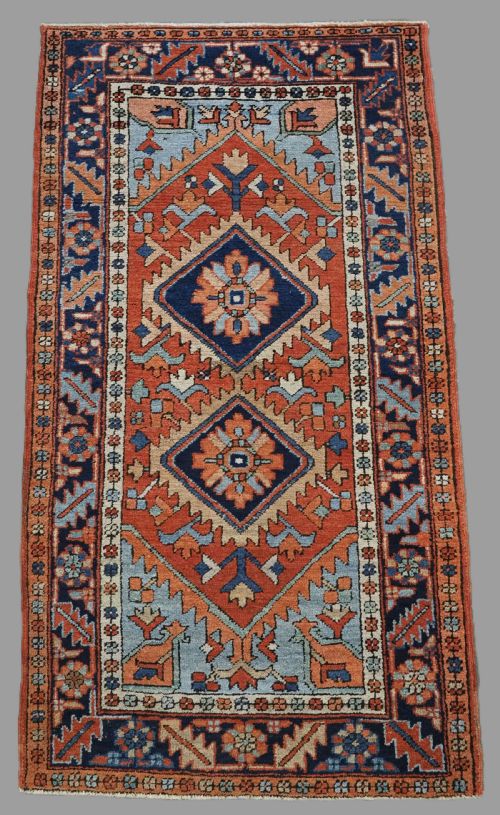
A persian karaja area rug brings robust Northwest Persian village weaving into your room, prized for geometric medallions and saturated earthy tones.
Persian Karaja Area Rug
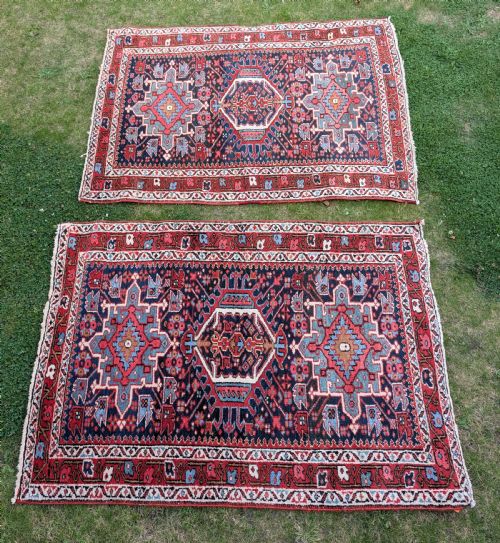
The most common format on this page is the smaller scatter or area rug, alongside occasional pairs and larger formats. They sit comfortably in both traditional and contemporary interiors, offering durable floor cover with deep historical roots.
How They Were Made
These floor coverings are produced using hand-knotted wool pile secured on sturdy cotton foundation threads. This traditional technique creates a dense, resilient surface capable of withstanding heavy daily use over generations.
Weavers utilised natural dyeing methods to achieve intense colours that settle into rich patinas over time. The geometric patterns and characteristic motifs are executed freehand or from memory within village workshops.
Listings span production dates from the 1880s through the 1930s, utilising hand-knotted wool and cotton materials exclusively from Northwest Persia.
What Varies in Quality
Quality in these village carpets rests on the fineness of the knotting and the crispness of the geometric drawing. Tightly packed knots allow intricate medallion details to remain sharp and well-defined.
The depth and vibrancy of the wool pile also distinguish finer examples. Superior pieces display a harmonious balance of saturated pigments that age gracefully with wear.
The Persian Karaja Area Rug Glossary
- Karaja
- A style of village rug originating from the Northwest region of Persia, known for bold geometric patterns and medallion layouts. These designs reflect the distinct artistic traditions of local weavers.
- Hand-Knotted
- A construction method where individual lengths of wool yarn are tied by hand onto a warp foundation. This labour-intensive process produces a durable pile unique to traditional carpet making.
- Medallion
- A central ornamental design motif placed in the field of the rug. In village weaving, these tend to be bold and geometric rather than strictly floral.
- Pile
- The upright surface of the rug formed by the cut ends of knotted wool yarn. The thickness and density of this layer determine the tactile feel underfoot.
Persian Karaja Area Rug: Frequently Asked Questions
How do I clean my rug?
Regular gentle vacuuming without a beater bar removes loose grit from the wool pile. Professional specialist cleaning is recommended for deep maintenance.
Avoid harsh chemical treatments or excessive water saturation, which can damage the traditional cotton foundation and natural dyes.
Are these rugs durable?
Hand-knotted wool construction makes these pieces remarkably tough for everyday household placement. They handle regular foot traffic well when placed over a suitable underlay.
Rotating the piece periodically ensures even wear across high-traffic areas in rooms like hallways or living spaces.
How do I date a piece?
Dating relies on stylistic clues, wool characteristics, and structural analysis of the foundation materials. Pieces from the late nineteenth century often feature softer colour transitions and heavier wear patterns.
Twentieth-century examples tend to display sharper palette contrasts and tighter mechanical consistency in the weave.
Where should I place it?
An area format works effectively in sitting rooms, studies, or bedrooms to anchor furniture groupings. Smaller scatter sizes fit neatly into entryways or beside beds.
Keep natural wool rugs out of prolonged direct sunlight to preserve the intensity of the vegetable dyes.