


Persian Floral Pattern Carpet
These persian floral pattern carpet examples bring traditional knotwork and botanical motifs into living spaces.
Persian Floral Pattern Carpet
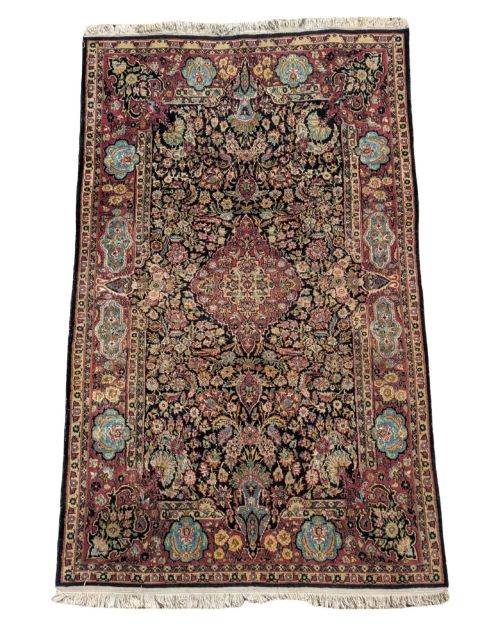
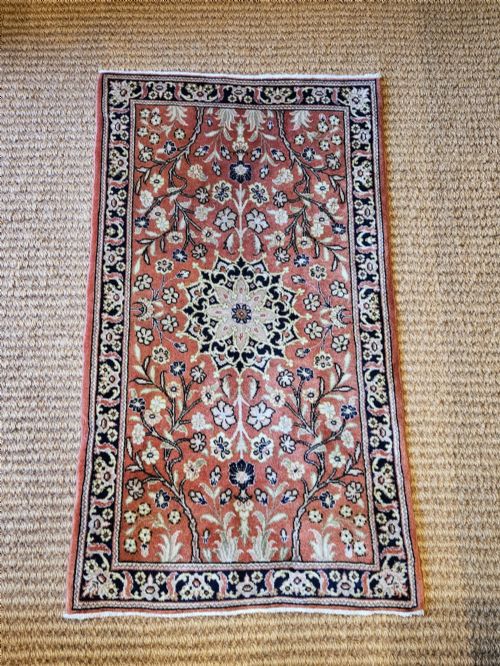
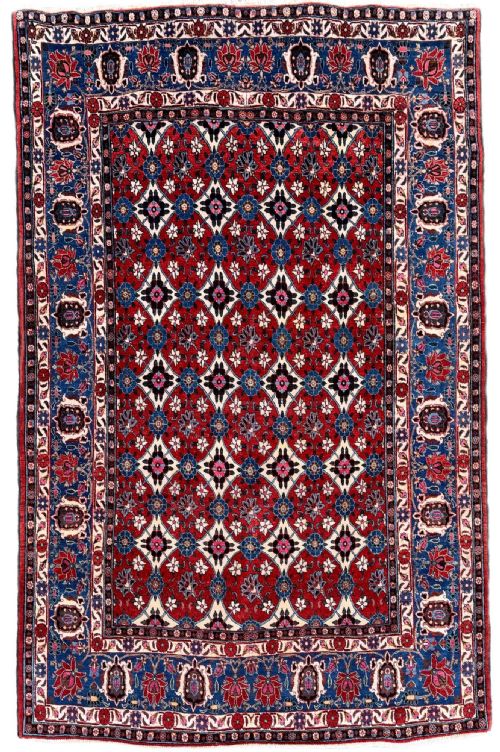
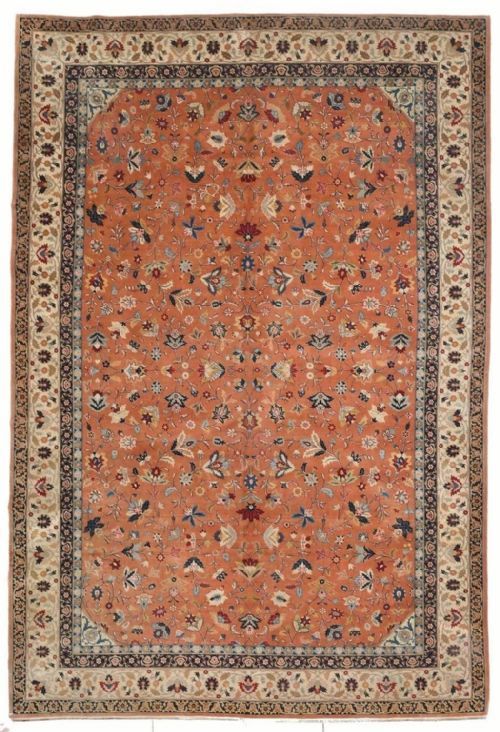
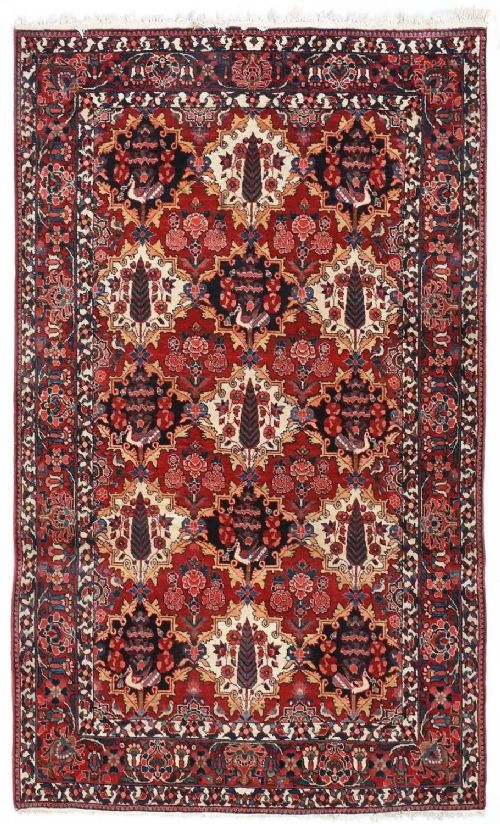
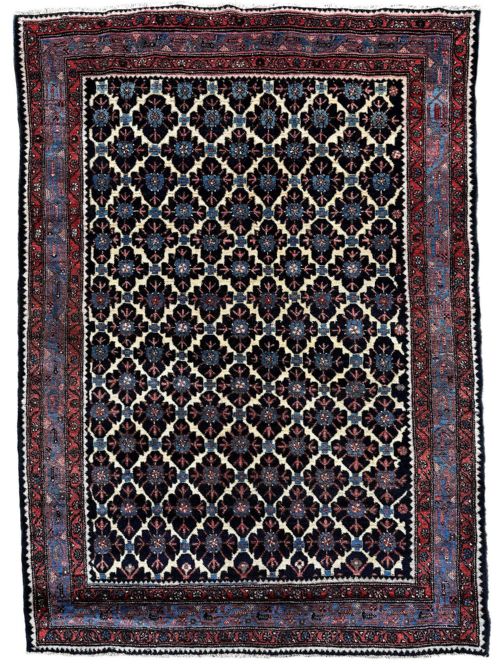
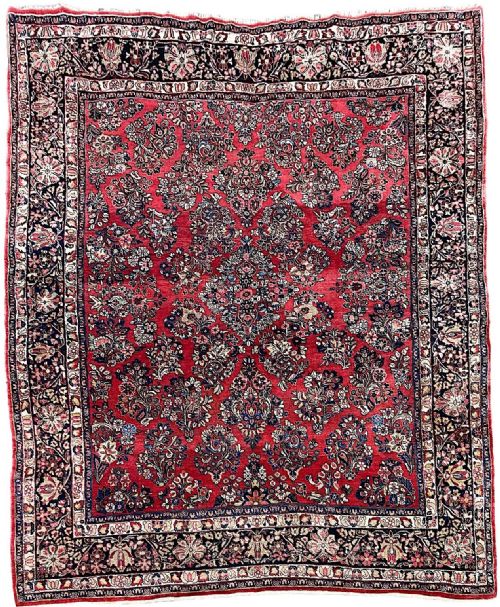
When you search for a persian floral pattern carpet, you examine woven floor coverings that span the nineteenth and twentieth centuries. These pieces originate from historic weaving centres across the region, taking forms from compact hearth rugs to large room-sized carpets and long hallway runners. The selection includes traditional regional types such as Tabriz, Mahal, Sultanabad, and Kashan, each displaying distinct botanical arrangements.
You are most likely to meet wool pile examples woven on cotton foundations, alongside occasional silk highlights or pure silk pieces from centres like Qum and Isfahan. The patterns typically incorporate central medallions, repeating floral motifs, vine scrolls, and garden layouts. Tribal and village pieces appear alongside city workshop productions, offering varied scales of design from grand room formats down to smaller area rugs.
What varies in quality
The quality of these textiles depends largely on the density of the knotting and the fineness of the materials selected. Higher grade pieces employ tightly packed wool or silk knots on sturdy foundations, which allows complex floral curves and detailed borders to maintain sharp definition.
The sophistication of the dye palette and the harmony of the colour combinations also separate standard regional weaves from superior workshop productions. Well-executed pieces display balanced proportions in their medallions and field patterns, demonstrating skilled planning by the master weaver.
The Persian Floral Pattern Carpet Glossary
- Medallion
- A central ornamental motif set in the middle of the carpet field. This design element often dictates the symmetry of the surrounding floral patterns.
- Warp
- The vertical threads stretched lengthwise on the loom before knotting begins. Cotton and wool serve as the standard materials for this foundational structure.
- Weft
- The horizontal threads passed across the warp threads after each row of knots is tied. This process secures the pile and provides structural integrity to the carpet.
- Pile
- The upright cut ends of yarn that form the soft surface of the carpet. Wool, cotton, and silk make up this usable upper layer.
- Runner
- A long, narrow carpet format designed specifically for corridors, hallways, and staircases. These pieces balance repeated floral patterns within restricted widths.
Persian Floral Pattern Carpet: Frequently Asked Questions
How do I clean an antique carpet?
Professional dusting and specialist low-moisture washing preserve the wool or silk fibres. Avoid harsh chemical agents and excessive water immersion.
Regular gentle suction without a rotating brush bar prevents dirt accumulation in the pile. Rotating the floor covering periodically ensures even wear across traffic areas.
Where were these carpets made?
Production centres include historic cities and regions such as Tabriz, Kashan, Sultanabad, Mahal, and Heriz. Each area developed characteristic colour palettes and botanical drawing styles.
Village workshops and tribal groups also produced distinctive rugs with geometric adaptations of floral motifs. The materials and structural traits often point directly to the specific provenance.
Can I place these in a hallway?
Long hallway runners fit narrow architectural spaces while protecting underlying flooring. High-traffic areas benefit from placing a suitable underlay beneath the textile to prevent sliding.
Verifying dimensions ensures clearance beneath doors that swing across corridors. Regular rotation distributes foot traffic evenly along the length of the runner.
What materials make up the pile?
Wool provides durable resilience for the vast majority of traditional regional examples. Cotton frequently appears in the foundation threads to maintain structural stability.
Silk is utilised in select pieces for fine pile work or to create luminous highlights. Examining the reverse side reveals the foundational materials clearly.