




Persian Flatweave Runner
A persian flatweave runner brings linear tribal geometry and rich dyed wool into a hallway or narrow space.
Persian Flatweave Runner
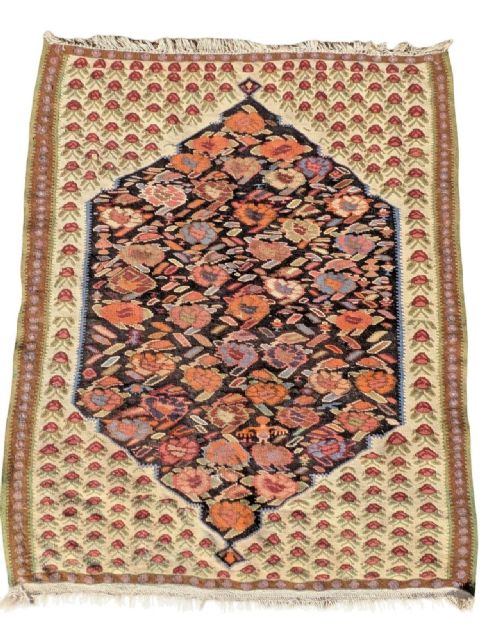
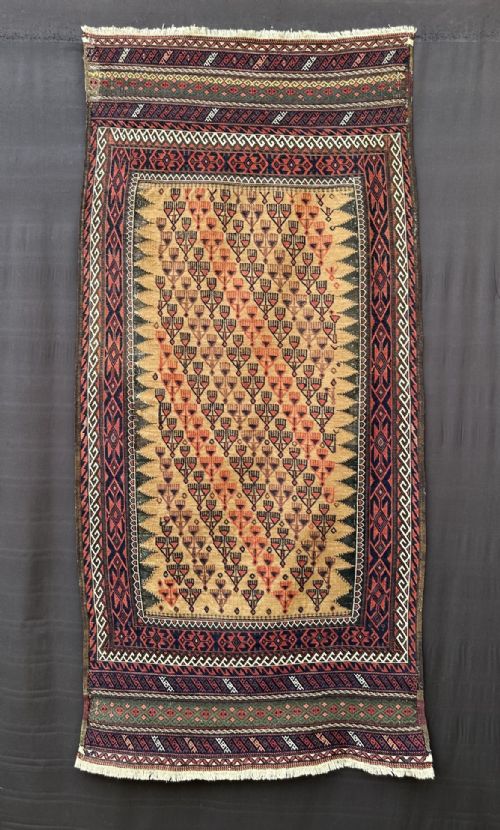
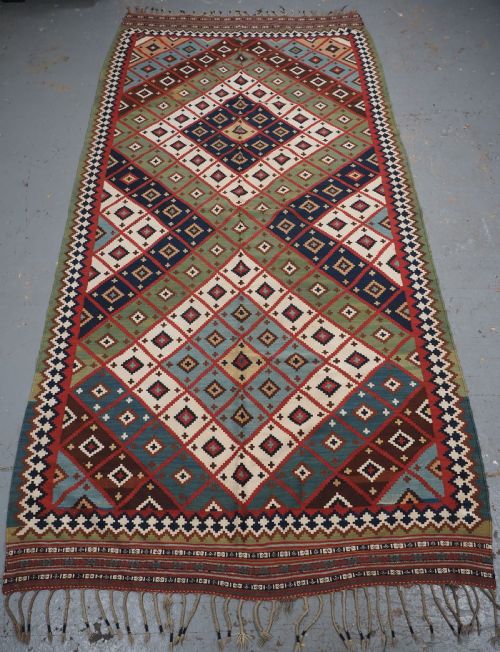
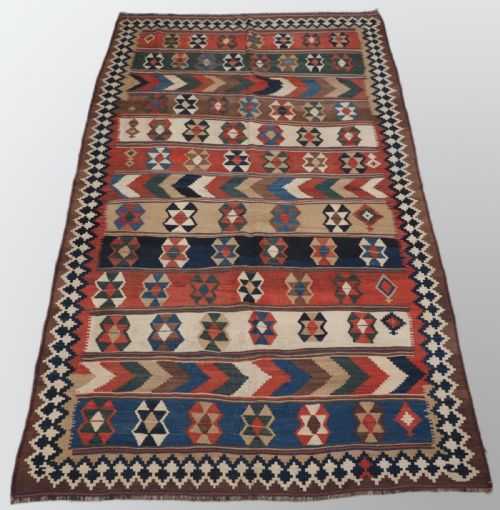
When searching for a persian flatweave runner, a buyer encounters long, narrow textile floor coverings woven by tribal groups across the region. These pieces include specific runner formats alongside kilims, sofreh, and long formats produced by tribes such as the Qashqai, Senneh, Bijar, and Baluch.
The pieces on this page span the late nineteenth century through the early twentieth century, showing periods like eighteen seventy up to nineteen thirty. The designs range from banded patterns and compartment layouts to linked medallions originating from regions including Fars, Azerbaijan, and Western Persia.
What varies in quality
Quality rests in the precision of the tribal geometry and the depth achieved through natural dyes. Pieces with balanced colour palettes and tight, even weft work display the highest standard of regional craftsmanship.
The handled weight of the wool and the clarity of the design structure separate standard examples from superior pieces. Well-preserved condition and crisp execution of traditional motifs indicate a master weaver's hand.
Nomadic weavers packed these flatweaves onto camels, meaning your runner has likely travelled further than you have.
The Persian Flatweave Runner Glossary
- Kilim
- A flat-woven carpet or rug produced without a pile. This technique creates a smooth, reversible textile with sharp geometric patterns.
- Sofreh
- A spread or cloth used for dining or food preparation by tribal groups. These textiles often double as runner formats with distinct central fields.
- Soumak
- A wrapping technique used in flatweaving that creates durable structures with a braided appearance on the face. It adds texture and strength to tribal rugs.
- Warp
- The stationary vertical threads stretched on a loom before weaving begins. The coloured weft threads pass over and under these foundational strands.
- Weft
- The horizontal threads passed through the warp to form the pattern and colour of the textile. Natural dyes on these threads create the rich palette.
Persian Flatweave Runner: Frequently Asked Questions
How do I clean a flatweave runner?
Gentle surface brushing and professional specialist cleaning maintain the natural wool fibres without damaging the dyes. Avoid harsh chemical detergents that strip the colour.
Regular light shaking removes embedded dust from the flat weave structure. Keeping the textile away from constant direct sunlight preserves the natural tones.
Where should I place a runner?
Narrow hallways, staircases, and corridors suit the elongated proportions of these flatweaves. Their low profile allows doors to swing freely overhead.
Using a quality underlay prevents slipping on smooth floors and reduces wear on the wool fibres. This placement adds warmth and tribal geometry to transitional spaces.
Are these runners durable for heavy use?
The dense flat-woven construction of wool and cotton provides high resistance to foot traffic. Tribal weavers built these textiles for demanding everyday household environments.
Without a raised pile to crush, the flat surface endures heavy hallway use remarkably well. Proper underlay support further extends the working life of the textile.
How do I identify tribal origins?
Specific geometric motifs, border styles, and colour combinations point directly to particular groups like the Qashqai or Baluch. Regional palettes often reflect the local plants used for natural dyeing.
Structural details such as end finishes and weave tightness provide additional clues to the specific province or nomadic tribe. Comparing known workshop traits helps isolate the geographic source.