



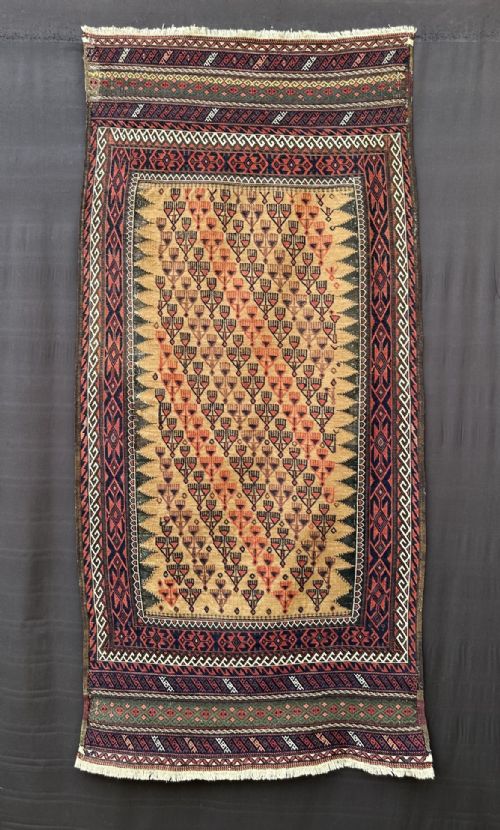
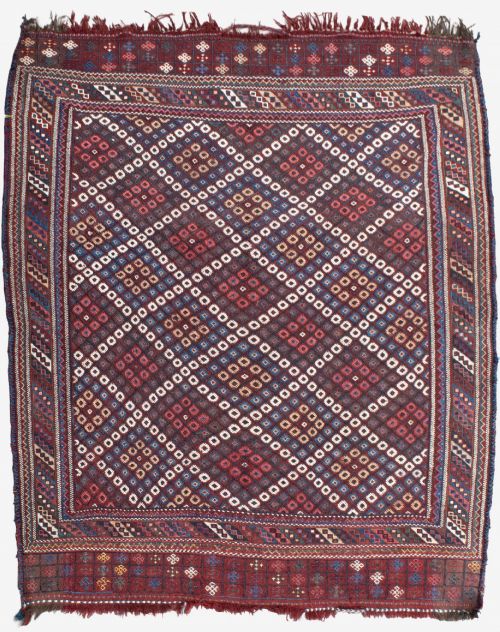


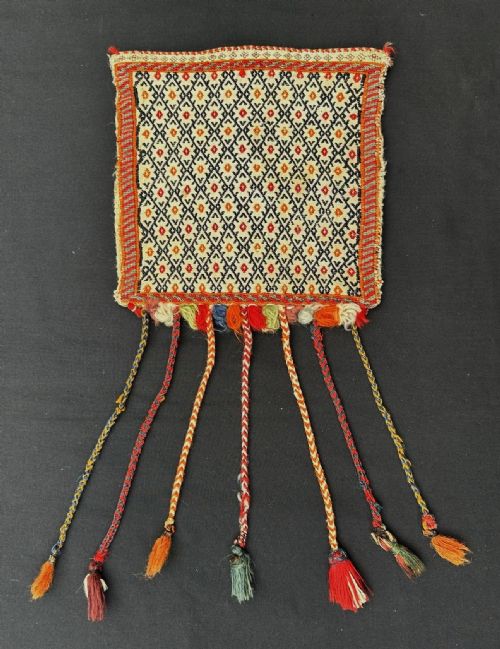


Persian Flatweave Rug
These persian flatweave rug examples bring authentic nomadic textile art into a room, offering striking geometric designs and rich regional history.
Persian Flatweave Rug
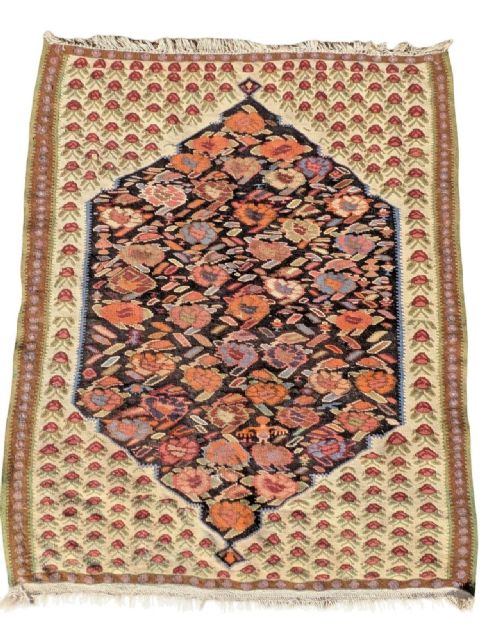
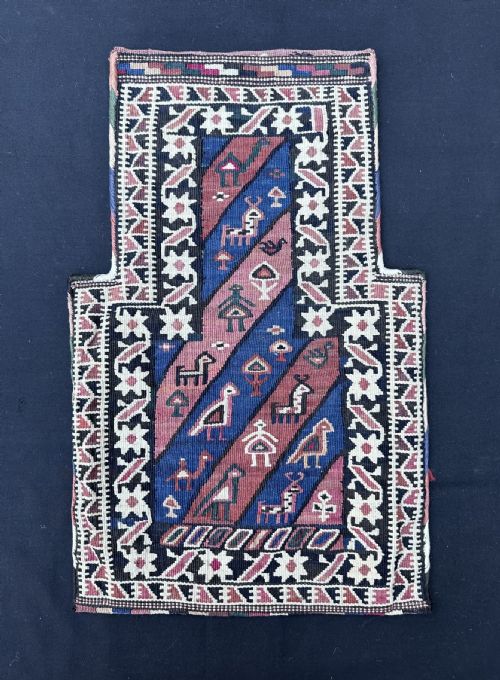
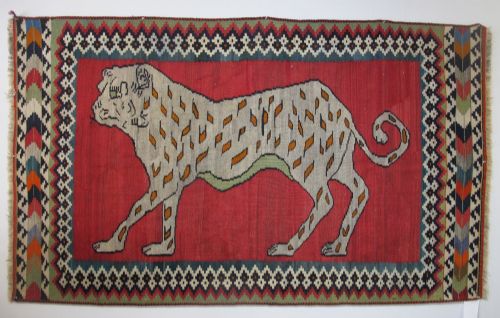
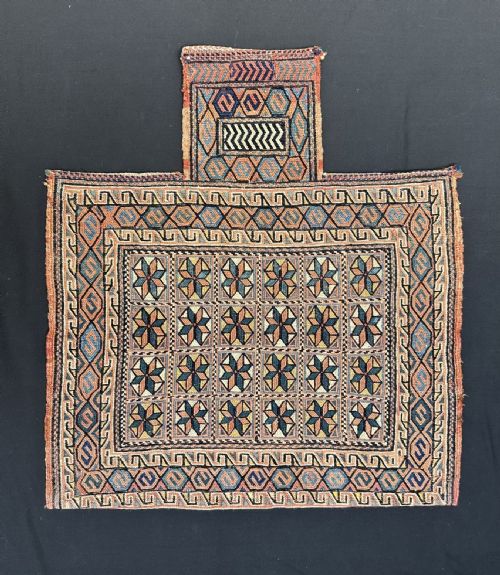
A persian flatweave rug brings distinctive nomadic and tribal artistry into a space through flat-woven textiles rather than piled knots. Buyers examining this category encounter various regional forms including kilim rugs, bread sofreh cloths, runner rugs, and mounted silk jajim pieces.
The listings span from the mid-nineteenth century into the early twentieth century, originating from specific groups and locations such as the Luri-Bakhtiari tribes, Qashqai nomads, Afshar nomads, and Shahsevan weavers. Central, western, and southern regions of Persia all contribute distinct regional designs to the selection.
Forms vary from narrow long runners to broader area formats and specialised household textiles like bread sofreh. Tribal Persian aesthetics dominate the selection, showcasing eye-dazzler patterns, scarce layouts, and traditional geometric motifs.
Materials and Construction Techniques
Weavers constructed these textiles primarily using wool and cotton foundations, occasionally incorporating silk and natural dyes to achieve durable yet supple structures. Certain nineteenth-century examples utilise specialised mounting techniques for preservation.
The flatweave technique relies on interweaving warp and weft threads without forming a pile, producing lightweight and versatile floor coverings or wall art. Artisans applied natural dye baths to wool and silk fibres before executing intricate tribal patterns.
Persian Flatweave Rug Retail Price Guide 2026
Typical asking prices for persian flatweave rug among the pieces listed under this phrase on Sellingantiques today, from the lower quarter to the upper quarter. They describe what is for sale here now, not the wider market.
Several textiles began life simply holding daily bread before ending up displayed as sophisticated floor art.
Assessing Quality in Flatweave Textiles
Quality differences emerge in the tightness of the weave, the complexity and clarity of the geometric design, and the survival of the original borders and edges. Finer examples display meticulous slit-weaving execution and vibrant, enduring natural dye palettes.
The integrity of the fibres and the precision of regional motifs distinguish simpler utilitarian cloths from masterwork tribal weavings. Pieces preserving scarce designs or retaining full dimensions demonstrate superior collector desirability.
The Persian Flatweave Rug Glossary
- Kilim
- A flat-woven carpet or rug made without a pile. It is produced by tightly interweaving the warp and weft strands to create a flat surface.
- Sofreh
- A ceremonial or utilitarian cloth used for spreading meals or handling bread in Persian households. These textiles often feature accomplished tribal iconography.
- Jajim
- A heavy flat-woven textile traditionally used as a coverlet or tent band. Silk examples from the nineteenth century are particularly decorative.
- Warp
- The stationary vertical threads stretched on a loom before weaving begins. The weft threads pass horizontally through these structural elements.
- Natural Dyes
- Colourants derived from plants, insects, and minerals rather than synthetic compounds. They yield harmonious hues that age with considerable depth.
Persian Flatweave Rug: Frequently Asked Questions
What is a persian flatweave rug?
A persian flatweave rug is a non-piled textile created by nomadic or village weavers in Persia using interlocking warp and weft threads. These pieces function as versatile floor coverings, runners, and decorative wall art.
Unlike knotted carpets, flatweaves lack a pile, making them lighter and historically suited for transport by nomadic tribes as well as everyday domestic use.
How were bread sofreh pieces used?
Bread sofreh cloths served a practical role in traditional Persian household life for preparing, resting, or wrapping bread. Nomadic families utilised these textiles daily within their tents.
Over time, these functional cloths gained recognition among collectors for their sophisticated abstract designs and accomplished tribal artistry.
How do I identify a Qashqai kilim?
Qashqai kilims are identified by distinct tribal motifs, geometric patterns, and vibrant colour palettes associated with the Qashqai confederacy of southern Persia. Specific designs like eye-dazzler layouts appear in these nineteenth and early twentieth-century works.
Examining the wool quality, dye characteristics, and regional weaving structure helps confirm tribal attributions against other groups like the Afshar or Shahsevan.
How should I care for an antique flatweave?
Care for an antique flatweave involves gentle vacuuming without a rotating brush bar and using a breathable underlay to prevent slipping. Professional textile cleaning is recommended for deep maintenance.
Protecting the piece from prolonged direct sunlight preserves the natural dyes and prevents the wool or silk fibres from becoming brittle.