




Persian Fereghan Rug
A persian fereghan rug brings the textile traditions of nineteenth-century Persia into a room through dense wool and cotton construction.
Persian Fereghan Rug
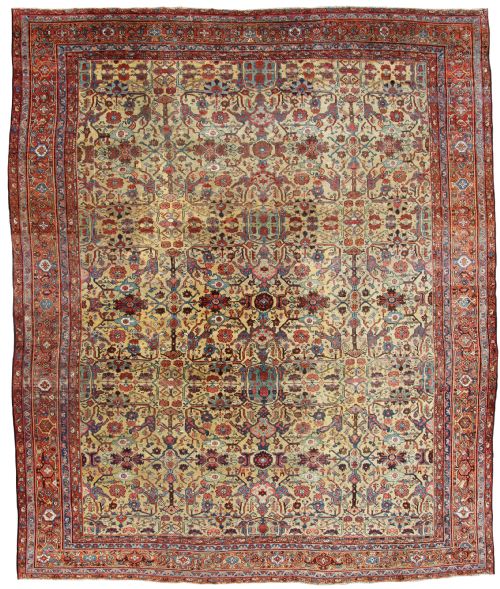
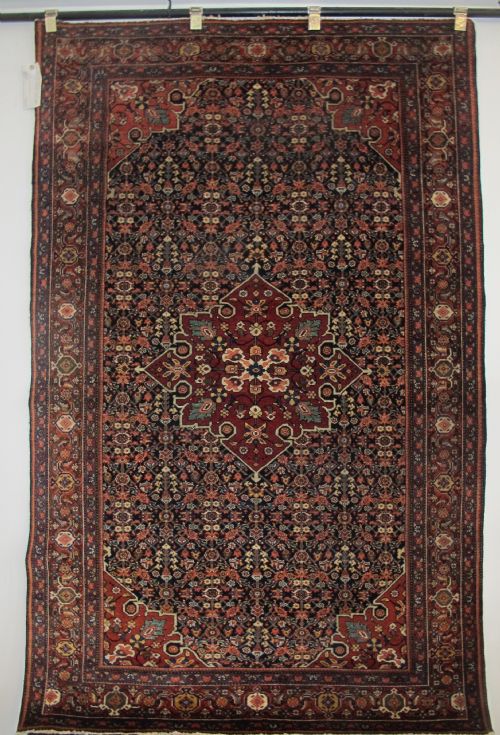
A persian fereghan rug is a floor covering originating from west Persia, spanning various nineteenth-century decades and into the early twentieth century. Buyers seeking this style encounter formats ranging from smaller area rugs to room-sized carpets and narrow hallway runners.
The selections on this page demonstrate formats such as large carpets, village rugs, and narrow runners. Originating from specific Persian weaving traditions, these pieces carry distinct regional designs.
How They Were Made
These floor coverings utilise wool for the pile, providing durability and texture underfoot. Cotton forms the foundational structure, offering stability across large carpets and narrow runners alike.
Weavers constructed these pieces by hand during the nineteenth century and early twentieth century. The combination of wool and cotton supports the intricate patterns seen across the listed items.
Persian Fereghan Rug Retail Price Guide 2026
Typical asking prices for persian fereghan rug among the pieces listed under this phrase on Sellingantiques today, from the lower quarter to the upper quarter. They describe what is for sale here now, not the wider market.
Certain rugs feature pomegranates and birds woven directly into the field design.
What Varies in Quality
The standard of weaving and the intricacy of the design determine the distinction between simpler pieces and finer examples. Density of the pile and precision in the execution of motifs separate the categories.
Condition of the materials and the scale of the format also influence the character of each piece. Larger carpets and specialised designs such as pomegranate motifs represent specific variations within the category.
The Persian Fereghan Rug Glossary
- Pile
- The upright loops or cut strands of wool that form the surface texture of the rug. This upper layer absorbs wear and displays the colour and pattern.
- Runner
- A long, narrow format designed specifically for hallways and corridors. These pieces direct movement through domestic spaces.
- Field
- The central background area of the rug enclosed by the borders. This space often displays plain fields or intricate patterns of birds and pomegranates.
- Sarouk
- A village style associated with certain Persian weaving traditions. Pieces bearing this descriptor share stylistic links with Fereghan production.
Persian Fereghan Rug: Frequently Asked Questions
Where were persian fereghan rug examples made?
These pieces originate from Persia, specifically the west region during the nineteenth century. Local workshops and villages produced them using traditional techniques.
The materials and methods reflect the regional craft of the period. Surviving examples demonstrate the longevity of these historical textiles.
What sizes are available for a persian fereghan rug?
The listings include compact area rugs alongside room-sized carpets measuring over five metres. Narrow runners also appear for hallway placement.
Dimensions vary according to the original function of the textile. Buyers select formats based on the spatial requirements of a room.
How do I identify a nineteenth century persian fereghan rug?
Examination of the wool pile, cotton foundation, and regional motifs helps establish the period. Stylistic indicators point towards nineteenth-century Persian origins.
Comparing structural details with known examples clarifies the age. The combination of materials provides physical evidence of the era.
Can a persian fereghan rug handle heavy foot traffic?
The wool construction provides natural resilience for daily domestic use. Regular placement in moderate traffic areas suits their durable build.
Proper care preserves the integrity of the cotton foundation and wool pile over time. Placing them in appropriate settings ensures their longevity.