




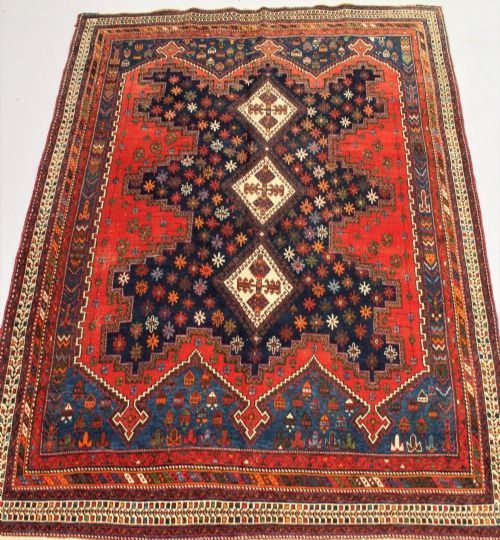


Persian Carpet 1910
A persian carpet 1910 brings enduring warmth and intricate regional artistry directly onto your floor.
Persian Carpet 1910
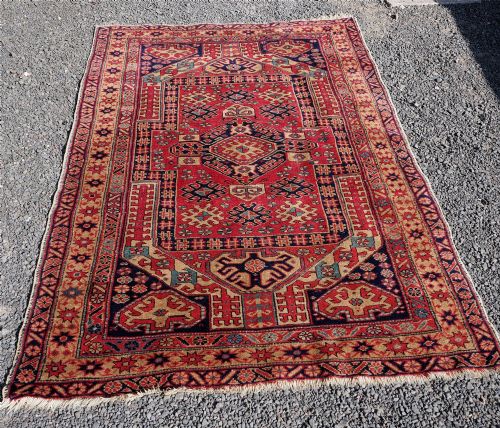
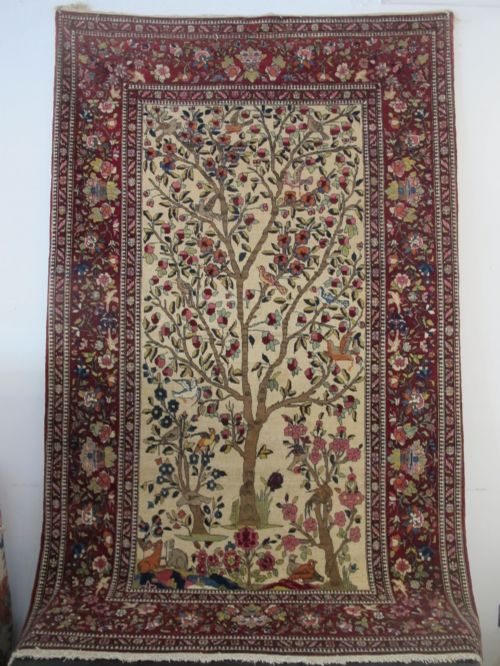
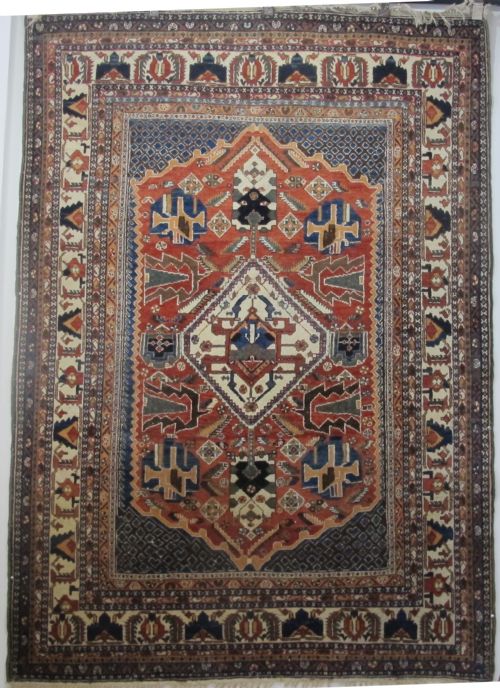
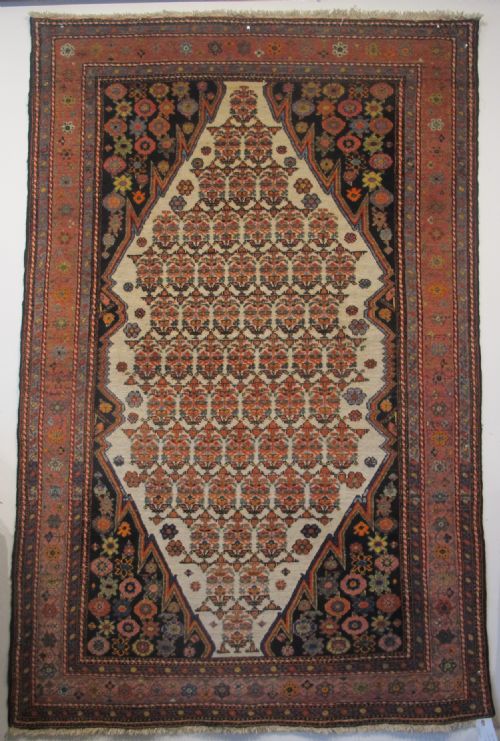
A persian carpet 1910 represents floor coverings produced during the early twentieth century across various weaving centres in Persia. Buyers examine pieces originating from locations such as Isfahan, Kashan, Heriz, Melayir, and Meshed, alongside South Persian tribal workshops.
The most common formats on this page are room-sized and area rugs created with traditional Persian and tribal designs. These items function both as decorative floor coverings and as historical textile artefacts from the Edwardian era.
Makers and weavers from this period utilised established regional motifs, ranging from the geometric layouts of Heriz to the finely detailed floral compositions of Isfahan and Kashan.
How they were made
Weavers constructed these carpets using natural materials, predominantly wool and cotton, with select examples incorporating silk for finer detail work. Foundation yarns of cotton typically support dense hand-knotted pile surfaces of wool or silk.
Production centres employed traditional hand-knotting techniques specific to each region, allowing workshops to achieve varying pile heights and structural densities. The interplay of these natural fibres and local weaving methods determines the physical weight and drape of each rug.
Persian Carpet 1910 Retail Price Guide 2026
Typical asking prices for persian carpet 1910 among the pieces listed under this phrase on Sellingantiques today, from the lower quarter to the upper quarter. They describe what is for sale here now, not the wider market.
The inventory includes items representing Isfahan, Kashan, Heriz, Melayir, Meshed, and South Persian tribal traditions.
What varies in quality
Knot density and the precision of the woven design separate standard examples from finer outputs. Finer execution in regional types like Isfahan or Kashan allows for crisper floral curves and greater pictorial clarity.
The quality of the wool and silk fibres, along with the depth and retention of the dyes, dictates the longevity and visual richness of the pile. Carpets with well-balanced palettes and sturdy foundations maintain their structural integrity through decades of use.
Ahmadi Isfahan
The Persian Carpet 1910 Glossary
- Pile
- The upright yarn loops or cut ends that form the soft surface of a carpet. This layer absorbs foot traffic and displays the woven pattern.
- Warp
- The stationary vertical threads stretched onto a loom before weaving begins. These parallel strings form the structural skeleton of the rug.
- Weft
- The horizontal threads passed back and forth across the warp strings to lock the knots in place. Together with the warp, they create the sturdy foundation grid.
- Knot density
- The number of individual knots packed into a specific area of the rug. Higher counts generally permit more intricate and curved design work.
- Tribal rug
- A textile produced by nomadic or village groups rather than city workshops. These pieces often feature geometric patterns passed down through generations.
Persian Carpet 1910: Frequently Asked Questions
Where were these carpets made?
These carpets originate from diverse regions across Persia, including central cities like Isfahan and Kashan, western districts like Melayir, and eastern hubs like Meshed. Tribal areas in the south also produced distinct local variations.
Each region developed specific weaving traditions, utilising local materials and characteristic motifs that distinguish an Isfahan piece from a Heriz or a tribal rug.
How do I care for my rug?
Protect your rug by placing it in low-moisture areas and using a quality underlay to prevent sliding and excessive friction. Regular gentle vacuuming without a rotating brush bar keeps dust from settling into the wool pile.
Rotate the carpet periodically to ensure even exposure to foot traffic and sunlight. Professional cleaning by specialists in antique textiles is recommended when deep cleaning becomes necessary.
Can I place these on heated floors?
Natural fibres such as wool, cotton, and silk generally tolerate moderate underfloor heating provided the temperature does not remain excessively high. Extreme heat can dry out natural oils in the wool and warp foundations over time.
Using a breathable underlay allows proper air circulation between the heated floor and the carpet base. Monitoring the temperature helps preserve the integrity of the natural materials.
How do I identify a tribal rug?
South Persian tribal rugs typically feature bold geometric motifs, medallions, and stylized animal or plant forms rather than precise, formal floral curves. Weavers worked from memory or traditional local patterns rather than drawn paper cartoons.
These pieces often display subtle irregularities in symmetry and colour shifts in the wool, reflecting the hand of an individual maker working outside commercial urban workshops.