





Persian Bidjar Area Rug
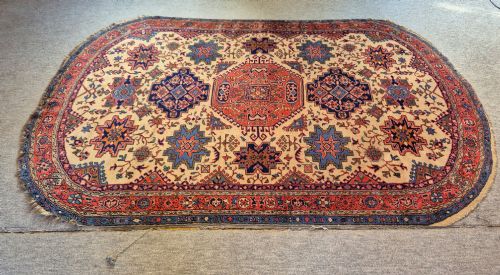
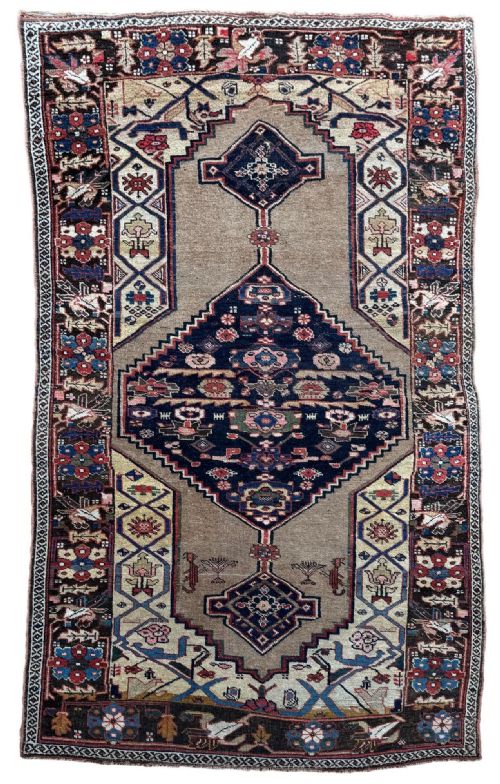
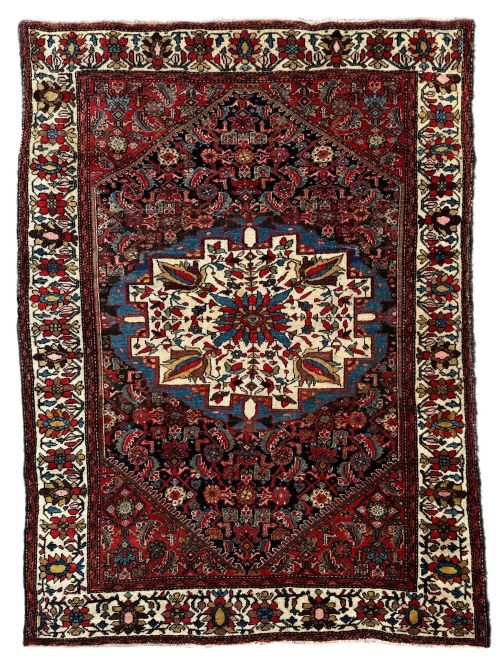
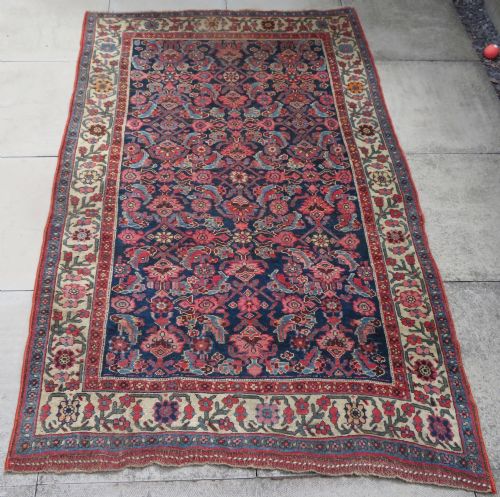
A persian bidjar area rug brings dense knotting and robust wool to the floor, built by Kurdish weavers to endure generations of heavy tread.
Persian Bidjar Area Rug
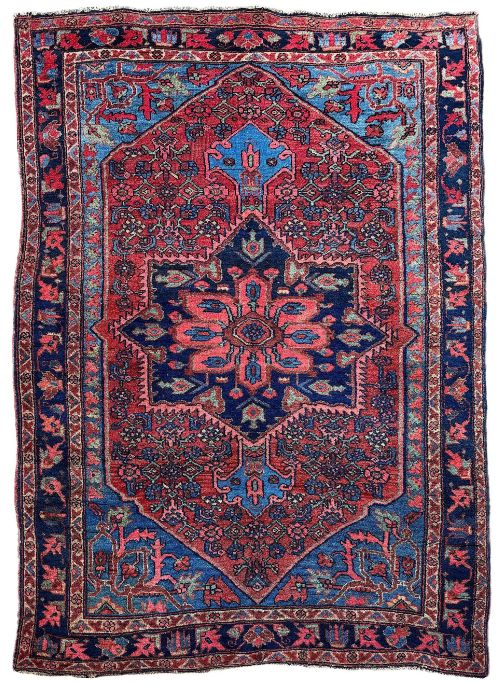
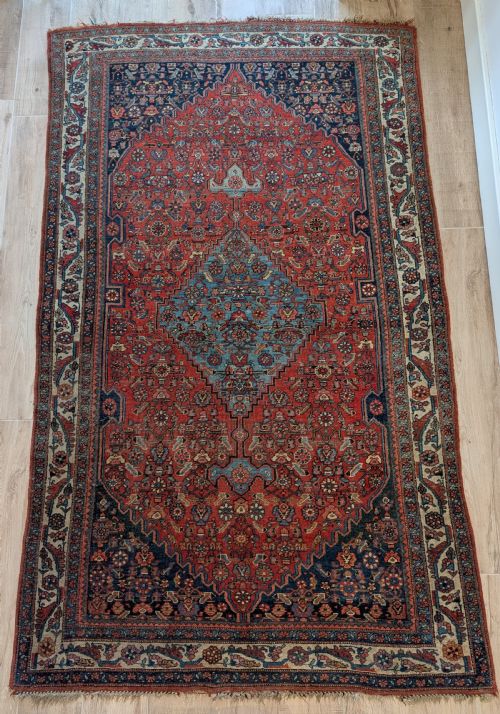
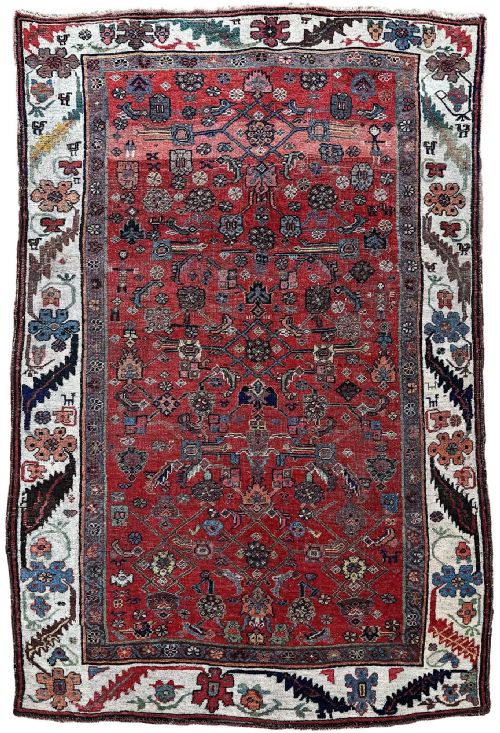
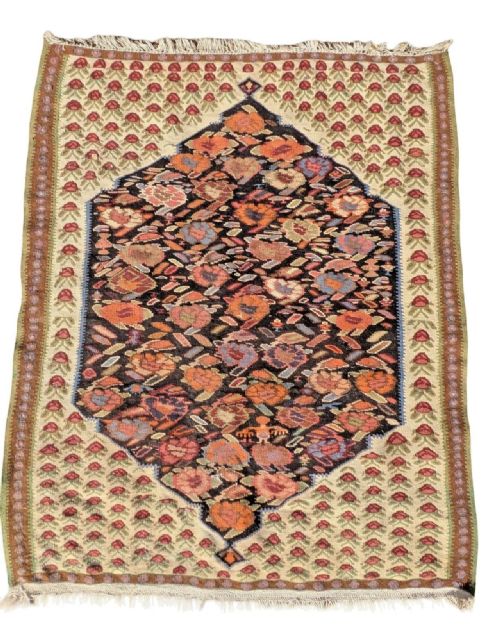
When you search for a persian bidjar area rug, you encounter heavy village and tribal carpets originating from western Persia, woven primarily by Kurdish weavers. These floor coverings span from the nineteenth century through the early twentieth century, taking forms that range from modest hearth mats to large kelleh carpets.
The pieces you meet on this page carry distinctive Persian traditional designs, frequently identified with the town of Bidjar and its surrounding Kurdish settlements. They combine village motifs with a sturdy structure that sets them apart from finer city weaves.
How they were made
Weavers construct a persian bidjar area rug using wool for both the pile and the foundation, paired with cotton foundations in specific examples. The materials are packed tightly during the weaving process, creating a dense and heavy fabric.
The technique relies on heavy packing of the wefts, which causes the pile to stand upright and gives the carpet its characteristic rigid handle. Natural dyes provide the rich ground colours seen across the nineteenth and early twentieth century production.
Persian Bidjar Area Rug Retail Price Guide 2026
Typical asking prices for persian bidjar area rug among the pieces listed under this phrase on Sellingantiques today, from the lower quarter to the upper quarter. They describe what is for sale here now, not the wider market.
What varies in quality
The refinement of the drawing and the complexity of the tribal motifs separate the standard village production from superior examples. Tighter knot density and more precise execution of the Kurdish designs elevate certain carpets above others.
Colour variation plays a significant part in the character of these pieces, with unusual ground shades such as lemon adding distinction to the wool work. The overall handling quality and the integrity of the heavy foundation determine the standing of each carpet.
The Persian Bidjar Area Rug Glossary
- Bidjar
- A town in western Persia famous for producing exceptionally durable carpets with dense wool piles. These rugs are often called the iron rugs of Persia due to their heavy construction.
- Kelleh
- A large rectangular carpet format, longer than a standard room rug but narrower than a full palace carpet. Such pieces were traditionally designed for specific long rooms in Persian houses.
- Kilim
- A flat-woven carpet or rug made without a pile by tightly interweaving warp and weft strands. Examples include lighter tribal pieces alongside pile-woven carpets.
- Kurdish
- Pertaining to the ethnic groups inhabiting the region around Bidjar who created these distinctive tribal and village rugs. Their weaving traditions emphasise geometric motifs and robust structures.
Persian Bidjar Area Rug: Frequently Asked Questions
How do I clean a heavy Persian carpet?
Vacuum gently without using a rotating brush roll to protect the wool pile from unnecessary friction and fibre loss.
Professional specialist washing is required for deeper cleaning to prevent dye bleed and damage to the heavy foundation.
Where should I place these rugs?
Position them in high-traffic hallways or living spaces where their dense wool construction can withstand heavy daily use.
Keep them away from direct, harsh sunlight to preserve the natural ground dyes over many years.
How do I identify a Kurdish village piece?
Look for robust structural weight and dense knotting that gives the rug a rigid, unyielding handle when bent.
Examine the motifs for traditional geometric tribal patterns distinct from delicate urban Persian court designs.
Do these carpets work with modern furniture?
Their grounded tribal tones and geometric patterns complement minimalist or contemporary interior schemes effectively.
The substantial presence of nineteenth and early twentieth century wool anchors contemporary seating arrangements with texture.