

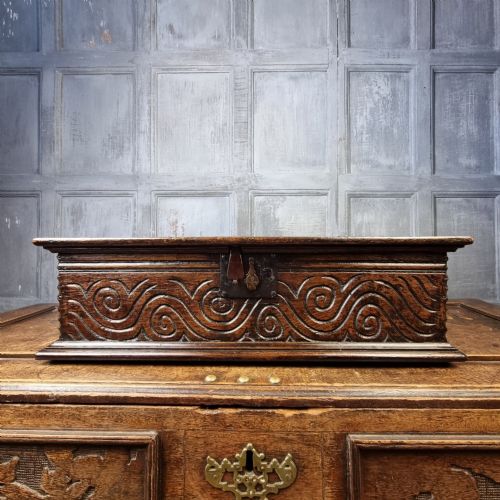
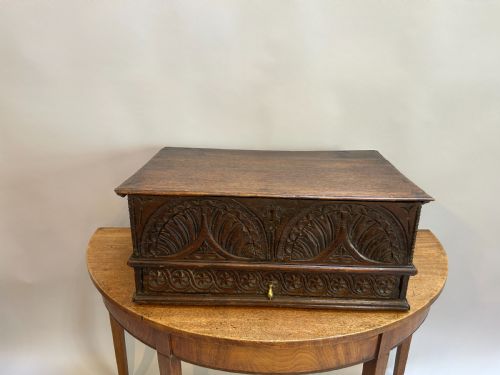


Period Writing Box
A period writing box offers a portable desk for ink and paper, bringing tangible history and fine timber to your study.
Period Writing Box
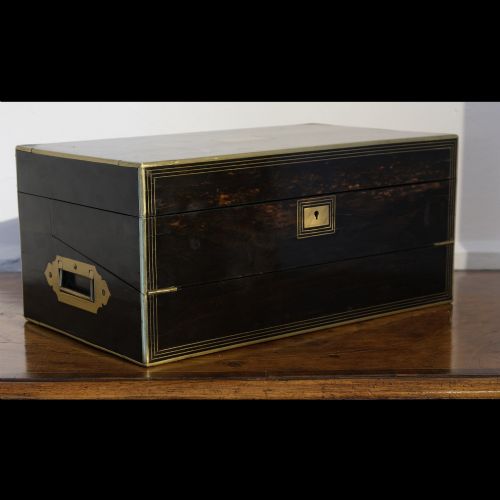
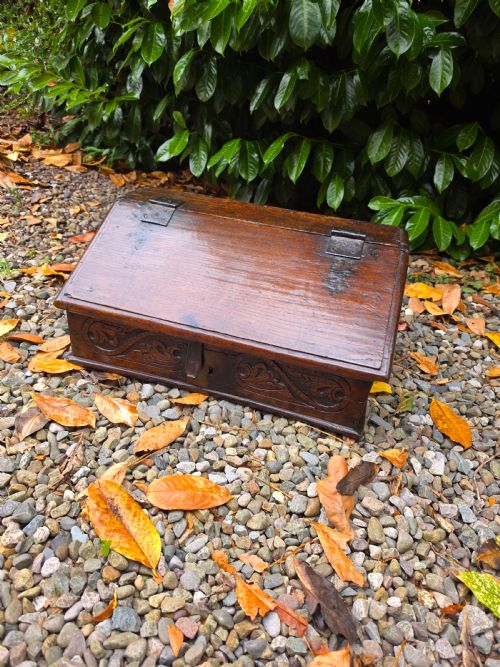
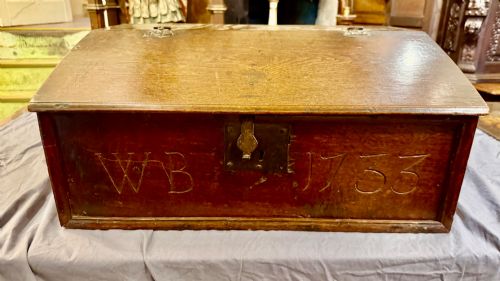
A period writing box encompasses compact wooden containers designed for correspondence, documents and writing implements, spanning from the seventeenth century through to the nineteenth century. The selection leans heavily toward seventeenth-century oak bible and desk boxes alongside Regency rosewood and coromandel slopes.
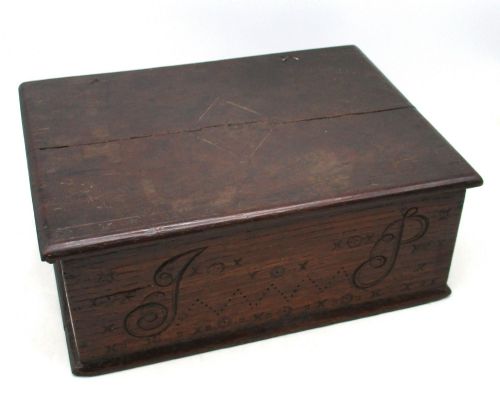
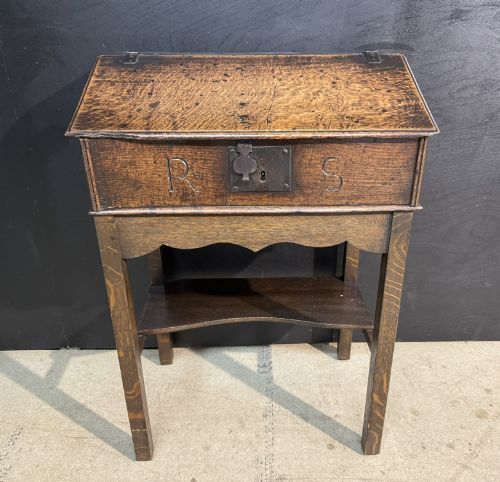
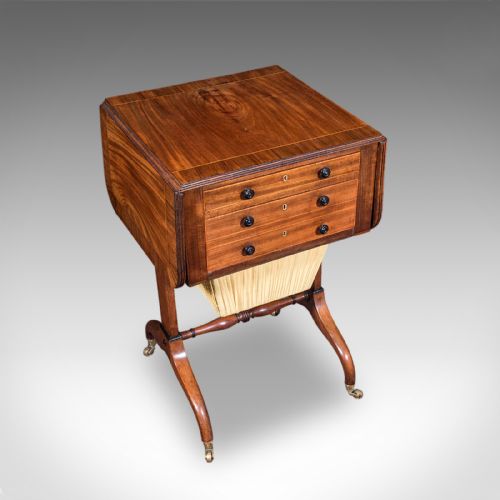
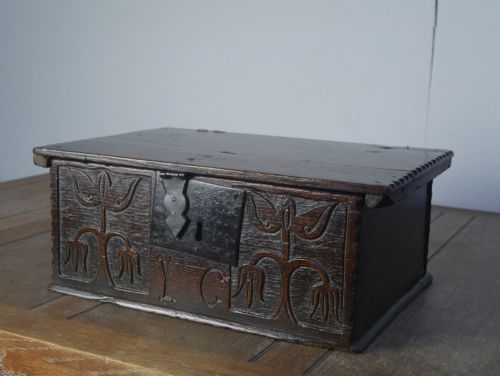
Forms vary from simple oak document chests with carved panels to refined brass-inlaid slopes and satinwood stationer boxes. Alongside traditional desk boxes, you will encounter related pieces including lowboy side tables, ladies work tables and drop-leaf writing tables.
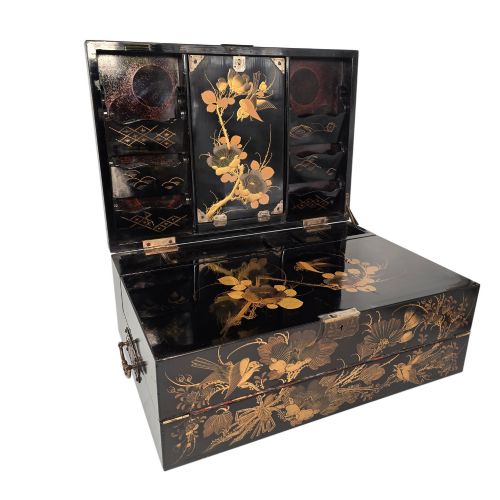
Origins stretch across English workshops from the Jacobean and Georgian eras through to occasional Japanese lacquer examples. These pieces served as secure repositories for personal papers before fitted desks became standard domestic furniture.
Materials and construction methods
Construction relies primarily on sturdy native timbers like oak in earlier centuries, transitioning to exotic imported hardwoods such as rosewood and coromandel by the Regency period. Cabinetmakers employed solid joinery for seventeenth-century bible boxes, while later slopes utilised fine veneers over secondary woods.
Decoration and hardware involve brass mounts, iron hinges, and intricate inlay work utilising materials like holly and bog oak. Surfaces receive hand-carved detailing on seventeenth-century oak panels or smooth French polish on nineteenth-century rosewood and satinwood.
Period Writing Box Retail Price Guide 2026
Typical asking prices for period writing box among the pieces listed under this phrase on Sellingantiques today, from the lower quarter to the upper quarter. They describe what is for sale here now, not the wider market.
Some nineteenth-century writing boxes arrived accompanied by calligraphic ink blocks from Japan.
Distinctions in quality and execution
Quality rests upon the integrity of the timber selection and the precision of the joinery, distinguishing utilitarian containers from bespoke cabinetwork. Finer examples display meticulous brass inlay, well-fitted interior compartments, and original hinges rather than later replacements.
The sophistication of surface ornamentation sets superior pieces apart, from crisp geometric carving on seventeenth-century oak to flawless execution of holly and bog oak inlay. Condition of the internal slope surfaces and stationery divisions also marks the distinction between standard boxes and masterworks.
Gillows of Lancaster
The Period Writing Box Glossary
- Writing slope
- A portable box featuring an angled lid designed to provide a comfortable surface for writing letters. When opened, these boxes typically reveal fitted compartments for inkwells and pens.
- Bible box
- A sturdy wooden chest originally built to store a family bible or important household documents in the seventeenth century. These often feature sloping lids and carved front panels.
- Desk box
- A compact tabletop container used to hold writing materials before the widespread use of dedicated writing desks. They sit directly on tables and provide secure storage under a hinged lid.
- Coromandel
- A dense, heavily figured tropical hardwood imported from Asia, valued for its rich dark brown colour and contrasting light streaks. Cabinetmakers utilised it for luxury boxes during the nineteenth century.
- Lowboy
- A small table with drawers, standing on four legs, which frequently served as a writing or dressing surface in eighteenth-century interiors. These pieces combine compact proportions with refined joinery.
Period Writing Box: Frequently Asked Questions
What is a period writing box?
A period writing box is a portable wooden container designed to hold paper, ink, and pens, featuring a hinged lid that often doubles as a slanted writing surface.
These pieces range from seventeenth-century carved oak desk boxes to nineteenth-century rosewood slopes inlaid with brass.
How were writing boxes used?
They served as personal writing desks before fitted furniture became common in homes, allowing owners to store and lock away correspondence.
Travellers and officers also used specially reinforced versions, such as military writing slopes, to manage documents while on the move.
Where should I place a writing box?
These boxes sit easily on top of side tables, desks, or chests of drawers, functioning as both functional writing stations and display items.
Placing them away from direct heat sources helps protect antique timber and delicate brass inlay from warping or drying out.
How do I distinguish seventeenth-century oak boxes?
Seventeenth-century examples typically feature solid oak construction, hand-carved panels, iron hardware, and simple box or bible box forms.
Later nineteenth-century versions abandon heavy oak for exotic veneers like rosewood and incorporate sophisticated internal folding slopes.