



Period Wooden Frame
A period wooden frame anchors furniture and mirrors across centuries, bringing substantial timber structure and traditional joinery to interiors.
Period Wooden Frame
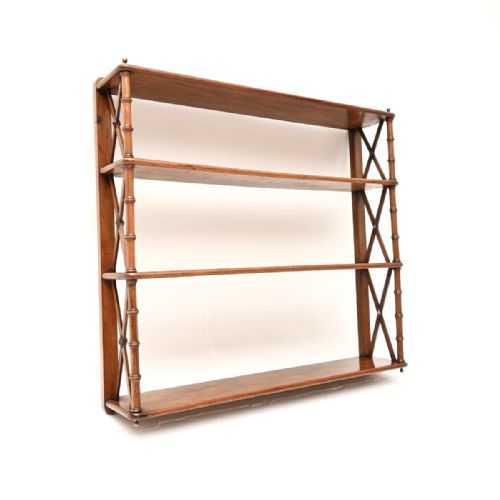
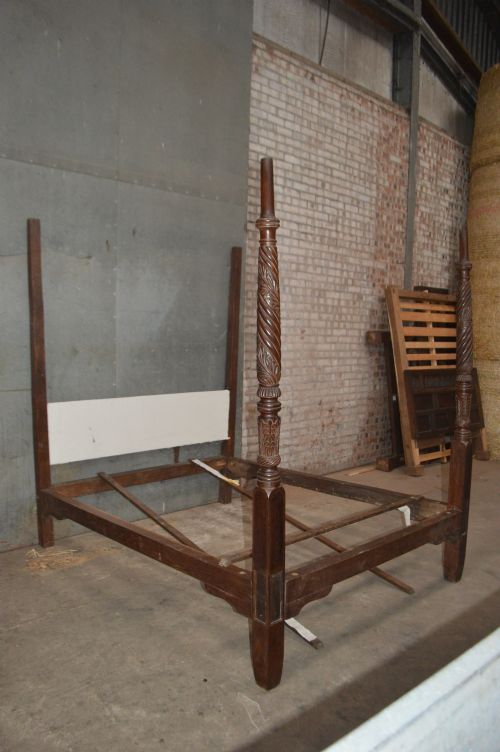
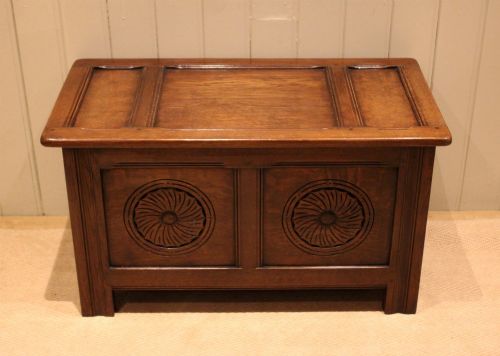
A period wooden frame encompasses structural supports, mirrors, wall panels, and seating frameworks originating from the seventeenth century through to the Edwardian era. These pieces range from substantial four-poster bed frames and oak coppers to wall-mounting bookcases, fire surrounds, and architectural doorways.
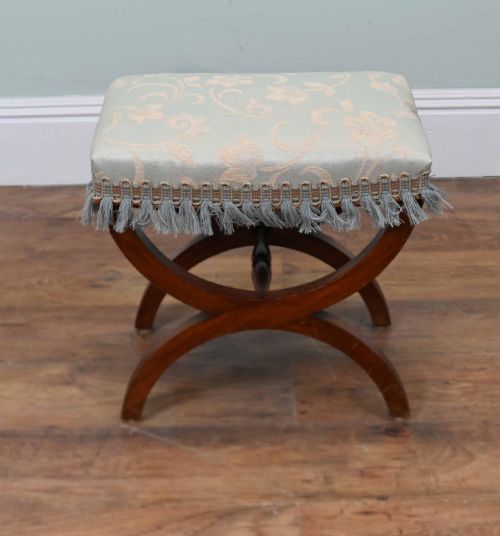
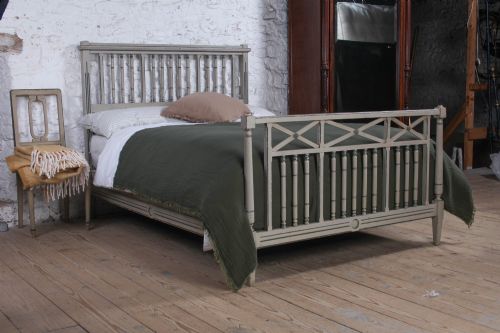
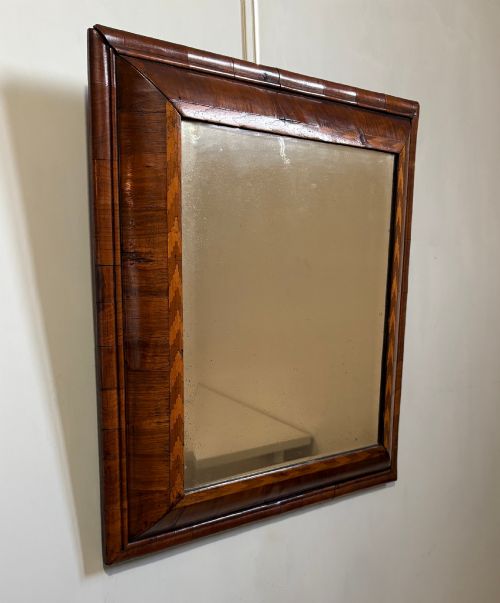
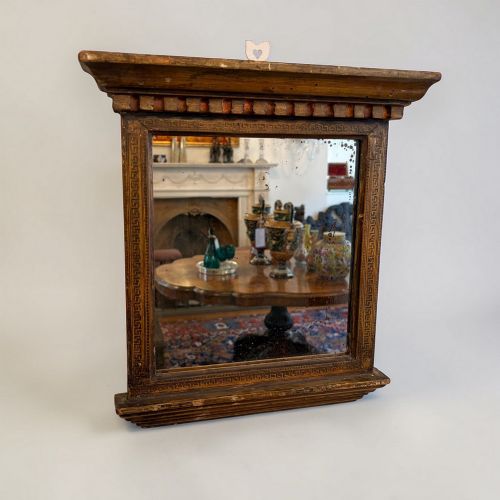
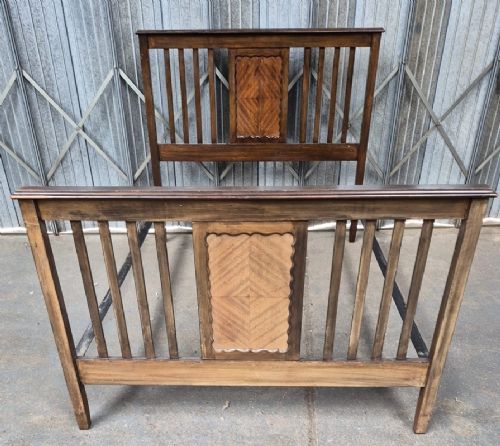
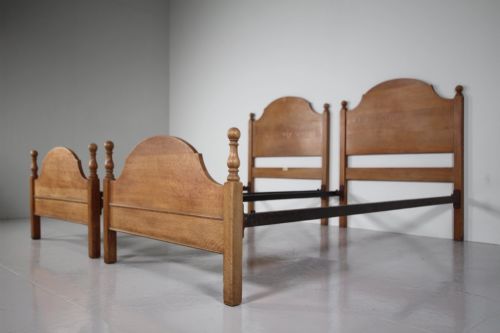
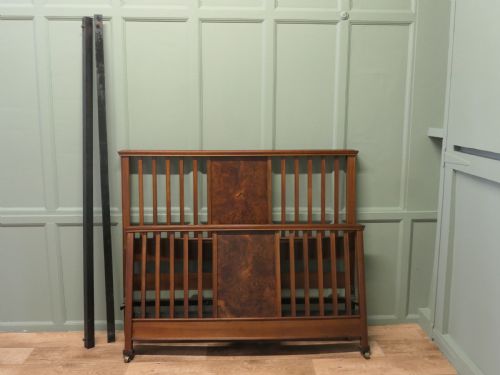
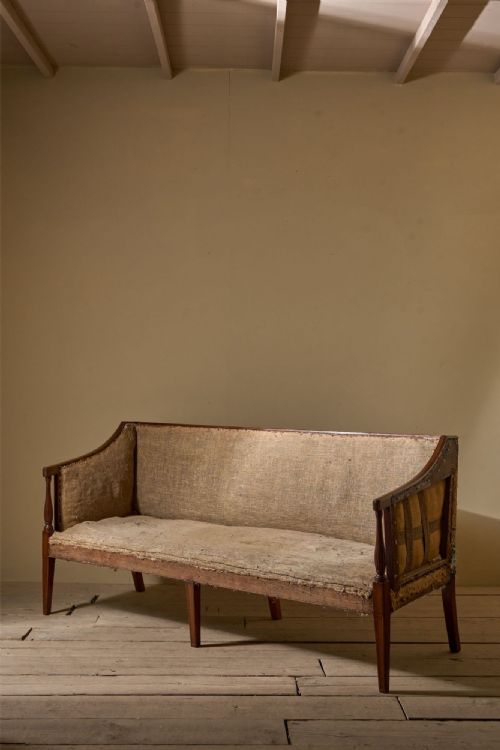
The selection on this page centres heavily on bedroom furniture and wall mirrors, with Edwardian and Georgian examples appearing frequently alongside seventeenth-century oak and nineteenth-century designs. Buyers encounter everything from mahogany sofa frames and walnut wall mirrors to complete oak bedsteads and carved fire surrounds.
Origin and form dictate the character of each piece, linking domestic objects directly to the workshop practices of their respective periods. Whether looking at a simple walnut mirror or a large mahogany bedstead, the focus remains on the structural timber and the stylistic markers of the era.
Materials and Technique
Makers relied primarily on native and imported hardwoods, utilising mahogany, walnut, and oak to construct durable frames that withstand centuries of use. Secondary materials such as brass, iron, and glass integrate into mirrors, hardware, and structural fixings, while surface treatments range from clear polishes to painted finishes.
Joinery methods define the integrity of these frames, relying on traditional techniques handed down through generations of cabinet makers and carpenters. Carving, turning, and panel construction appear across the inventory, executed with hand tools that leave subtle marks of craftsmanship on the timber.
Period Wooden Frame Retail Price Guide 2026
Typical asking prices for period wooden frame among the pieces listed under this phrase on Sellingantiques today, from the lower quarter to the upper quarter. They describe what is for sale here now, not the wider market.
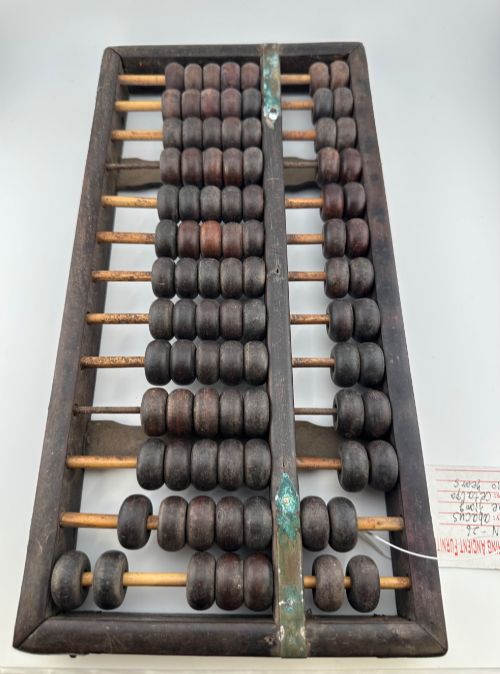
An ancient abacus made from Suanpan wood sits quietly among the heavy mahogany beds and grand oak mirrors.
Evaluating Quality
Quality rests in the selection of the timber and the precision of the construction rather than applied decoration alone. Superior examples display dense, well-figured wood grains and structurally sound joinery that supports the intended function without excessive modern intervention.
Proportion and execution set the finer pieces apart from standard workshop output. Well-balanced moulding profiles, crisp carving detail, and original hardware components distinguish the more accomplished framing work found in this category.
Stanley Webb Davies·Heals
The Period Wooden Frame Glossary
- Four poster bed
- A bed featuring four vertical columns that support an upper tester or canopy. These substantial frames appear in oak and mahogany from earlier centuries.
- Overmantel mirror
- A large mirror designed to hang above a fireplace mantel. Frames for these mirrors often incorporate giltwood, painted finishes, or carved mahogany.
- Butler tray on stand
- A portable wooden tray with hinged or fixed sides, mounted upon a folding or rigid support stand. Mahogany examples from the Georgian period feature prominently.
- Wainscot armchair
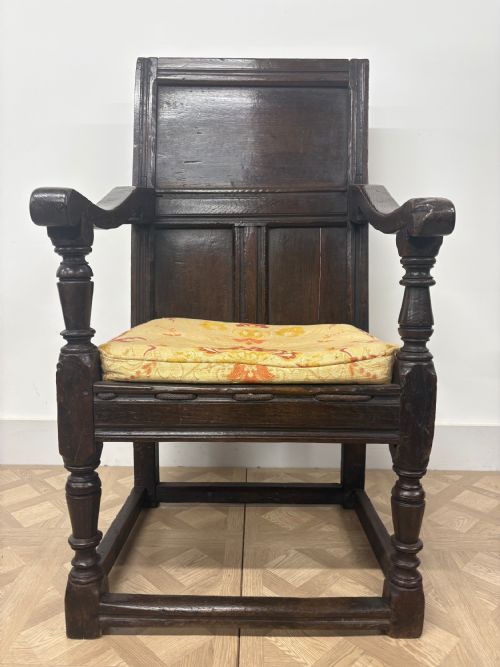
- An early wooden armchair constructed primarily from oak with panelled backrests. These sturdy seats date back to the seventeenth century.
- Fire surround
- An architectural framework enclosing a fireplace opening, constructed from materials like oak or Edwardian timber paired with granite.
Period Wooden Frame: Frequently Asked Questions
What defines a period wooden frame?
A period wooden frame refers to structural surrounds, furniture frameworks, and mirror housings produced in distinct historical eras such as the Georgian, Victorian, or Edwardian periods. These items utilise traditional timber construction methods appropriate to their specific century of origin.
They serve both decorative and functional roles in domestic interiors, holding mirrors, supporting beds, or framing architectural elements like fireplaces and doorways.
How do I care for antique timber frames?
Maintaining antique timber frames requires consistent indoor humidity levels to prevent the wood from drying out or splitting. Keep them away from direct heat sources and strong sunlight.
Dust the timber gently with a dry, soft cloth. Avoid silicone-based sprays or harsh chemical polishes that can damage traditional wax or shellac finishes over time.
How can I tell a Georgian frame from a Victorian one?
Georgian frames typically exhibit restrained classical proportions, often utilising mahogany or walnut with subtle carving and understated elegance. Timber selection during this era favoured rich, dark grain patterns.
Victorian frames often display heavier proportions, bolder decorative carving, and sometimes machine-assisted manufacturing techniques. They frequently incorporate dense mahogany or cast iron elements alongside wood.
Were these frames originally painted?
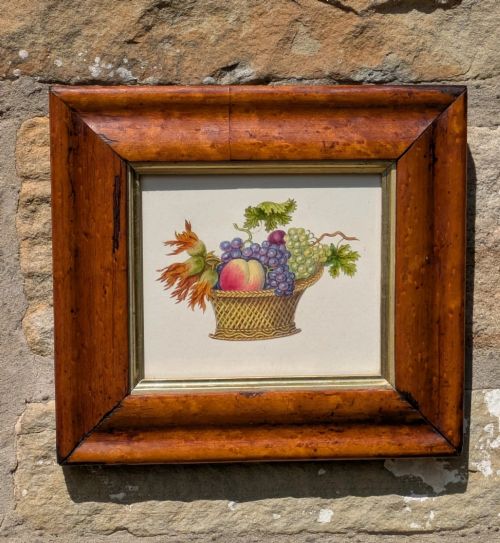
Certain period frames, particularly French or overdoor decorative panels, were painted originally to suit interior decorative schemes. Giltwood and painted finishes appear alongside polished hardwood surfaces.
Examining the paint layers under magnification helps determine whether a finish is period-original or a later application. Unpainted oak and mahogany pieces were typically finished with wax, oil, or polish.