

Period Wooden Dresser
A period wooden dresser brings centuries of craftsmanship into a room, offering both storage and historical character.
Period Wooden Dresser
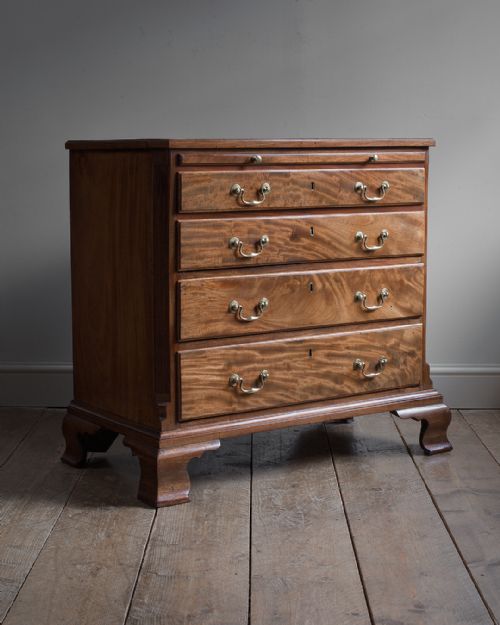
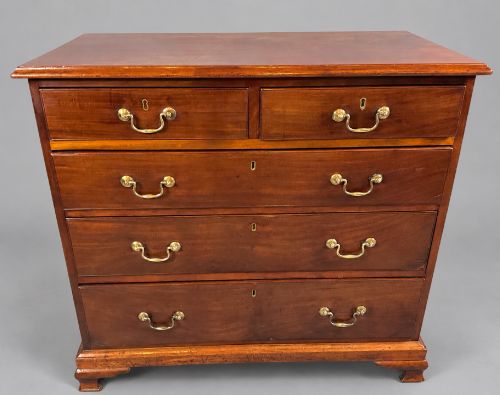
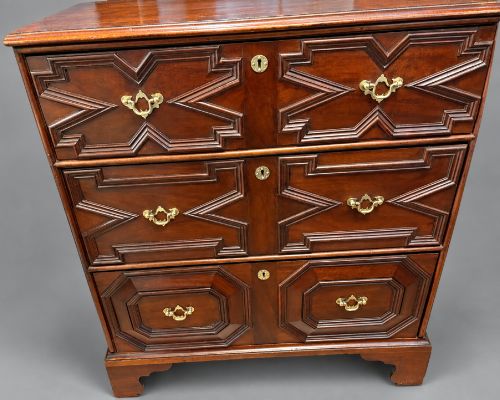
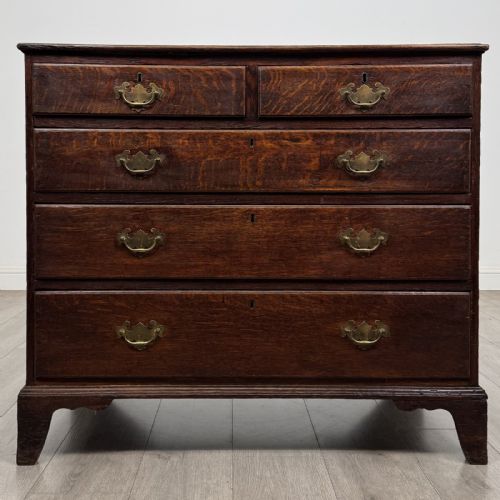
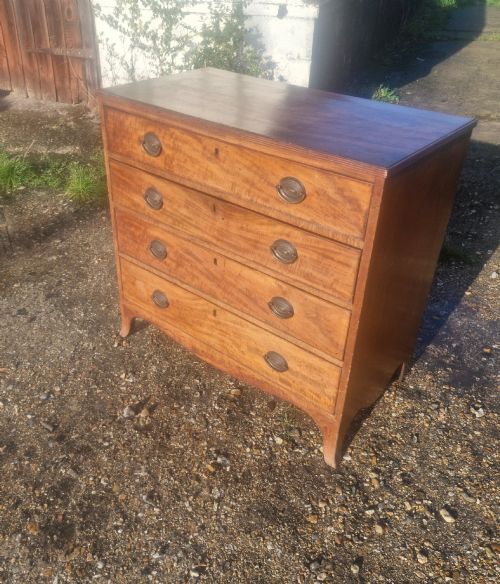
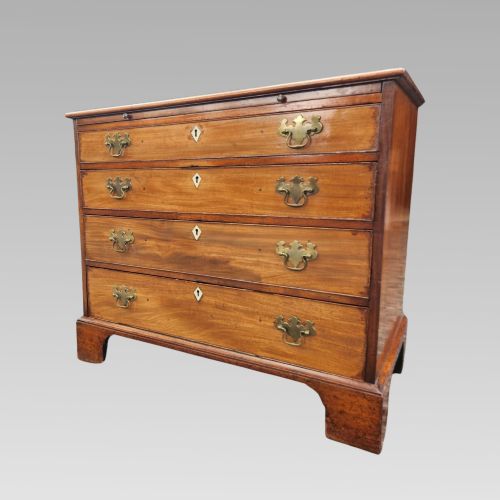
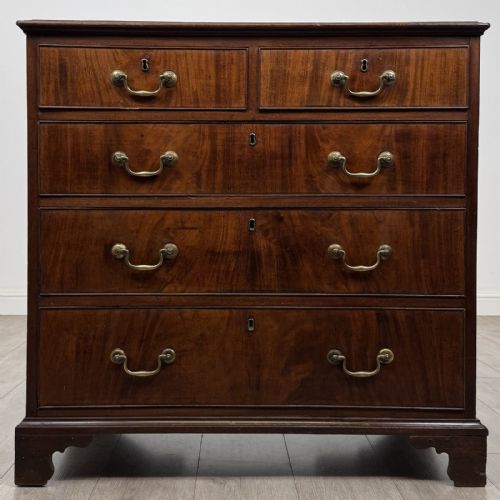
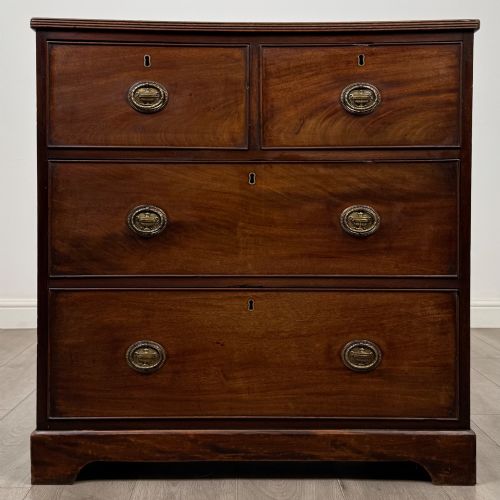
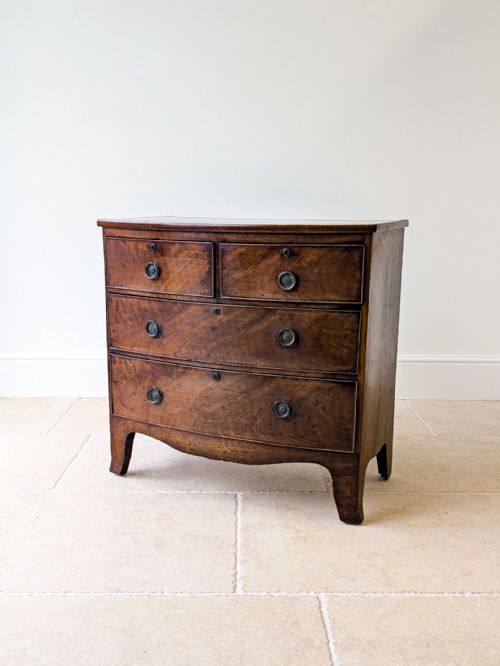
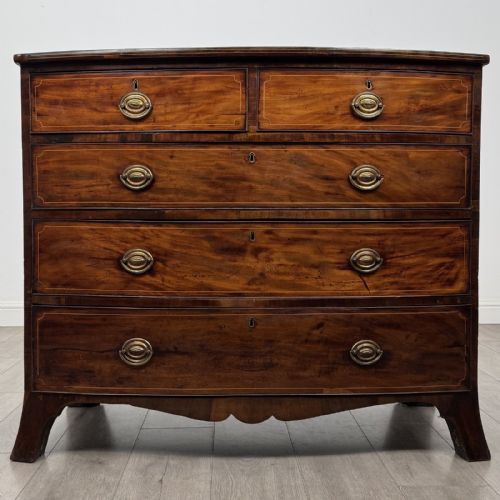
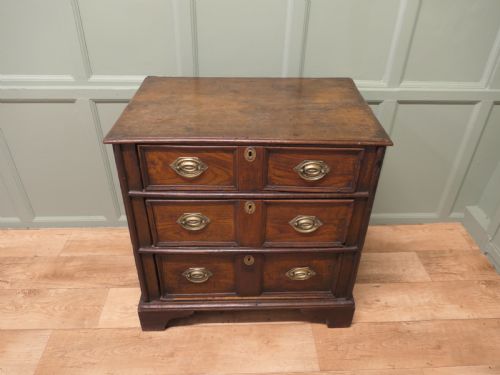
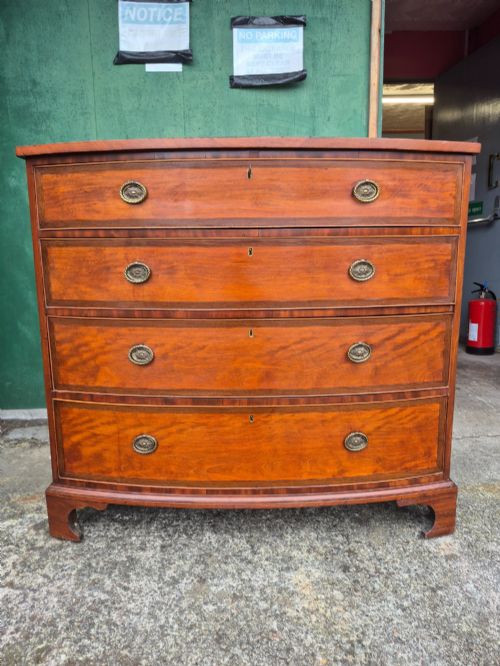
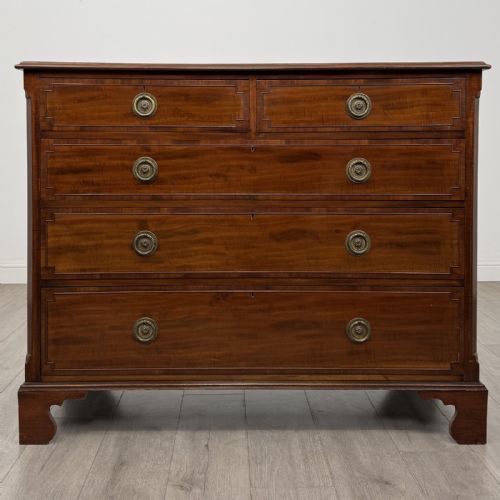
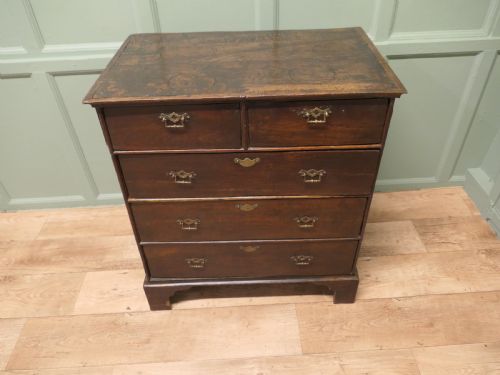
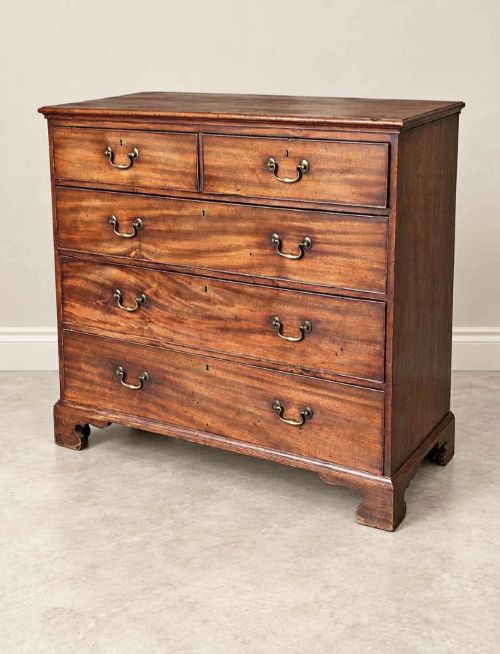
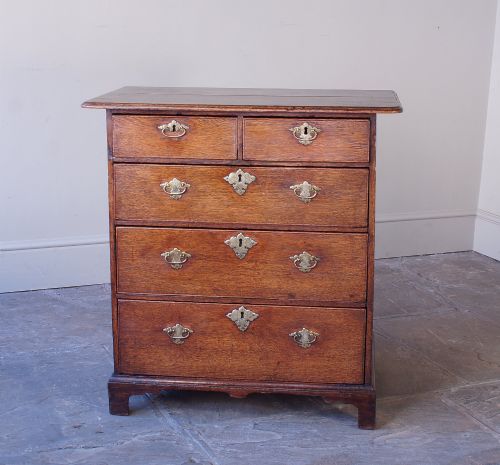
A period wooden dresser encompasses substantial storage furniture designed in centuries past, with chests of drawers forming the majority of the pieces found here. These items appear across distinct historical eras, including the 17th century, Georgian period, and Regency era, reflecting evolving domestic needs.
The most common items encountered on this page are mahogany and oak chests of drawers from the 18th century and Georgian period. Alongside these, buyers find sideboards, coffers, and dressers sharing similar utilitarian origins.
Makers and craftsmen utilised native and imported timbers to construct these robust items for daily household use. Surviving examples demonstrate the stylistic preferences of reigning monarchs and regional cabinet makers.
Materials and construction methods
Cabinet makers built these pieces primarily from solid hardwoods such as mahogany, oak, and walnut, frequently incorporating pine or elm for secondary drawer linings. Timber selection depended on regional availability and the desired finish, with figured veneers often applied to principal surfaces.
Joinery techniques relied on traditional dovetail joints for drawer construction and pegged mortise and tenon joints for structural frames. Hardware such as brass handles and escutcheons complemented the timber, while decorative elements included inlaid satinwood and geometric mouldings.
Period Wooden Dresser Retail Price Guide 2026
Typical asking prices for period wooden dresser among the pieces listed under this phrase on Sellingantiques today, from the lower quarter to the upper quarter. They describe what is for sale here now, not the wider market.
Listings feature woods including oak, mahogany, walnut, elm, and satinwood across the Georgian and Regency periods.
Distinctions in quality and execution
Quality separates pieces through the selection of timber, such as highly figured mahogany or well-matched walnut veneers, compared to plain utility stock. The crispness of carved details, the neatness of dovetailing, and the retention of original brass hardware elevate certain examples.
Proportion and structural integrity dictate the standing of a piece within its period. Refined proportions in bowfront designs and untouched surfaces with patination distinguish superior specimens from altered or heavily restored items.
J Moorcroft
The Period Wooden Dresser Glossary
- Bowfront
- A curved front configuration popular in Regency and Georgian case furniture. This convex shape softens the profile of a standard chest of drawers.
- Dovetail
- An interlocking joint used in drawer construction. Fine, closely spaced pins indicate high-grade cabinet making.
- Coffer
- A large wooden chest traditionally used for storage. These sturdy boxes often feature hinged lids and carved panels.
- Satinwood
- A durable, yellowish timber prized for its lustrous grain. Craftsmen used it extensively for inlay and banding on late-period furniture.
- Escutcheon
- A protective plate surrounding a keyhole. They are frequently cast from brass to complement the primary wood.
Period Wooden Dresser: Frequently Asked Questions
How do I identify a Georgian chest of drawers?
Georgian chests of drawers are characterised by architectural proportions, high-quality mahogany or oak, and precise dovetail joinery. They often feature bracket feet or ogee feet and solid brass hardware.
Stiles and rails are assembled with traditional methods, and drawers generally graduate in depth from top to bottom. Surface patination develops naturally over centuries of handling and polishing.
Where were these pieces used in the home?
These items served utilitarian storage functions in principal rooms, bedrooms, and hallways of historical households. Chests held linens and clothing, while sideboards and cabinets managed dining provisions.
Their robust construction allowed them to withstand heavy daily domestic use. Over time, their role shifted from purely functional utility to decorative antique display.
How should I care for antique wooden furniture?
Maintain antique wooden furniture by keeping it away from direct heat sources and fluctuating humidity. Environmental stability prevents the timber and veneers from drying out and cracking.
Apply traditional beeswax occasionally to nourish the surface and preserve the historic finish. Avoid modern silicone polishes that can permanently penetrate and damage old timber.