
Period Wooden Carver
A period wooden carver is the principal seat at a dining table, built with arms to mark out the head of the room.
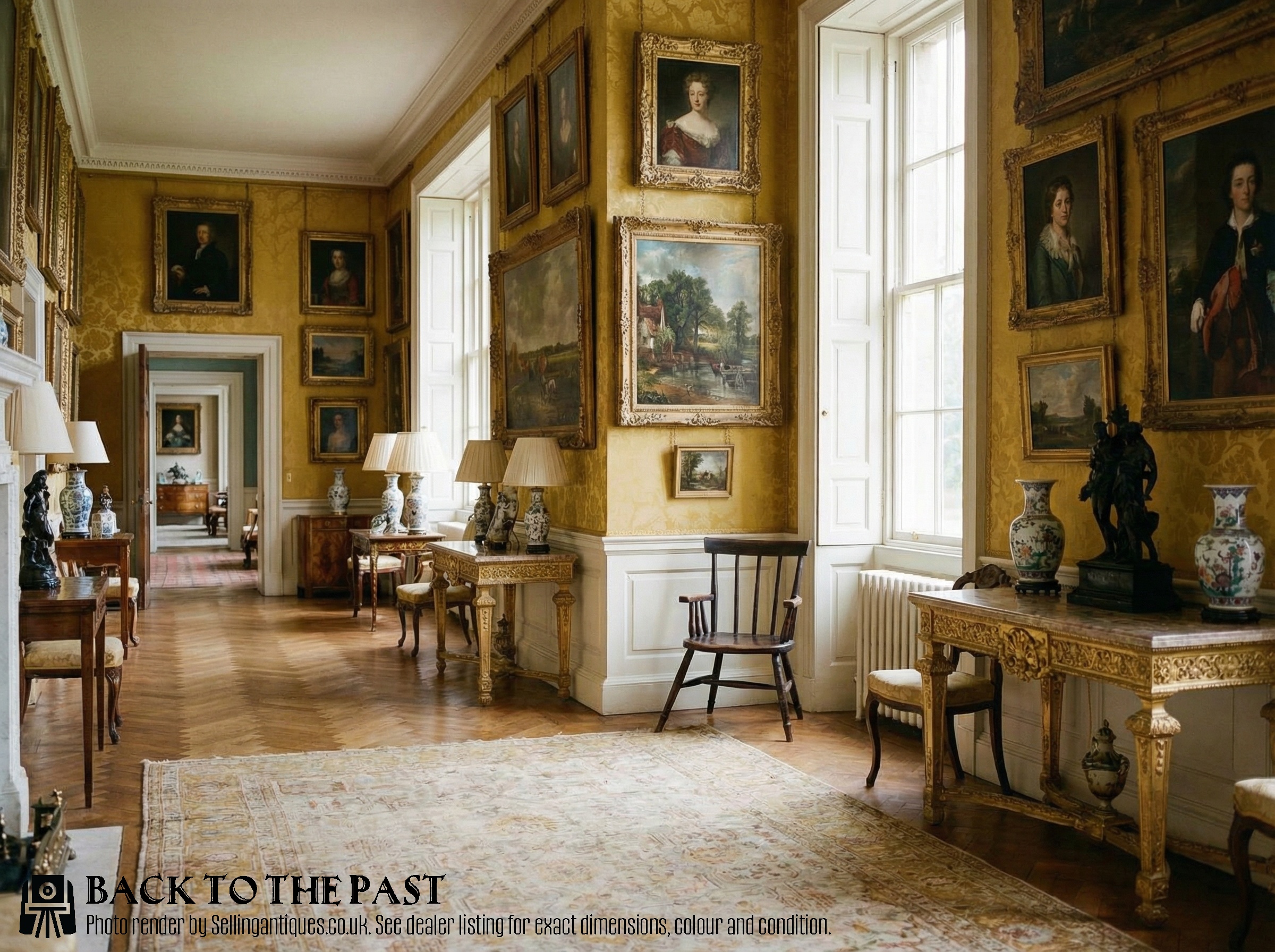
Period Wooden Carver
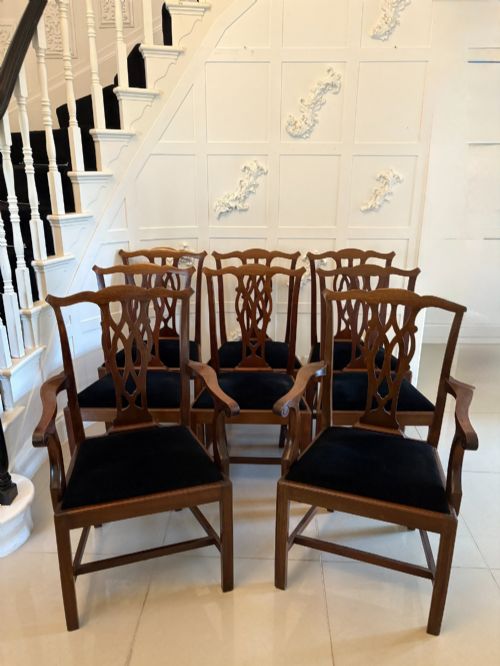
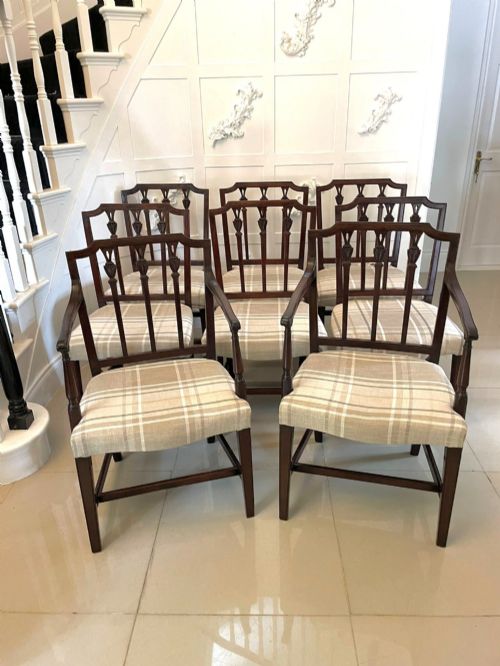
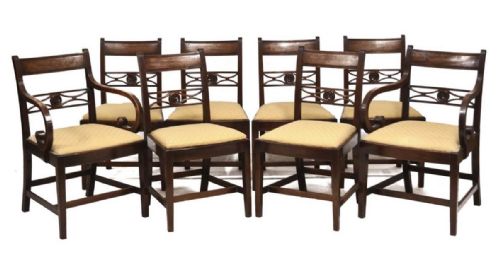
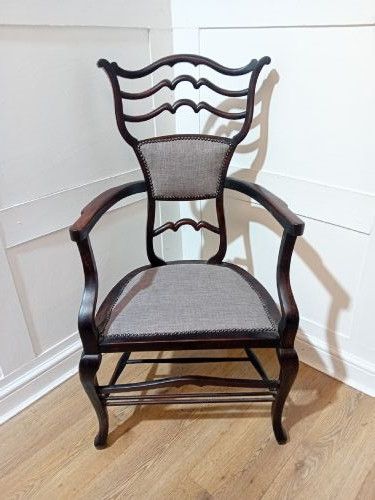
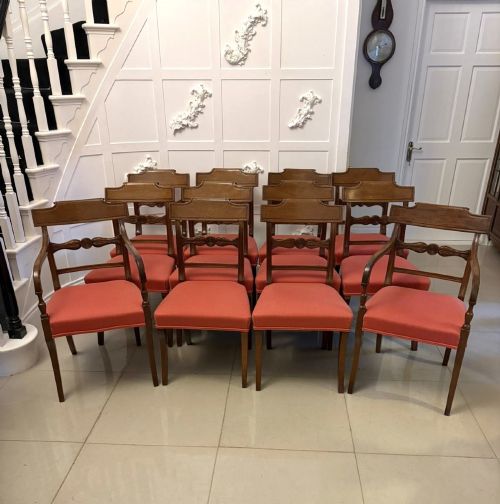
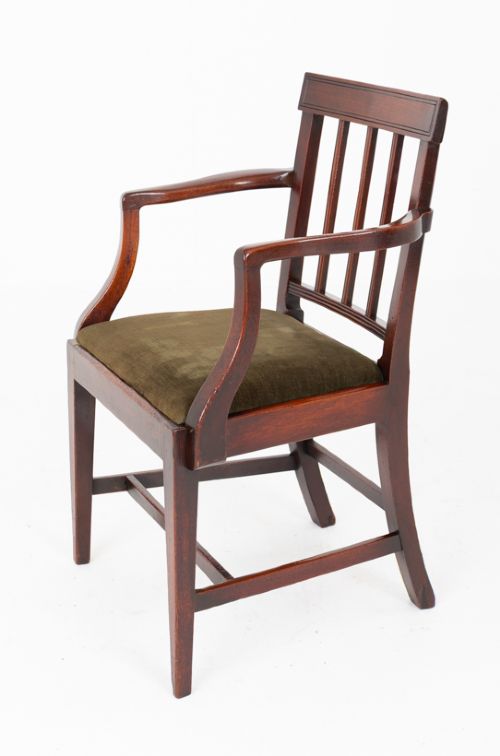
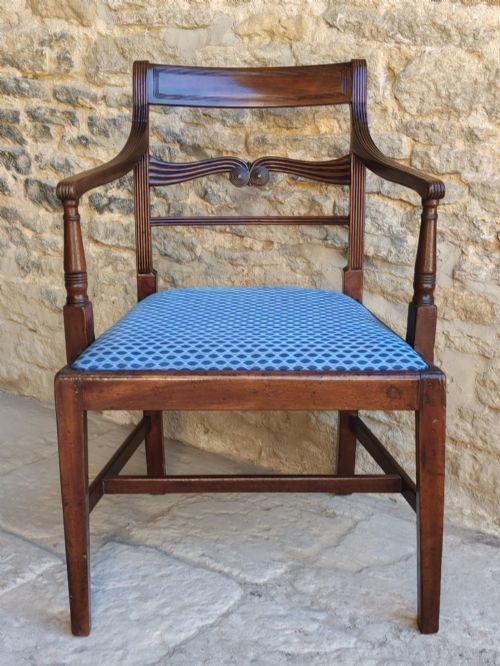
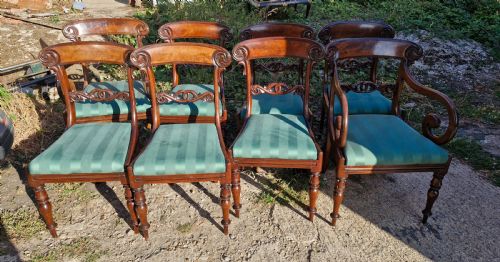
A period wooden carver stands out by its generous proportions and fitted armrests, designed to accompany matching dining chairs around a formal table. When searching for a period wooden carver, buyers encounter individual armchairs or pairs salvaged from larger dining sets, spanning Georgian, Regency, and Victorian eras.
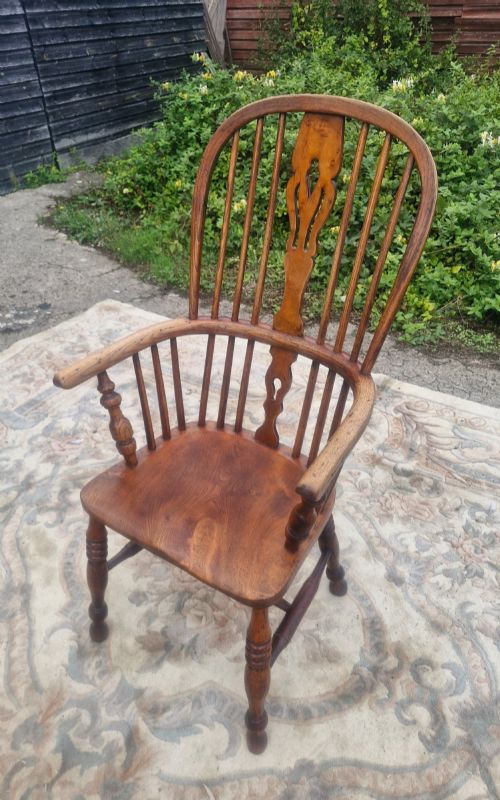
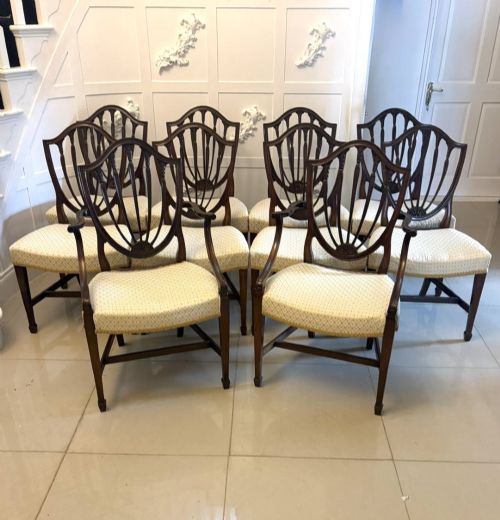
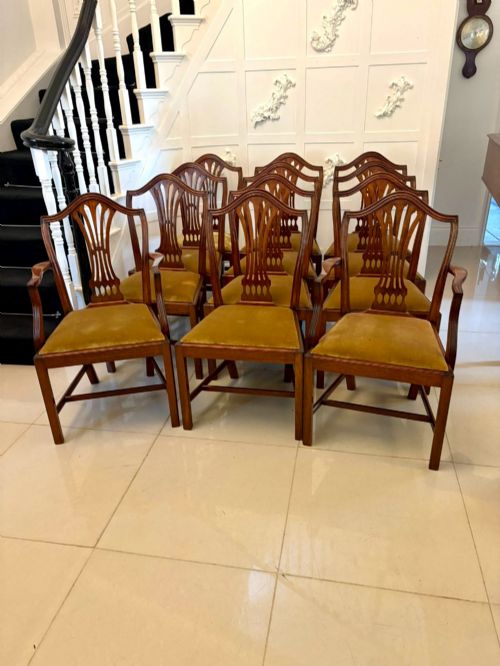
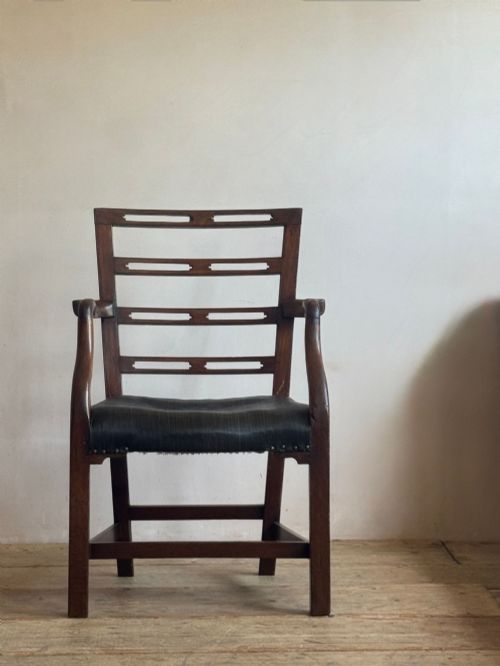
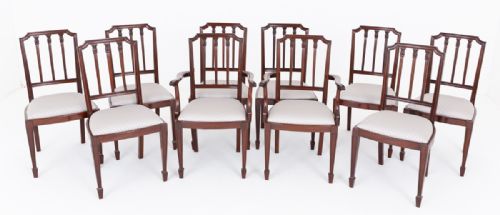
The forms range from shield-back and ladder-back dining armchairs to Windsor and scroll-arm seating. Mahogany is the most frequent timber, joined by elm, walnut, and fruitwood across country and city workshops.
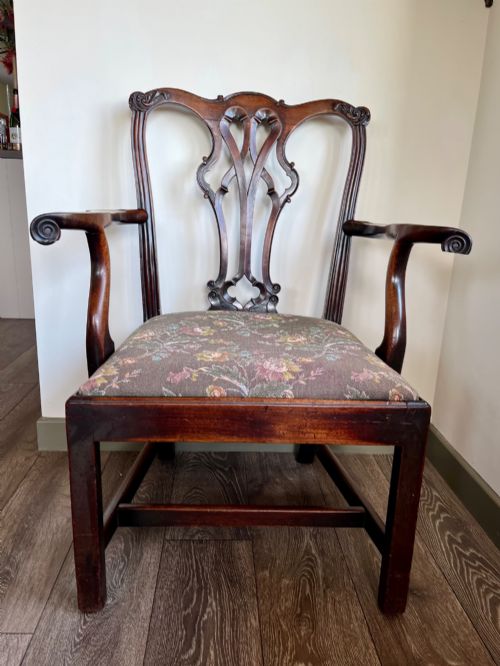
Most examples originate from English and Scottish makers working within George III, Hepplewhite, Sheraton, or Chippendale design idioms. These chairs served domestic dining rooms where comfort at the table head mattered as much as uniformity.
How they were made
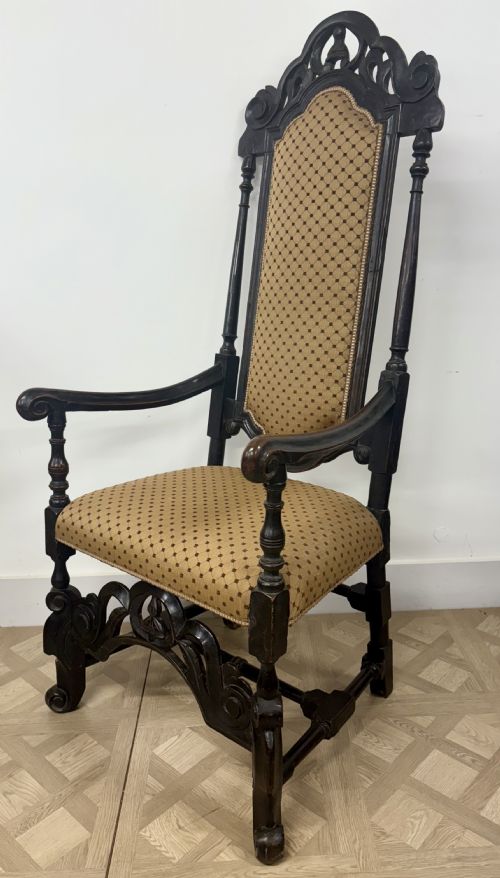
Cabinetmakers constructed these carvers primarily from solid mahogany, walnut, oak, and elm, often utilising turned supports, curved arm posts, and pegged joinery. Timbers were selected for grain pattern and structural strength, particularly in the curved arm joints and rake legs.
Upholstered drops-in seats and fixed pads relied on foundational textiles, fabric, velvet, and webbing over traditional stuffing. Decorative details included carved shield backs, ladder slats, and pierced splats shaped by hand tools.
Periods represented span from the late seventeenth century through the Georgian, Regency, Victorian, and Edwardian eras into the early twentieth century.
What varies in quality
The distinction between standard utility seating and high-end cabinet work rests on the crispness of hand-carved splats, the weight and grain selection of the timber, and the integrity of the frame construction. Superior carvers retain original joinery without excessive reinforcement, maintaining rigid arm supports and balanced proportions.
Refinement shows in the subtlety of the curved crest rails and the harmonious integration of the arms into the upright stiles, whereas lesser pieces exhibit heavy-handed proportions or mismatched replacement timbers.
Maple and Co·Lamb of Manchester
The Period Wooden Carver Glossary
- Shield back
- A chair back shaped in the outline of a heraldic shield, popularised in the late eighteenth century by designers such as Hepplewhite and Sheraton. This silhouette often incorporates pierced central splats.
- Splat
- The vertical wooden strip down the centre of a chair back, connecting the seat to the top rail. It frequently displays carved or pierced ornamentation.
- Windsor
- A wooden chair construction method where legs and back spindles are wedged directly into a solid sculpted seat. These sturdy vernacular chairs often feature high bentwood hoops or comb backs.
- Stile
- The upright vertical post forming the outer edge of a chair back. It receives the tenons of the horizontal rails and crest.
Period Wooden Carver: Frequently Asked Questions
How do I identify a Georgian carver?
Look for dense mahogany timber, characteristic carved splats, and structural proportions typical of the eighteenth century. Details such as drop-in seats and square or cabriole legs point to this era.
Examine the underside of the seat frame for traditional joinery methods and signs of age in the wood grain.
Can I mix a carver with other dining chairs?
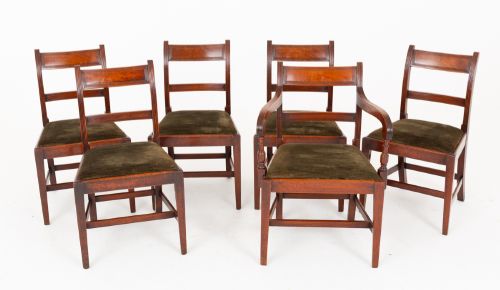
Mixing a carver with single chairs is historically accurate, as dining sets often paired a pair of armchairs with several armless chairs. Ensure the timber and general period style align for a cohesive look.
Height matching is essential so the arms clear the underside of the dining table.
What is the difference between a carver and an armchair?
A carver specifically refers to an armchair styled to match a set of dining chairs, whereas a general armchair might be heavier, upholstered, and intended for a parlour or library.
Carvers generally feature lighter frames and open sides to ease movement around a dining table.
How should I care for antique wood furniture?
Keep wooden carvers away from direct heat sources and strong sunlight to prevent the timber and upholstery fabrics from drying out or fading. Dust regularly with a dry cloth and apply occasional wax.
Avoid commercial liquid polishes that contain silicone, which can penetrate and degrade old finishes.