

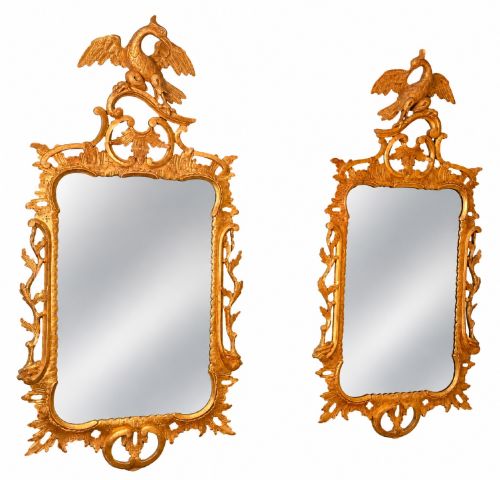
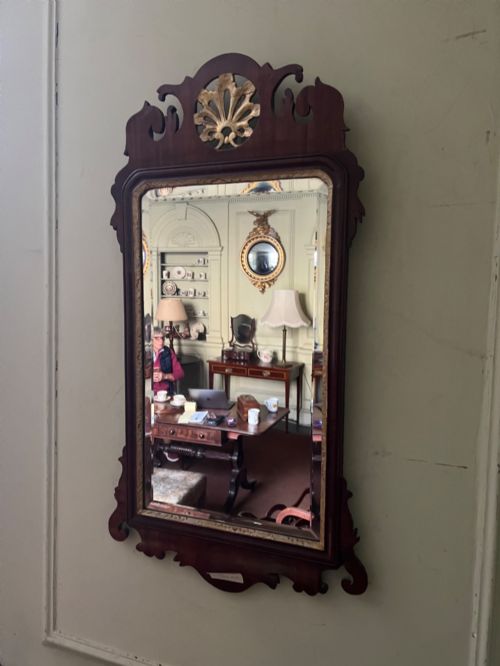
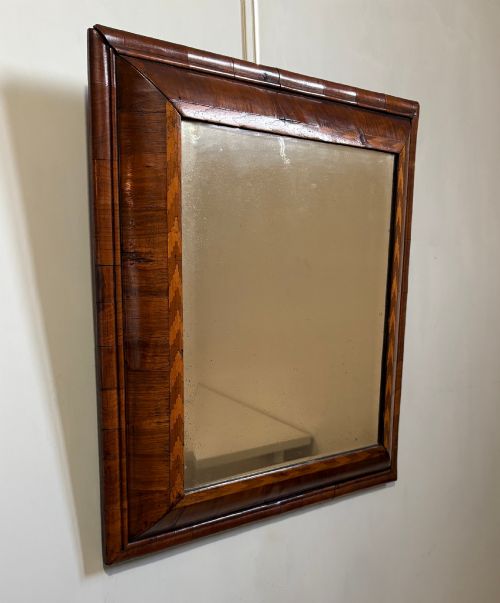
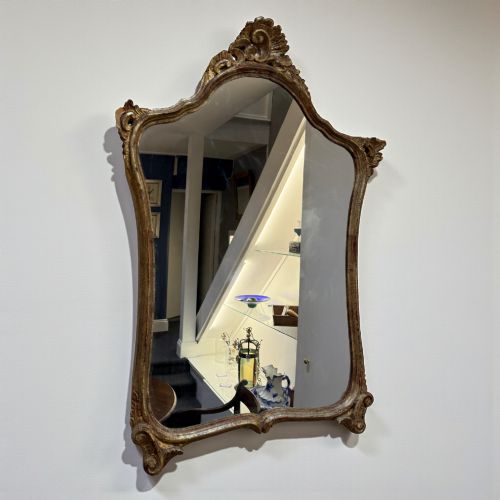
Period Wood Mirror
When you handle a period wood mirror, you feel the weight of centuries in the carved timber and gilded surfaces.
Period Wood Mirror
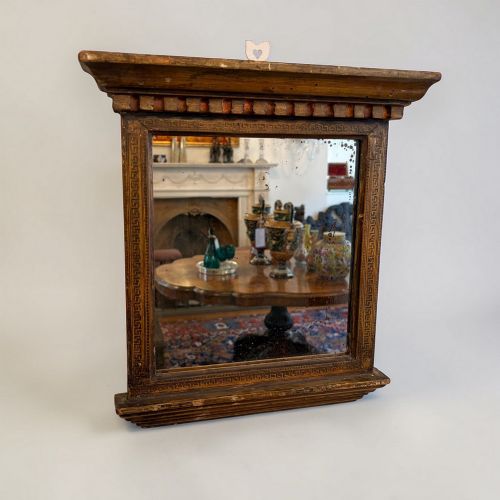
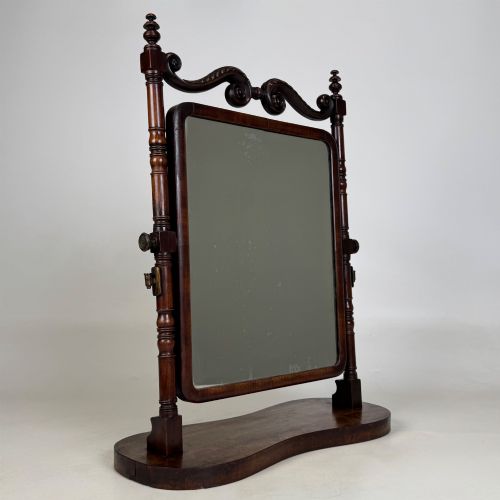
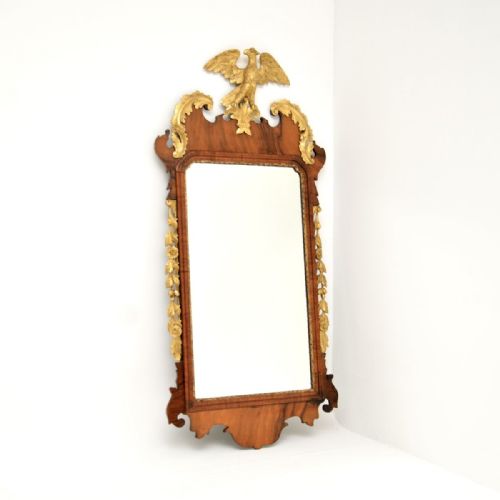
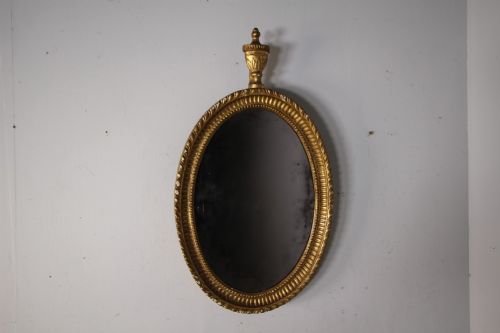
A period wood mirror brings historical craftsmanship into a room through timber frames, carved detailing, and reflective glass plates. You encounter these pieces in forms ranging from small dressing mirrors to large overmantel mirrors designed for domestic interiors.
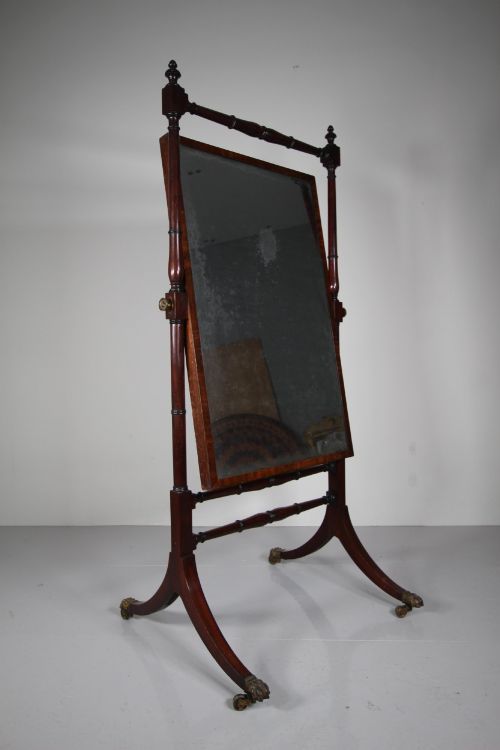
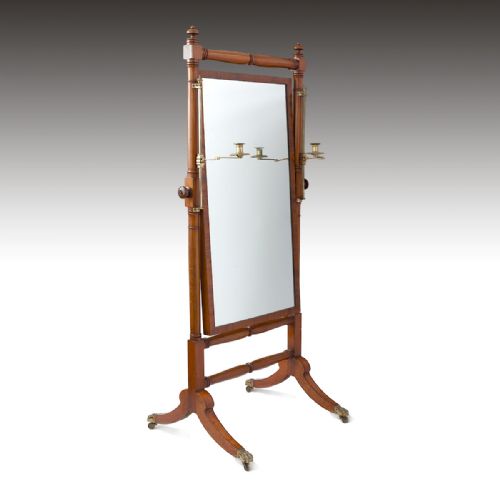
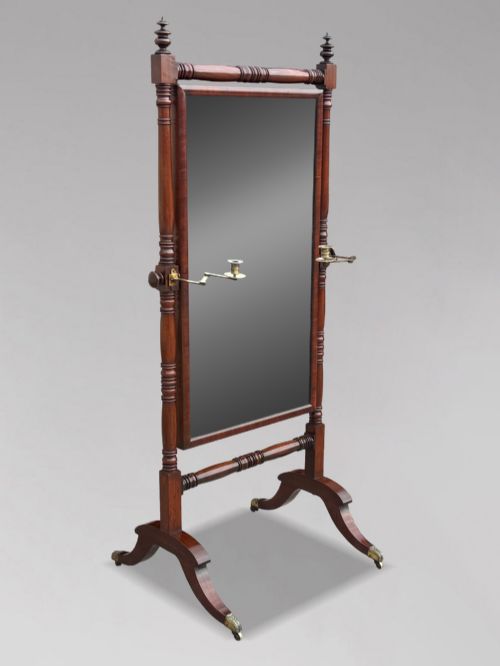
The selections span centuries from the seventeen-hundreds through the Victorian era, utilising foundational periods like Georgian and Regency designs. Wall mirrors, cheval mirrors, and pier mirrors dominate the examples you find on this page.
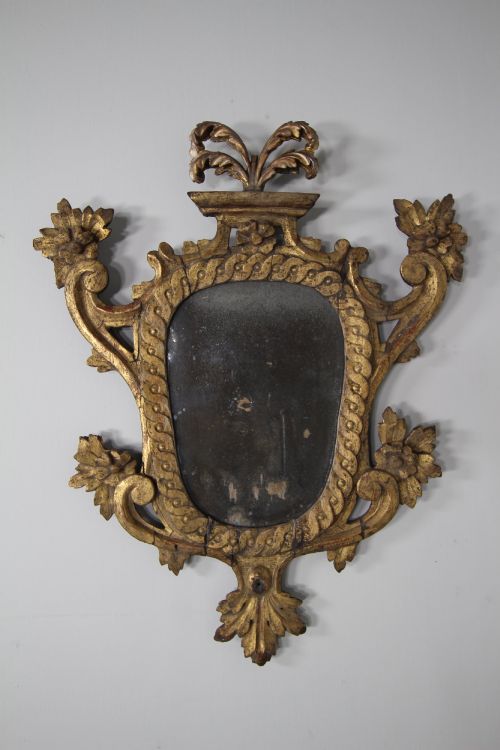
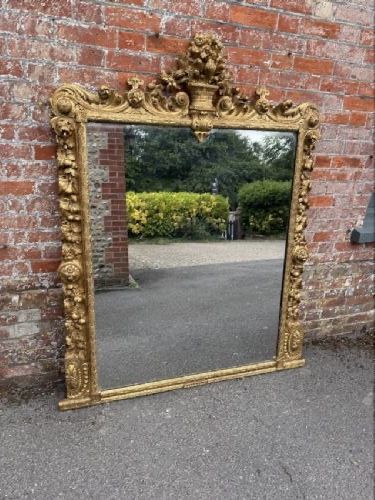
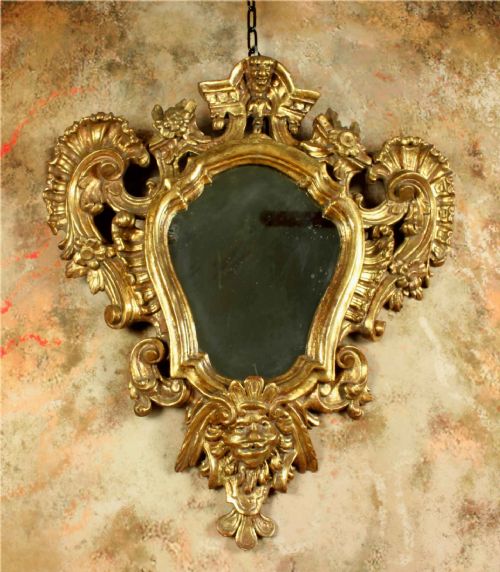
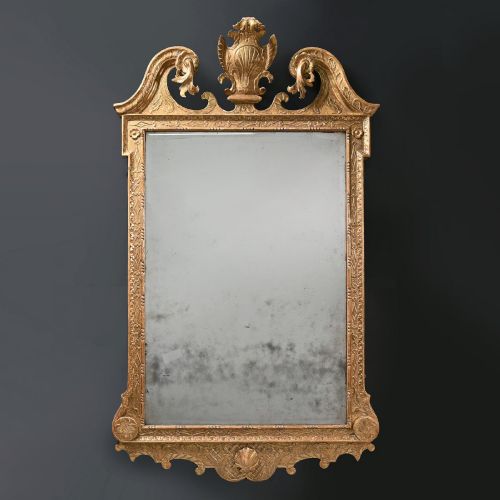
Makers shaped these timber and gilt objects to suit the architectural proportions of their day, applying carving, gesso, and parcel gilt finishes. Each piece reflects the stylistic preferences of its origin, whether English country house or French chateau.
How they were made
Carvers shaped solid woods like mahogany, rosewood, walnut, and birds Eye maple to form the foundational structures of these frames. They often added gesso layers over the timber base to build up intricate relief ornaments before applying gold leaf or oil gilt.
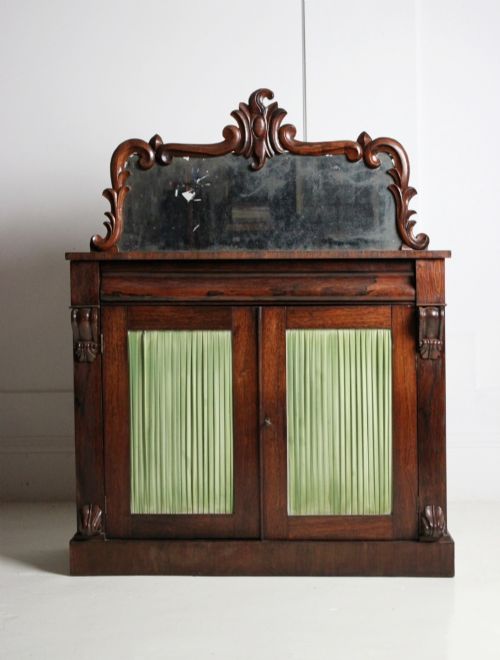
Craftsmen secured silvered glass plates within the timber rebates, occasionally leaving the original foxed plate intact to show age. Brass hardware and candle arms appeared on dressing mirrors and cheval stands, providing functional movement and support.
Period Wood Mirror Retail Price Guide 2026
Typical asking prices for period wood mirror among the pieces listed under this phrase on Sellingantiques today, from the lower quarter to the upper quarter. They describe what is for sale here now, not the wider market.
Listings feature woods including mahogany, rosewood, walnut, and birds eye maple across Georgian and Victorian periods.
What varies in quality
The depth and sharpness of the hand-carved wood and gesso ornamentation dictate the visual distinction of a frame. Crisp undercut foliage, well-defined masks, and balanced proportions signal superior workshop execution.
The preservation of the original gilt surface against later interventions changes the character and integrity of the object. Heavy regilding obscures the subtle tooling marks left by the original artisan, whereas untouched surfaces retain their period patina.
Gillow·John Belchier·William Kent
The Period Wood Mirror Glossary
- Gesso
- A plaster-like mixture applied to wood frames to create a smooth surface for subsequent gilding and carving. Artisans built up this material to form deep relief details.
- Giltwood
- Timber coated with gold leaf or metallic powder applied over a prepared ground. This technique gave wooden frames the appearance of solid gold.
- Cheval mirror
- A full-length swing mirror supported by a freestanding frame with four legs. This form allowed users to view their entire outfit.
- Overmantel mirror
- A large mirror designed to hang specifically above a fireplace mantelpiece. These pieces often matched the architectural scale of the room.
- Pier mirror
- A tall, narrow mirror made to hang on the wall space between two windows. They reflected additional light into dark eighteenth and nineteenth-century rooms.
- Foxed plate
- Glass that has developed dark spots and discoloration due to the degradation of the silver backing over time. Collectors value this natural ageing sign for authenticity.
Period Wood Mirror: Frequently Asked Questions
How do I date a wood mirror?
Examine the timber species, construction joints, and backboards to establish the manufacturing period. Older pieces often display hand-sawn boards and pegged joinery.
Compare the carving style and gilding technique with documented period examples to narrow down the decade of production.
What is an overmantel mirror?
An overmantel mirror is a wide horizontal glass built to hang above a fireplace opening. They anchored nineteenth-century interior reception rooms.
These large frames frequently utilised gilded wood and decorative crestings to draw the eye upward toward the ceiling.
Why do some mirror plates look spotty?
Spotty or darkened areas on the glass indicate foxing, which happens when moisture affects the silver backing over generations. This chemical breakdown creates unique patterns across the reflective surface.
Many collectors prefer original foxed plates because they prove the glass has remained undisturbed since the period of manufacture.
Where should I hang a cheval mirror?
A cheval mirror requires a stable floor space where the freestanding frame can stand safely without tipping. Bedrooms and dressing rooms provide traditional placement for these adjustable swing glasses.
Ensure adequate clearance around the side pivots so the mirror plate tilts freely without hitting nearby furniture.